
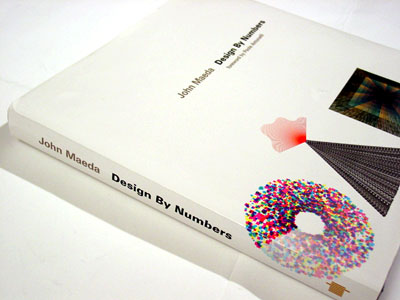
Practicing what he preaches, Maeda composed Design By Numbers using a computational process he developed specifically for the book. He introduces a programming language and development environment, available on the Web, which can be freely downloaded or run directly within any JAVA-enabled Web browser. Appropriately, the new language is called DBN (for “design by numbers”). Designed for “visual” people—artists, designers, anyone who likes to pick up a pencil and doodle—DBN has very few commands and consists of elements resembling those of many other languages, such as LISP, LOGO, C/JAVA, and BASIC.
Activity Log
Join our Community to View/Add Comments.
Title
Excerpt
Metadata
Color
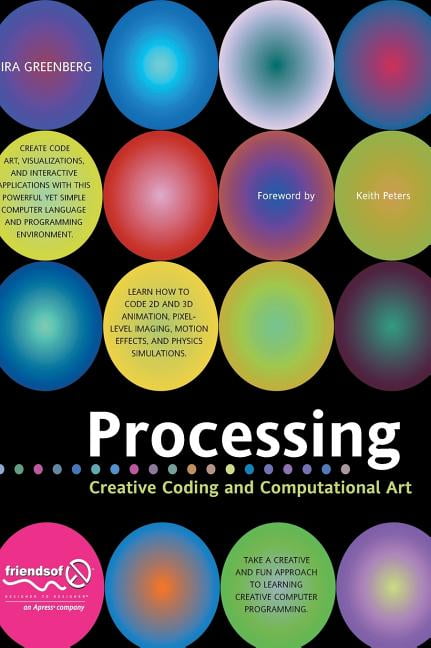
Processing: Creative Coding and Computational – Ira Greenberg
The book is intended as an introduction to programming for designers and artists using the Processing language and environment, a language designed ‘by artists for artists’ and available as open source.
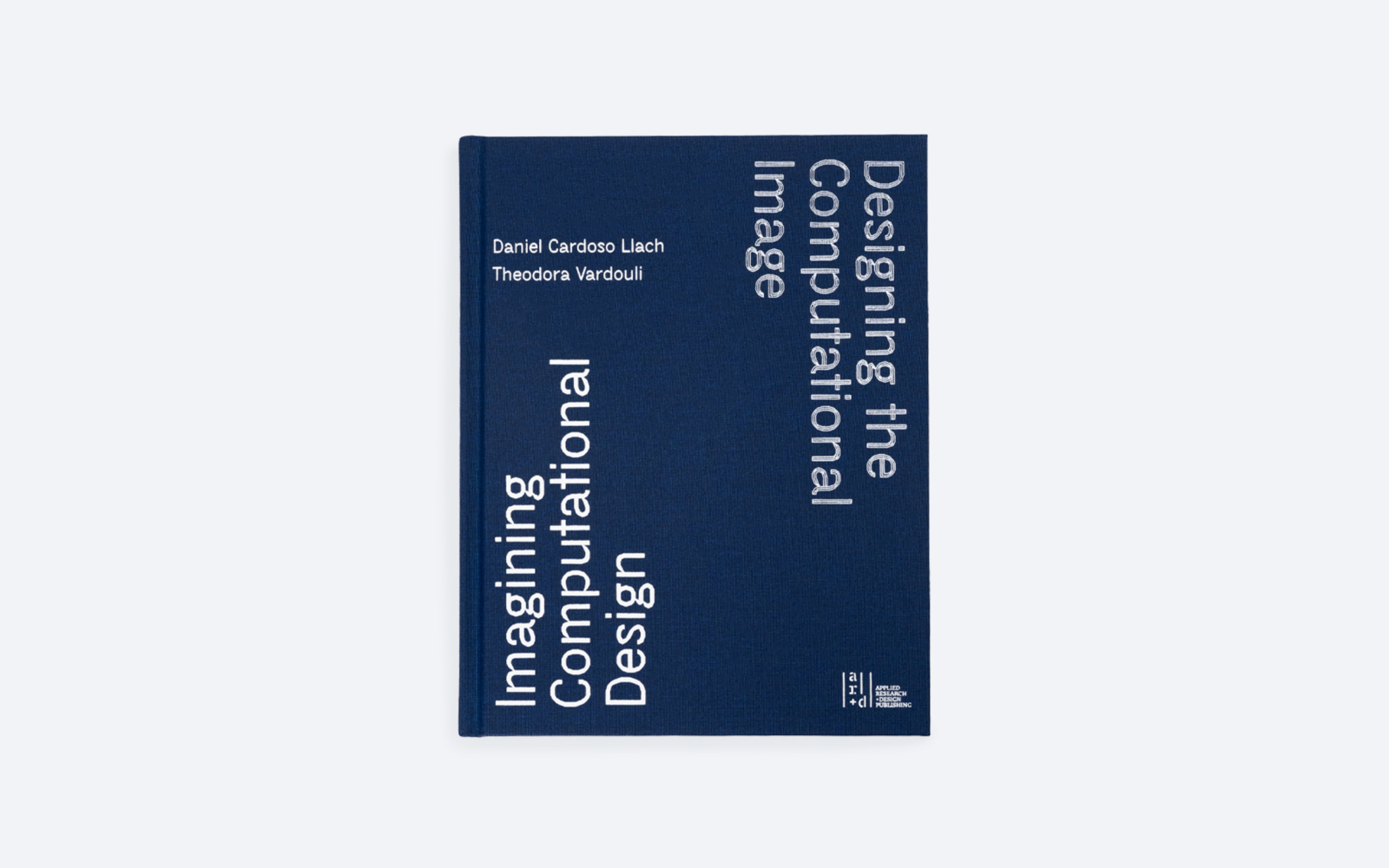
Designing the Computational Image, Imagining Computational Design
A book visually examining the twentieth-century emergence of new methods for representation, simulation, and manufacturing linked to computers, and reflecting on their contemporary repercussions across creative fields.
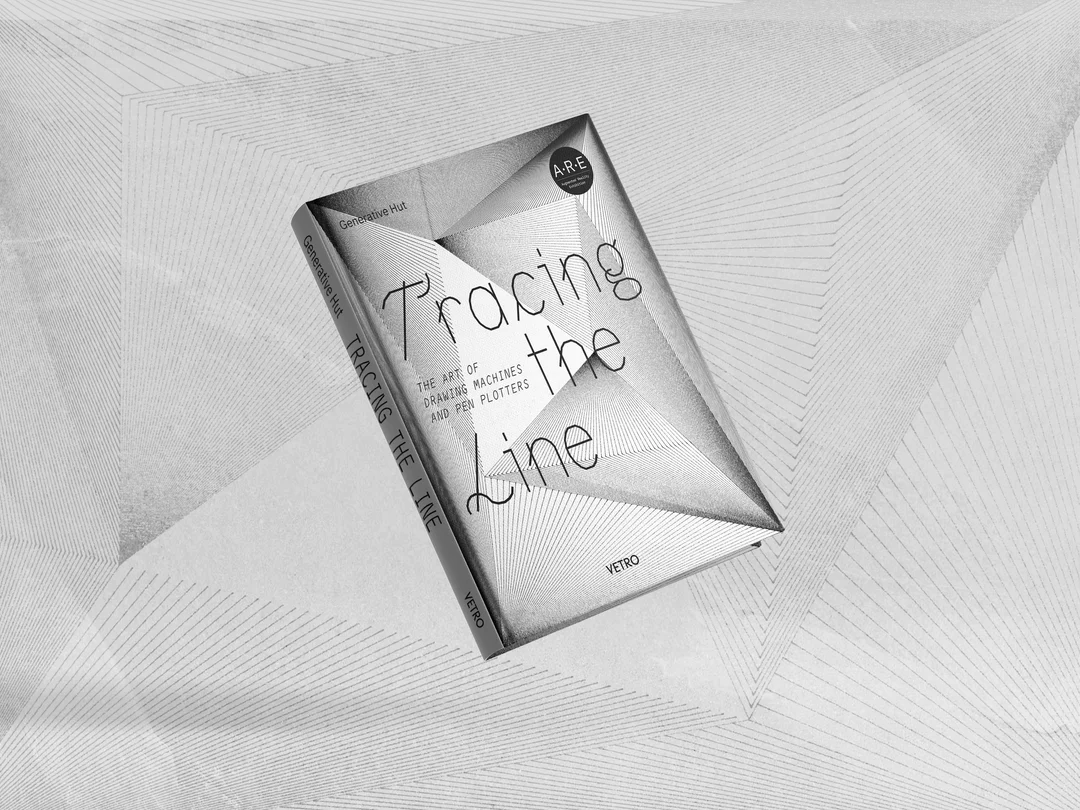
Tracing the Line – Luca Bendandi
The use of pen plotters and other drawing machines has become an important part of the contemporary generative and digital art scene. Tracing the Line showcases the works of 100 contemporary artists who use these machines in their practice.
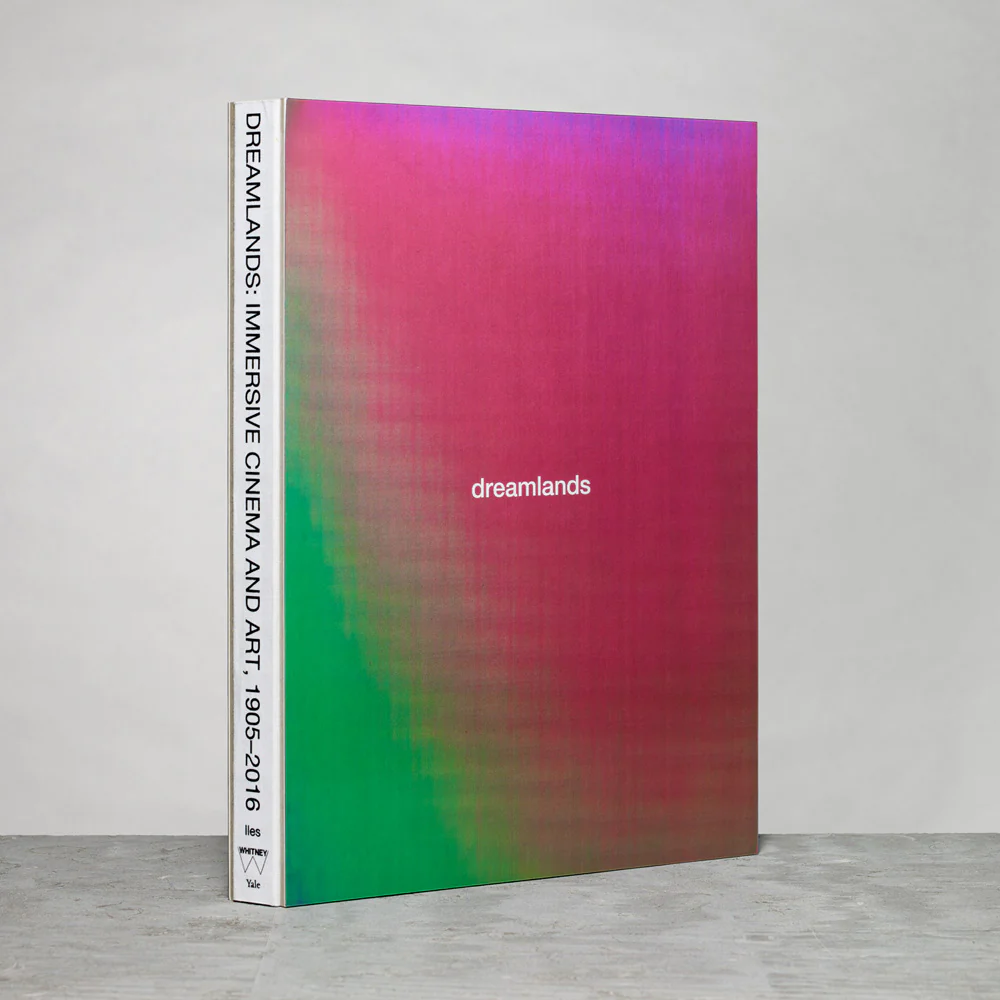
Dreamlands: Immersive Cinema and Art, 1905-2016
A fascinating survey of pioneering work in experimental cinema and art from 1905 to the present day, revealing the high stakes and transformative potential of these forms.
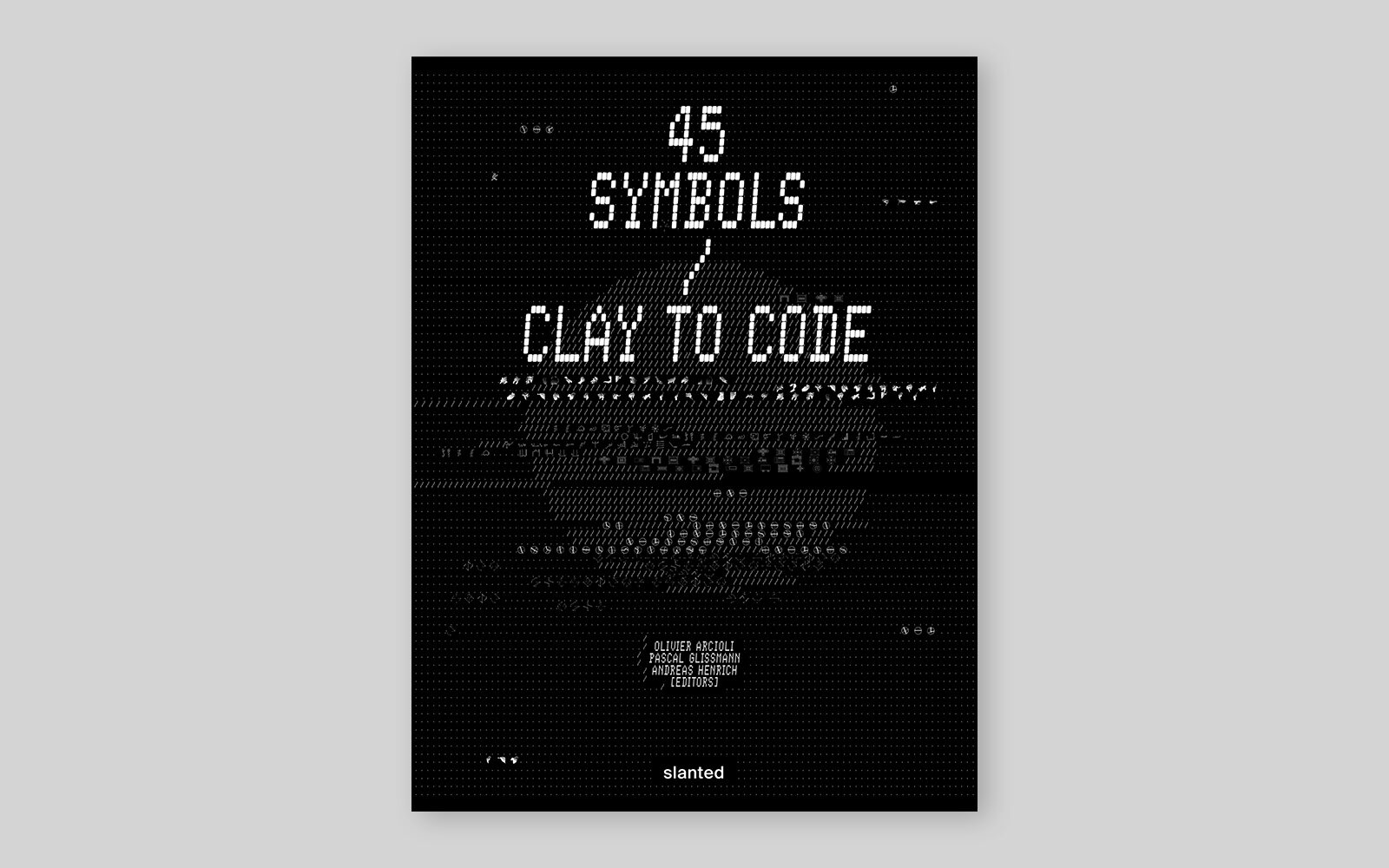
45 Symbols – Clay to Code
45 Symbols–Clay to Code examines how emerging artists and designers develop systematic approaches to a visual language.

Machine Decision is Not Final – China and the History and Future of Artificial Intelligence
Spanning borders between different worlds, histories, futures, and foundational models, Machine Decision is Not Final is a toolbox for constructing more global imaginaries for the future of AI.
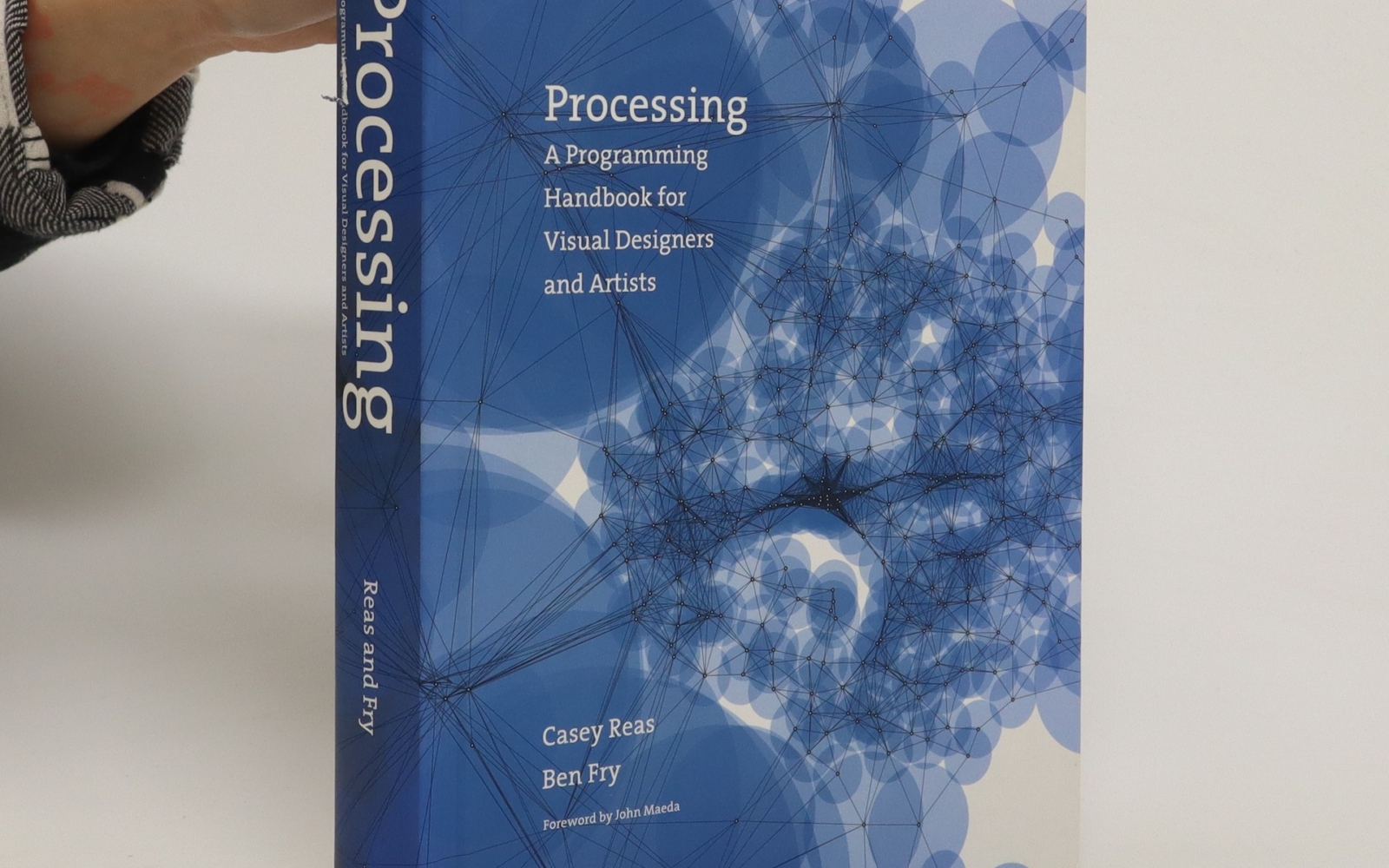
Processing: A Programming Handbook for Visual Designers and Artists – Casey Reas, Ben Fry
This book introduces this new literacy by teaching computer programming within the context of the visual arts. It offers a comprehensive reference and text for Processing (www.processing.org), an open-source programming language that can be used b...
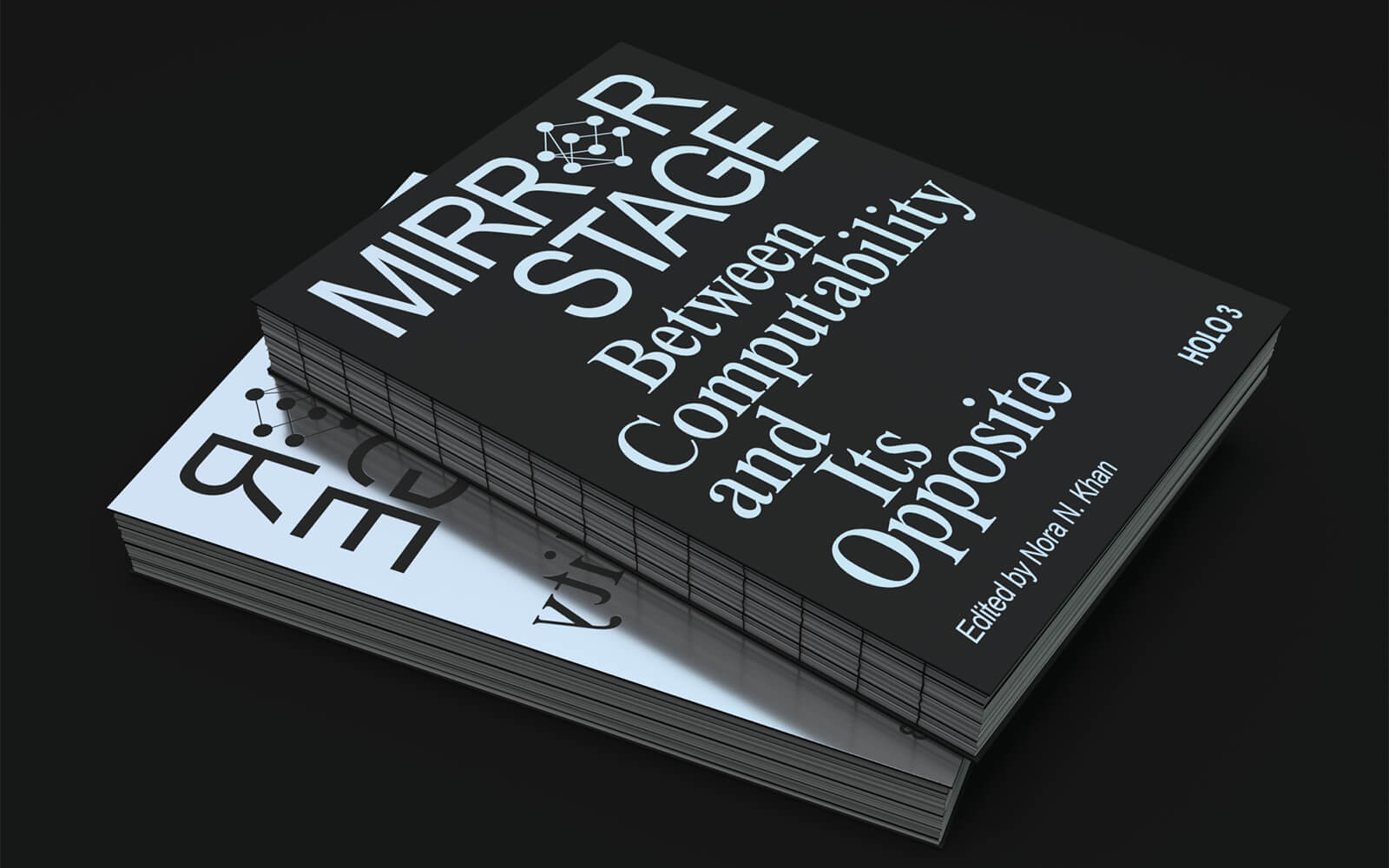
HOLO 3 – Mirror Stage: Between Computability and Its Opposite
Guest editor Nora N. Khan and fifteen luminaries question our problematic faith in and deference to AI. Exploring the limits of knowledge, prediction, language, and abstraction in computation, their collected essays and artworks measure the gap be...
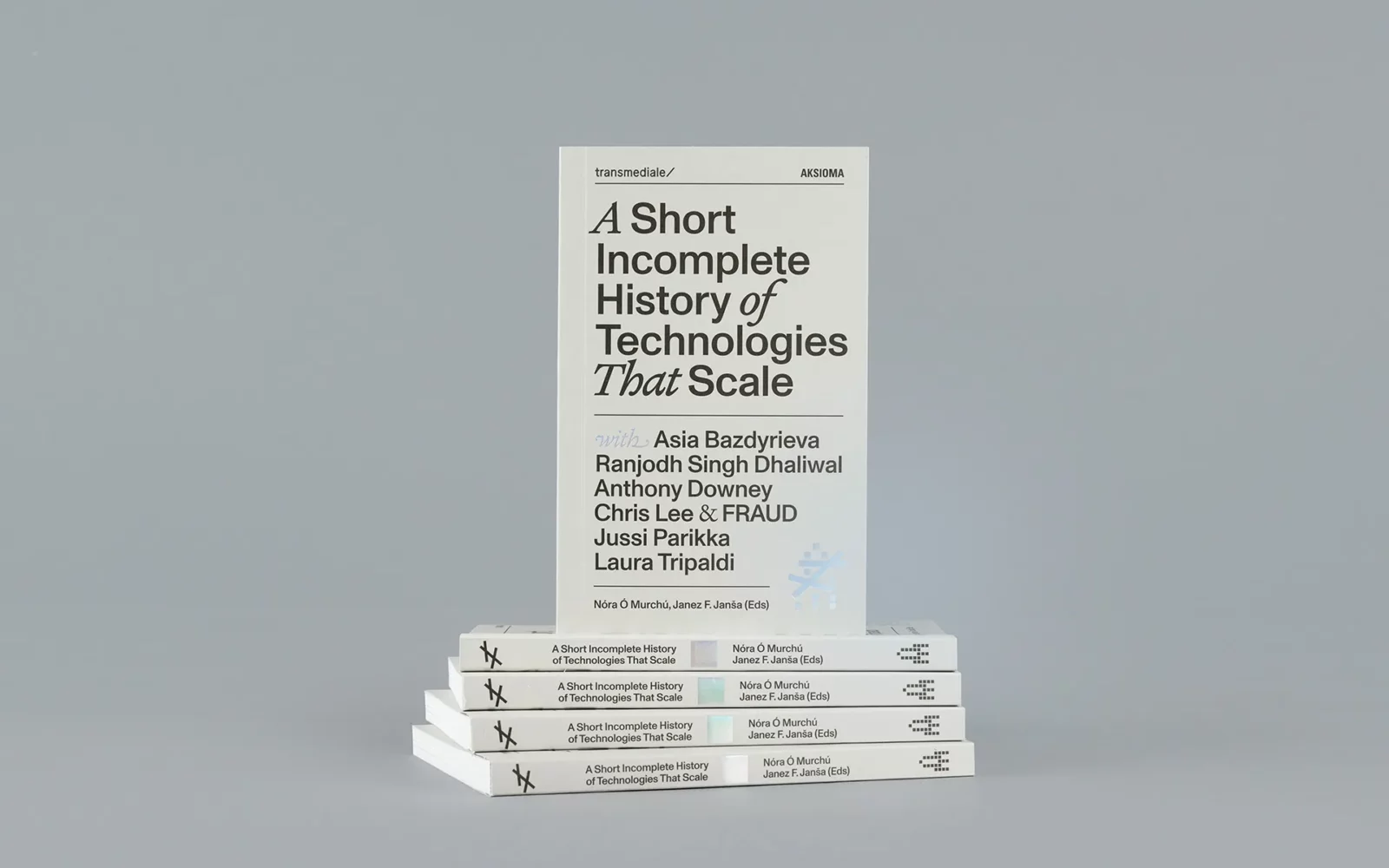
A Short Incomplete History of Technologies That Scale
The word scale is tricky. It invites many definitions, orientations and connections to ourselves, our surroundings and our tools. However, to think of scale as solely technical is reductive and omits the relations, feelings and beliefs that come w...
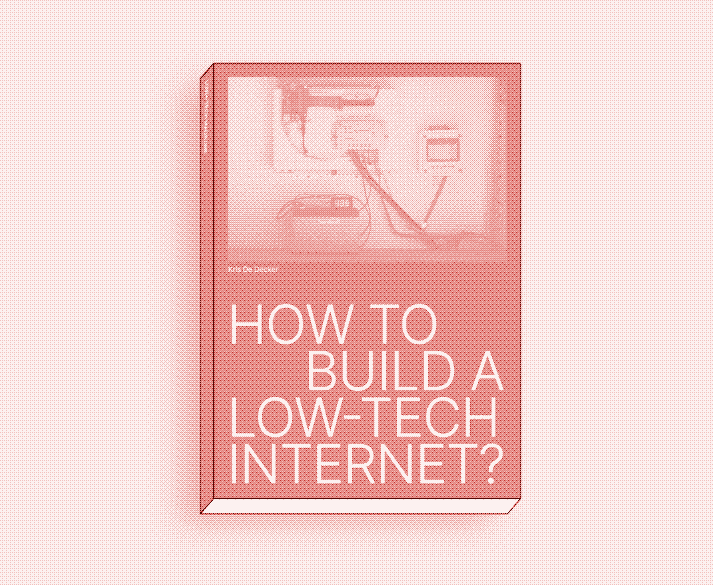
How to Build a Low-tech Internet? – Kris De Decker, Marie Otsuka
We were told that the internet would dematerialize society and decrease energy use. Contrary to this projection, it has become a massive infrastructure and a rapidly growing energy consumer. In this series of articles, Low-tech Magazine examines t...
