
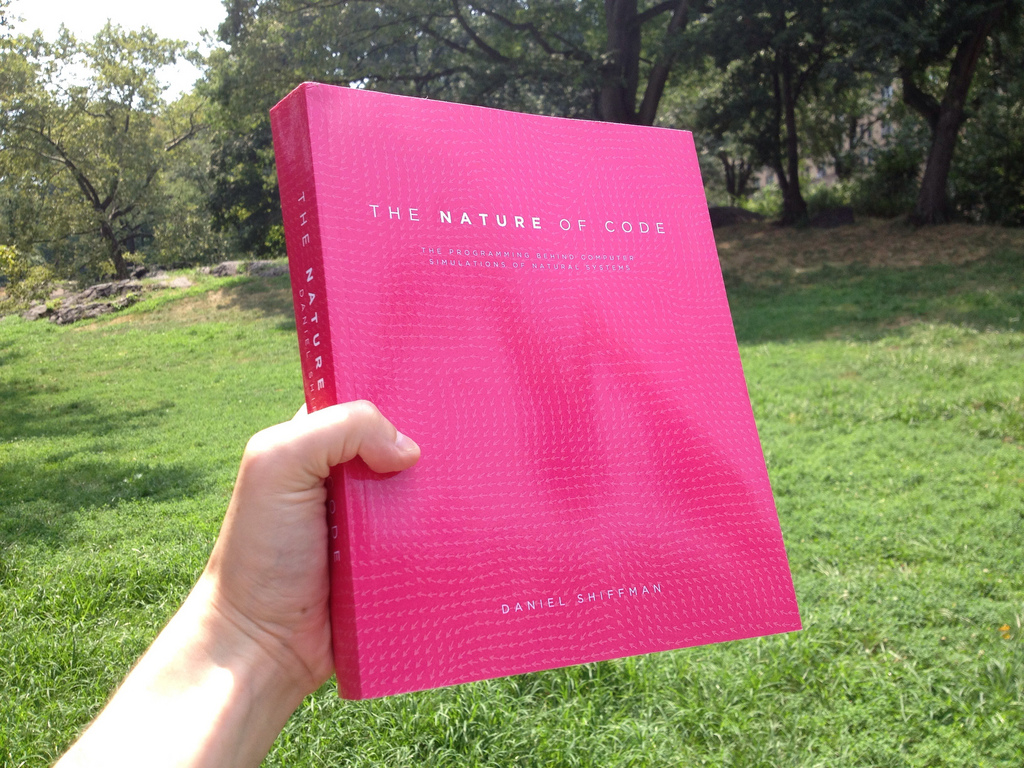
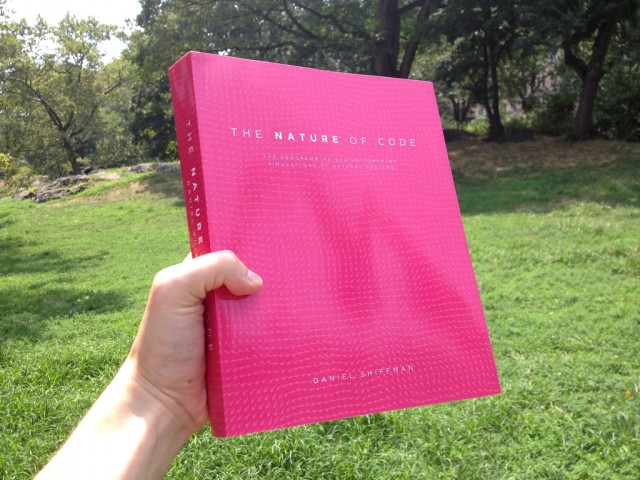
How can we capture the unpredictable evolutionary and emergent properties of nature in software?How can understanding the mathematical principles behind our physical world help us to create digital worlds?This book focuses on a range of programming strategies and techniques behind computer simulations of natural systems, from elementary concepts in mathematics and physics to more advanced algorithms that enable sophisticated visual results. Readers will progress from building a basic physics engine to creating intelligent moving objects and complex systems, setting the foundation for further experiments in generative design.Subjects covered include forces, trigonometry, fractals, cellular automata, self-organization, and genetic algorithms.The book’s examples are written in Processing, an open-source language and development environment built on top of the Java programming language. On the book’s website (http://www.natureofcode.com), the examples run in the browser via Processing’s JavaScript mode.

Activity Log
Join our Community to View/Add Comments.
Title
Excerpt
Metadata
Color
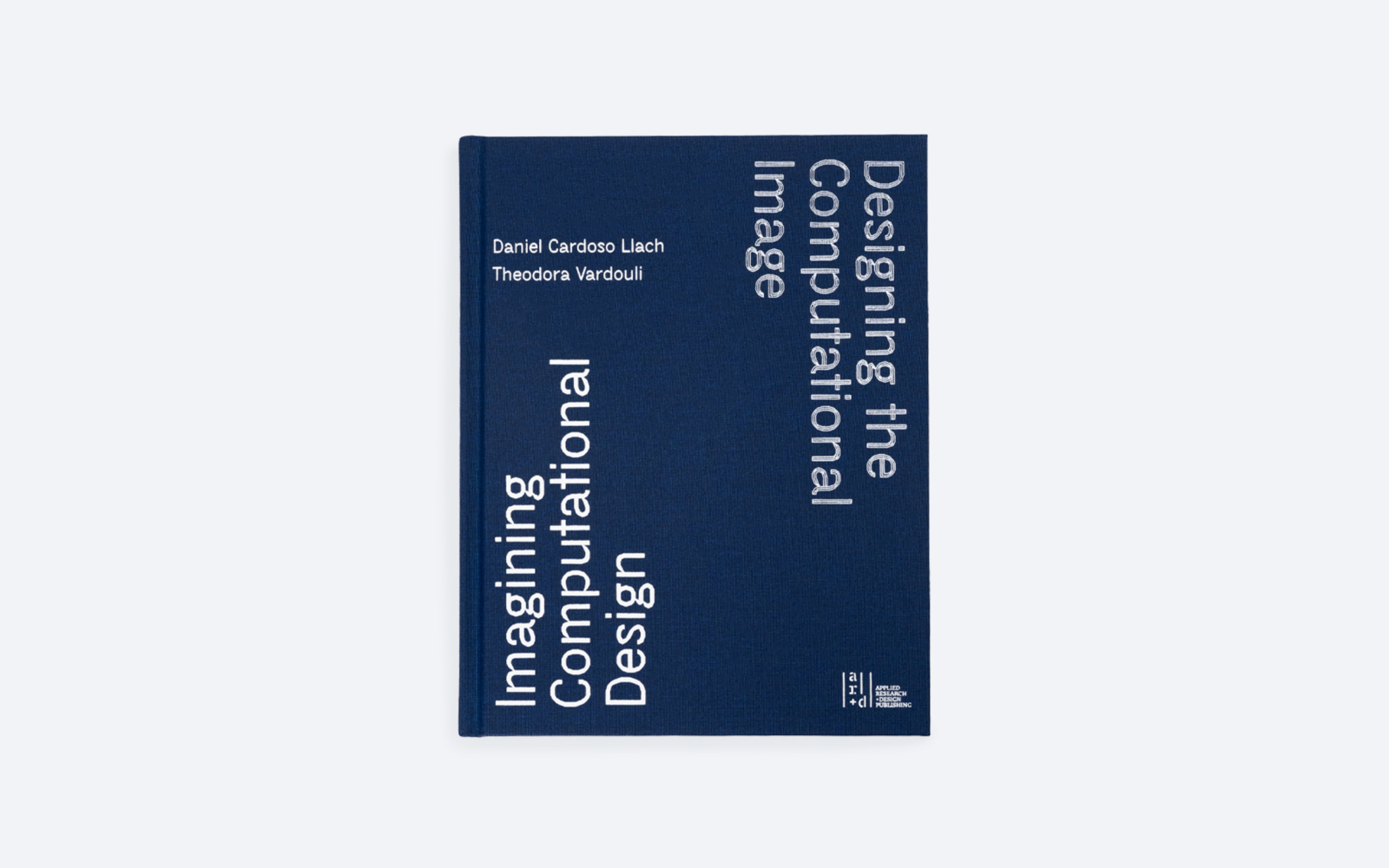
Designing the Computational Image, Imagining Computational Design
A book visually examining the twentieth-century emergence of new methods for representation, simulation, and manufacturing linked to computers, and reflecting on their contemporary repercussions across creative fields.

What Algorithms Want: Imagination in the Age of Computing – Ed Finn
In What Algorithms Want, Ed Finn considers how the algorithm - in practical terms, "a method for solving a problem" - has its roots not only in mathematical logic but also in cybernetics, philosophy, and magical thinking.

Untertage – Troika
Technology is a driving force in contemporary life. Today, digital change does not only happen onscreen, but impacts everything from social encounters to ecology. The London-based artist group Troika explores how new technologies affect our relati...
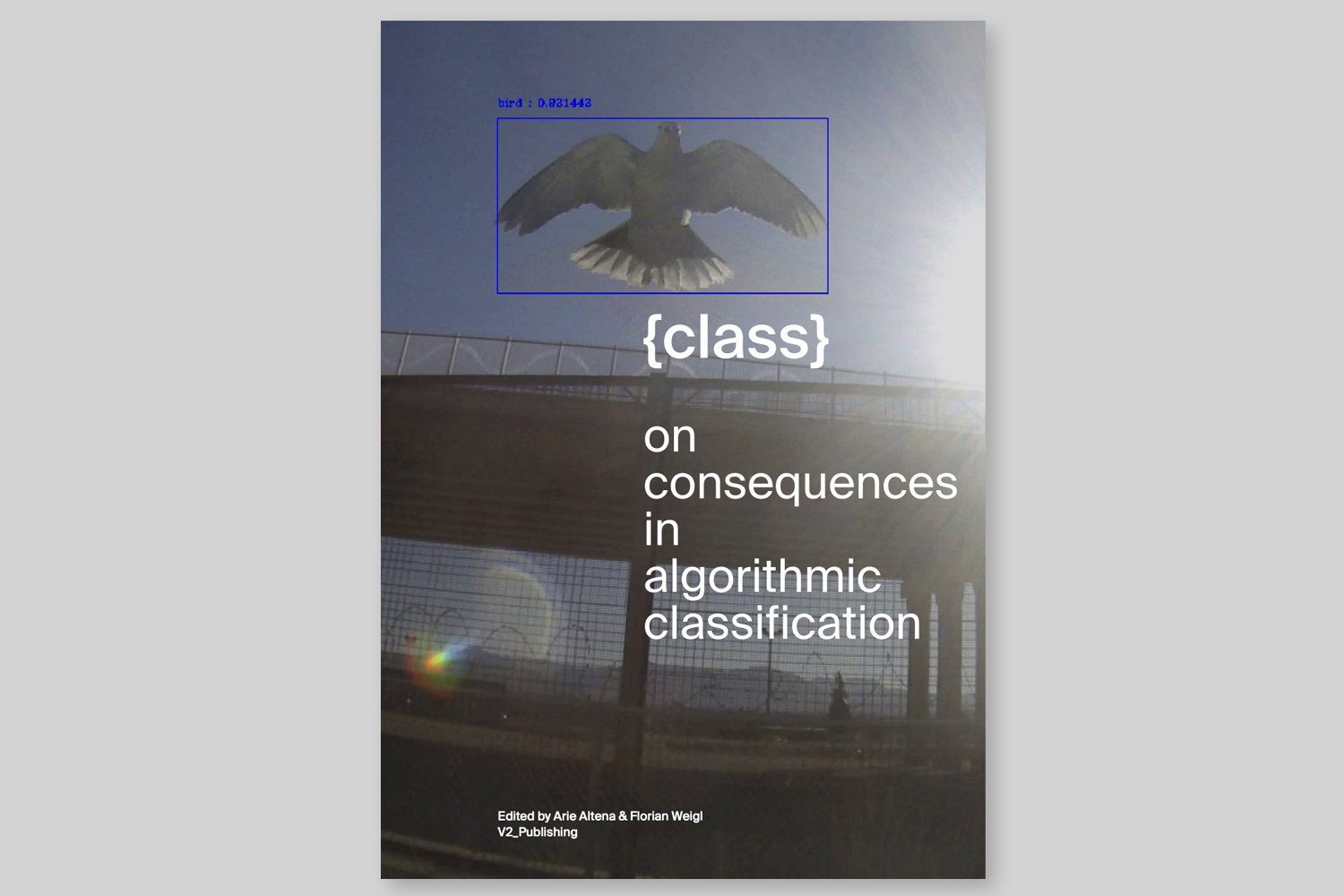
{CLASS} – On Consequences In Algorithmic Classification
The publication {class} – On Consequences in Algorithmic Classification brings together different perspectives on computational classification and its impact on society.

Black Box Cartography – A critical cartography of the Internet and beyond – Vladan Joler
Over the past few years, Vladan Joler has been working (with the help of a network of data analysts, media theorists and cyber forensic experts) to bring to light some of the hidden layers of these systems. From the invisible algorithmic factory o...

A Non-History of Plants
The book questions human projections and representations of the vegetal world, bringing to light the subjectivity, intelligence, and expressive abilities of plants. Tracing a visual history of plants, linking art, technology, and science, through ...
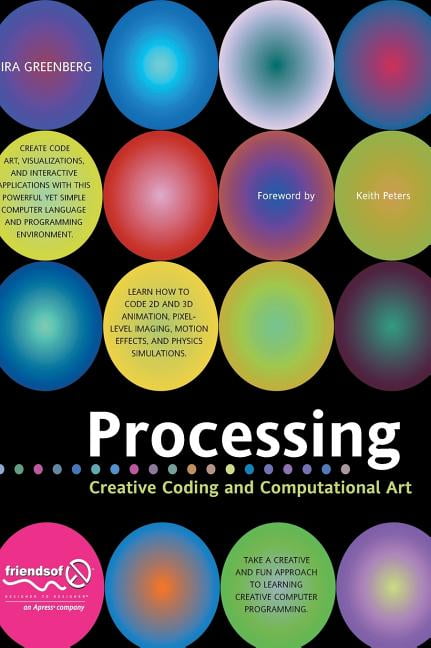
Processing: Creative Coding and Computational – Ira Greenberg
The book is intended as an introduction to programming for designers and artists using the Processing language and environment, a language designed ‘by artists for artists’ and available as open source.

Forty-Four Esolangs – The Art of Esoteric Code
Forty-Four Esolangs is a collection of Daniel Temkin's many approaches to esolangs—esoteric programming languages—showcasing the form’s limitless artistic potential.
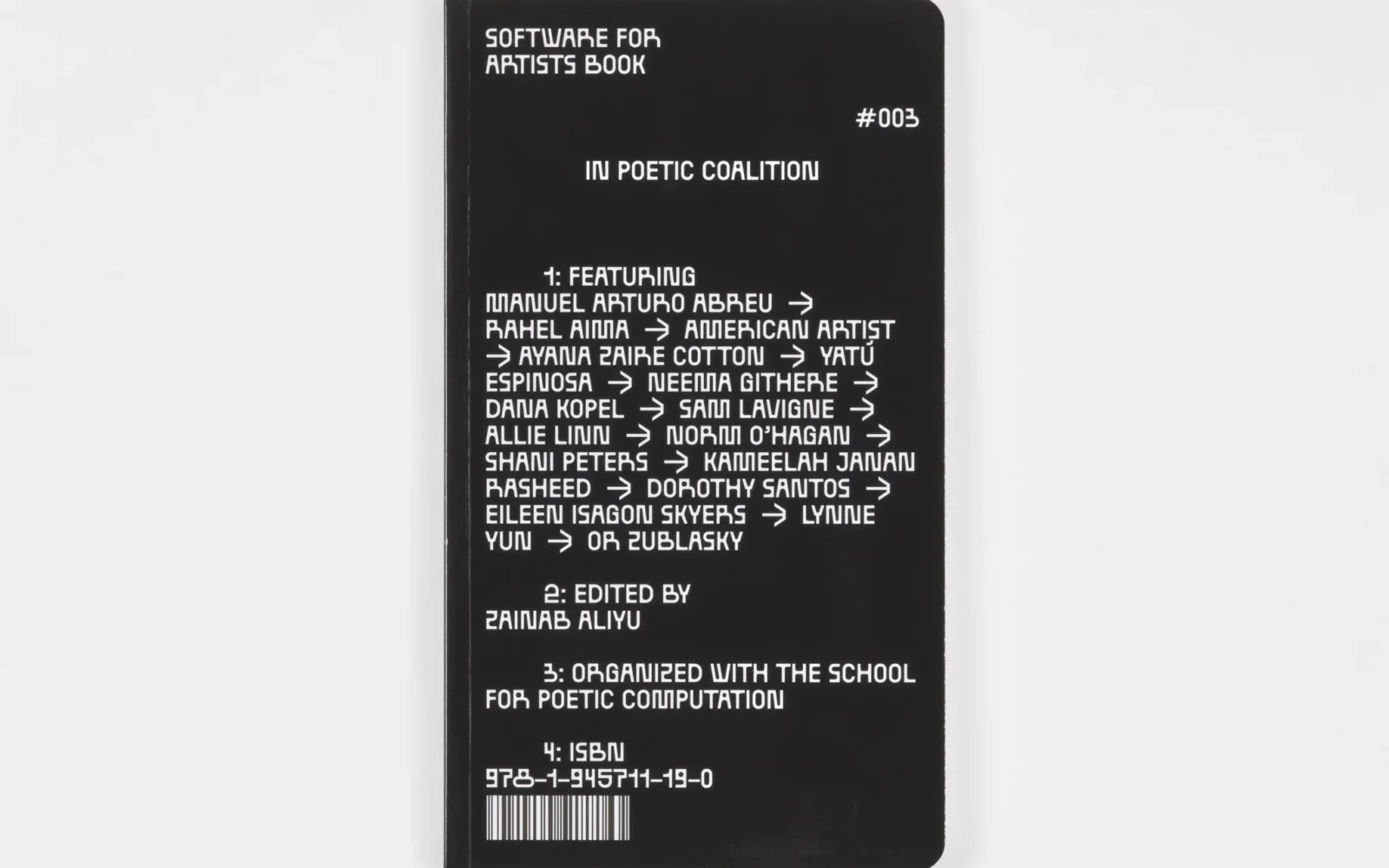
Software for Artists Book: In Poetic Coalition
This publication is a coalition — it brings together experiences of combined action. With a focus on labor organizing within the arts and tech industries, In Poetic Coalition explores the potential of creating alternative networks of education and...

Incomputable Earth: Technology and the Anthropocene Hypothesis
This open access collection argues that climate breakdown represents an irreducibly incomputable problem that cannot be resolved through algorithmic optimization or cybernetic planetary management.
