Hello Visitor!

Creativeapplications.Net (CAN) is a community of creative practitioners working at the intersection of art, media and technology.
Login
Status
Register | Forgot Password
Online for 6,604 days (18 years, 0 months, 30 days), published 4,230 articles about 2,993 people, featuring 219 tools, supported by 1,734 members, and providing access to 450 students.
Categories
CAN (95) Education (32) Event (253) Member (350) News (885) NFT (256) Project (2633) Review (46) Theory (54) Tutorial (39)
Log
Links

Title Excerpt Metadata Color
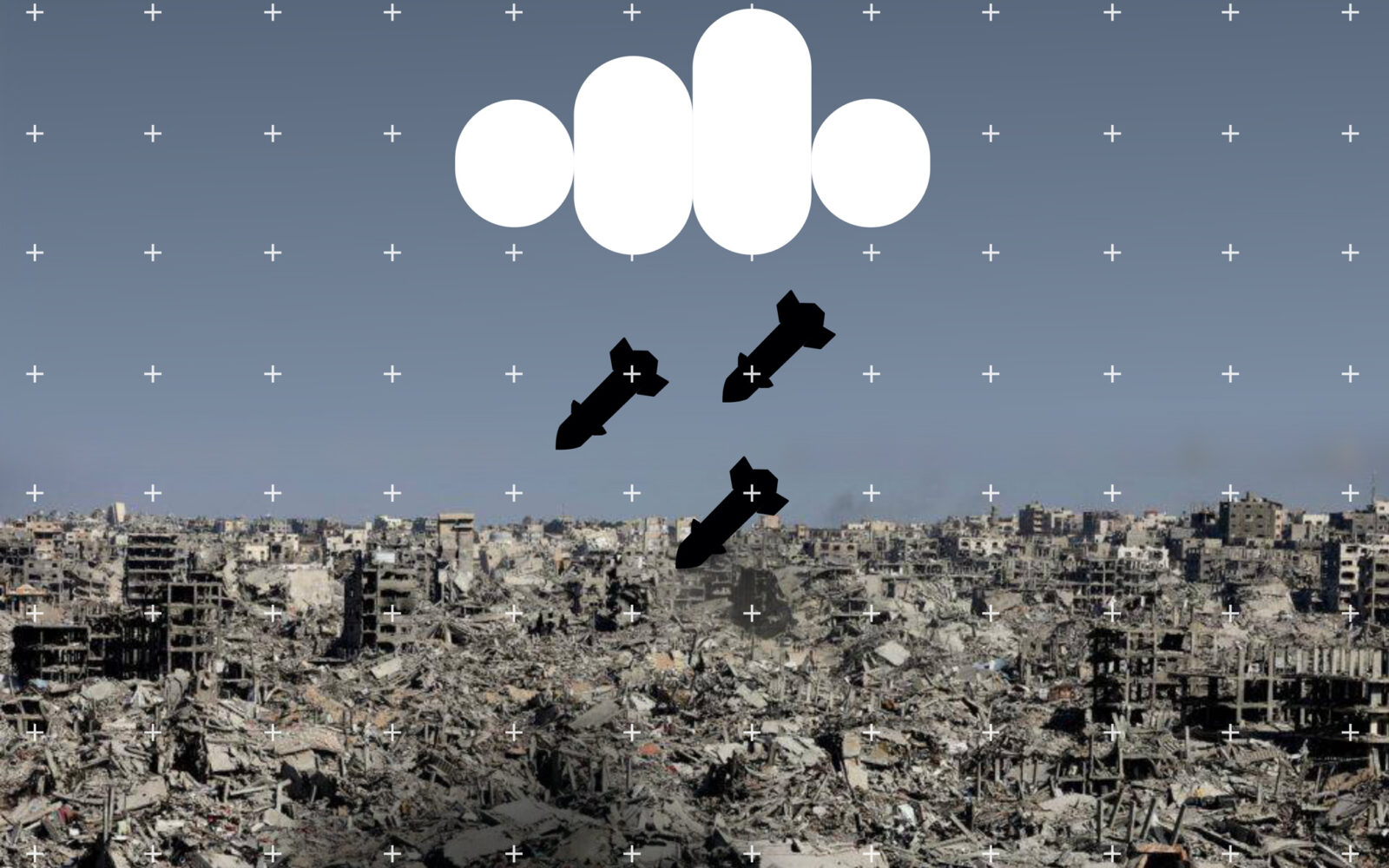
Predictive Capital – Roads to terminal alienation, soil to server farm, reason to vibe
So-called ‘AI’ —more accurately: Predictive Capital— is the latest instrument in Capital’s apparatus of alienation. It steals our work, simulates our labour, reanimates our expression, autocompletes our thought, then pronounces us dead.
  • D09/06/2025
  • A@atomless
  • C,
  • P
  • T331 min read
  • Searching for the Afterparty – Where digital art goes when the cryptoart rave ends
    Cryptoart, like any revolutionary movement, began as a loud, anarchic disruption to the traditional art world, fueled by blockchain technology and a punk ethos. It was thrilling, noisy, boundary-pushing and chaotic like a rave. But as with all har...
  • D03/03/2025
  • A@zardozclub
  • C,
  • Not I – The voice, identity and the epistemic mirage of machine learning
    Not I explores the problematics at the heart of contemporary vocal forensics' use of statistical learning techniques. The work develops a form of investigative aesthetics which seeks to open up the epistemic assumptions that ground the development...
    I!&3_OCR – Typographic experiments on human-only legibility
    Created by Christine Brovkina at the University of Bremen, I!&3_OCR is a typography project exploring human-only legibility. It comprises a series of typographic experiments with OpenType and Variable Fonts technologies, which are only readable by...
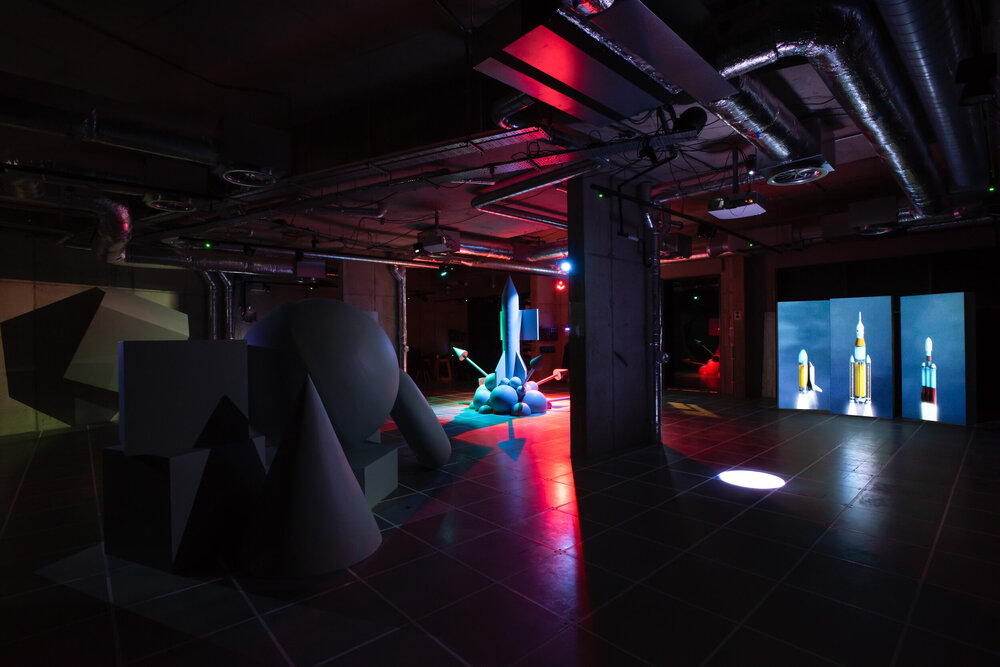
    RGBFAQ – From Bell Labs to synthetic datasets and the <i>new</i> ‘technical debt’
    Latest in the series of video essays by an artist and researcher Alan Warburton, is 'RGBFAQ', tracing the trajectory of computer graphics from WW2 to Bell Labs in the 1960s, from the visual effects studios of the 1990s to the GPU-assisted algorith...
  • D21/06/2021
  • A@Filip
  • C
  • P
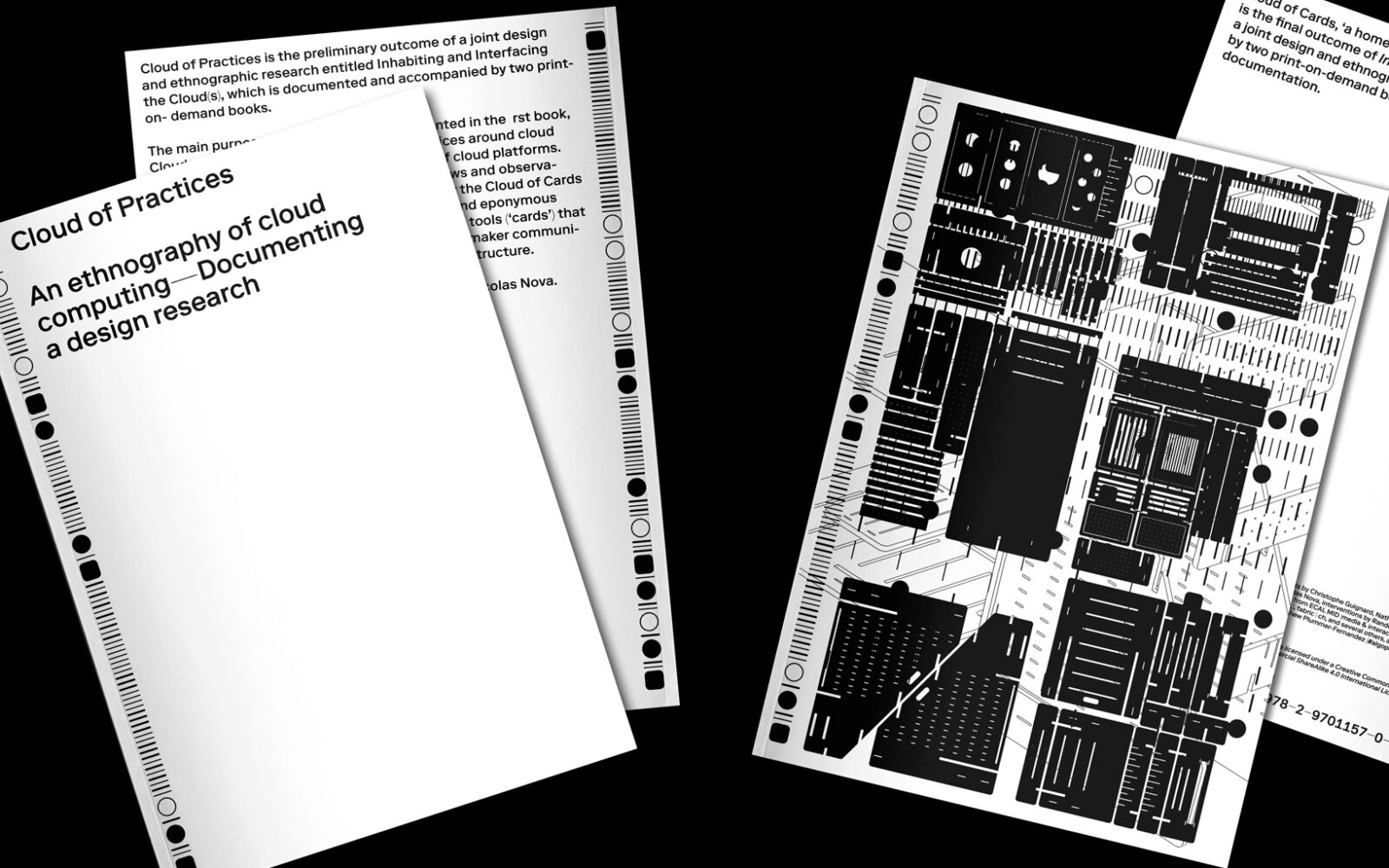
  • Beyond Smoke and Mirrors – Reflections on the ECAL Research Day 2019
    In November 2019, CAN joined the biannual ECAL Research Day to find out how methodologies borrowed from science and engineering can strengthen creative practice—and drive the conversation.
  • D14/02/2020
  • A@alexander
  • C, ,
  • P,
  • T23 min read
  • Document 1. – Symposium Report
    Report from the inaugural CAN-curated event series 'Document #.' examining new forms of cross-disciplinary art and design practice.
  • D25/07/2019
  • A@Filip
  • C,
  • P,
  • T30 min read
  • Artificial Imagination – Opening ‘the Black Box’ of Inscrutable AI Through Dialogue
    Artificial Imagination was a symposium organized by Ottawa’s Artengine this past winter that invited a group of artists to discuss the state of AI in the arts and culture. CAN was on hand to take in the proceedings, and given the emergence of docu...
  • D01/05/2018
  • A@greg
  • C
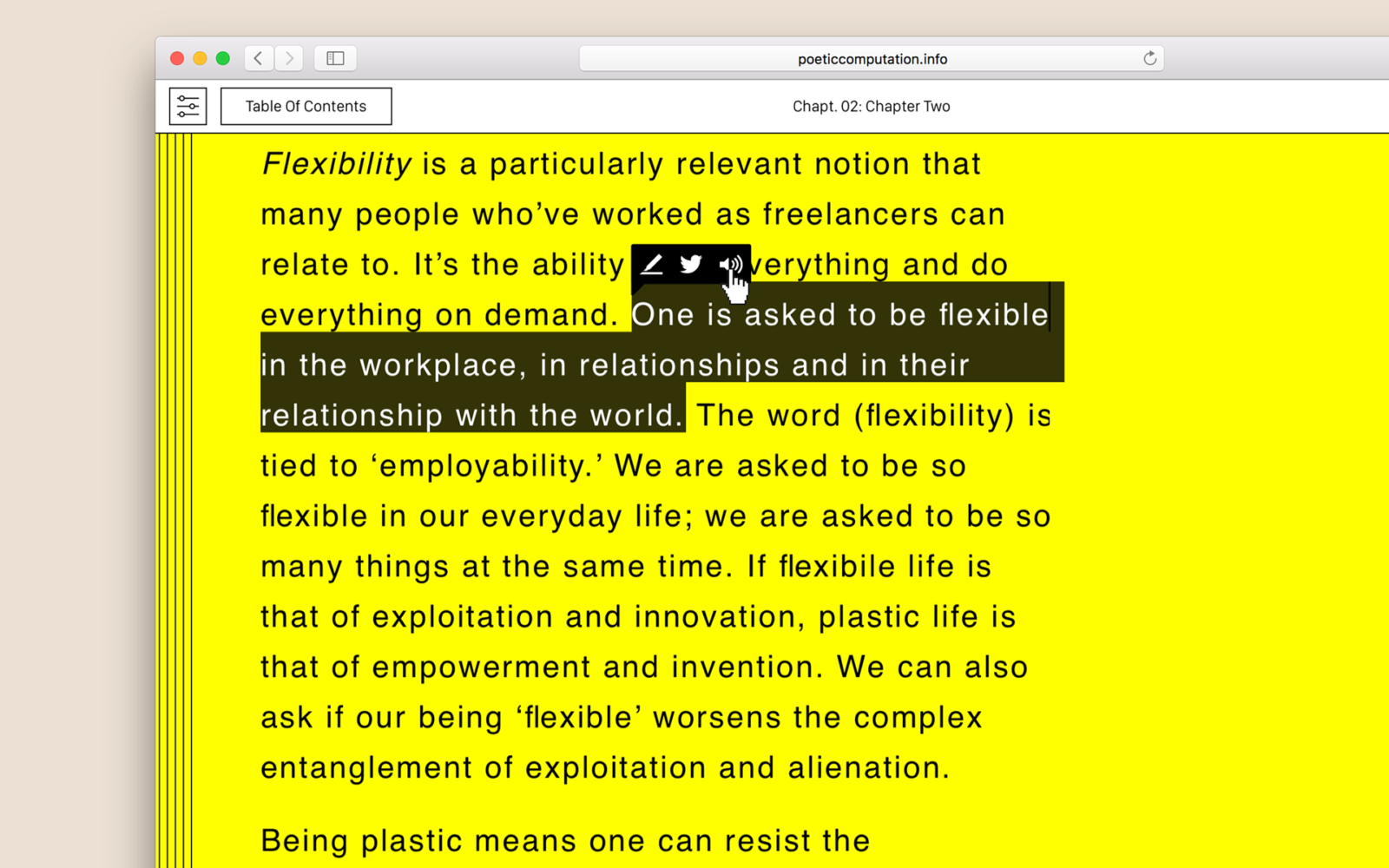
  • Poetic Computation: Reader – Code as a form of poetry and aesthetic
    Poetic Computation: Reader is an online-book about code as a form of poetry and aesthetic by Taeyoon Choi. Based on his lectures at the School for Poetic Computation, the book introduces the poetic aspects of computation and considers how engaging...
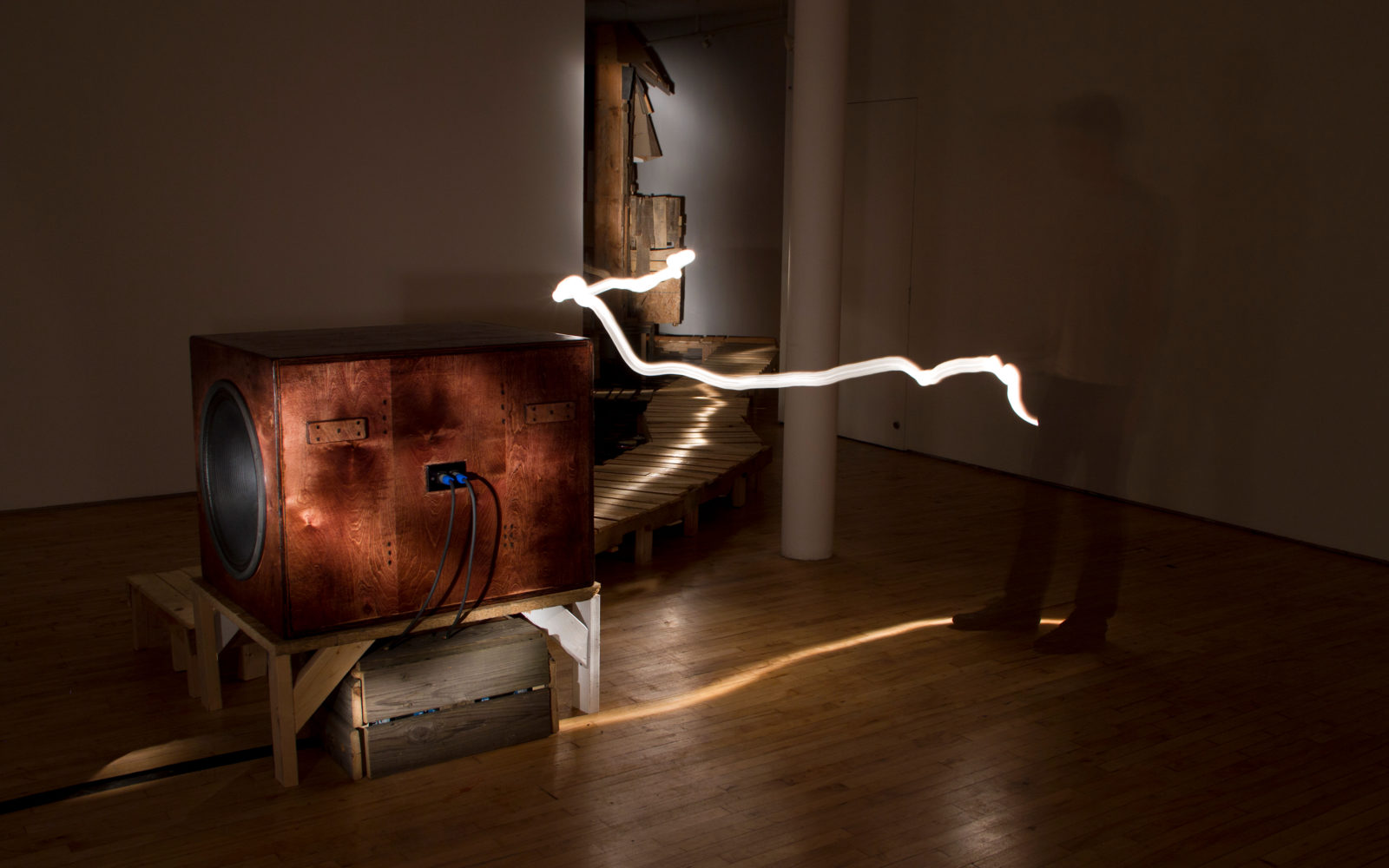
    Dread Bass – AUDINT’s alternate timelines reverberate with fear and death
    AUDINT is a European artist collective working across animation, installation, and publishing. Drawing on excerpts from an extended conversation with the group, we unpack their vision of the dystopian future-present and the nether zones that can b...
  • D16/08/2017
  • A@greg
  • C,
  • P
  • T
  • Queer Game Studies – an Alternative Lens for Reading Videogames
    “Queer Games Studies” is a recent collection of thematic essays published by the University of Minnesota Press that schematizes LGBTQ approachs to thinking about – and making – videogames.
  • D06/06/2017
  • A@greg
  • C,
  • Unhanded – A symposium about ‘making’ under the influence of digitalism
    Unhanded was a symposium about ‘making under the influence of digitalism’ that took place in Ottawa last September. CAN was on hand to facilitate one of the discussions, and to mark the publication of the videos online we offer some highlights and...
  • D22/03/2017
  • A@greg
  • C,
  • T
  • Performing Pedagogy –  A Conversation with Ruairi Glynn
    Interactive Architecture Lab founder Ruairi Glynn chats with CAN about the freshly-launched Design for Performance & Interaction (DfPI) programme at the Bartlett School of Architecture, University College London.
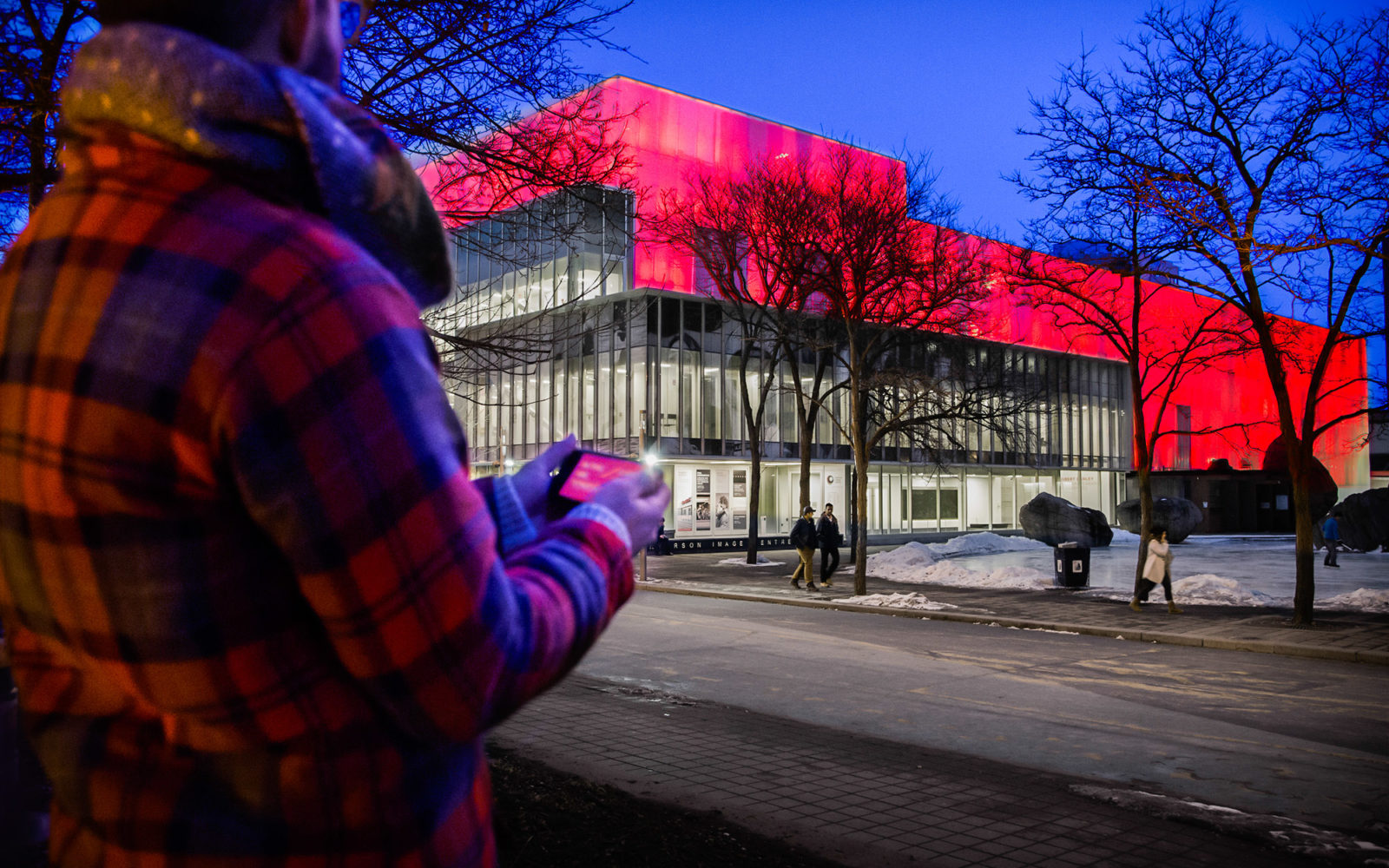
    After Urban Screens – Dave Colangelo on Massive Media
    Dave Colangelo, a researcher and artist focused on the role media plays in the city. An Assistant Professor at the Portland State University in the School of Theatre + Film, and a member of the Public Visualization Studio, Colangelo chatted with C...
  • D26/09/2016
  • A@greg
  • C
  • P
  • When the Machine Made Art – Grant Taylor traces the origins of computational creativity
    CAN interviews Grant D. Taylor, author of the 2014 book "When the Computer Made Art: The Troubled History of Computer Art," on the past, present and future of digital art.

  • D31/03/2016
  • A@greg
  • C
  • P
  • High-Speed Horizons – Counterfactual history of supersonic flight
    Created by Tim Clark at the Royal College of Art, Design Interactions, High Speed Horizons is a design-driven, critical exploration into technology, innovation, big thinking, and our constantly changing attitudes towards the three, told through pr...
  • D25/06/2015
  • A@Filip
  • C
  • P
  • Drone Aviaries & Field Guides – A Conversation with Superflux
    Superflux are a design and foresight consultancy based in London. Founded by Anab Jain and Jon Arden in 2009, the studio produces prototypes and films that are simultaneously prescient, and playful—and now they can add ‘magazine publisher’ to that...
    Pictus Interruptus and Other Notes on the Selfie
    Drawing on his expansive knowledge of the history of representation, artist and scholar Pablo Garcia ruminates on the significance of the selfie in response to the ‘New Perspectives’ theme of HOLO 1’s PERSPECTIVE section.
  • D03/10/2014
  • A@pablo
  • C
  • P
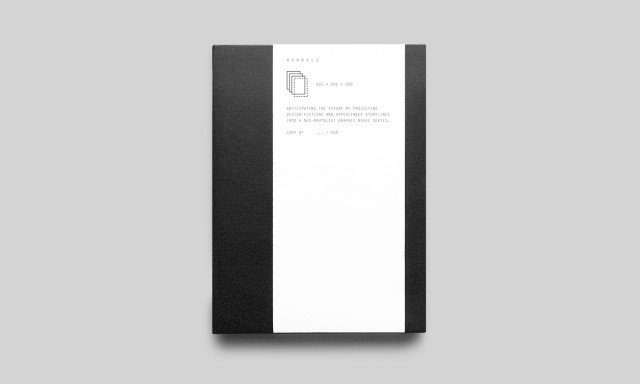
  • Delineating the Future – an interview with N O R M A L S
    CAN goes in-depth with the Paris-based 'anticipatory' design studio N O R M A L S to learn about their forthcoming dark, dense, and dizzying graphic novel series. Working process, representational techniques (that bridge illustration and code), an...
  • D06/12/2013
  • A@greg
  • C,
  • P
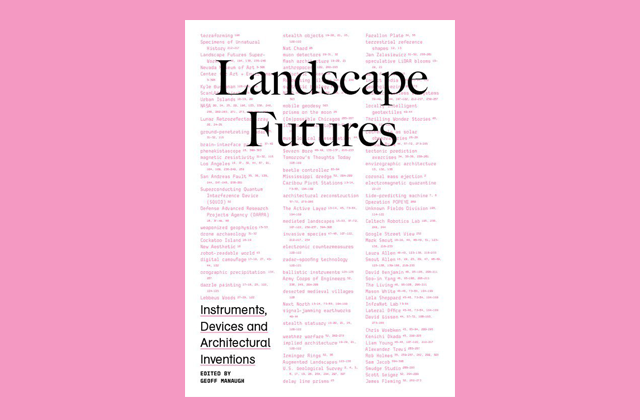
  • Landscape Futures – an interview with Geoff Manaugh
    Landscape Futures is a recent book edited by Geoff Manaugh that unpacks the wildest intersections of landscape architecture, technology and perception. CAN interviewed Manaugh about the book last week to provide a window into this ambitious curato...
  • D12/09/2013
  • A@greg
  • C,
  • P
  • Speculative Everything – Anthony Dunne at Resonate 2013 and UmK
    Continuing our documentation of Resonate 2013, it's a pleasure to present the talk of Anthony Dunne, professor and head of the Design Interactions programme at the Royal College of Art in London
  • D29/04/2013
  • A@Filip
  • C,
  • P
  • Social Networking With The Living Dead – Matt Pearson
    In this social networking microcosm where the living, content generators, the dead, automated bots, spammers all share a peaceful coexistence, Matt Pearson questions his "other" self who speaks his language and says just the kind of things he woul...
  • D29/04/2013
  • A@matt
  • C
  • P
  • T17 min read
  • No-one Ever Cried At A Website – Matt Pearson
    Guest writer Matt Pearson discussed the maturity of code as an artist medium in this first in the series article written for CAN and also published in ebook format.
  • D09/04/2013
  • A@matt
  • C
  • P
  • T11 min read
  • 10 PRINT – Single line of code as a lens through creative computing
    A collaboration between Nick Montfort, Patsy Baudoin, John Bell, Ian Bogost, Jeremy Douglass, Mark C. Marino, Michael Mateas, Mark Sample, Noah Vawter and Casey Reas, 10 PRINT is a book about a one-line Commodore 64 BASIC program.
    Predictive Capital – Roads to terminal alienation, soil to server farm, reason to vibe
    So-called ‘AI’ —more accurately: Predictive Capital— is the latest instrument in Capital’s apparatus of alienation. It steals our work, simulates our labour, reanimates our expression, autocompletes our thought, then pronounces us dead.
  • D09/06/2025
  • A@atomless
  • C,
  • P
  • T331 min read
  • Searching for the Afterparty – Where digital art goes when the cryptoart rave ends
    Cryptoart, like any revolutionary movement, began as a loud, anarchic disruption to the traditional art world, fueled by blockchain technology and a punk ethos. It was thrilling, noisy, boundary-pushing and chaotic like a rave. But as with all hard parties, the peak moment doesn’t last forever. The main event has now subsided. Digital artists, c...
  • D03/03/2025
  • A@zardozclub
  • C,
  • Not I – The voice, identity and the epistemic mirage of machine learning
    Not I explores the problematics at the heart of contemporary vocal forensics' use of statistical learning techniques. The work develops a form of investigative aesthetics which seeks to open up the epistemic assumptions that ground the development of these socio-technical objects through a 'counterculture' of machine learning.
    I!&3_OCR – Typographic experiments on human-only legibility
    Created by Christine Brovkina at the University of Bremen, I!&3_OCR is a typography project exploring human-only legibility. It comprises a series of typographic experiments with OpenType and Variable Fonts technologies, which are only readable by humans, and any attempt to recognise a text set in this typeface using OCR (Optical Character Recog...
    RGBFAQ – From Bell Labs to synthetic datasets and the new ‘technical debt’
    Latest in the series of video essays by an artist and researcher Alan Warburton, is 'RGBFAQ', tracing the trajectory of computer graphics from WW2 to Bell Labs in the 1960s, from the visual effects studios of the 1990s to the GPU-assisted algorithms of the latest machine learning models.
  • D21/06/2021
  • A@Filip
  • C
  • P
  • Beyond Smoke and Mirrors – Reflections on the ECAL Research Day 2019
    In November 2019, CAN joined the biannual ECAL Research Day to find out how methodologies borrowed from science and engineering can strengthen creative practice—and drive the conversation.
  • D14/02/2020
  • A@alexander
  • C, ,
  • P,
  • T23 min read
  • Document 1. – Symposium Report
    Report from the inaugural CAN-curated event series 'Document #.' examining new forms of cross-disciplinary art and design practice.
  • D25/07/2019
  • A@Filip
  • C,
  • P,
  • T30 min read
  • Artificial Imagination – Opening ‘the Black Box’ of Inscrutable AI Through Dialogue
    Artificial Imagination was a symposium organized by Ottawa’s Artengine this past winter that invited a group of artists to discuss the state of AI in the arts and culture. CAN was on hand to take in the proceedings, and given the emergence of documentation, we share videos and a brief report.
  • D01/05/2018
  • A@greg
  • C
  • Poetic Computation: Reader – Code as a form of poetry and aesthetic
    Poetic Computation: Reader is an online-book about code as a form of poetry and aesthetic by Taeyoon Choi. Based on his lectures at the School for Poetic Computation, the book introduces the poetic aspects of computation and considers how engaging technology with this lens can lead to new political possibilities.
    Dread Bass – AUDINT’s alternate timelines reverberate with fear and death
    AUDINT is a European artist collective working across animation, installation, and publishing. Drawing on excerpts from an extended conversation with the group, we unpack their vision of the dystopian future-present and the nether zones that can be conjured through sound and vibration.
  • D16/08/2017
  • A@greg
  • C,
  • P
  • T
  • Queer Game Studies – an Alternative Lens for Reading Videogames
    “Queer Games Studies” is a recent collection of thematic essays published by the University of Minnesota Press that schematizes LGBTQ approachs to thinking about – and making – videogames.
  • D06/06/2017
  • A@greg
  • C,
  • Unhanded – A symposium about ‘making’ under the influence of digitalism
    Unhanded was a symposium about ‘making under the influence of digitalism’ that took place in Ottawa last September. CAN was on hand to facilitate one of the discussions, and to mark the publication of the videos online we offer some highlights and thoughts on the proceedings.
  • D22/03/2017
  • A@greg
  • C,
  • T
  • Performing Pedagogy –  A Conversation with Ruairi Glynn
    Interactive Architecture Lab founder Ruairi Glynn chats with CAN about the freshly-launched Design for Performance & Interaction (DfPI) programme at the Bartlett School of Architecture, University College London.
    After Urban Screens – Dave Colangelo on Massive Media
    Dave Colangelo, a researcher and artist focused on the role media plays in the city. An Assistant Professor at the Portland State University in the School of Theatre + Film, and a member of the Public Visualization Studio, Colangelo chatted with CAN about media façades, public art, and Pokémon Go.
  • D26/09/2016
  • A@greg
  • C
  • P
  • When the Machine Made Art – Grant Taylor traces the origins of computational creativity
    CAN interviews Grant D. Taylor, author of the 2014 book "When the Computer Made Art: The Troubled History of Computer Art," on the past, present and future of digital art.
  • D31/03/2016
  • A@greg
  • C
  • P
  • High-Speed Horizons – Counterfactual history of supersonic flight
    Created by Tim Clark at the Royal College of Art, Design Interactions, High Speed Horizons is a design-driven, critical exploration into technology, innovation, big thinking, and our constantly changing attitudes towards the three, told through projected visions of alternative energies and flight.
  • D25/06/2015
  • A@Filip
  • C
  • P
  • Drone Aviaries & Field Guides – A Conversation with Superflux
    Superflux are a design and foresight consultancy based in London. Founded by Anab Jain and Jon Arden in 2009, the studio produces prototypes and films that are simultaneously prescient, and playful—and now they can add ‘magazine publisher’ to that list of outputs. A few weeks ago the studio announced the first edition of Superflux, a Wa...
    Pictus Interruptus and Other Notes on the Selfie
    Drawing on his expansive knowledge of the history of representation, artist and scholar Pablo Garcia ruminates on the significance of the selfie in response to the ‘New Perspectives’ theme of HOLO 1’s PERSPECTIVE section.
  • D03/10/2014
  • A@pablo
  • C
  • P
  • Delineating the Future – an interview with N O R M A L S
    CAN goes in-depth with the Paris-based 'anticipatory' design studio N O R M A L S to learn about their forthcoming dark, dense, and dizzying graphic novel series. Working process, representational techniques (that bridge illustration and code), and a critical reading of contemporary design fiction.
  • D06/12/2013
  • A@greg
  • C,
  • P
  • Landscape Futures – an interview with Geoff Manaugh
    Landscape Futures is a recent book edited by Geoff Manaugh that unpacks the wildest intersections of landscape architecture, technology and perception. CAN interviewed Manaugh about the book last week to provide a window into this ambitious curatorial (and now editorial) project.
  • D12/09/2013
  • A@greg
  • C,
  • P
  • Speculative Everything – Anthony Dunne at Resonate 2013 and UmK
    Continuing our documentation of Resonate 2013, it's a pleasure to present the talk of Anthony Dunne, professor and head of the Design Interactions programme at the Royal College of Art in London
  • D29/04/2013
  • A@Filip
  • C,
  • P
  • Social Networking With The Living Dead – Matt Pearson
    In this social networking microcosm where the living, content generators, the dead, automated bots, spammers all share a peaceful coexistence, Matt Pearson questions his "other" self who speaks his language and says just the kind of things he would say.
  • D29/04/2013
  • A@matt
  • C
  • P
  • T17 min read
  • No-one Ever Cried At A Website – Matt Pearson
    Guest writer Matt Pearson discussed the maturity of code as an artist medium in this first in the series article written for CAN and also published in ebook format.
  • D09/04/2013
  • A@matt
  • C
  • P
  • T11 min read
  • D04/12/2012
  • A@Filip
  • C,
  • P
  • 10 PRINT – Single line of code as a lens through creative computing
    A collaboration between Nick Montfort, Patsy Baudoin, John Bell, Ian Bogost, Jeremy Douglass, Mark C. Marino, Michael Mateas, Mark Sample, Noah Vawter and Casey Reas, 10 PRINT is a book about a one-line Commodore 64 BASIC program.
  • D13/11/2012
  • A@douglas
  • C,
  • P
  • T
  • T28 min read
  • D07/09/2012
  • A@greg
  • C,
  • P
  • 1-28 of 54

    Titles Predictive Capital – Roads to termina...
    So-called ‘AI’ —more accurately: Predictive Capital— is the latest instrument in Capital’s apparatus of alienation. It steals our work, simulates our labour, reanimates our expression, autocompletes our thought, then pronounces us dead.
    , Searching for the Afterparty – Where ...
    Cryptoart, like any revolutionary movement, began as a loud, anarchic disruption to the traditional art world, fueled by blockchain technology and a punk ethos. It was thrilling, noisy, boundary-pushing and chaotic like a rave. But as with all har...
    , Not I – The voice, identity and...
    Not I explores the problematics at the heart of contemporary vocal forensics' use of statistical learning techniques. The work develops a form of investigative aesthetics which seeks to open up the epistemic assumptions that ground the development...
    , I!&3_OCR – Typographic experiment...
    Created by Christine Brovkina at the University of Bremen, I!&3_OCR is a typography project exploring human-only legibility. It comprises a series of typographic experiments with OpenType and Variable Fonts technologies, which are only readable by...
    , RGBFAQ – From Bell Labs to synthetic ...
    Latest in the series of video essays by an artist and researcher Alan Warburton, is 'RGBFAQ', tracing the trajectory of computer graphics from WW2 to Bell Labs in the 1960s, from the visual effects studios of the 1990s to the GPU-assisted algorith...
    , Beyond Smoke and Mirrors – Reflection...
    In November 2019, CAN joined the biannual ECAL Research Day to find out how methodologies borrowed from science and engineering can strengthen creative practice—and drive the conversation.
    , Document 1. – Symposium Report
    Report from the inaugural CAN-curated event series 'Document #.' examining new forms of cross-disciplinary art and design practice.
    , Artificial Imagination – Opening ‘the...
    Artificial Imagination was a symposium organized by Ottawa’s Artengine this past winter that invited a group of artists to discuss the state of AI in the arts and culture. CAN was on hand to take in the proceedings, and given the emergence of docu...
    , Poetic Computation: Reader – Code as ...
    Poetic Computation: Reader is an online-book about code as a form of poetry and aesthetic by Taeyoon Choi. Based on his lectures at the School for Poetic Computation, the book introduces the poetic aspects of computation and considers how engaging...
    , Dread Bass – AUDINT’s alternate timel...
    AUDINT is a European artist collective working across animation, installation, and publishing. Drawing on excerpts from an extended conversation with the group, we unpack their vision of the dystopian future-present and the nether zones that can b...
    , Queer Game Studies – an Alternative L...
    “Queer Games Studies” is a recent collection of thematic essays published by the University of Minnesota Press that schematizes LGBTQ approachs to thinking about – and making – videogames.
    , Unhanded – A symposium about ‘making’...
    Unhanded was a symposium about ‘making under the influence of digitalism’ that took place in Ottawa last September. CAN was on hand to facilitate one of the discussions, and to mark the publication of the videos online we offer some highlights and...
    , Performing Pedagogy –  A Conversation...
    Interactive Architecture Lab founder Ruairi Glynn chats with CAN about the freshly-launched Design for Performance & Interaction (DfPI) programme at the Bartlett School of Architecture, University College London.
    , After Urban Screens – Dave Colangelo ...
    Dave Colangelo, a researcher and artist focused on the role media plays in the city. An Assistant Professor at the Portland State University in the School of Theatre + Film, and a member of the Public Visualization Studio, Colangelo chatted with C...
    , When the Machine Made Art – Grant Tay...
    CAN interviews Grant D. Taylor, author of the 2014 book "When the Computer Made Art: The Troubled History of Computer Art," on the past, present and future of digital art.
    , High-Speed Horizons – Counterfa...
    Created by Tim Clark at the Royal College of Art, Design Interactions, High Speed Horizons is a design-driven, critical exploration into technology, innovation, big thinking, and our constantly changing attitudes towards the three, told through pr...
    , Drone Aviaries & Field Guides – ...
    Superflux are a design and foresight consultancy based in London. Founded by Anab Jain and Jon Arden in 2009, the studio produces prototypes and films that are simultaneously prescient, and playful—and now they can add ‘magazine publisher’ to that...
    , Pictus Interruptus and Other Notes on...
    Drawing on his expansive knowledge of the history of representation, artist and scholar Pablo Garcia ruminates on the significance of the selfie in response to the ‘New Perspectives’ theme of HOLO 1’s PERSPECTIVE section.
    , Delineating the Future – an interview...
    CAN goes in-depth with the Paris-based 'anticipatory' design studio N O R M A L S to learn about their forthcoming dark, dense, and dizzying graphic novel series. Working process, representational techniques (that bridge illustration and code), an...
    , Landscape Futures – an interview with...
    Landscape Futures is a recent book edited by Geoff Manaugh that unpacks the wildest intersections of landscape architecture, technology and perception. CAN interviewed Manaugh about the book last week to provide a window into this ambitious curato...
    , Speculative Everything – Anthon...
    Continuing our documentation of Resonate 2013, it's a pleasure to present the talk of Anthony Dunne, professor and head of the Design Interactions programme at the Royal College of Art in London
    , Social Networking With The Living Dea...
    In this social networking microcosm where the living, content generators, the dead, automated bots, spammers all share a peaceful coexistence, Matt Pearson questions his "other" self who speaks his language and says just the kind of things he woul...
    , No-one Ever Cried At A Website –...
    Guest writer Matt Pearson discussed the maturity of code as an artist medium in this first in the series article written for CAN and also published in ebook format.
    , Artists in Laboratories (#A.I.L) R...
    We have already seen what CAN would be like if it was a magazine but what about Radio? Well, we are quite confident that if we ever did that, Artists in Laboratories on ResonanceFM by our dear friend Regine Debatty from WeMakeMoneyNotArt would mak...
    , 10 PRINT – Single line of code ...
    A collaboration between Nick Montfort, Patsy Baudoin, John Bell, Ian Bogost, Jeremy Douglass, Mark C. Marino, Michael Mateas, Mark Sample, Noah Vawter and Casey Reas, 10 PRINT is a book about a one-line Commodore 64 BASIC program.
    , On simulation, aesthetics and play: A...
    In 1958, the American physicist William Higinbotham created what is one of the first instances of what we would today call a modern “video game”. The game, named Tennis For Two, was built at the Brookhaven National Laboratory for their...
    , (General indifference towards) The Di...
    Emily Jacir – Mateiral for a Film How might we explain the ascent, pervasiveness and popular appeal of digital art? This is not the question that CUNY Graduate Center associate professor Claire Bishop chose to answer in her recent “Digital D...
    , Miebach and Posavec – Data, Vis...
    Visualizations are created to make data more legible. They are intended to give us a neutral portrait, so to speak, of how collections of data relate to each other. In so doing, they make information accessible to us that would otherwise be obscur...
    ,
    Chart
    Tags 3d, Artificial Intelligence, Digital, Digital Fabrication, Digital Media Bremen, ECAL Research Day, EPFL+ECAL Lab, Environment, Frieder Nake, GAN, Gender Politics, IRCAM, Innovation, LGBTQ, LLM, London, Manfred Mohr, Medialab-Prado, NFT, Ottawa, Reference, SFPC, Theory, UAL, University of Minnesota Press, Vera Molnar, Adversarial computing, Aesthetics, Aircraft, Algorithm, Architecture, Ars electronica, Art, Artengine, Audio, Austerity, Authorship, Autodesk, Automation, Bartlett, Belief system, Blockchain, Book, Camera, Capital, Capitalism, Cci, Choreography, City, Cloud computing, Code, Comic, Complexity, Computation, Computer vision, Conference, Consciousness, Conversation, Craft, Creative code, Creative computing institute, Creativity, Critical making, Cross-disciplinary, Culture, Cybernetics, Data, Data visualisation, Dataset, Dead media, Debug, Design, Design fiction, Design interactions, Document, Download, Drone, Ecology, Education, Ethics, Extraction, Feudalism, Fiction, Film, Future, Futures, Game, Generative, Graphic design, History, Holo 1, Holo-2, Humanity, Illustration, Installation, Interactive architecture lab, Interactive projection, Interview, Labour, Landscape, Learning, Lecture, Machine, Machine learning, Magazine, Make, Making, Media, Member submission, Mit media lab, Montreal, Narrative, Network, New york, Object, Ontology, Openai, Oppression, Painting, Pdf, Pedagogy, Peppers ghost, Philosophy, Photography, Physics, Pixel, Poetry, Politics, Poster, Prediction, Print, Privacy, Progress, Radio, Rca, Rca di, Reading, Representation, Research, Resist, Resonate, Review, Robotics, Royal college of art, School, Sculpture, Selfie, Simulation, Social, Social media, Software, Sonar, Speculation, Speculative design, Speculative fiction, Student, Surveillance, Sustainability, Symposium, Technology, Tool, Tools, Toronto, Typography, V&a, Vibe coding, Vibration, Video, Video game, Violence, Voice, Warfare, Wearable, Weather, Writing,
    Search Not enough results? Try: Search Term
    Go to articles