
Thanks to the omnipresence of computers, cell phones, gaming systems, and the internet, a broad audience has traded its past reservations against technology for an almost insatiable curiosity for all things technical. Against this background, unprecedented new tools and possibilities are opening up for the world of design. In addition to sketchbooks and computers, young designers are increasingly using programming languages, soldering irons, sensors, and microprocessors as well as 3D milling or rapid prototyping machines in their work. The innovative use of powerful hardware and software has become affordable and, most of all, much easier to use. Today, the sky is the limit when it comes to ideas for experimental media, unconventional interfaces, and interactive spatial experiences. A Touch of Code shows how information becomes experience. The book examines how surprising personal experiences are created where virtual realms meet the real world and where dataflow confronts the human senses. It presents an international spectrum of interdisciplinary projects at the intersection of laboratory, trade show, and urban space that play with the new frontiers of perception, interaction, and staging created by current technology. These include brand and product presentations as well as thematic exhibits, architecture, art, and design. The comprehensive spectrum of innovative spatial and interactive work in A Touch of Code reveals how technology is fundamentally changing and expanding strategies.
Activity Log
Join our Community to View/Add Comments.
Title
Excerpt
Metadata
Color
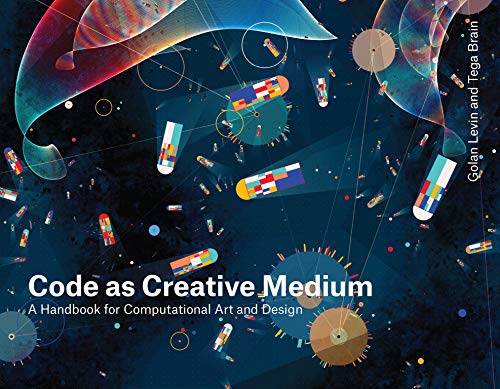
Code as Creative Medium: A Teacher’s Manual: A Handbook for Computational Art and Design – Golan Levin, Tega Brain
This book is an essential resource for art educators and practitioners who want to explore code as a creative medium, and serves as a guide for computer scientists transitioning from STEM to STEAM in their syllabi or practice.

What Algorithms Want: Imagination in the Age of Computing – Ed Finn
In What Algorithms Want, Ed Finn considers how the algorithm - in practical terms, "a method for solving a problem" - has its roots not only in mathematical logic but also in cybernetics, philosophy, and magical thinking.

Forty-Four Esolangs – The Art of Esoteric Code
Forty-Four Esolangs is a collection of Daniel Temkin's many approaches to esolangs—esoteric programming languages—showcasing the form’s limitless artistic potential.
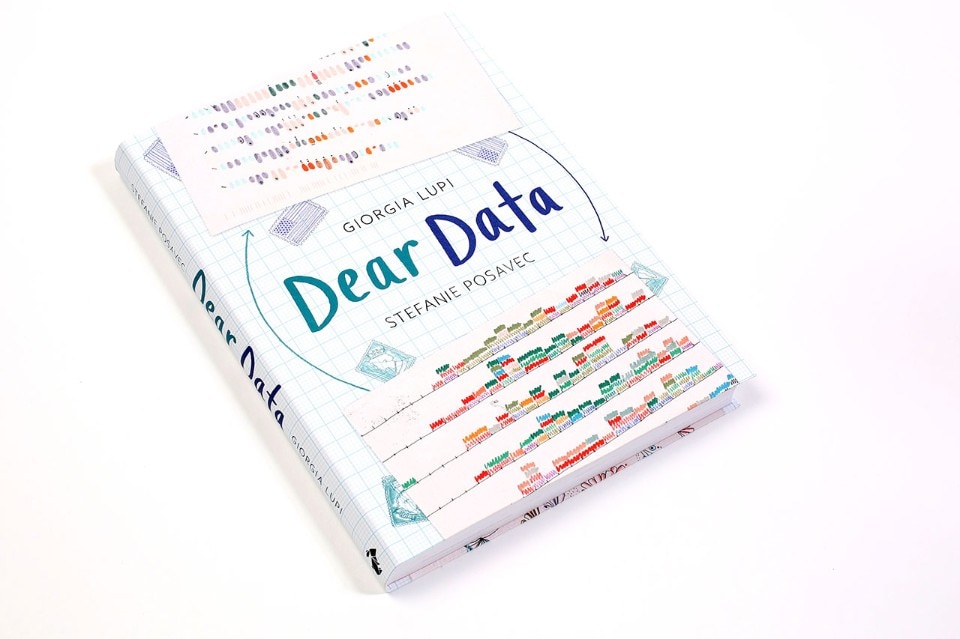
Dear Data – Stefanie Posavec, Giorgia Lupi
Presenting their fifty-two cards, along with thoughts and ideas about the data-drawing process, Dear Data hopes to inspire you to draw, slow down and make connections with other people, to see the world through a new lens, where everything and any...
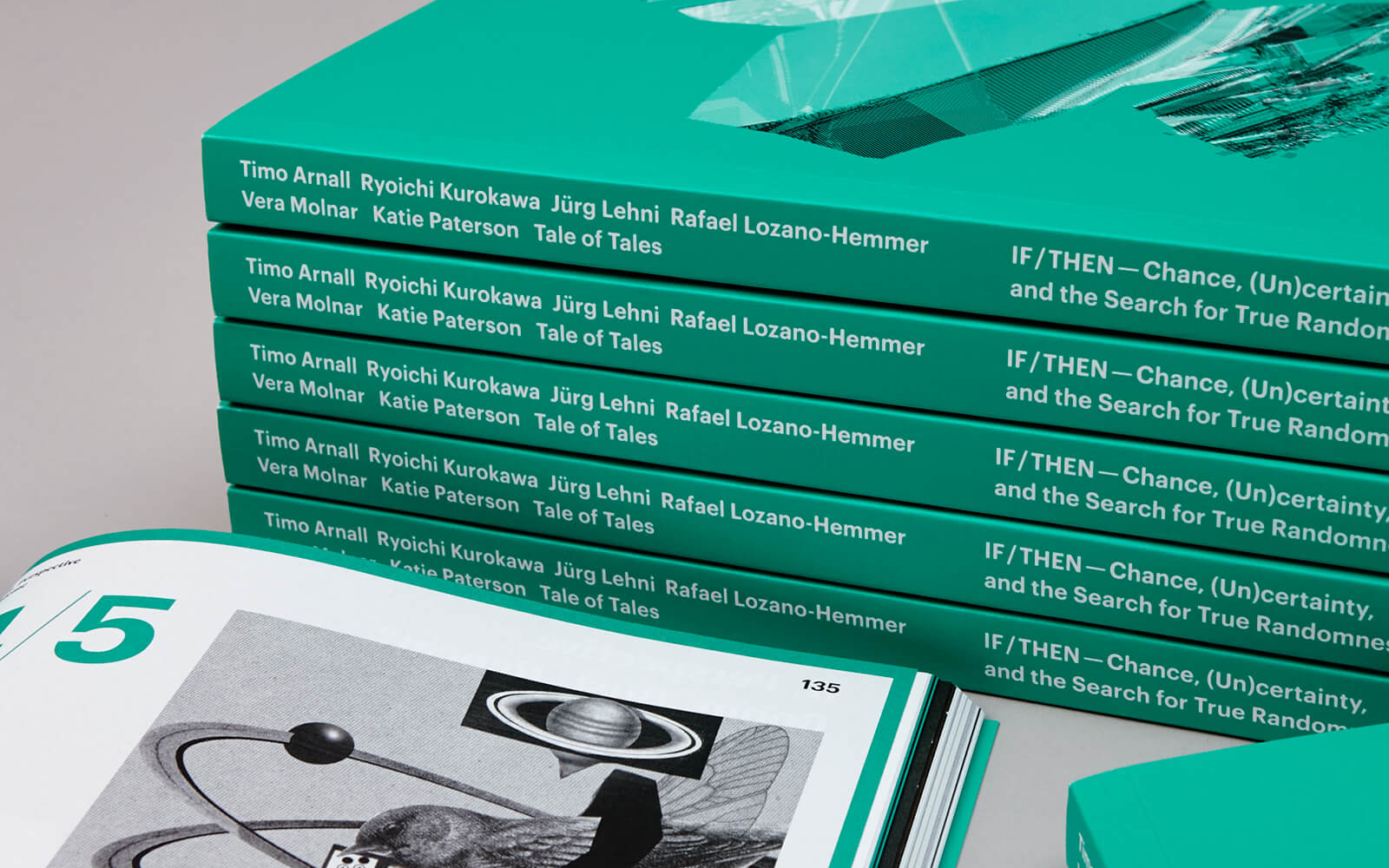
HOLO 2 – If/Then: True Randomness and False Certainty
Thirteen multidisciplinary thinkers probe the ubiquity of randomness across culture and science. Considering markets, weather systems, evolutionary leaps, and world generation in videogames, the invited contributors trace the contours of chance, ‘...
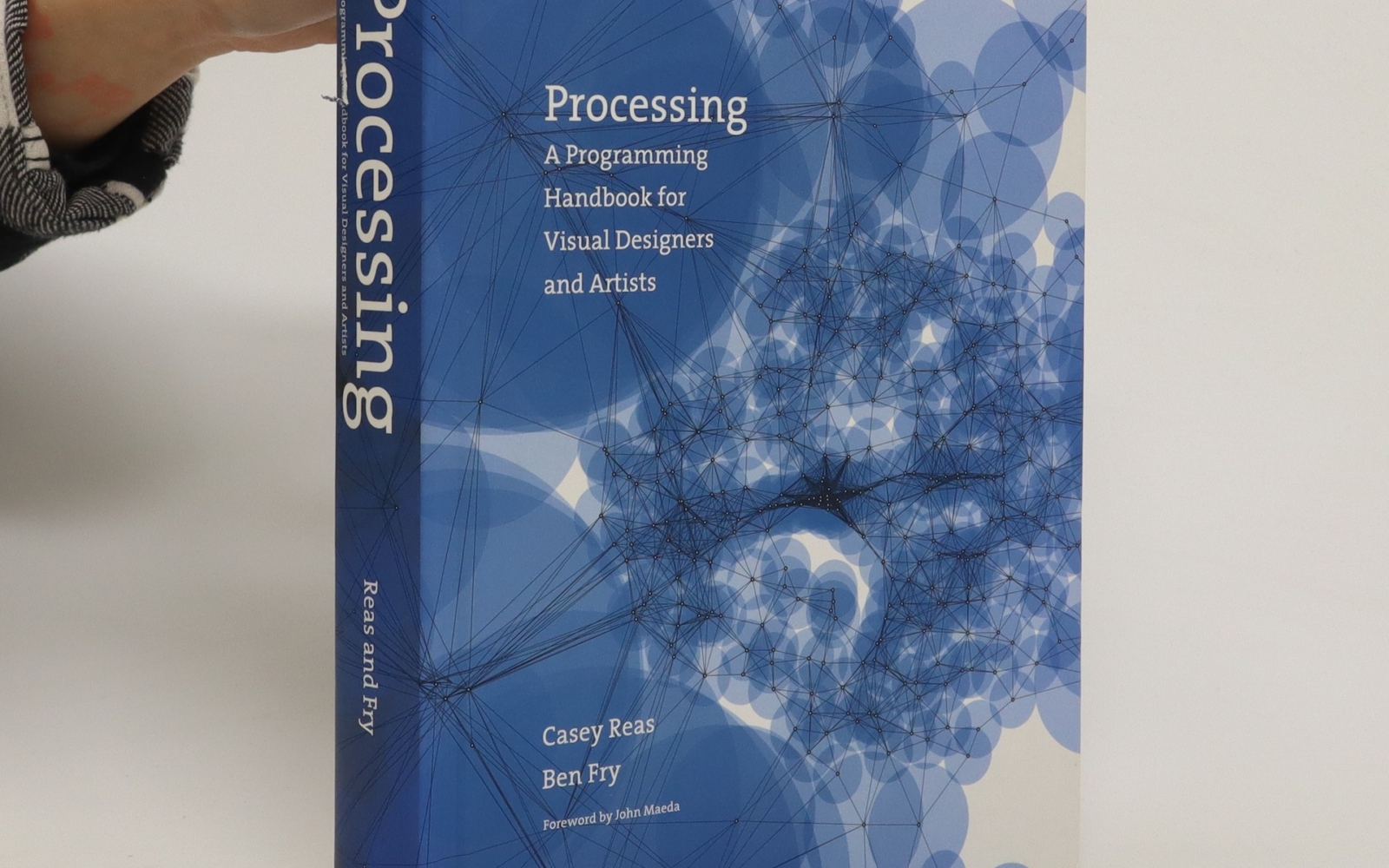
Processing: A Programming Handbook for Visual Designers and Artists – Casey Reas, Ben Fry
This book introduces this new literacy by teaching computer programming within the context of the visual arts. It offers a comprehensive reference and text for Processing (www.processing.org), an open-source programming language that can be used b...
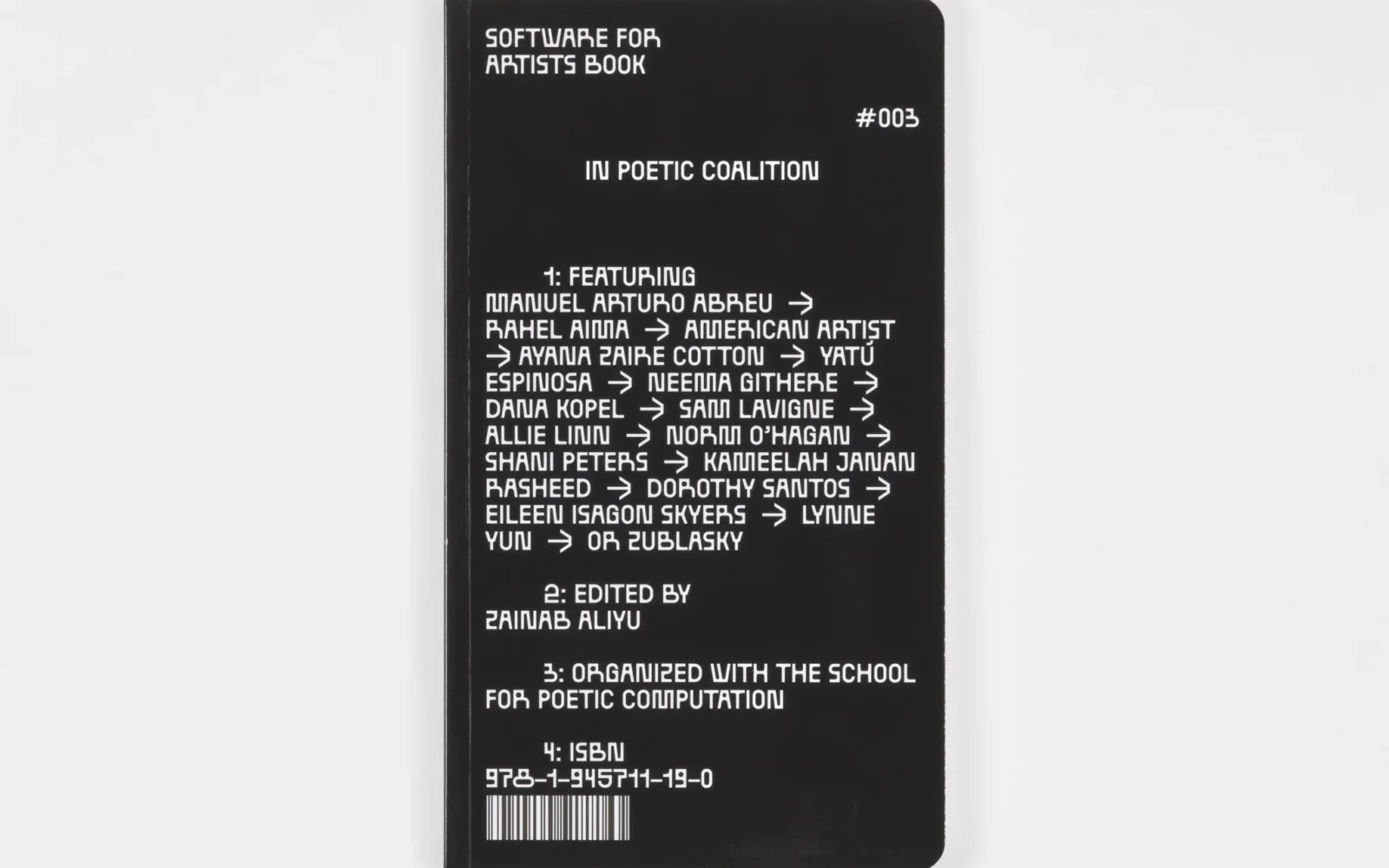
Software for Artists Book: In Poetic Coalition
This publication is a coalition — it brings together experiences of combined action. With a focus on labor organizing within the arts and tech industries, In Poetic Coalition explores the potential of creating alternative networks of education and...
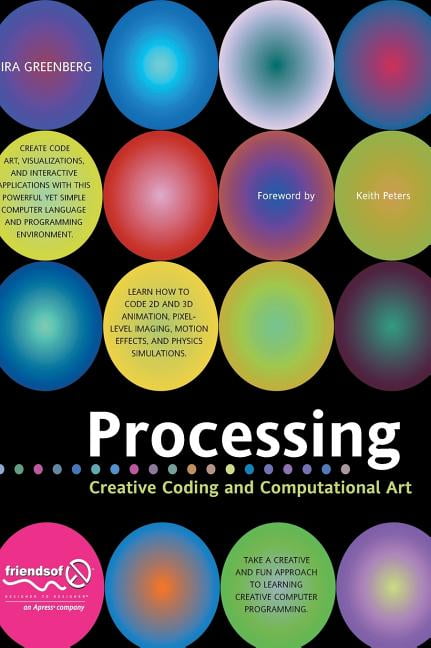
Processing: Creative Coding and Computational – Ira Greenberg
The book is intended as an introduction to programming for designers and artists using the Processing language and environment, a language designed ‘by artists for artists’ and available as open source.
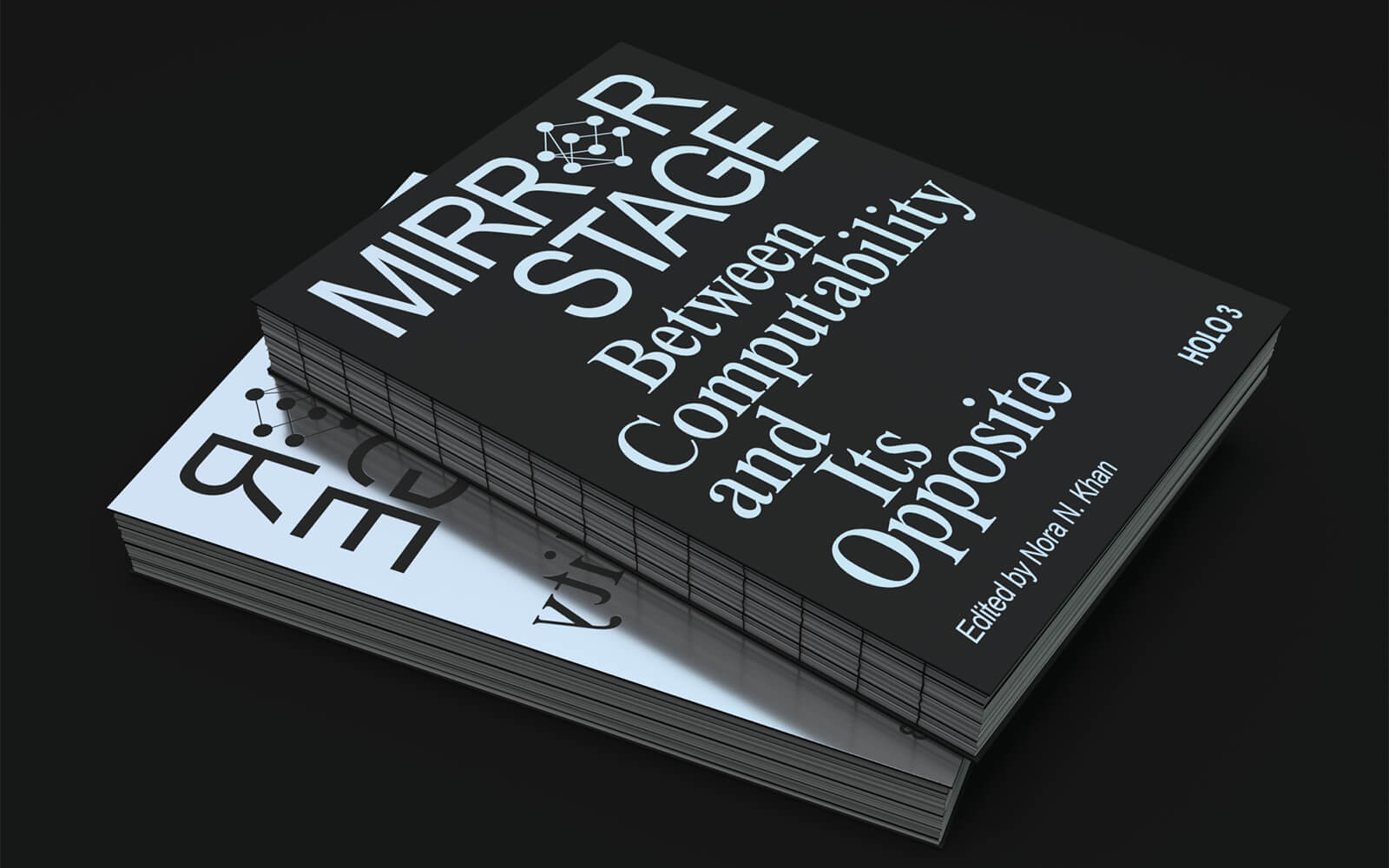
HOLO 3 – Mirror Stage: Between Computability and Its Opposite
Guest editor Nora N. Khan and fifteen luminaries question our problematic faith in and deference to AI. Exploring the limits of knowledge, prediction, language, and abstraction in computation, their collected essays and artworks measure the gap be...

The Nature of Code (p5.js) – Daniel Shiffman
The Nature of Code is a beginner-friendly creative coding tutorial that explores a range of programming strategies for developing computer simulations of natural systems—from elementary concepts in math and physics to sophisticated machine-learnin...
