Online for 6,384 days (17 years, 5 months, 24 days), published 4,118 articles about 2,880 people, featuring 194 tools, supported by 1,712 members, and providing access to 430 students.
STextCopy to Clipboard (Text) Title + (Year) + People + URL/ImageGenerate Image PNG File Download (1080x1920) Copy URL to Clipboard
In this first non-technical introduction to emerging AI techniques, artist Casey Reas explores what it’s like to make pictures with generative adversarial networks (GANs), specifically deep convolutional generative adversarial networks (DCGANs). This text is imagined as a primer for readers interested in creative applications of AI technologies. Ideally, readers will explore the strategies of this emerging field as outlined, and remix them to suit their desires. We hope to inspire future research and collaboration, and to encourage a rigorous discussion about art in the age of machine intelligence.
In What Algorithms Want, Ed Finn considers how the algorithm - in practical terms, "a method for solving a problem" - has its roots not only in mathematical logic but also in cybernetics, philosophy, and magical thinking.
Located at the intersections of art, science, and technology, the artistic practice of Ralf Baecker (born 1977 in Düsseldorf, lives and works in Berlin and Bremen) explores fundamental mechanisms of the digital, cybernetics, artificial neural netw...
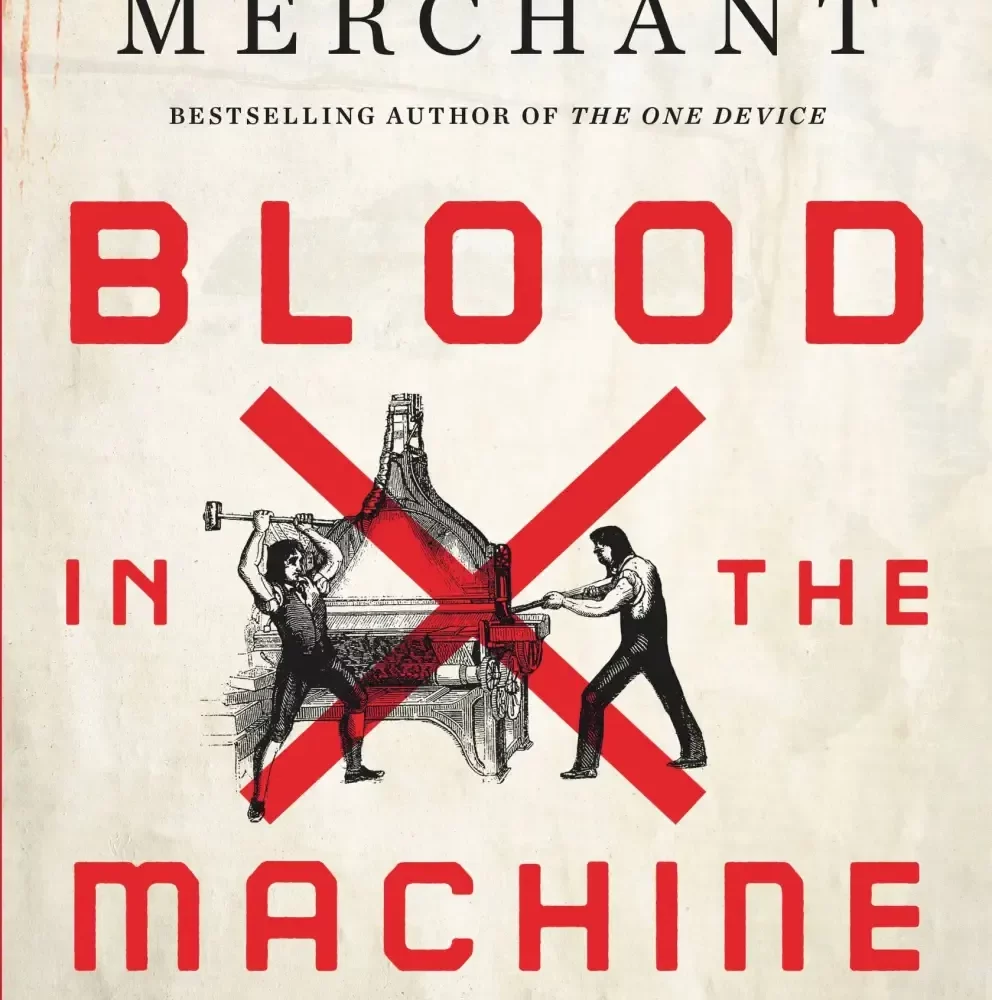
Today, technology imperils millions of jobs, robots are crowding factory floors, and artificial intelligence will soon pervade every aspect of our economy. How will this change the way we live? And what can we do about it? The answers lie in Blood...
Spanning borders between different worlds, histories, futures, and foundational models, Machine Decision is Not Final is a toolbox for constructing more global imaginaries for the future of AI.
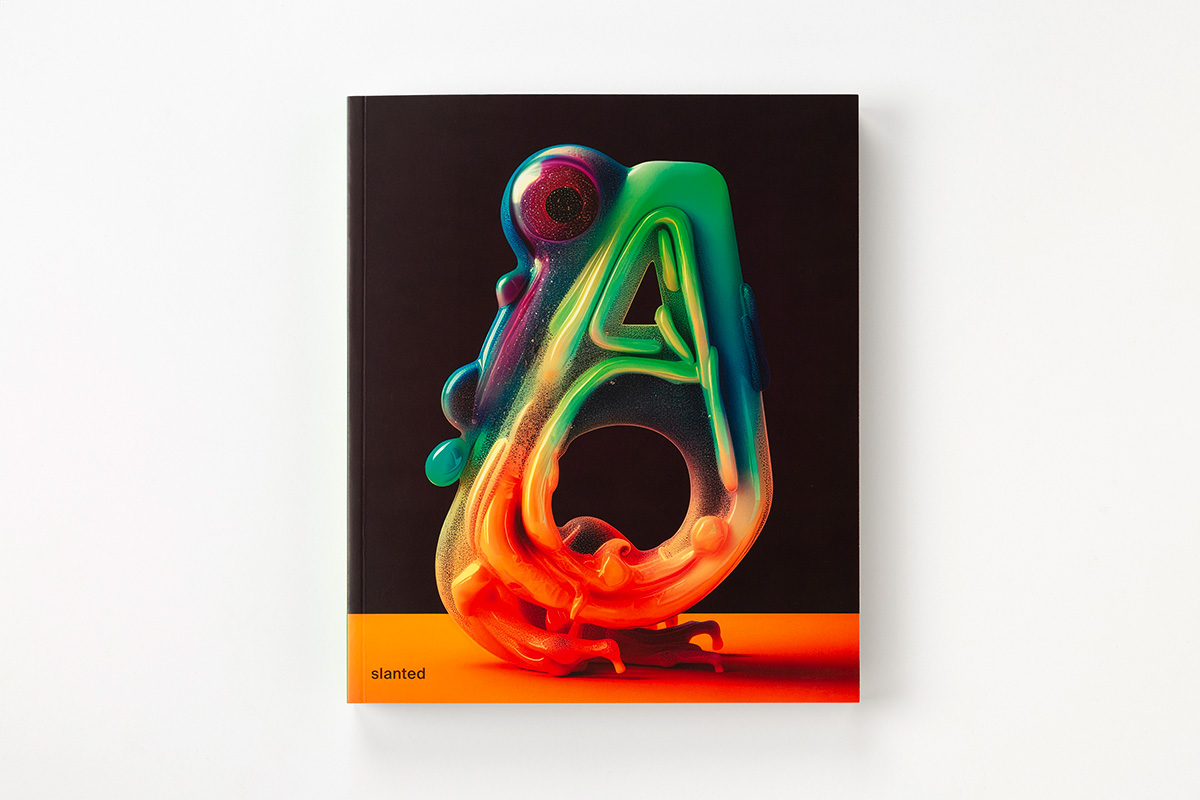
This book witnesses the birth of a co-creation era, urging a rethinking to craft a more human-centric future where AI magnifies human creativity, rather than replacing it.
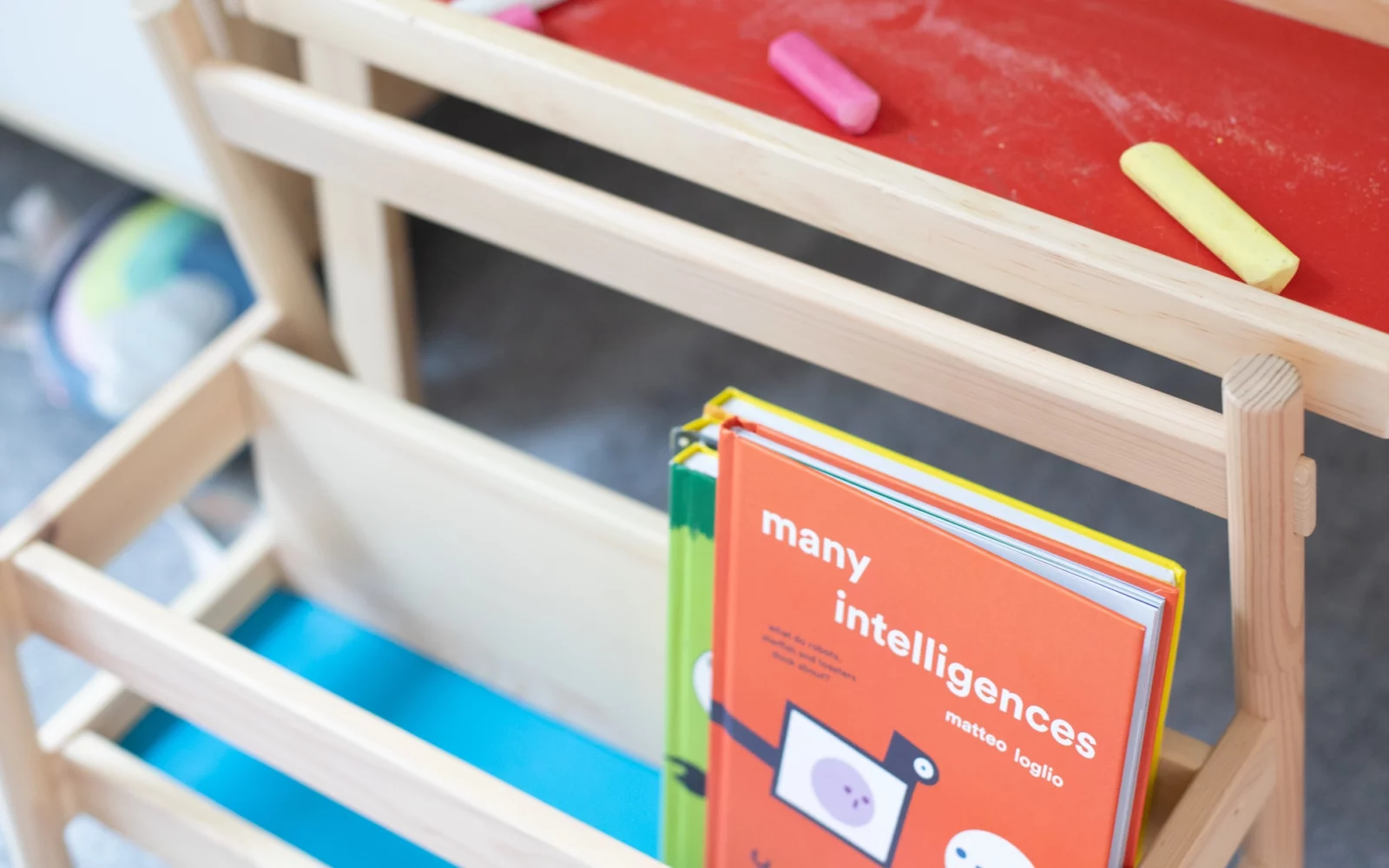
With Many intelligences, Matteo Loglio lets us peek into the future and imagine a world where pots, cars and toasters will be as intelligent as we are (or maybe even more so). Without forgetting our current task: being the most intelligent beings ...
The AI Anarchies Book sheds light on the debate surrounding AI and ethics from an artistic and scholarly perspective, exploring new approaches to the topic.
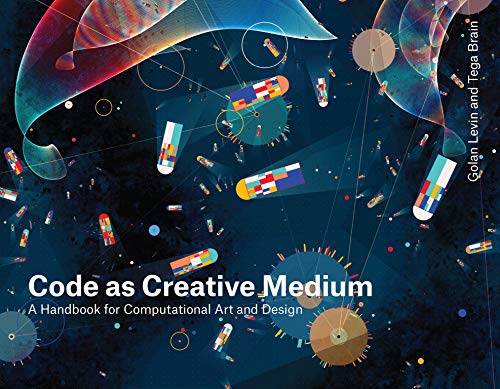
This book is an essential resource for art educators and practitioners who want to explore code as a creative medium, and serves as a guide for computer scientists transitioning from STEM to STEAM in their syllabi or practice.
We use cookies to ensure that we give you the best experience on our website. Please be aware that your experience may be disrupted until you accept cookies.