Emily Jacir – Mateiral for a Film
How might we explain the ascent, pervasiveness and popular appeal of digital art? This is not the question that CUNY Graduate Center associate professor Claire Bishop chose to answer in her recent “Digital Divide” article, published in the September issue of Artforum. Instead, Bishop conducts a broad survey to scan for acknowledgment (or at least trace elements) of ‘the digital everyday’ in contemporary art. In mounting this well-crafted consideration of technology and aesthetics, Bishop makes the rather dubious error of entirely dismissing “new media” art (her quotations, not ours) to instead focus on more traditional practices like sculpture, video and installation. Despite this questionable omission, this discussion is worth a glance for two reasons: first, it very capably schematizes some general categories for considering projects and practices in 2012, and secondly, the article has inspired a roster of A-list reactions that refute Bishop’s scope and reasoning.
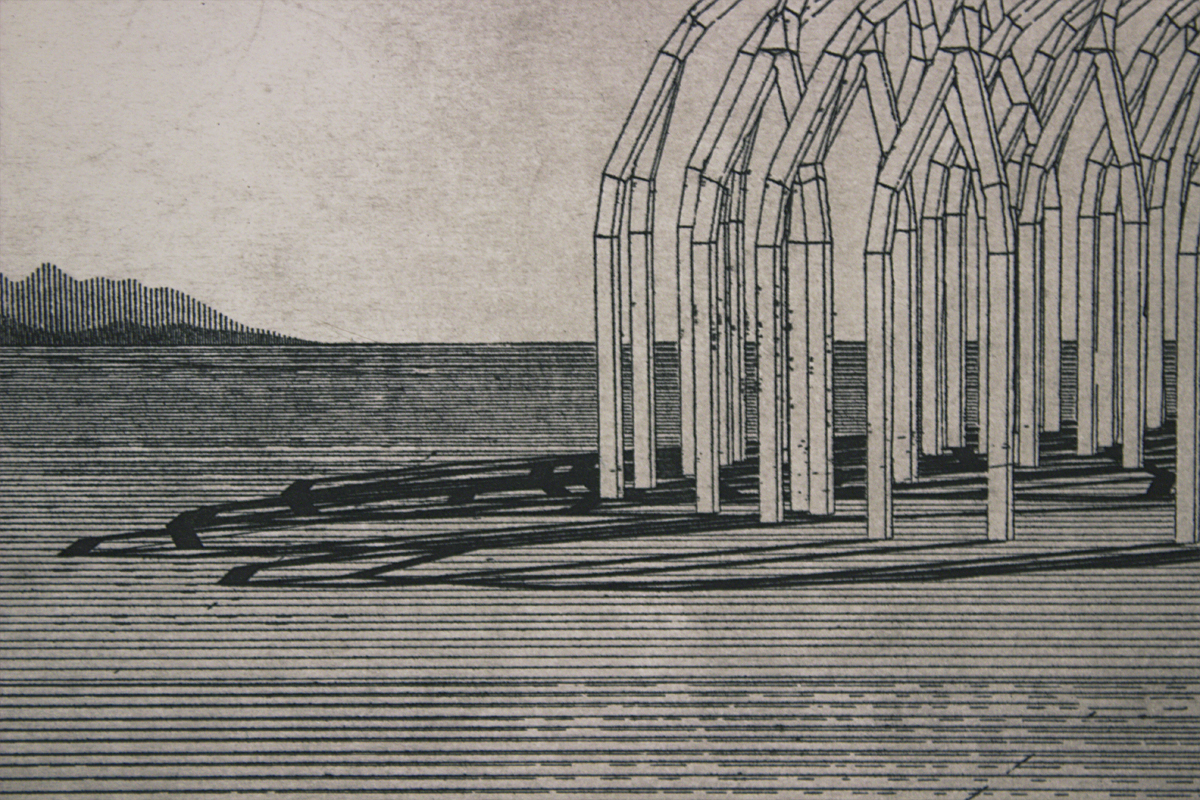
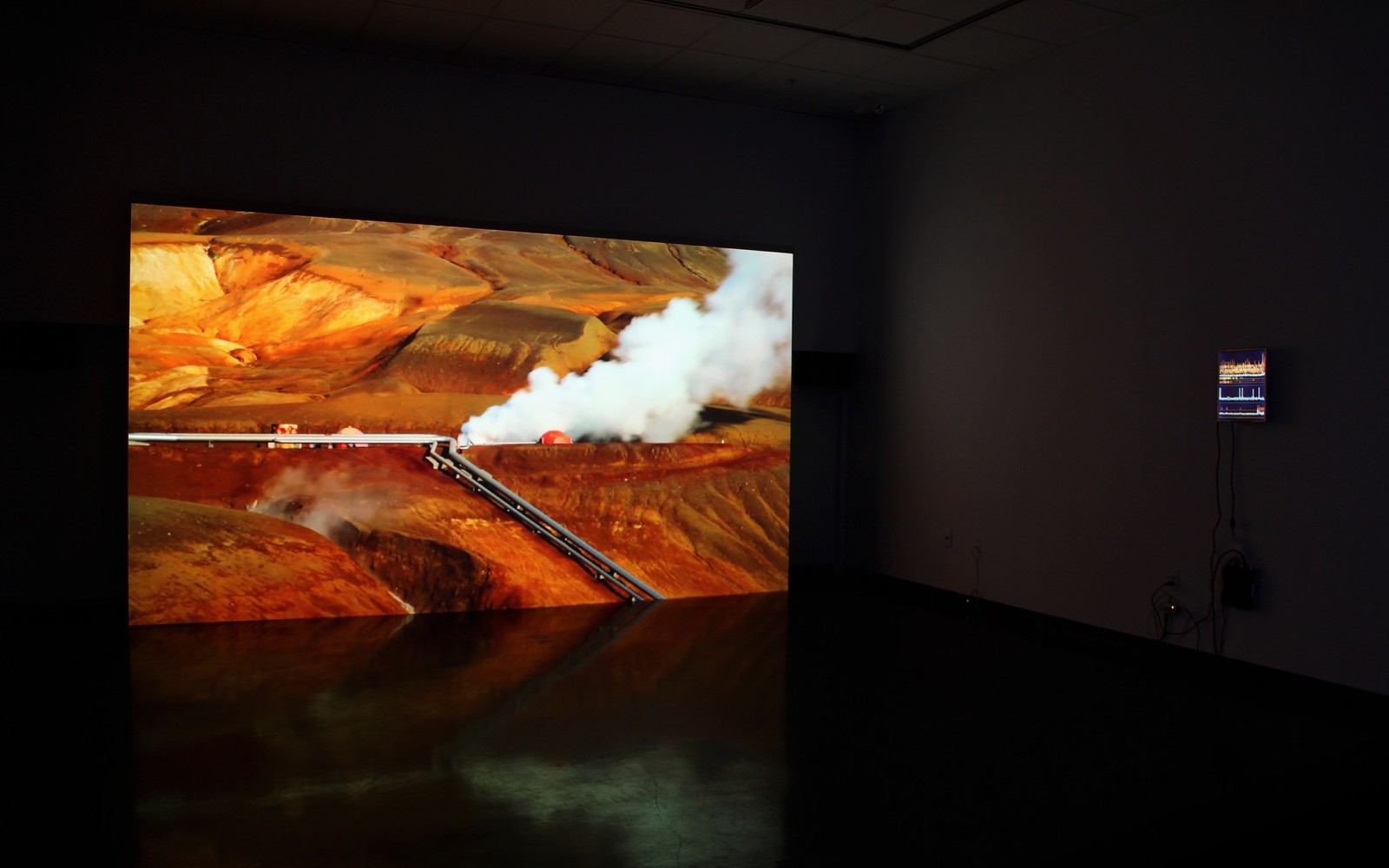
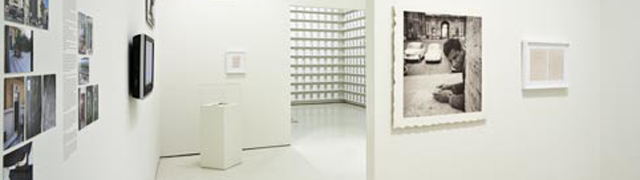
While Bishop’s analysis exudes a general sense of unease towards the social web and mediated experience she most certainly can translate the implications of these phenomena into a means of reading work. The bulk of her argument is a meticulous classification of the following themes explored by contemporary artists: media archaeology, social practice, remix culture, research-based practice and the artfully titled vernacular of aggregation (which scales up from individual projects to encompass curation as well). While it might be easy to turn up one’s nose at these fairly pedestrian categories when coming at this argument from a ‘been there, done that’ new media or creative technologist milieu, this is some whip-smart commentary. In particular, Bishop’s discussion of Thomas Hirschhorn’s meditation on haptic perception in Touching Reality (2012) and Emily Jacir’s “diaristic” Material for a Film (2004-07), that reconstructs the life of (assassinated) Palestinian poet Wael Zuaiter is rock-solid. However eloquent Bishop is in reading the selection of projects that she’s arranged, her undertaking goes off the rails when she describes code as “alien” and fumbles an analogy about file formats. With a little help from poet Kenneth Goldsmith, Bishop ultimately concludes that the role of the digital may be to “open up a new dematerialized, deauthored and unmarketable reality” and <gasp> perhaps even “signal the impending obsolescence of visual art itself”.
It is hardly surprising that these claims of a potentially “deauthored” reality were met with widespread disdain in media art circles. Bishop’s willful omission of approximately two decades of digital art allows her to rather conveniently examine her selected projects in a vacuum. Citing a recent curatorial decision at the Berlin Biennale to invite Occupy activists into an exhibition for the duration of a show is a great example of post Web 2.0/social platform networked performance, but one can’t help but note there is a whole body of work produced over the last eight years that actually interrogates and problematizes networks – structurally, representationally and experientially. Much of Bishop’s analysis is founded on projects that could be read as internalizing and emulating the logic of various facets of digital culture, and it is indulgent to dwell on these readings when there is virtuosic work and established practices that does explicitly address these topics. That said, why should digital artists, hackers, creative coders or <insert crude practice description here> even bother seeking vindication within the contemporary art world? What is to be gained? Jon Ippolito’s comment on the article was quite astute: call new media a niche field if you like, but “500,000 people are walking around with Scott Snibbe’s work on their iPads.” Julian Oliver was even more direct, noting that the rift that seems to block access to the contemporary art world is not an obstacle at all, and that we should all just keep focused on making stuff.
Read Article | note the stellar comments thread
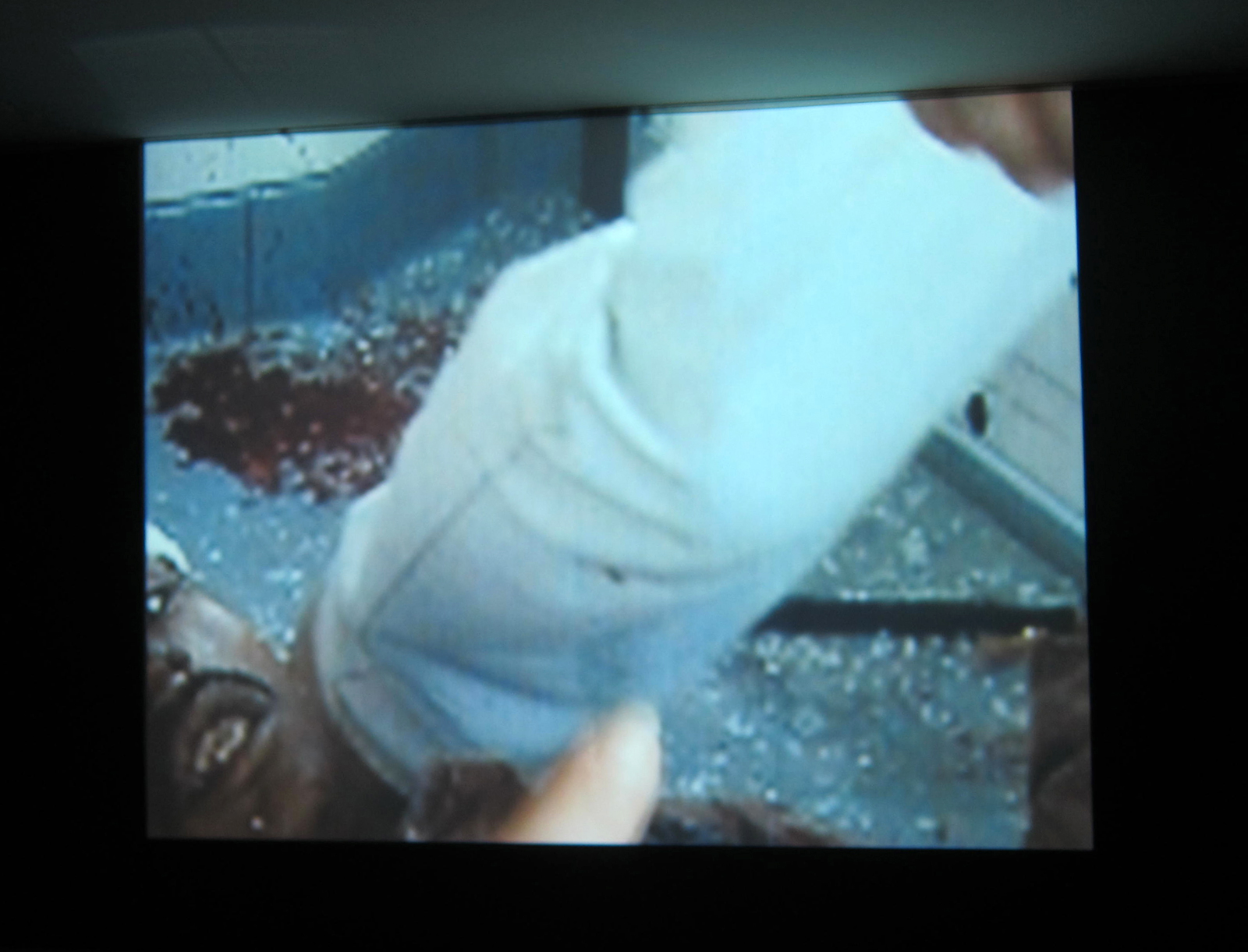
Thomas Hirschhorn, Touching Reality