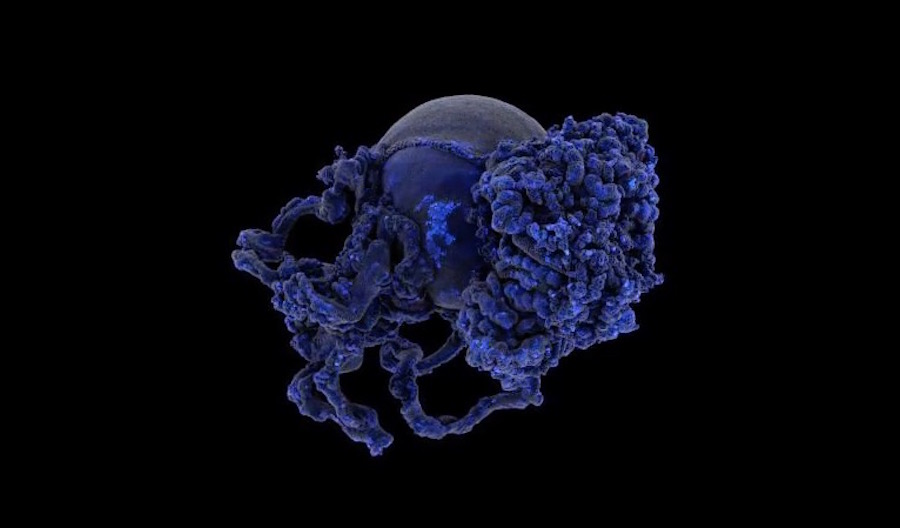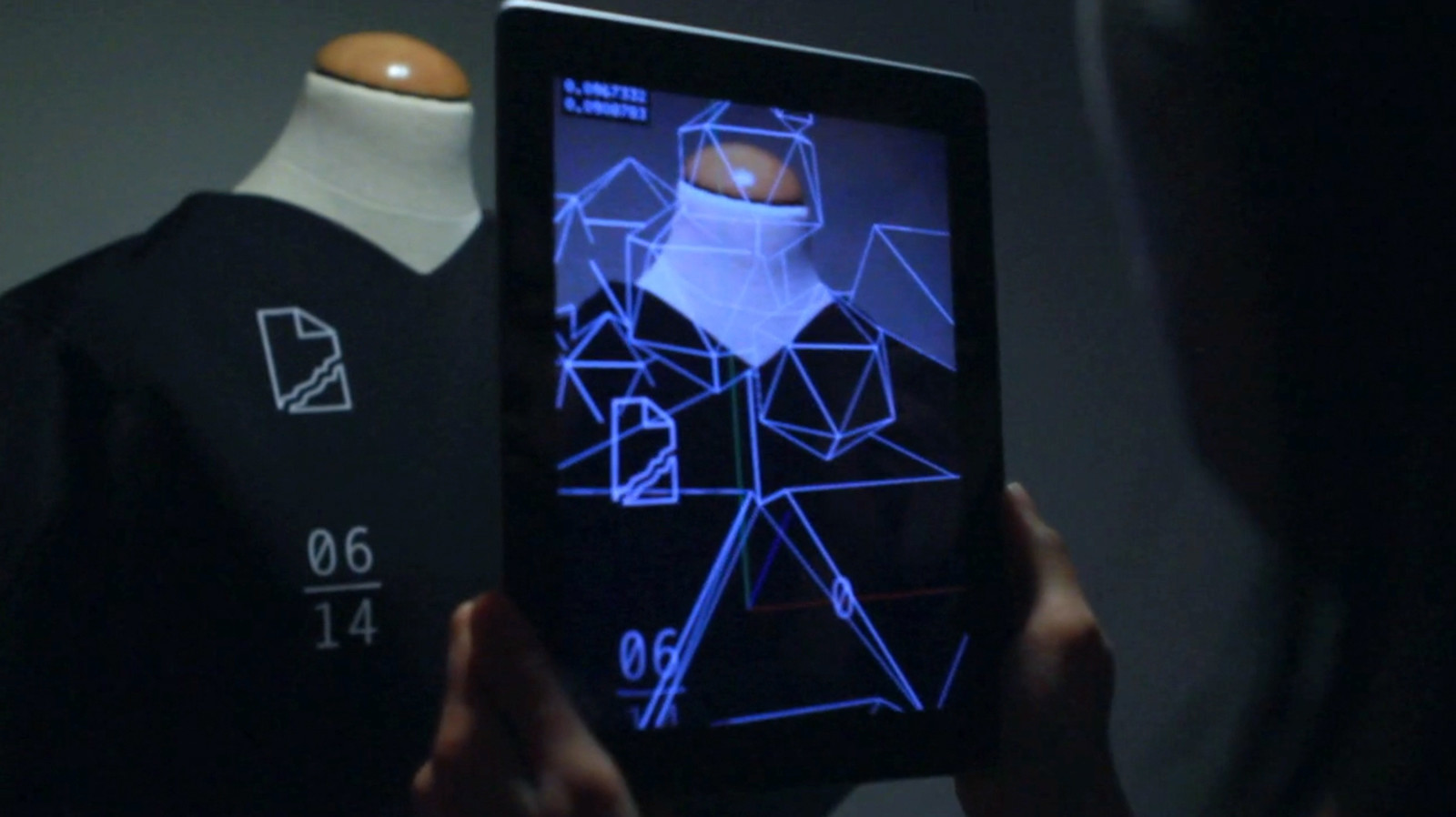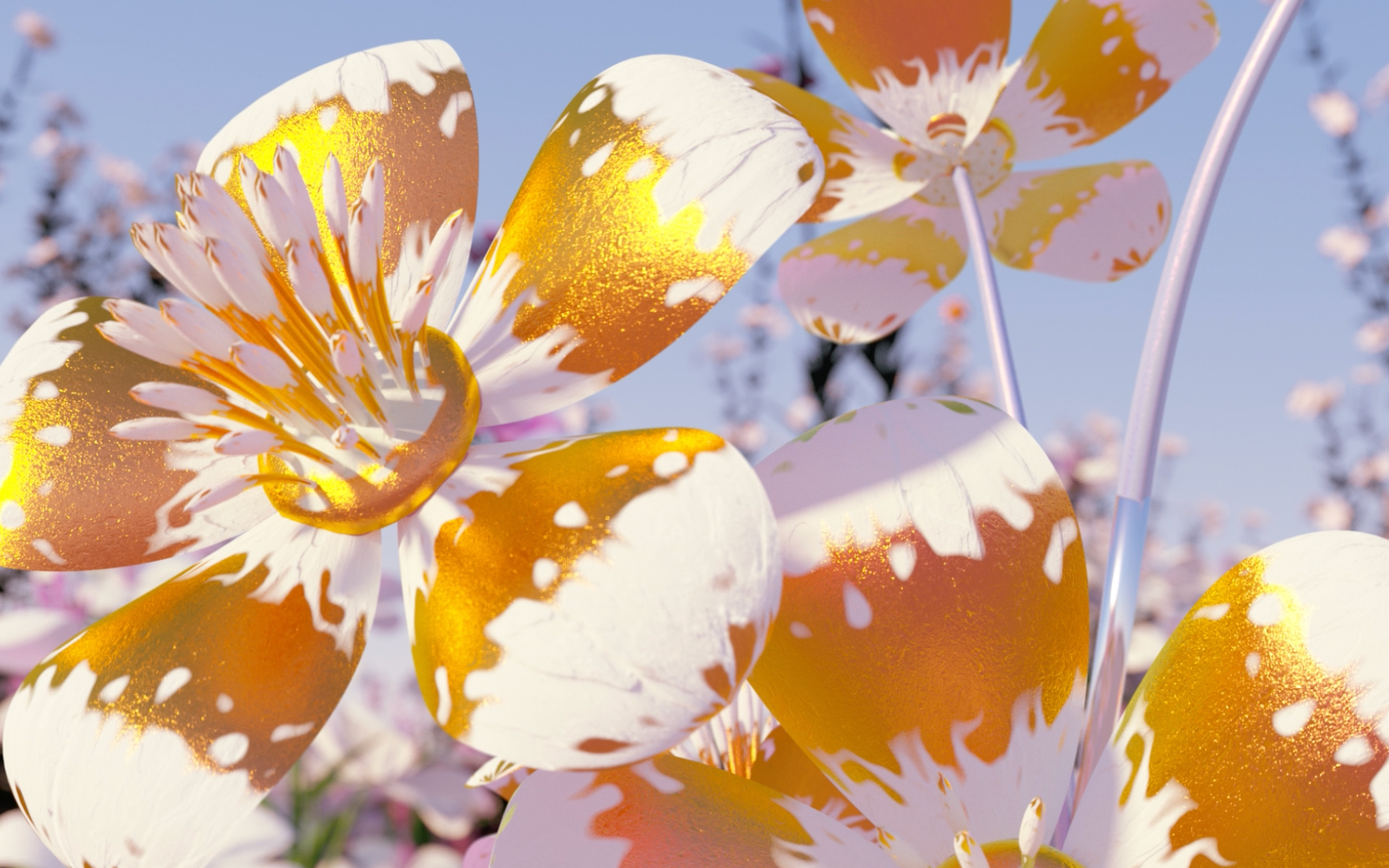
‘Grown’ by Cyrus Clarke, Non-Fungible Plants (NFPs) are living plants with data encoded within their DNA. Sitting at the junction of art, technology and nature, Non-Fungible Plants utilise cutting edge synthetic biology techniques to encode digital data, in this case NFTs, in plants. This points to a new way of storing data that isn’t just green; it’s carbon-absorbing.
The project aims to grow a community of ‘gardeners’ who are interested in seeing this vision come to life. Importantly it seeks to drive awareness to issues of ‘Data Warming’ – the carbon footprint of digital infrastructure, while pointing with optimism to a future where digital and biological data systems work together to create a more sustainable and even regenerative model for data infrastructure.
NFPs grow on NFP.garden, a 3D garden website with a ‘Low-Carbon’ mode. You can be part of the project by joining the playfully named ‘Pre-Seed Round’ (live until Jan 29th) or upcoming Seed Round, and collecting art to help NFPs grow.
What is a Non-Fungible Plant?
A Non-Fungible Plant, or NFP, is a biological equivalent of an NFT. Like many NFTs, an NFP can be seen as simultaneously an artwork and an asset. Depending on the file size, an NFP could host an artwork, or simply act as a certificate of ownership / authenticity.
While NFTs live on-chain, NFPs are in-plant. Since plants have life-cycles, NFPs are distributed via seeds and synthetic DNA. This represents an early experiment with the possibility of using biological computing as a low-carbon complement to data storage, data archival and blockchains.

How does the NFP project work?
The first phase of the project has now been unveiled with the launch of NFP.garden – a digital garden website. The website experience is designed to intrigue visitors with questions like “Imagine creating NFTs that are alive” while they scroll through the digital garden.
The project will roll out across a series of phases as part of a ‘growth plan’ which playfully uses terminology typically associated with the financial speculation of crypto and venture capitalists.
First up is the Pre-Seed Round (Live now on Artizen) where people can collect a beautiful digital artwork, fittingly a digital flower. This artwork is distributed as an open-edition NFT via the platform Artizen, with all funds matched by sponsors who seek to promote public goods and regenerative ideas.

Next, is a very literal Seed Round. Collectors will have the chance to grow digital seeds. But these are no ordinary digital seeds. Each seed will be unique and generated based on the collector’s wallet address or ENS. This wallet address will be stored and used for the next round – the IPO or Initial Plant Offering.
For the Initial Plant Offering, every wallet address from the Seed Round will be used to create a collective NFT and stored in the DNA of an actual plant. This means every participant in the Seed Round will be part of the first ever Non-Fungible Plant.

Why store data in DNA (and even plants)?
NFTs are stored on blockchains which are essentially computers running all the time, requiring enormous amounts of energy and creating CO2. These computers will eventually become obsolete and will need to be replaced, creating waste.
NFPs meanwhile are plants. They create their own energy and absorb CO2. When they reach the end of their life cycle, they reproduce and distribute multiple copies of themselves and gently decay without any waste. Most importantly they operate with DNA, the most durable, dense and fundamental system for information storage that we know of.
But how do you store data in a plant?

To create an NFP, we start with a digital file (like a JPEG) and convert the binary code (0s and 1s) of digital data into the language of DNA (A, T, C, G). Next, strands of DNA are created through a process known as DNA synthesis, ultimately transforming digital data into biological matter. This synthetic DNA can then be incorporated into the genome of an organism such as a plant through targeted genetic engineering techniques. Thereby seamlessly integrating digital data into a living breathing organism.
Using a small amount of digital data (in this case an NFT) does not affect the plant’s characteristics or interfere with the plant’s living processes. The data is furthermore stored in the non-coding regions, sometimes known as ‘junk DNA’, to avoid any disruption to the plant.
To retrieve the data, samples from the plant can be taken and sequenced using DNA sequencing technologies. The sequencer reads the order of the DNA bases (A, T, C and G) and can be fed to decoding software that can convert the sequence back to binary.
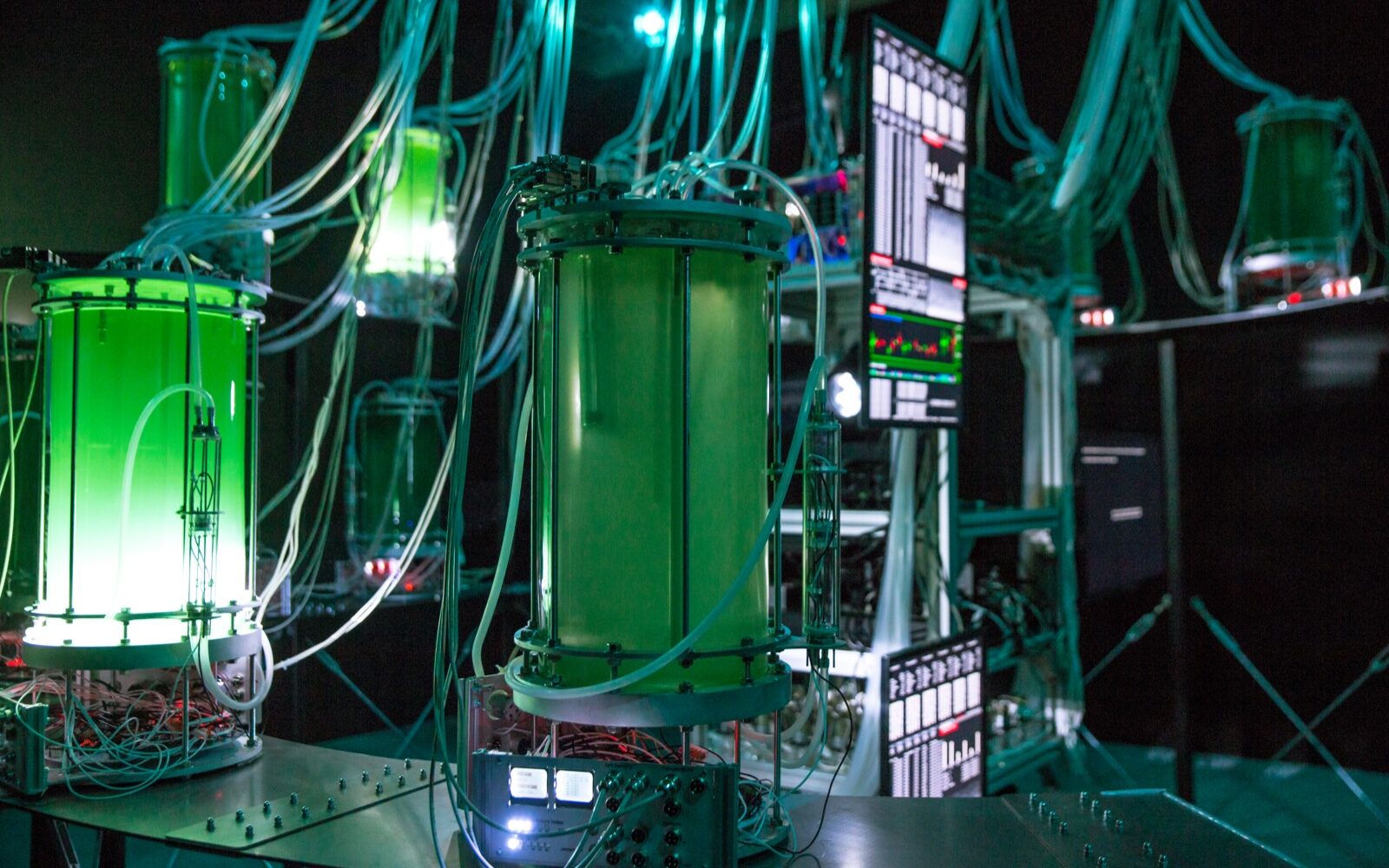
This process has been demonstrated in works such as The Data Garden by Grow Your Own Cloud (co-founded by Cyrus Clarke). Which exemplifies how digital files can be stored and retrieved from the DNA of plants.
xVision and future of NFPs
NFP is an early-stage research project with multifaceted deliverables. It pushes the boundaries of synthetic biology and Web3, contributes to pioneering research in DNA data storage, and offers a visionary perspective on how we can address the challenges of climate change
The first Non-Fungible Plant will be a collectively grown work of art, created and cared for by the community who literally helped it come into life. Following the Initial Plant Offering, the aim is to start growing NFPs regularly with creators, companies and causes, which in turn can help fund further research and improve the efficiency of the processes inherent to DNA data storage particularly in organisms. In the longer term, the goal is to make it possible for anyone to grow their own NFP, to encode their precious memories to share across generations in partnership with other species.
Non-Fungible Plants serves as a symbol for what can be. A new vision for technology that reconnects us with nature, while offering hope for futures, where our data can actually help to regenerate the planet.
Created with react and three.js / react three fiber.
Credits: Non-Fungible Plants is grown by Cyrus Clarke, with the support of Grow Your Own Cloud (GYOC) a collective of creatives, technologists and scientists exploring creative applications of DNA data storage since 2018. NFP.garden was developed in collaboration with Rifke Sadleir. 3D plants were created in collaboration with Chris Golden.