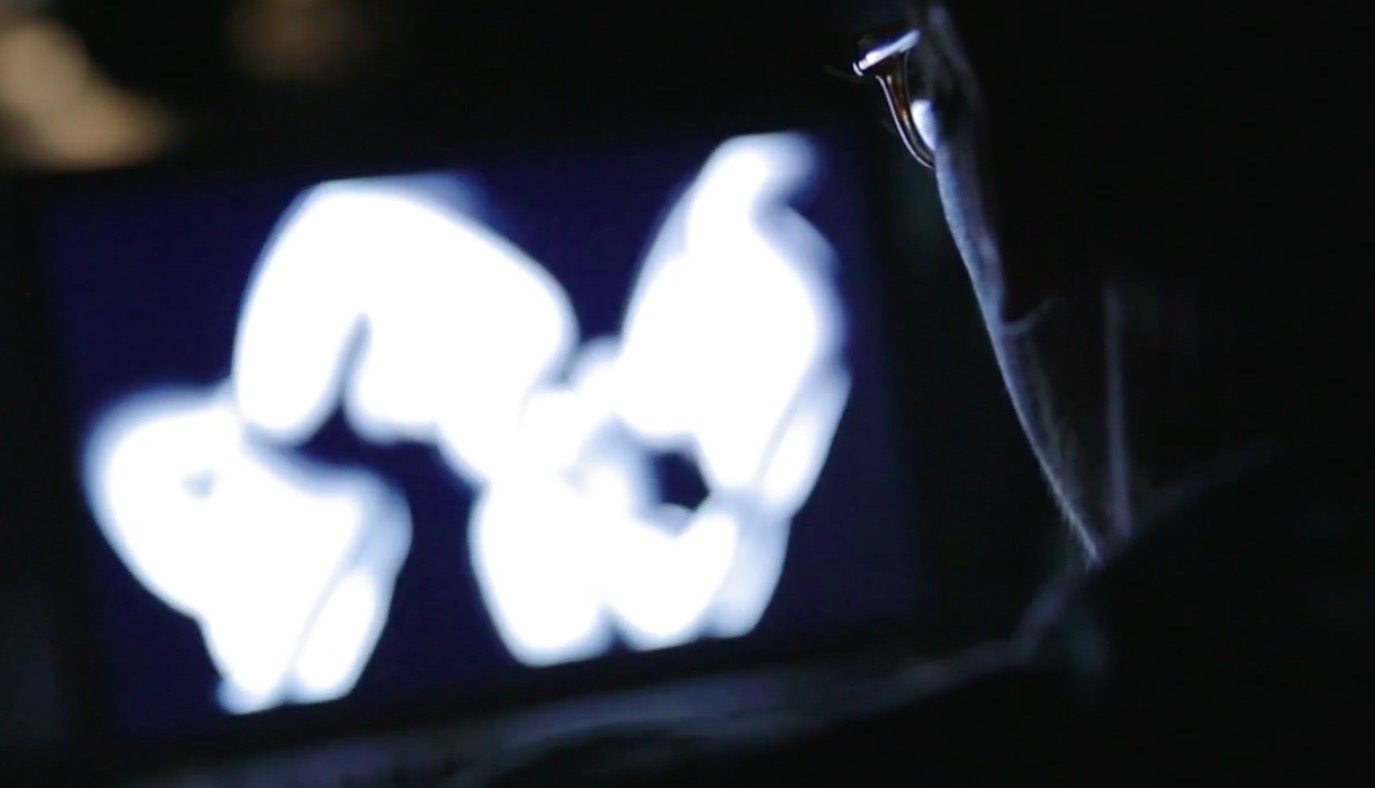
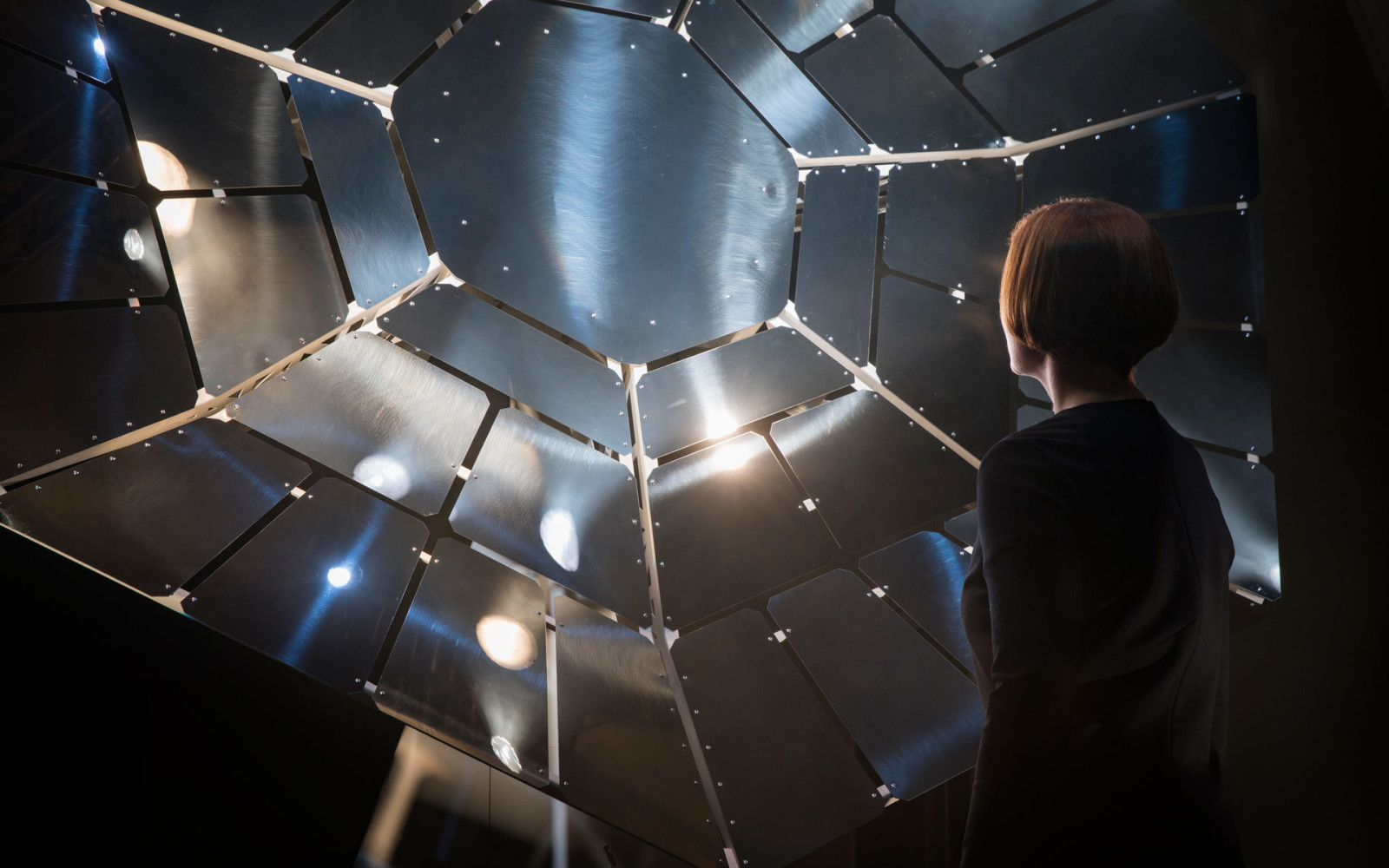
The Dromolux MA Design Interactions project at the RCA by Ludwig Zeller addresses the possible increase in cognitive performance of future generations. This device is a speed reading trainer that flashes words at a high pace using a strobe light and very short exposure.
For the members of an information society the ability to process large amounts of data is a necessity. Therefore, evolutionary processes and improvements in the development of so-called smart drugs are likely to raise the pace of our perception. But in a society predicated on the transfer and consumption of information, the wish for never-ending cognitive function will replace the desire for endless healthiness and beauty. How will the Digital Natives deal with this? What other kinds of services could emerge together with the future developments in smart drug medication?
The dromolux uses a 300W strobe light that is triggered by a simple analog relay from an arduino board. Using a strobe gives the dromolux its very bright and short word impulses. The words are rendered by a java program that uses the processing libraries.
The graphic output of the java program is rendered on a 19″ TFT panel that was taken from a normal monitor. The backlight unit of that monitor was removed and the strobe put behind the transparent TFT window. After displaying the next word on the monitor, the java program uses a serial command in order to trigger the strobe and make the content visible.
During the exhibition at the RCA the program read through roughly 260000 words of the Ulysses by James Joyce taken from the website of the Gutenberg Project. The device varies its pace every now and then, but all in all displays much faster then normal reading speed. Therefore its effect as a speed reading trainer. One run through the whole book takes about 2-3 hours at the exhibition space.
The case for the device was designed by Ludwig Zeller and modelled in Rhino with the help of product designer Jack Smith. It consists of two metal forms in 1mm aluminium that can be screwed together. The 3D model was unfold in Rhino and send to a laser cutting company. The bending and assembly has been done at the engineering workshop of the RCA.
The next steps of the project will be to have a look at other forms of extreme information processing and how that could even develop drug-like traits in future. Inspired by reports about already existing extreme cases of tics and addictions regarding information consumption habits in our present time, these devices and services will be put into derived fictive scenarios.
See also video of earlier version of the device below.
Ludwig Zeller | RCA Design Interactions
Previously: We Play Bodies [Inspiration, Objects]


photo above by dunneandraby