It’s a pleasure to announce to CAN readers that this amazing project I have been working on for the past year is now live and ready for your perusal. The Archigram Archival Project [AAP] makes the work of the seminal architectural group Archigram is now available free online for public viewing. The project was run by EXP, an architectural research group at the University of Westminster, where I teach, and was funded by the Arts and Humanities Research Council. This was also all made possible by the sheer generosity of members of Archigram and their heirs who allowed us to browse through the immense collection of work stored in the attics and basements and collected a total of around 10,000 images.
On Monday night was the official site launch and if you were following us on Twitter you would have seen a number of updates regarding the project. I am happy to say even with some major hick-ups just before the announcement (server power failure at the university), with about 150 attendees including collaborators, historians, journalists and fans, the launch was an absolute success. Mike and Dennis were not able to join us but they were there thanks to Skype with Dennis taking us through the different parts of the site. This was followed by Peter‘s talk on Archigram proteges with David also at the event, always in the mood to kick off an inspiring conversation.
We are incredibly pleased that now, finally after all these years, we can all enjoy the work of one of the ‘most seminal, iconoclastic and influential architectural groups of the modern age‘.
The extraordinary influence of the mainly unbuilt 1961-1974 architectural group Archigram is internationally acknowledged. Exhibitions of their work have been touring major institutions worldwide since 1992, they were awarded the RIBA Gold Medal in 2002, and they are recognised influences on many of the world’s greatest contemporary architects and buildings. Yet the bulk of their visionary work has to date remained difficult to access, largely stored in domestic conditions or temporary storage. In collaboration with the remaining members of Archigram or their heirs, and funded by a £304,000 grant from the Arts and Humanities Research Council, a team from the University of Westminster has formed an online, searchable database of all the available works of Archigram for study by architectural specialists and the general public.
I have collected few projects below, just to highlight how forward thinking Archigram were, foreseeing many things we enjoy and desire today. For full list of projects, make sure you visit archigram.westminster.ac.uk. Geoff Manaugh of BLDGBLOG has also written a wonderful post on his blog about the project which is a must read. For now, I leave you with 7 fantastic but much less known projects somewhat related to CAN.
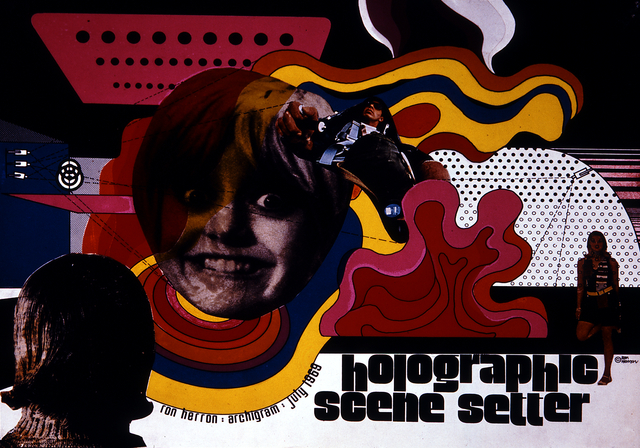
Holographic Scene Setter
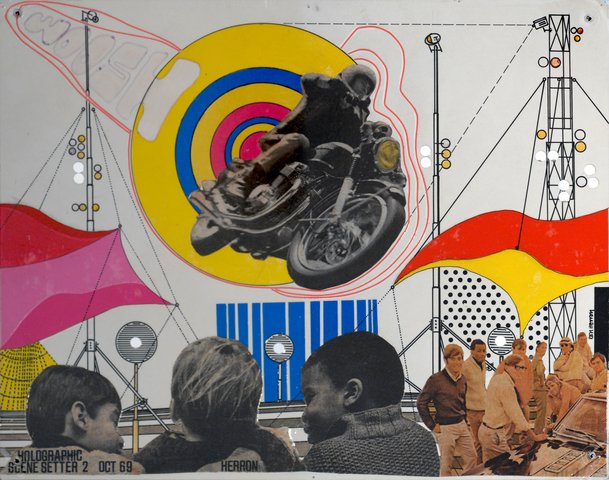
Speculative proposal for holographic projection of environments, or virtual reality environment. Part of the Instant City project.
I had a holographic scene setter – a light space – switch on/walk around/3D/walk thro’/Hollywood Boulevard in my TV room/Death Valley on my patio/Tahiti in my pad/Laurel and Hardy in the morning/The ‘Who’ at night … change film – new environment/switch on/off/there – not there … what’s real/it’s observable/it’s real when it’s there/is it a dream? – a ghost? – a turn-on? … Holographic ceiling – cloud – rainbow – cloud – people – John (pee on your shoes) – scenery – event – television … great … switch on the people/turn on the crowd/bring in the whole scene … turn off the ceiling. more
Media Experiments 1-2, 1968
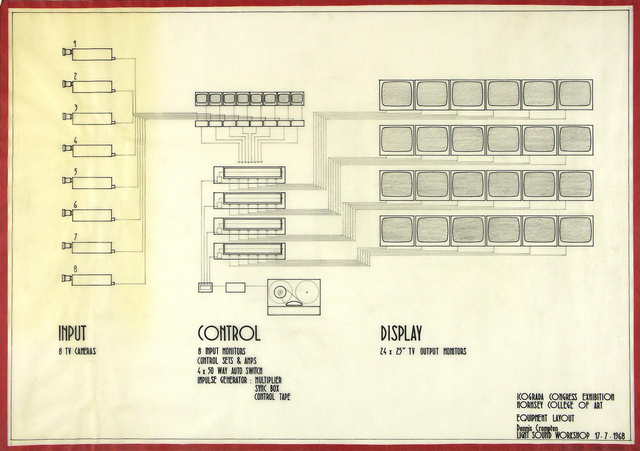
Light/Sound Workshops: television display system set up as an experiment in multi-channel and multi-media display with streams of images flickering across grouped screens.
A far more flexible medium is T.V. which, at the moment, is still normally thought of the single channel box, but which whilst utiliising other media such as film as content allows us far more opportunity for selection. If we then consider T.V. used in display systems monitoring a number of channels concurrently from a variety of sources, both from national and international news and entertainment networks and also from personal close-circuit and video-tape and even generated by computer, we can see what colossal potential there is in the medium. So in the not so distant future we can expect to have to deal with the multi-channel multi-media situation both professionally and as an involved audience in our own homes, and one suspects at times the distinction between producer, and audience may become blurred. more
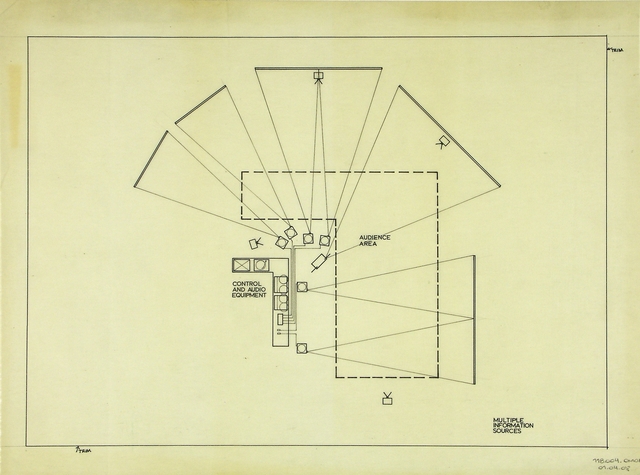
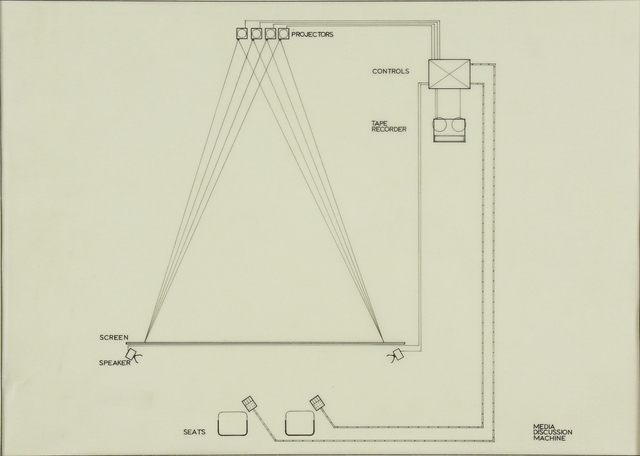
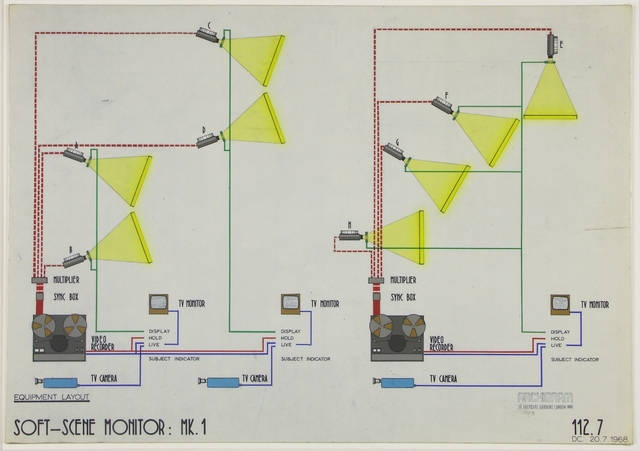
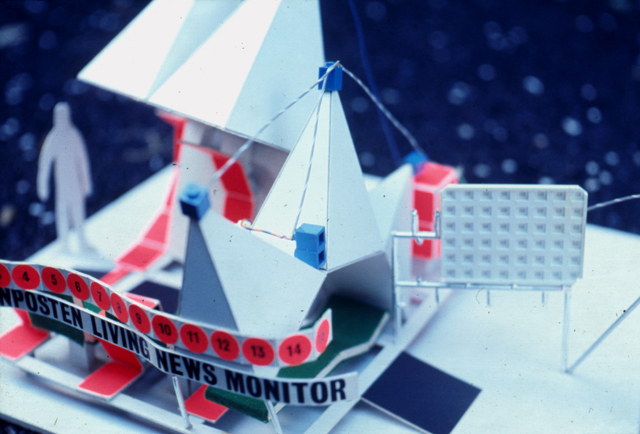
Soft Scene Monitor: MK1, 1968
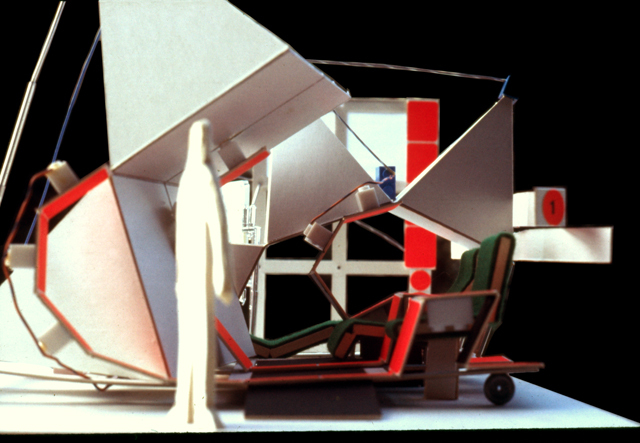
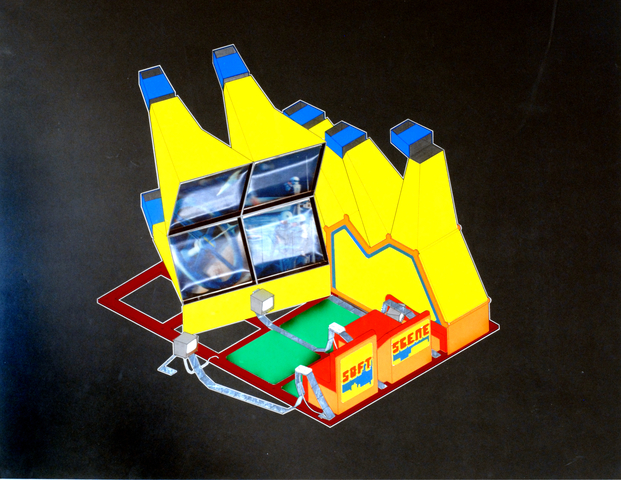
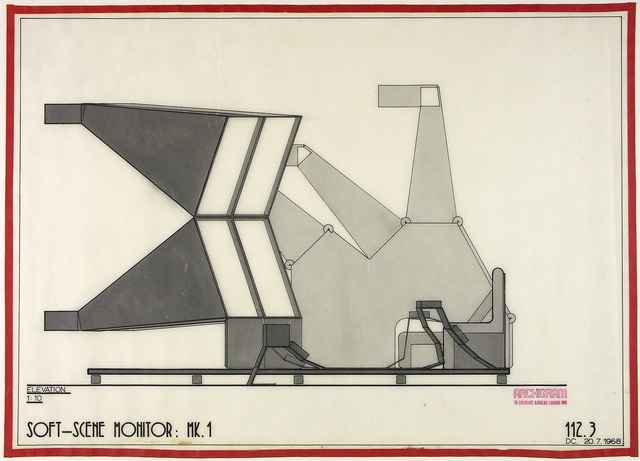
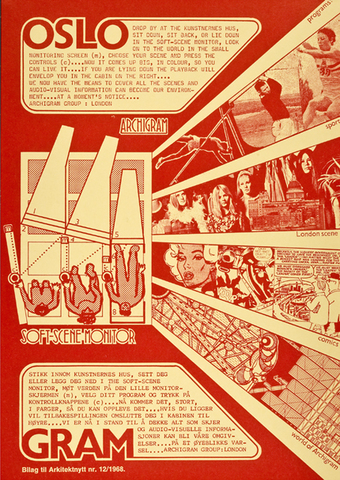 Exhibit designed for Aftenpostle newspaper and Oslo Architectfornung and exhibited at Kunstneres Hus, Oslo for a prototype home access unit to communications, audio-visual entertainments and information technology.
As the Instant City study developed, certain items emerged in particular. First, the idea of a ‘soft-scene monitor’ – a combination of teaching-machine, audio-visual juke box, environmental simulator, and from a theoretical point of view, a realization of the ‘Hardware/Software’ debate. more
Info Gonks, 1968
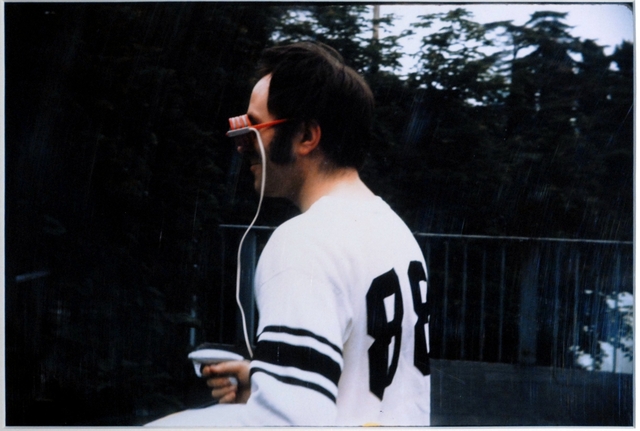
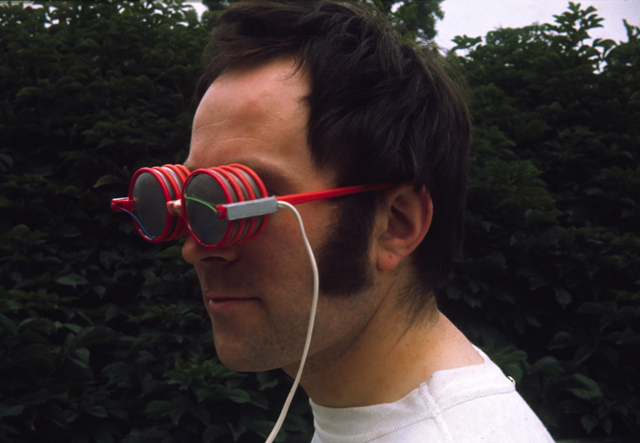
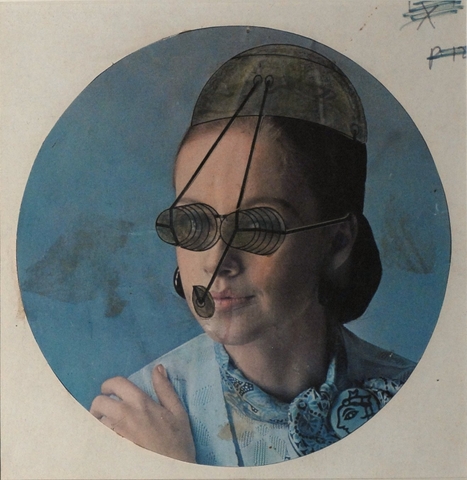 Speculative design maquette for educational television glasses and headgear.
Use of the 1½-inch television as a built-up pair of spectacles with stereo glasses all wired to headgear receiver: everyman his own on-the-eye and in-the-ear environment. more
Cushicle & Suitaloon, 1966
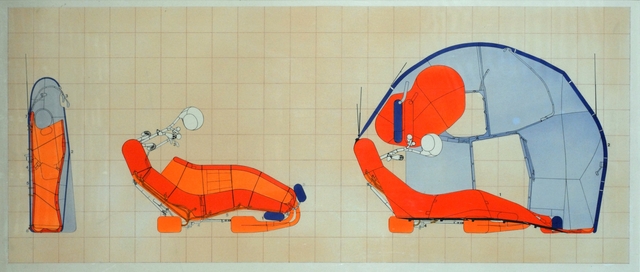
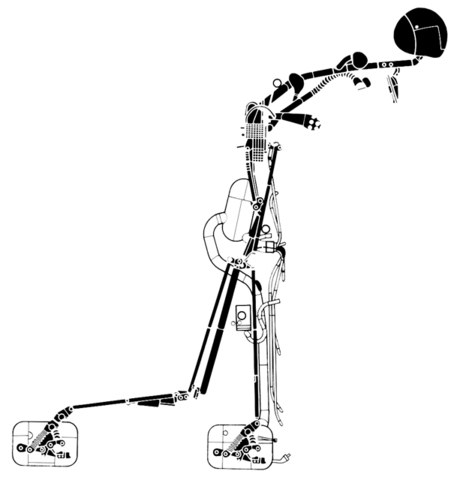 Speculative design for a personal, individual and portable dwelling unit which may be ‘worn’ for transport and unpacked for occupation.
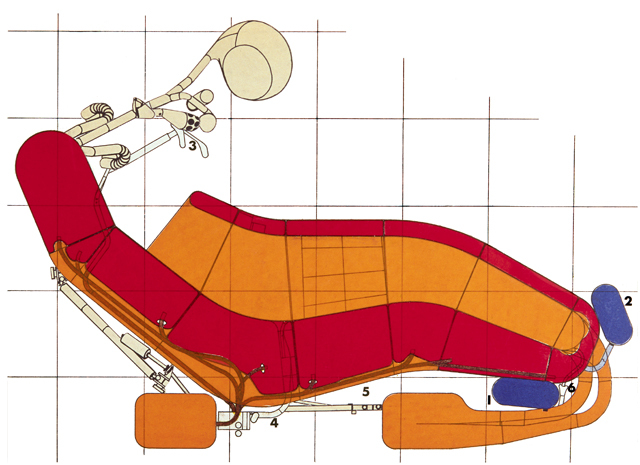
The illustrations show the two main parts of the Cushicle unit as they expand out from their unpacked state to the domestic condition. One constituent part is the “armature“ or “spinal“ system. This forms the chassis and support for the appliances and other apparatus. The other major element is the enclosure part which is basically an inflated envelope with extra skins as viewing screens. Both systems open out consecutively or can be used independently. The Cushicle carries food, water supply, radio, miniature projection television and heating apparatus. The radio, TV, etc., are contained in the helmet and the food and water supply are carried in pod attachments.
With the establishment of service nodes and additional optional apparatus, the autonomous Cushicle unit could develop to become part of a more widespread urban system of personalized enclosures. more


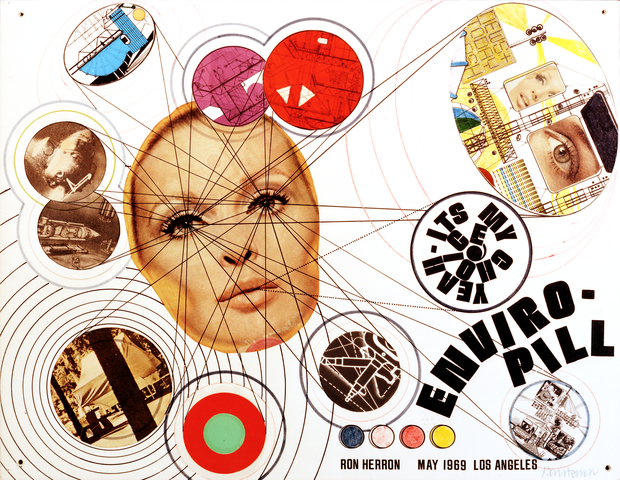
Enviro-Pill, 1969
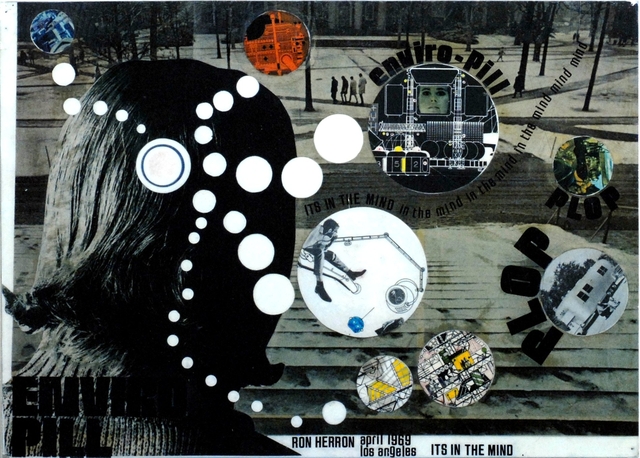
Speculative proposal for a pill for inducing architecture or virtual and imaginary environments in the mind. more.
Electronic Tomato, 1969
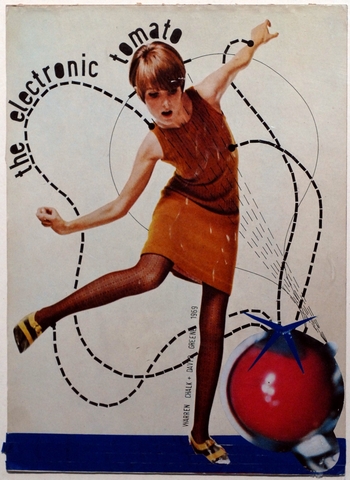 Speculative proposal for mobile sensory stimulation device.
MANZAK is our latest proposal for a radio-controlled, battery-powered electric automaton. It has on-board logic, optical range-finder, TV camera, and magic eye bump detectors. All the sensory equipment you need for environmental information retrieval, and for performing tasks. Optional extras include response equipment for specific applications and subtasks to your own specification. Direct your business operations, do the shopping, hunt or fish, or just enjoy electronic instamatic voyeurism, from the comfort of your own home. For the great outdoors, get instant vegetable therapy from the new ELECTRONIC TOMATO – a groove gizmo that connects to every nerve end to give you the wildest buzz.