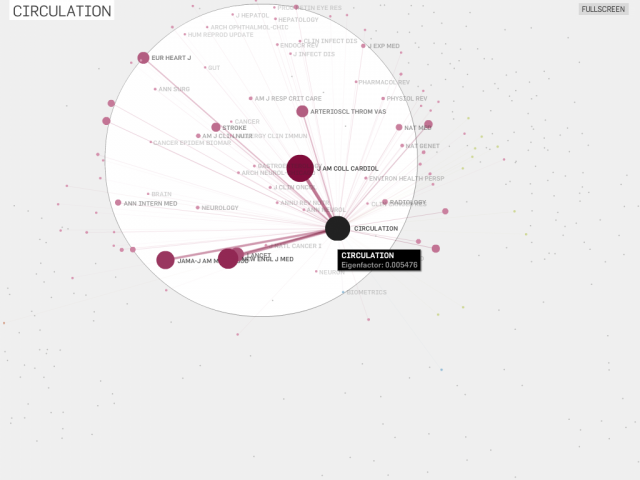
Back in July, Studio NAND with Moritz Stefaner and Drew Hemment created emoto, an online web application that captured and visualised the excitement around the Olympic Games in London. The project moved from real-time (see our post) to ”Archive” data sculpture which is now on display at WE PLAY. Based on approx. 12.5 million Twitter messages which were aggregated in real-time, all the data gathered has been represented in physical form in this interactive installation which allows visitors to identify patterns in message frequency.
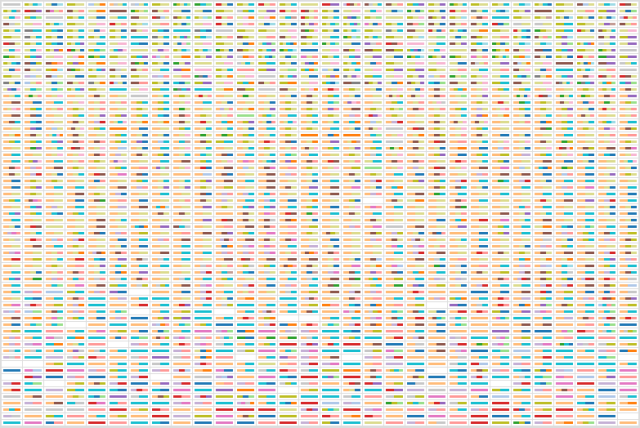
The emoto data sculpture represents message volumes, aggregated per hour and sentiment level in horizontal bands which move up and down according to the current number of Tweets at each time. The full install is a 9.50 meter long multi-layered print, designed for the visitor to explore the overall timeline of the Olympics. Th graph shows the average mood for all events and topics as tracked by emoto. It was printed on transparent acrylic glass and offset from the wall by approx. 7cm to reveal the content behind it. All messages were directly attached to the wall and have been selected for peaks in the graph based on the occurrences if the Tweet text.


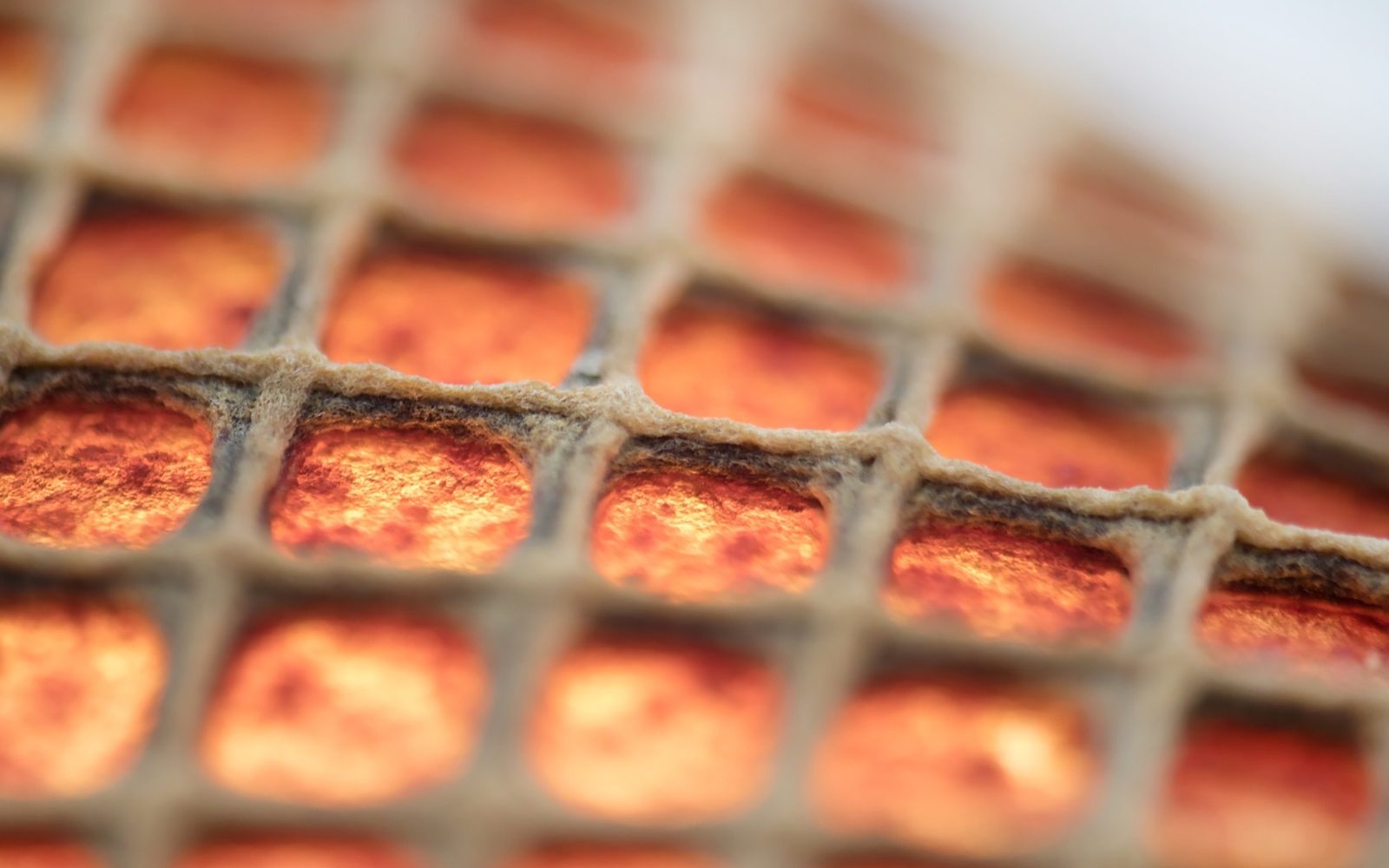
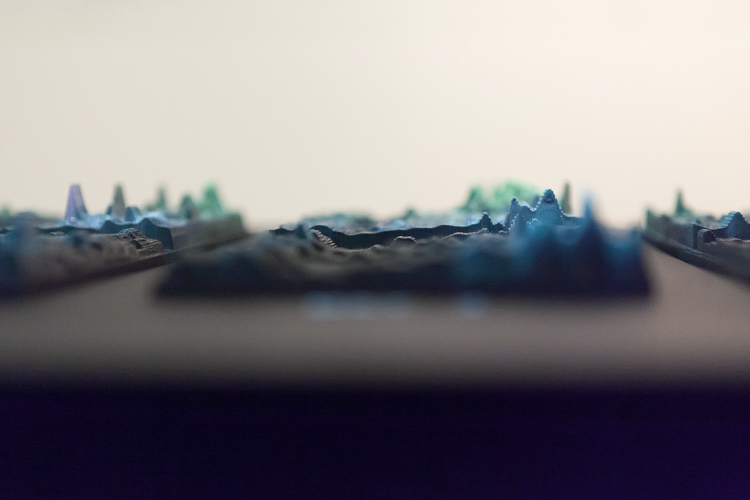
From the emoto archive, the team aggregated frequencies of messages per hour and sentiment level into 2-dimensional heat maps. These heat maps were then transformed into 3D geometry using Rhino and finally CNC-milled in collaboration with their manufacturer Tischlerei Bächer using Polyurethane-foam (’Chemiwood’). Additionally, the objects were painted using a dual component paint with particles to optimise the surface for projection.
On top of this sculpture they have projected multiple heat maps, only displaying events for the currently selected theme (i.e. Team GB). A visitor could control which theme to show using a Griffin Powermate. Pressing the button would cycle through the themes. Rotating it would move the cursor along the timeline, showing most retweeted messages for each hour and theme. The projection mapping was custom developed in Processing as part of the installation software. The 2D heat-maps were generated in Tableau and used as textures for the mapped virtual geometry. The final outcome for these textures was designed in multiple quick iterations exploring the use of many geometric shapes for the heat maps.
Created by Moritz Stefaner, Drew Hemment, Studio NAND.
A FutureEverything project for the Cultural Olympiad programme and London 2012 Festival.
See also Reflection II by Benjamin Maus & Andreas Nicolas Fischer