How to Make (Almost) Anything is a machine design graduate class at the MIT Media Lab taught by Neil Gershenfeld. The class is designed to challenge students with weekly design and engineering assignments, ranging from electronics design to large format machining. By the second to last week, students have acquired nearly all the skills (electronics design, mechanical design, networking, interface design, embedded programming, etc.) necessary to design and build a CNC machine.
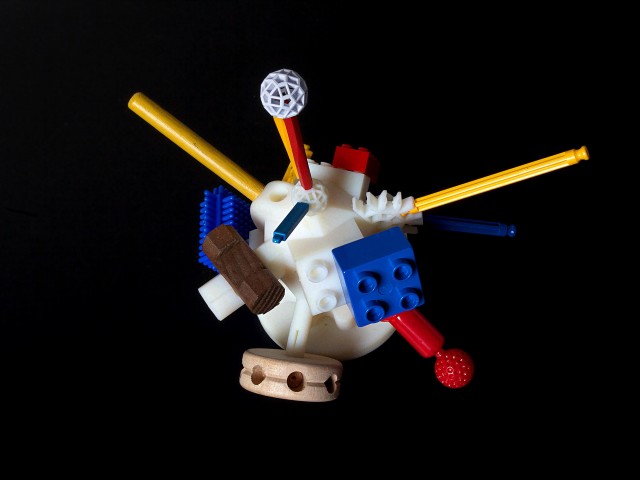
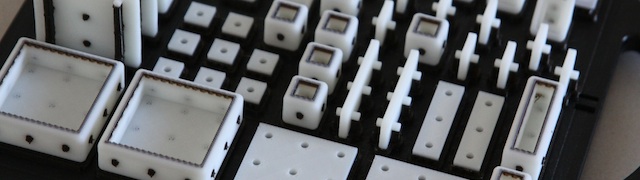
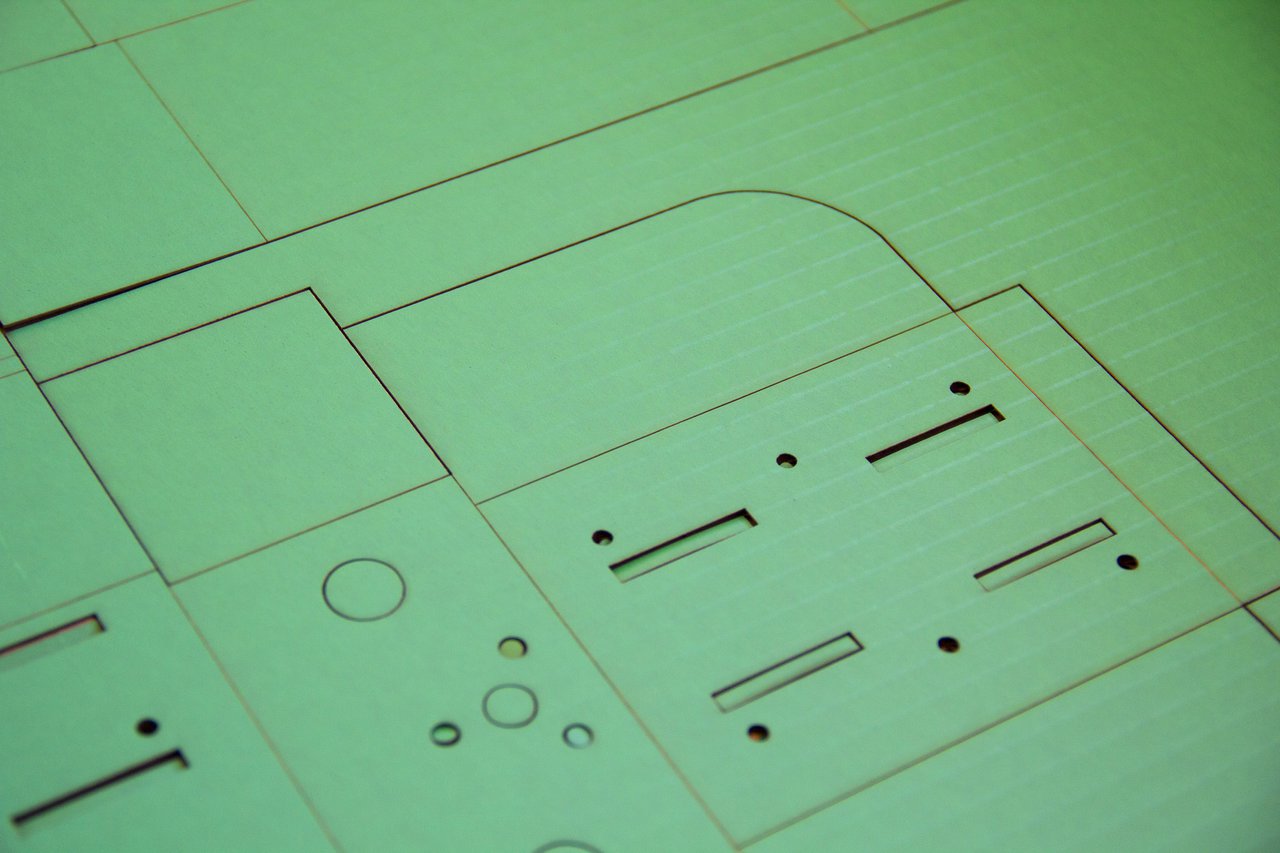
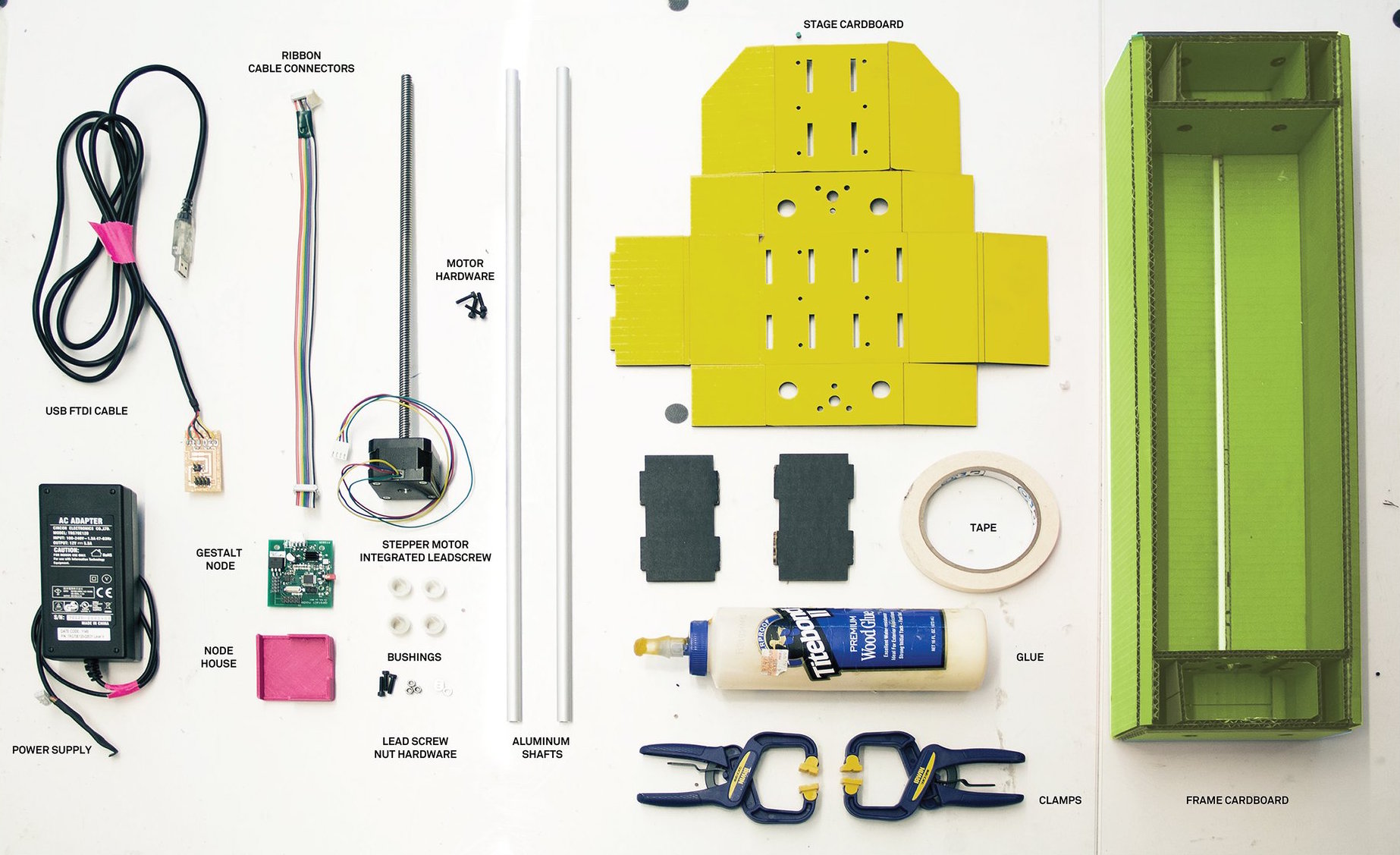
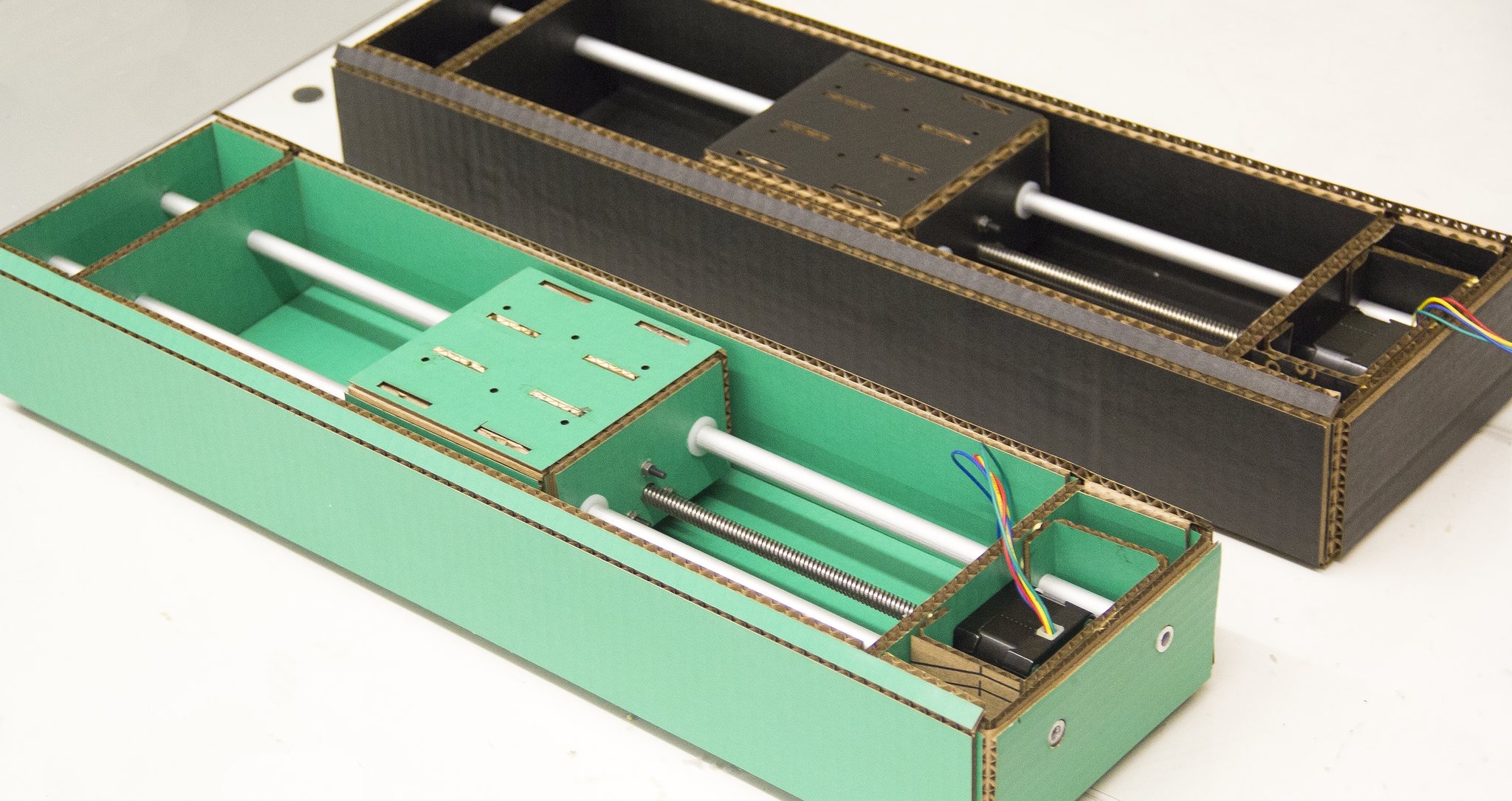
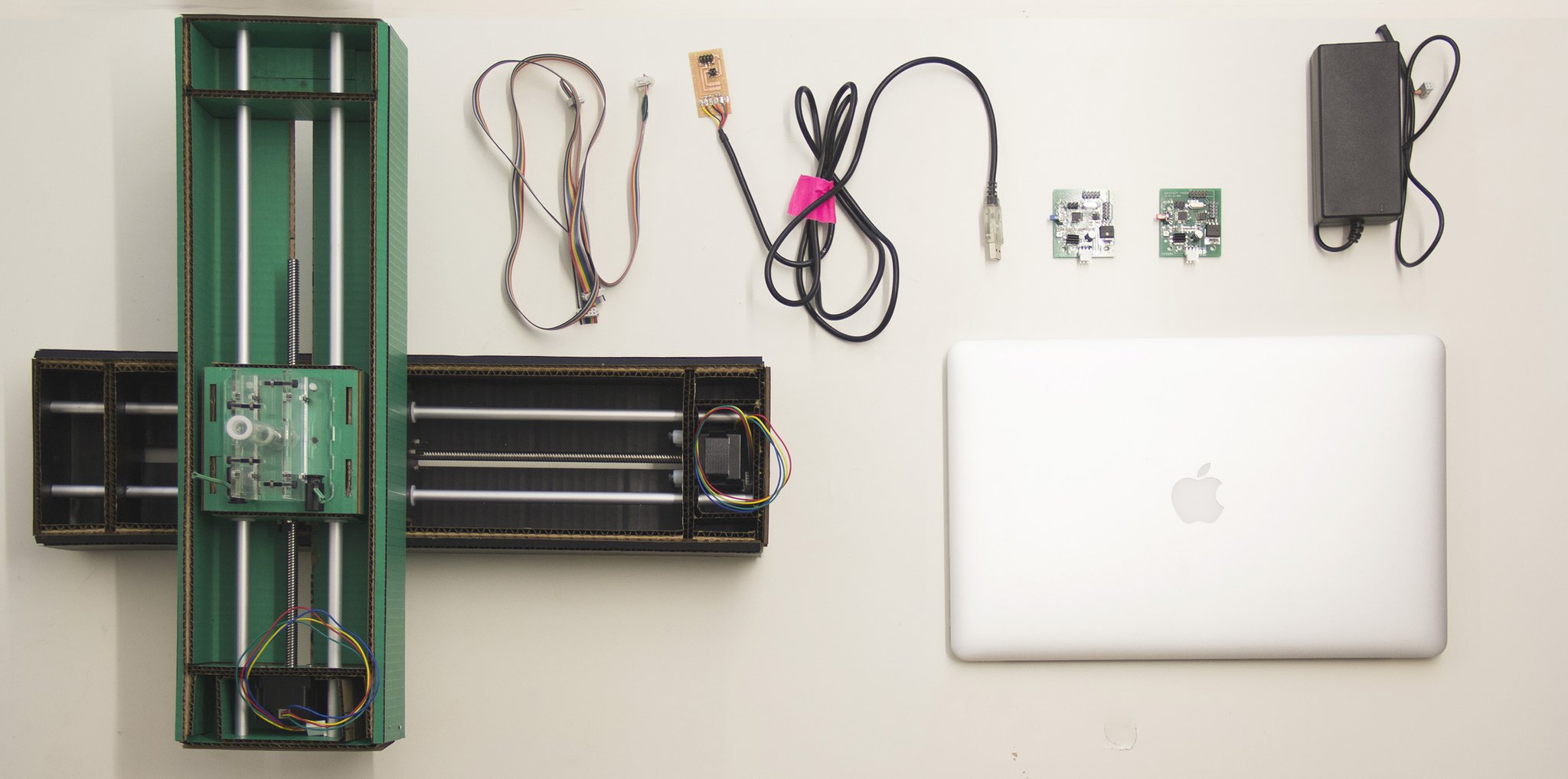
Many machines have been built during the decade-plus history of the course, so many that that a follow up course specifically on machine building was created called How to Make Something that Makes (almost) Anything. For the class this year, the team designed a cardboard construction kit and a framework for rapid machine prototyping. Extending the Modular Machines that Make project, they created a low-cost version of the reconfigurable stages using cardboard and off the shelf hardware. The bill of materials for a single cardboard stage including electronics is under 70 USD, and the cost goes down already in quantities of 2.
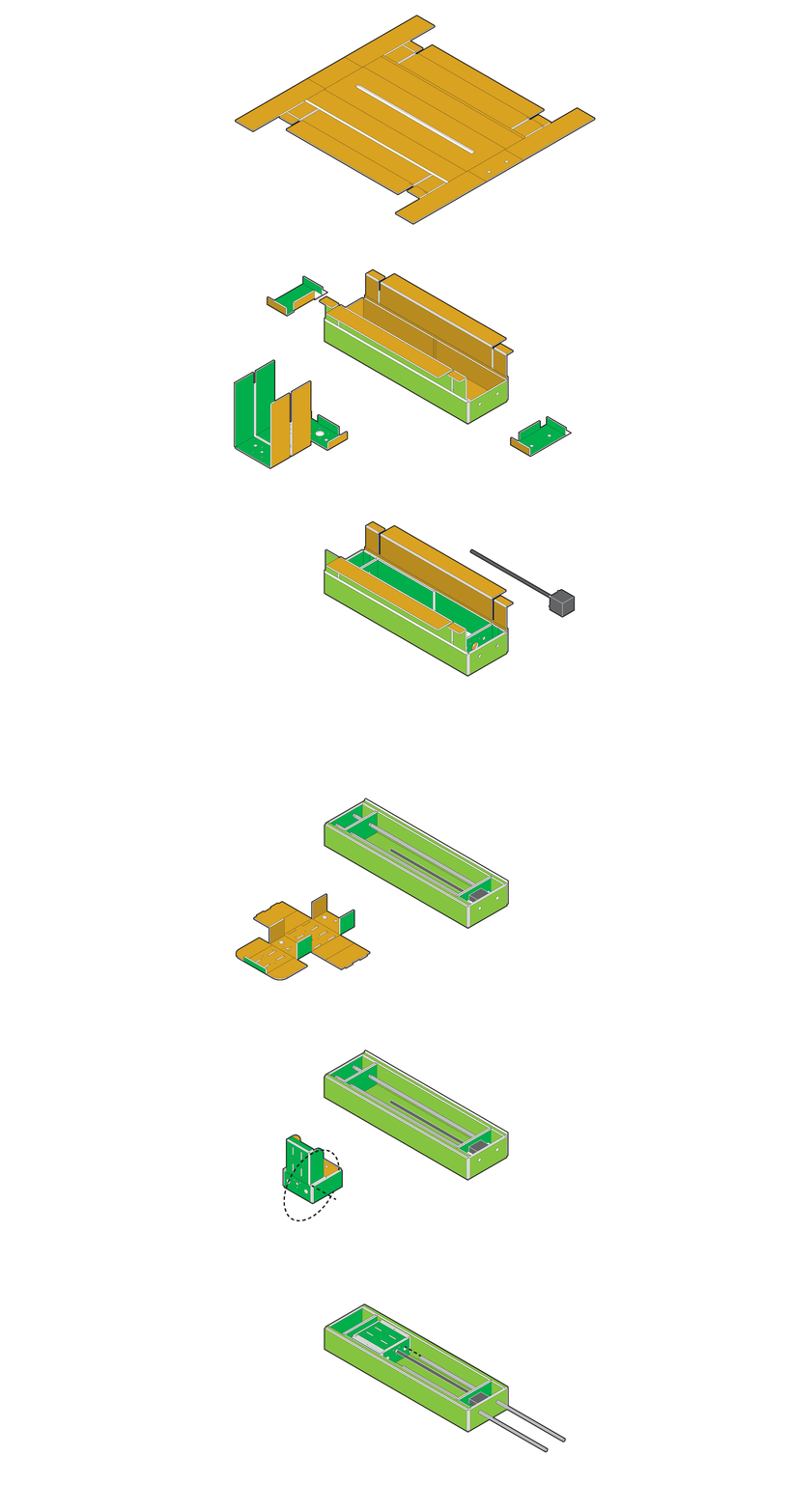
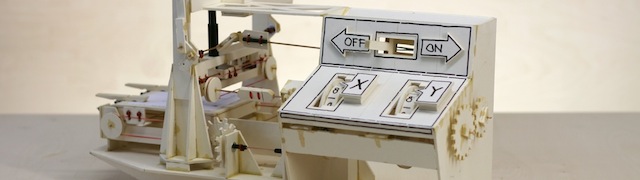
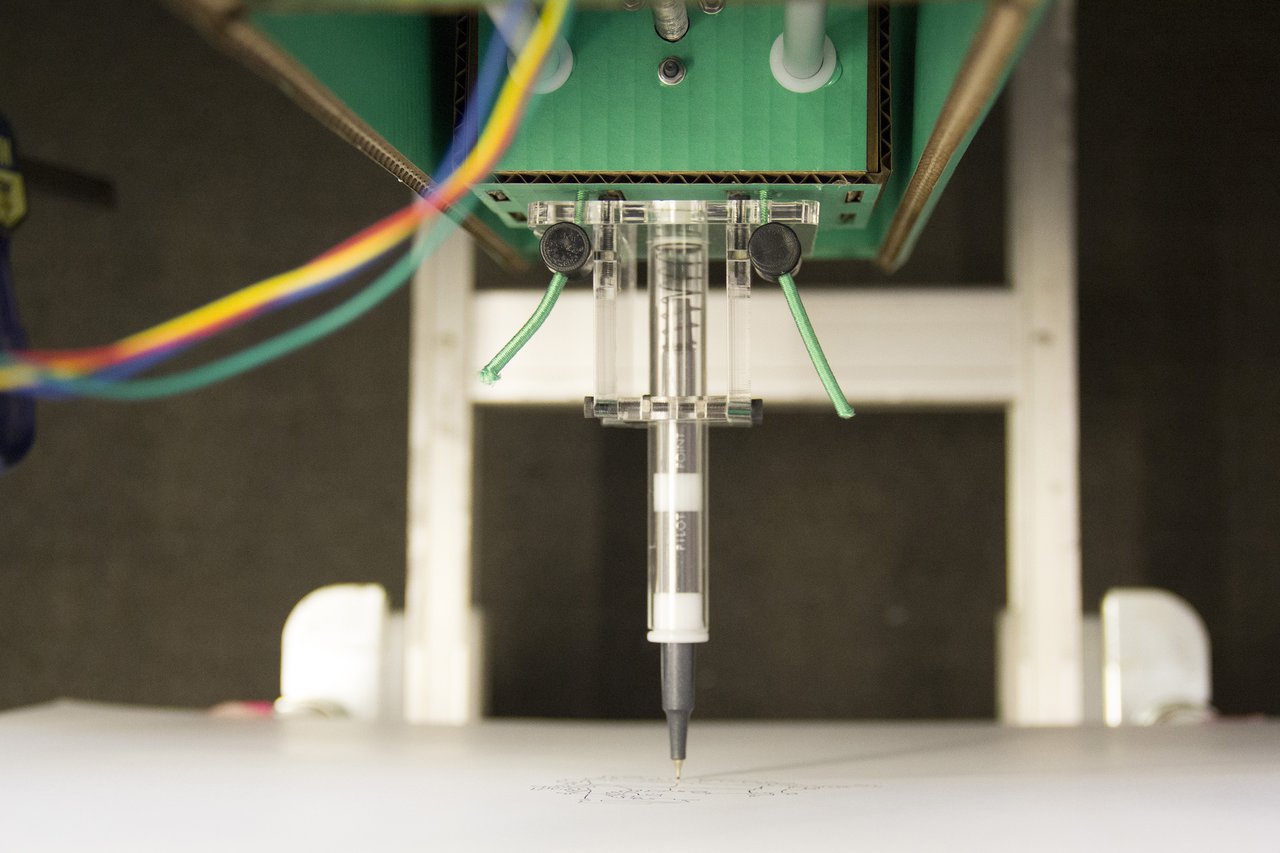
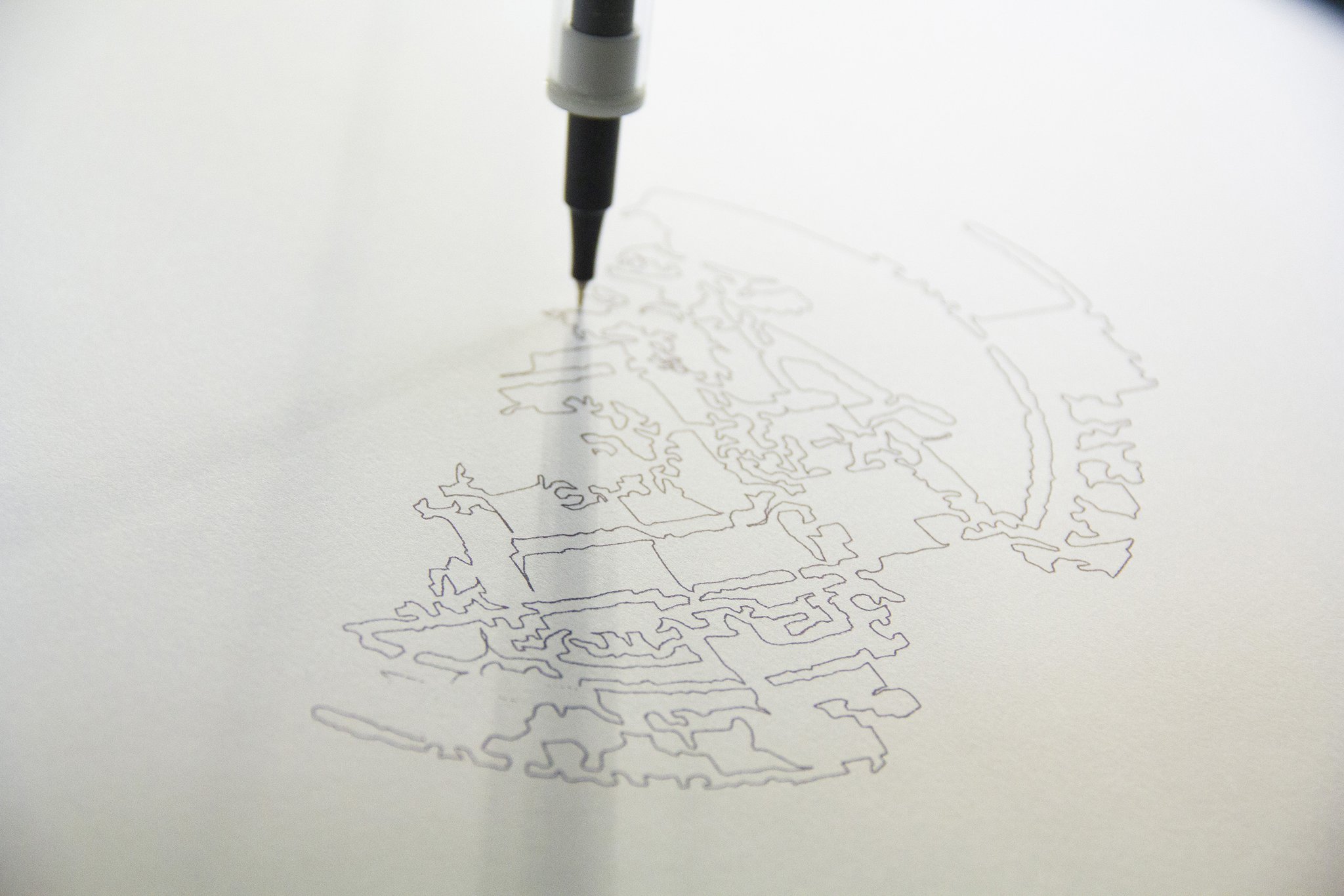
In the following example, the kit is used to construct and control a cardboard CNC machine combining modular hardware, modular electronics, and modular software. A 2 Axis drawing machine is produced using the framework comprised of a rotary and linear stage and a PCB. The system provides nearly an endless kinematic options made up from simple parts. In addition, cardboard makes a great material for machine prototyping because you can cut, glue, tape, laminate, slice, and fold with ease. It is cheap so iterations are a breeze.

Find out more about the cardboard construction kit and framework see links below. Also see Machines that Make: Reconfigurable Stages – different modular stages that allow users to explore different kinematic models easily.
Project contributors include Nadya Peek, Ilan Moyer, James Coleman, Rebecca Li, Lin Pease and Elena Byun.
Project Page | Paper (PDF) | How to Make.. – 4 projects
https://vimeo.com/120352116
https://vimeo.com/120352118
https://vimeo.com/120352119
Machines that Make: Reconfigurable Stages