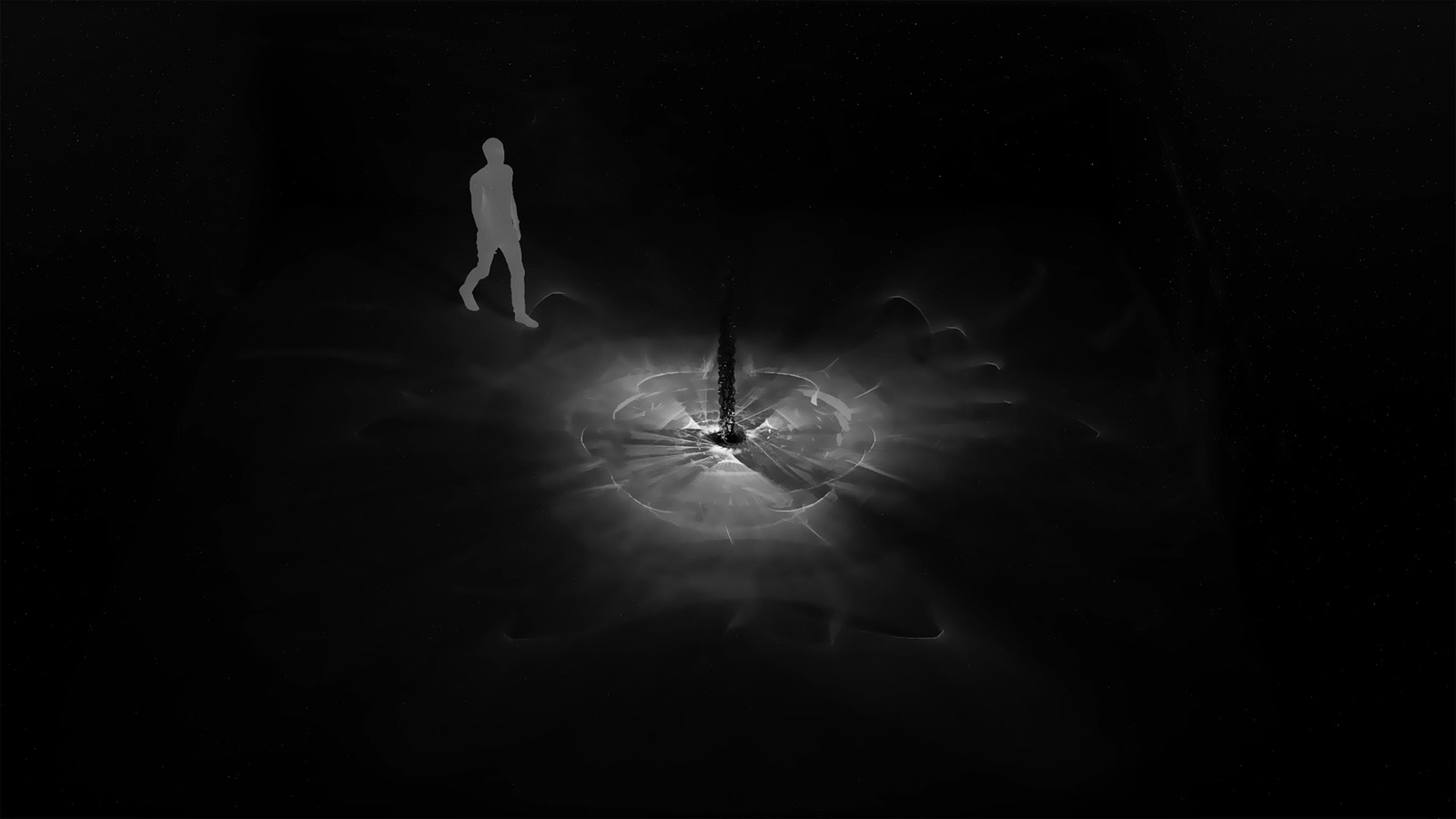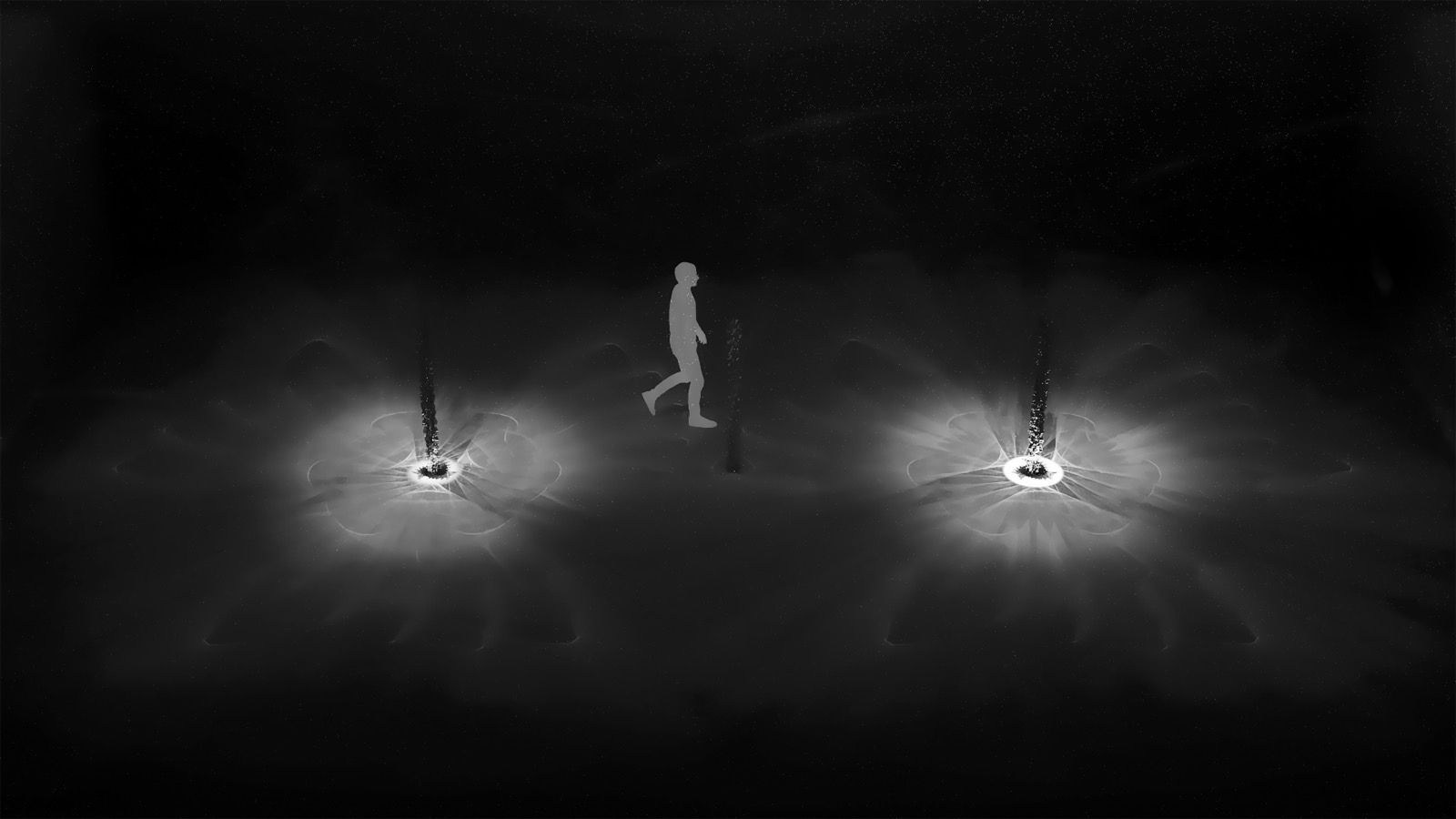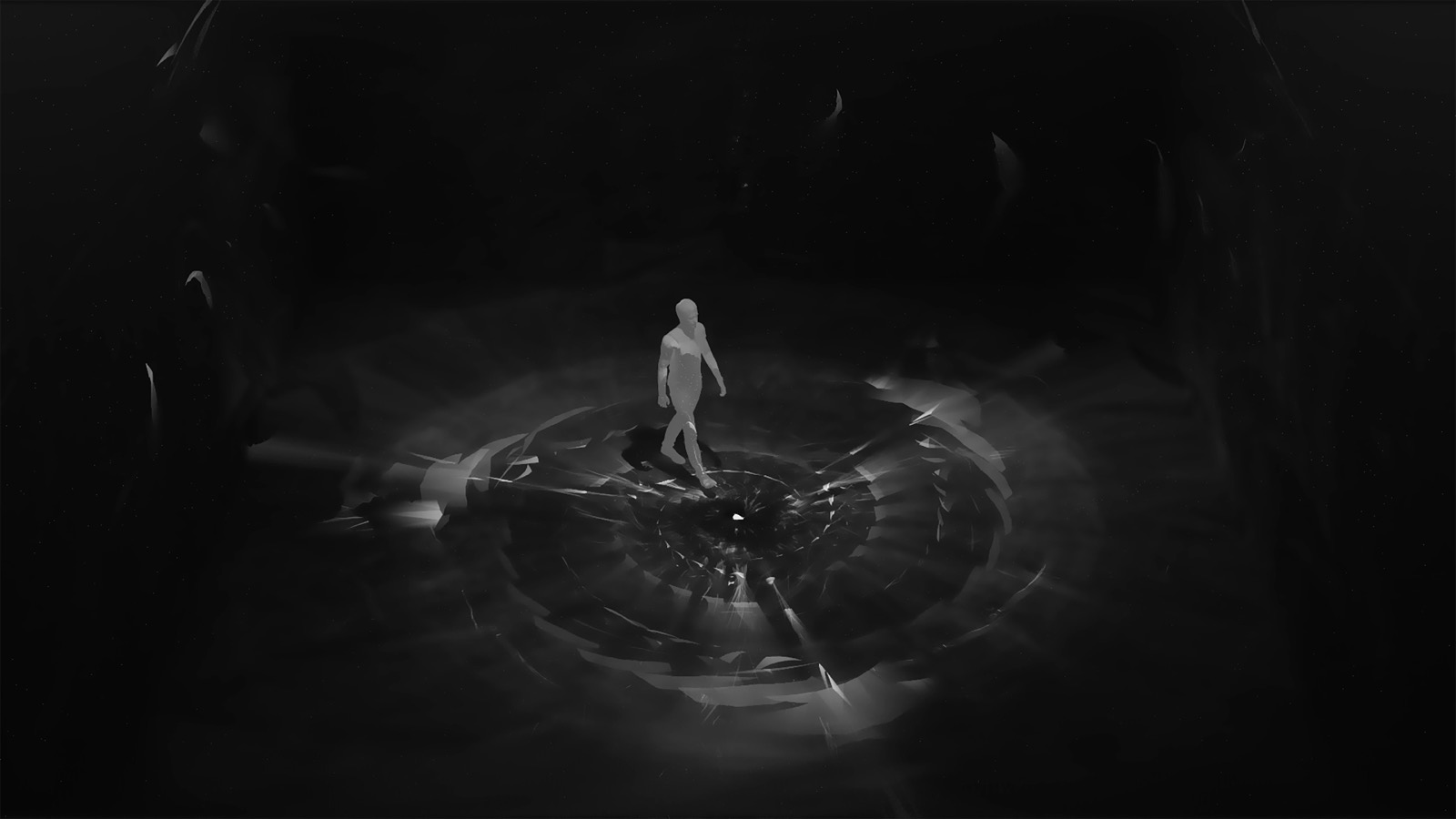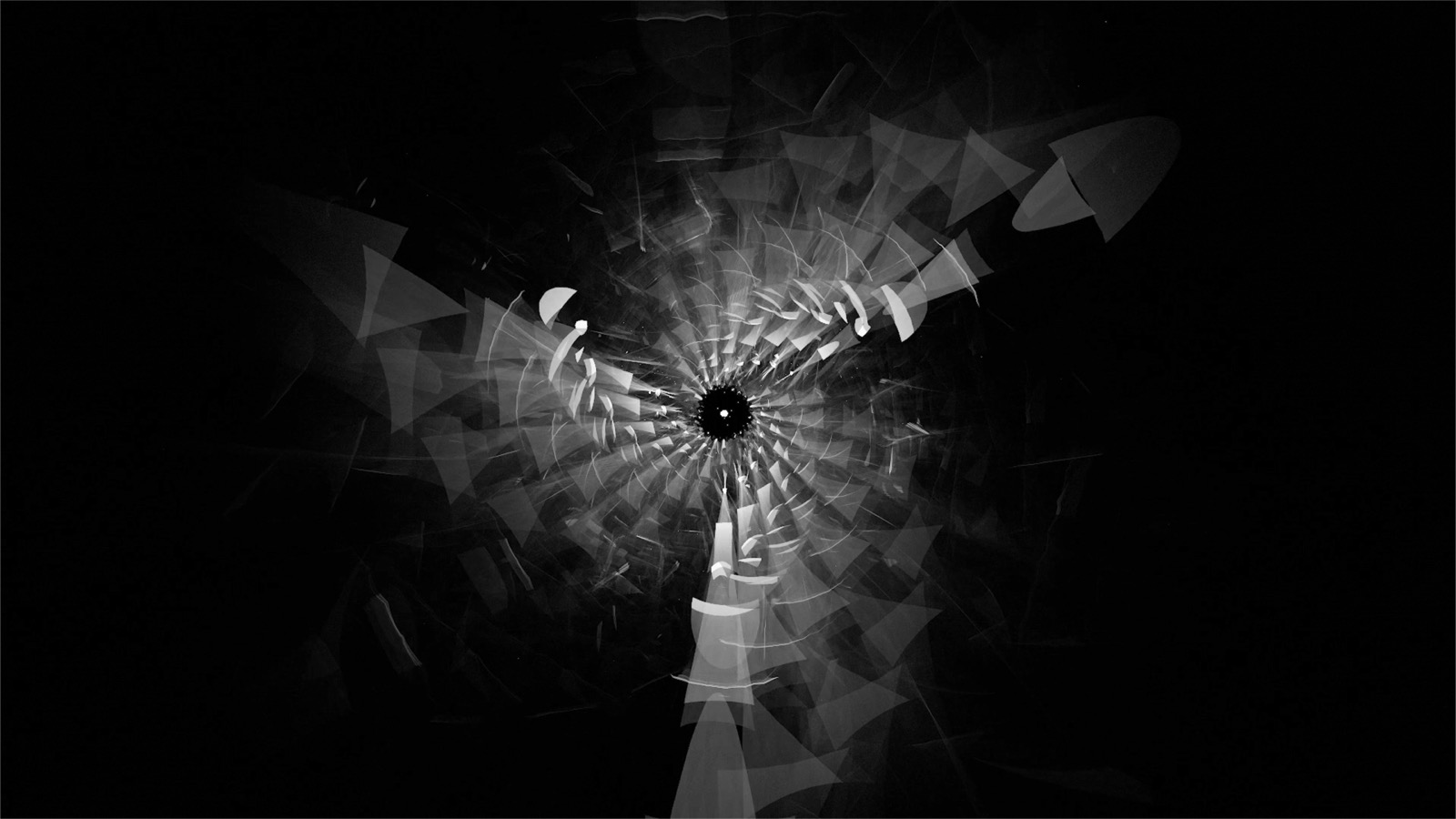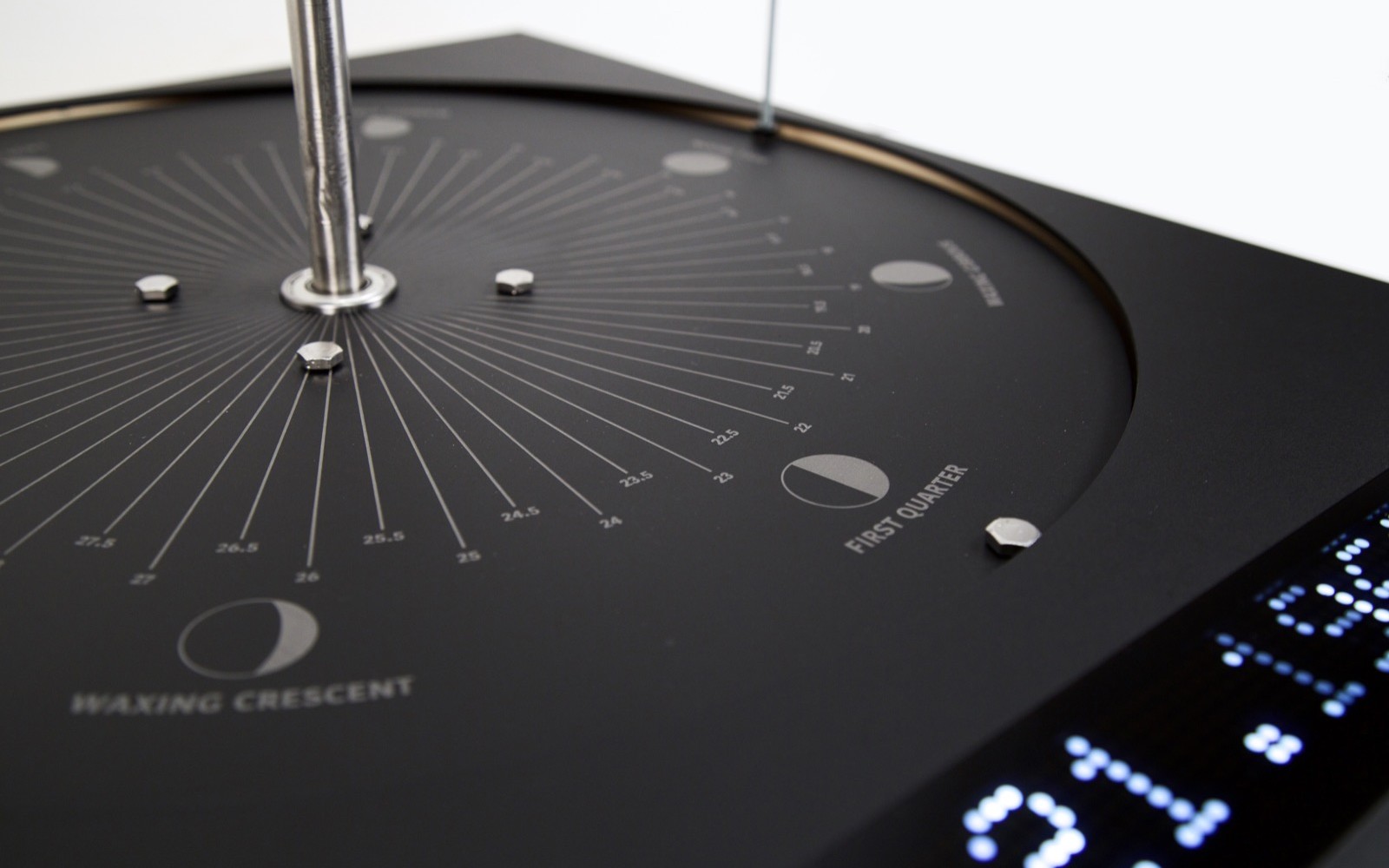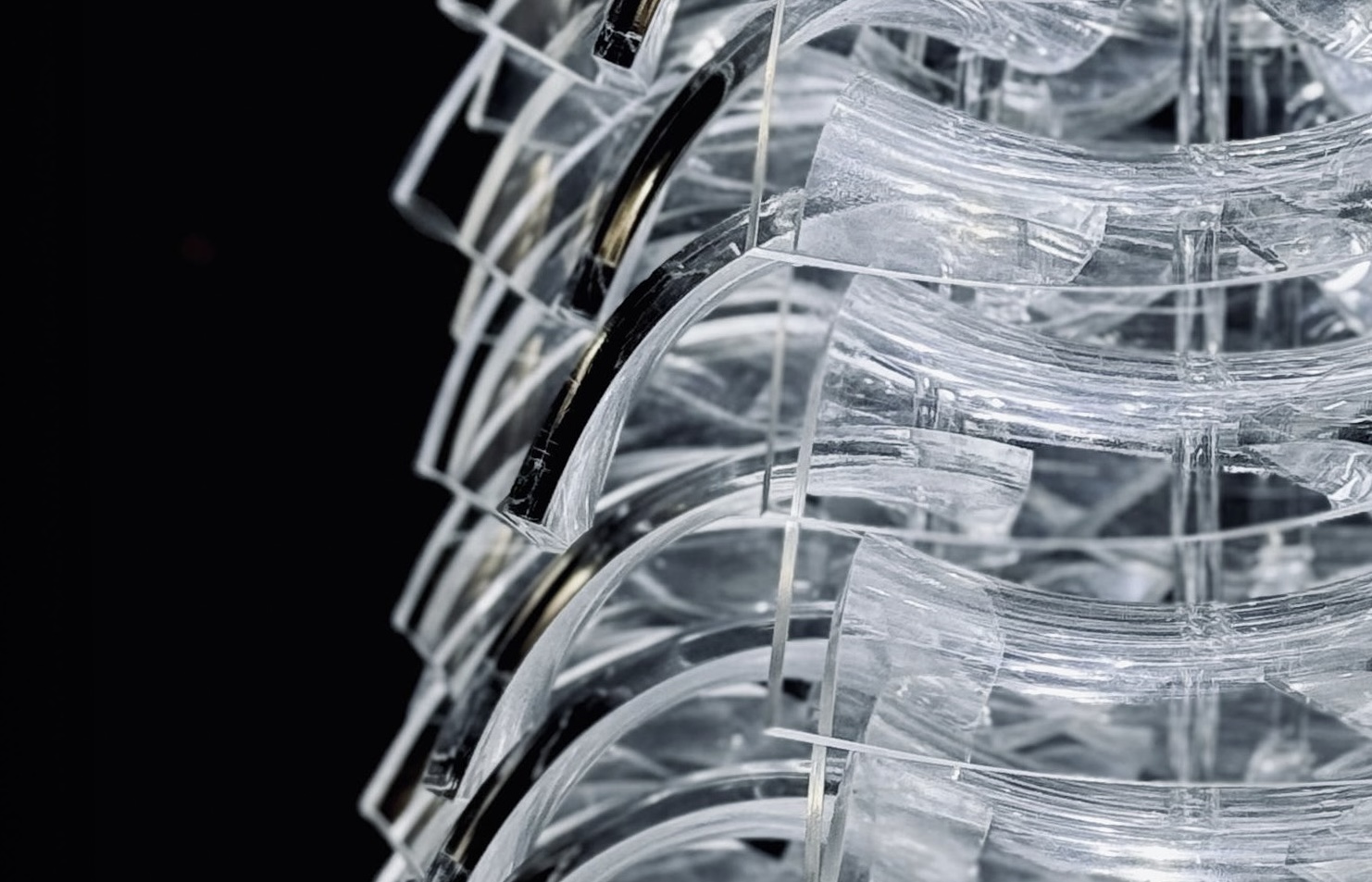
Constructed Atmosphere explores light as a phenomenon, threaded from an initial investigation of the light pillars, an atmospheric optical phenomenon where vertical beams of light act to delineate space extending above and below a light source. The phenomenon demonstrates an interrelationship between lighting infrastructure and ice crystals present in the air, constructing an atmosphere which is durational, ephemeral, and participatory. In the same vein, this project exploits the ephemeral qualities of light instrumentalised as a medium.
Conventional interpretations of light tend to reduce it to an instrument for illuminating surfaces, overlooking its atmospheric and spatial agency. Understood in this way, only the surface is truly defined. An alternative approach is adopted here, as light is instrumentalised not merely as a tool for illumination, but as the medium through which space, atmosphere, and perception are articulated.
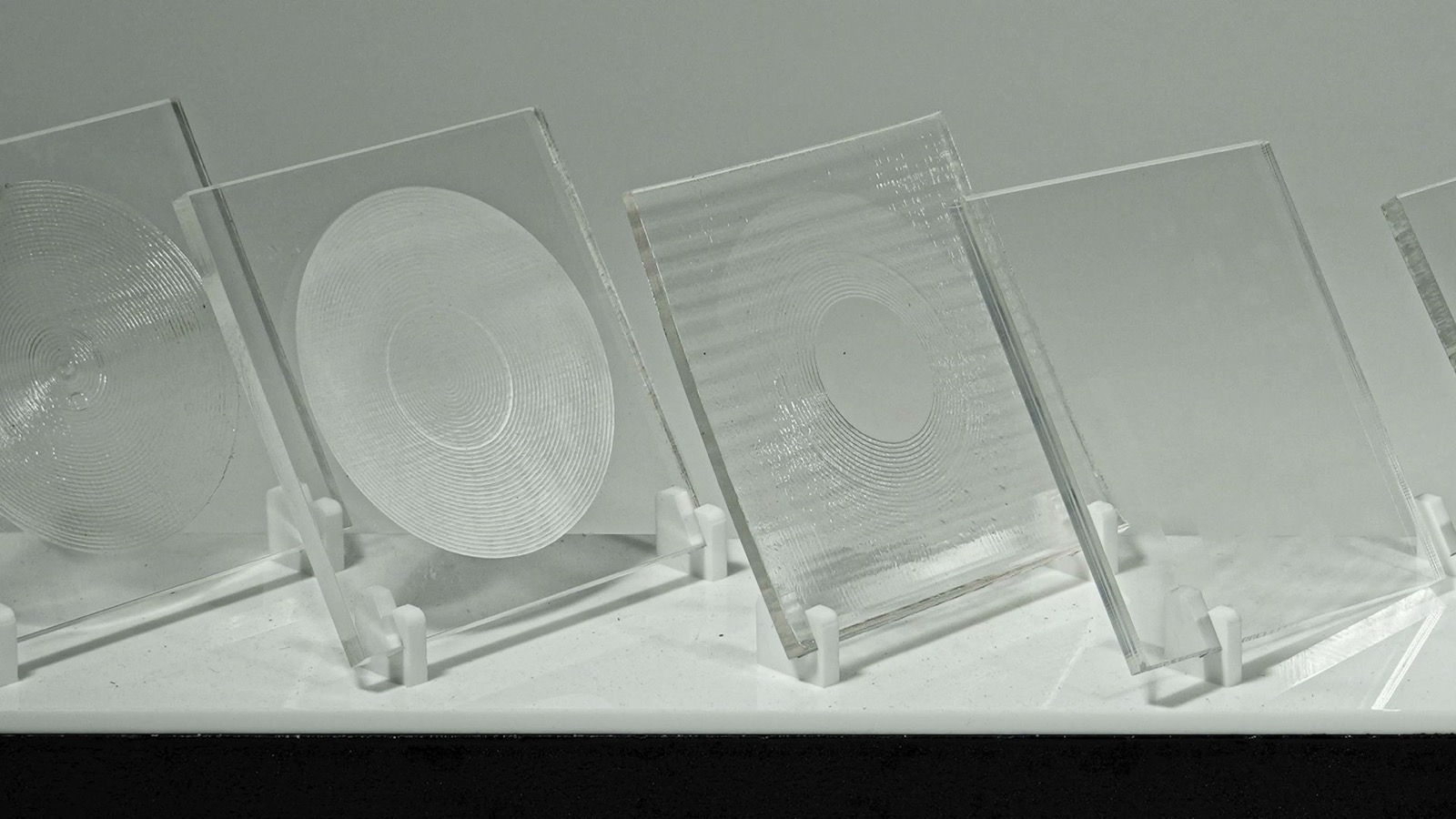
Defining light as the medium allows for ephemeral structuring and to create transient and intangible boundaries within a space. This concept moves beyond the physicality of structures and materials and emphasizes perception and environmental conditions to define powerful spatial experiences. In this context, space is understood as the varying modulations of lightness and darkness in texture and colour, shadow and occlusion, diffusion and softness, rhythm and movement. In its presence and absence, our spatial perceptions continue to be altered. All space is light, and all light is space. A series of material investigations served as instruments through which the behaviour of light was observed including prism casting, stacking, engraving, and thermoforming, as well as gradient solutions and varying haze environments to catalogue spatial articulation in varying media through light. Here, material formation is an active condition, directly influencing how light is reflected, refracted, diffused and organised.
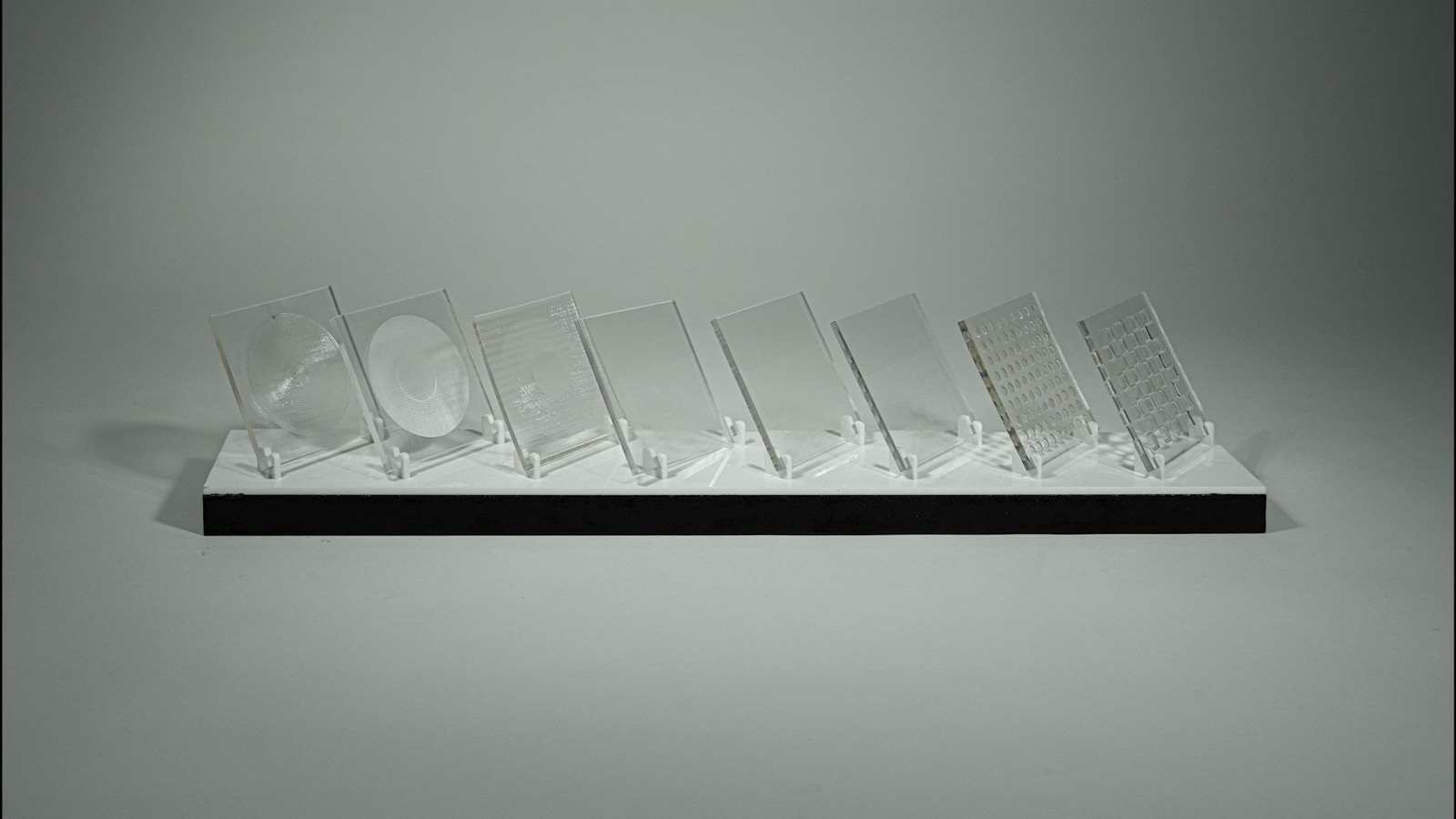
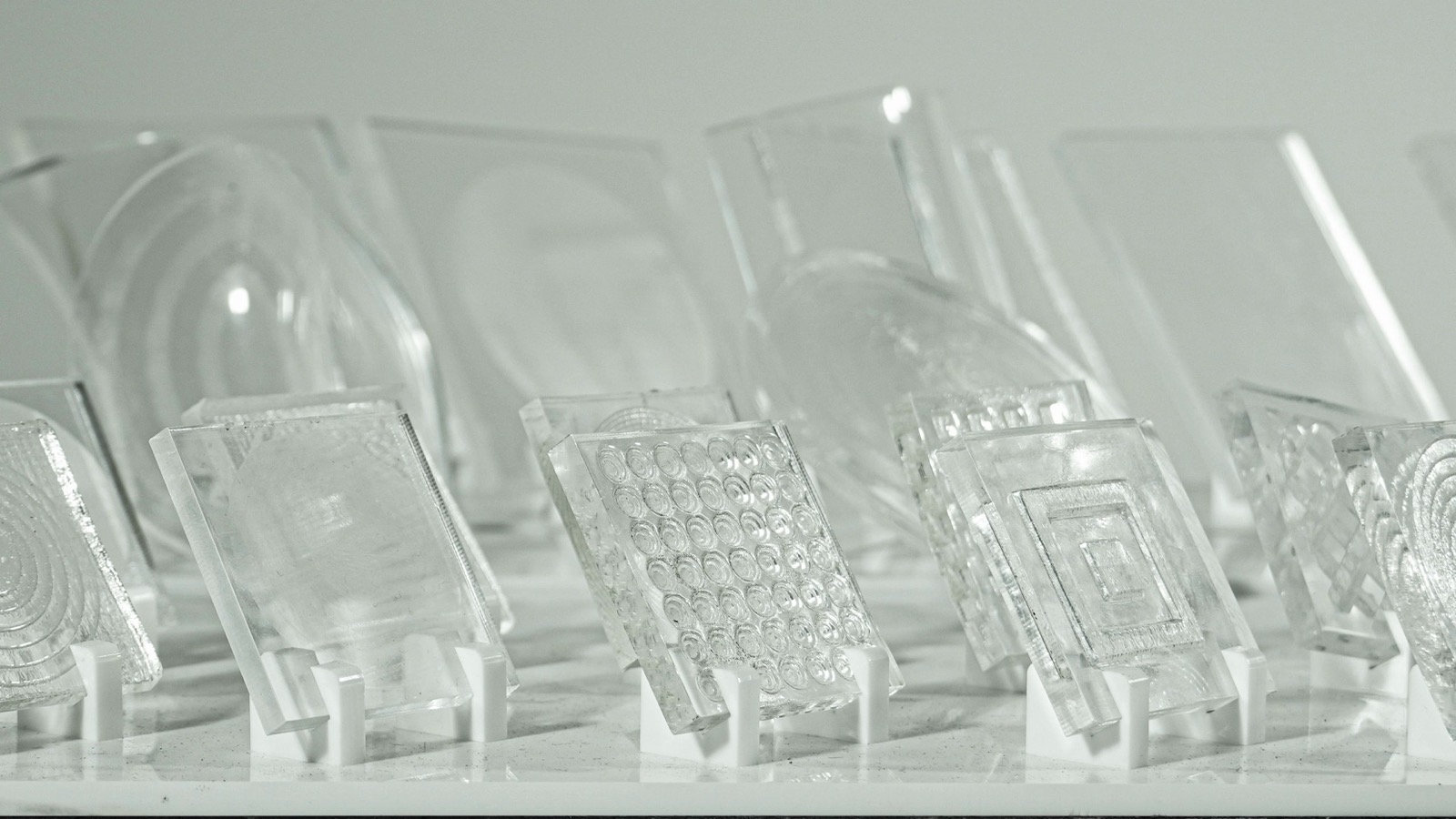
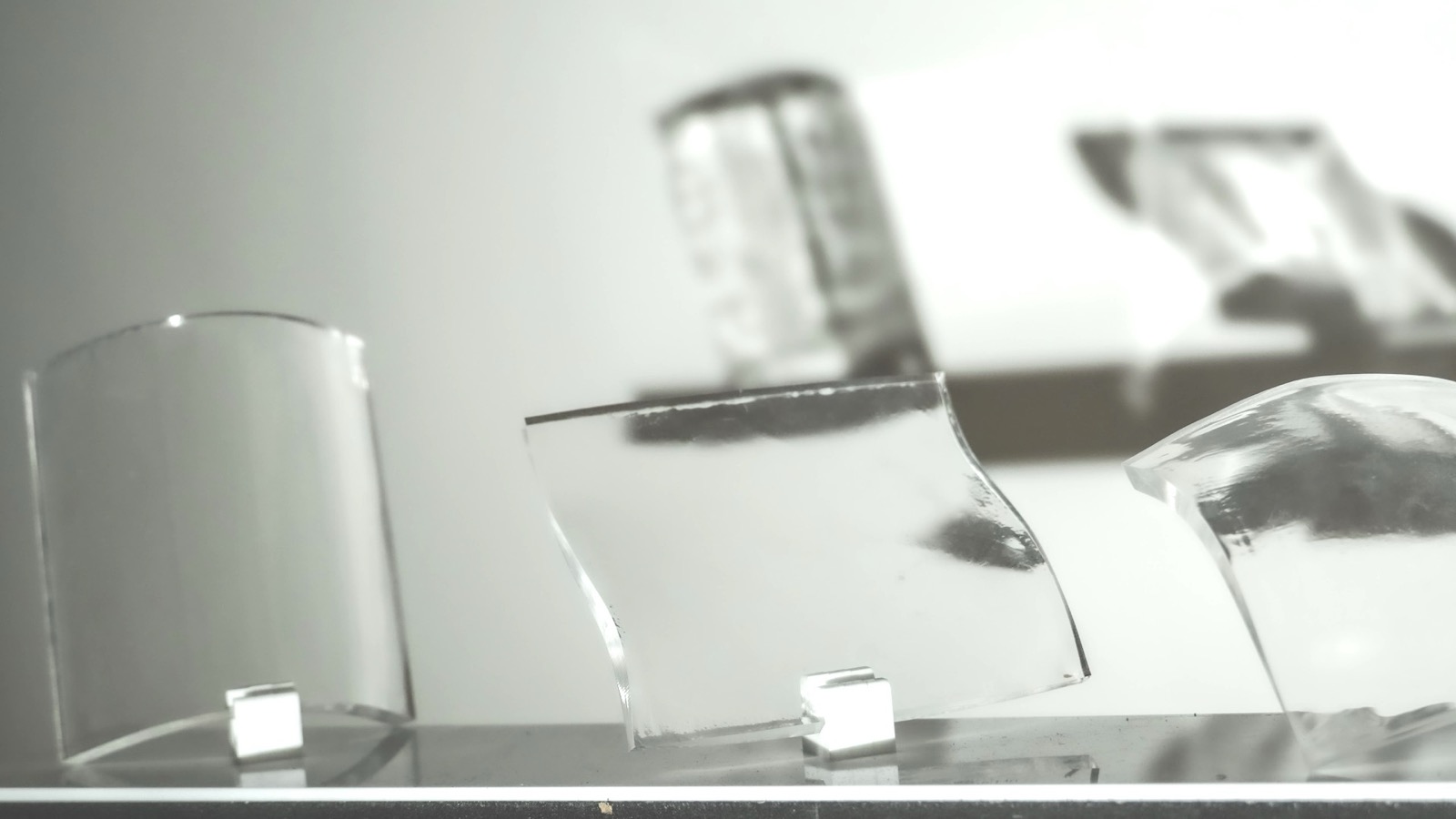
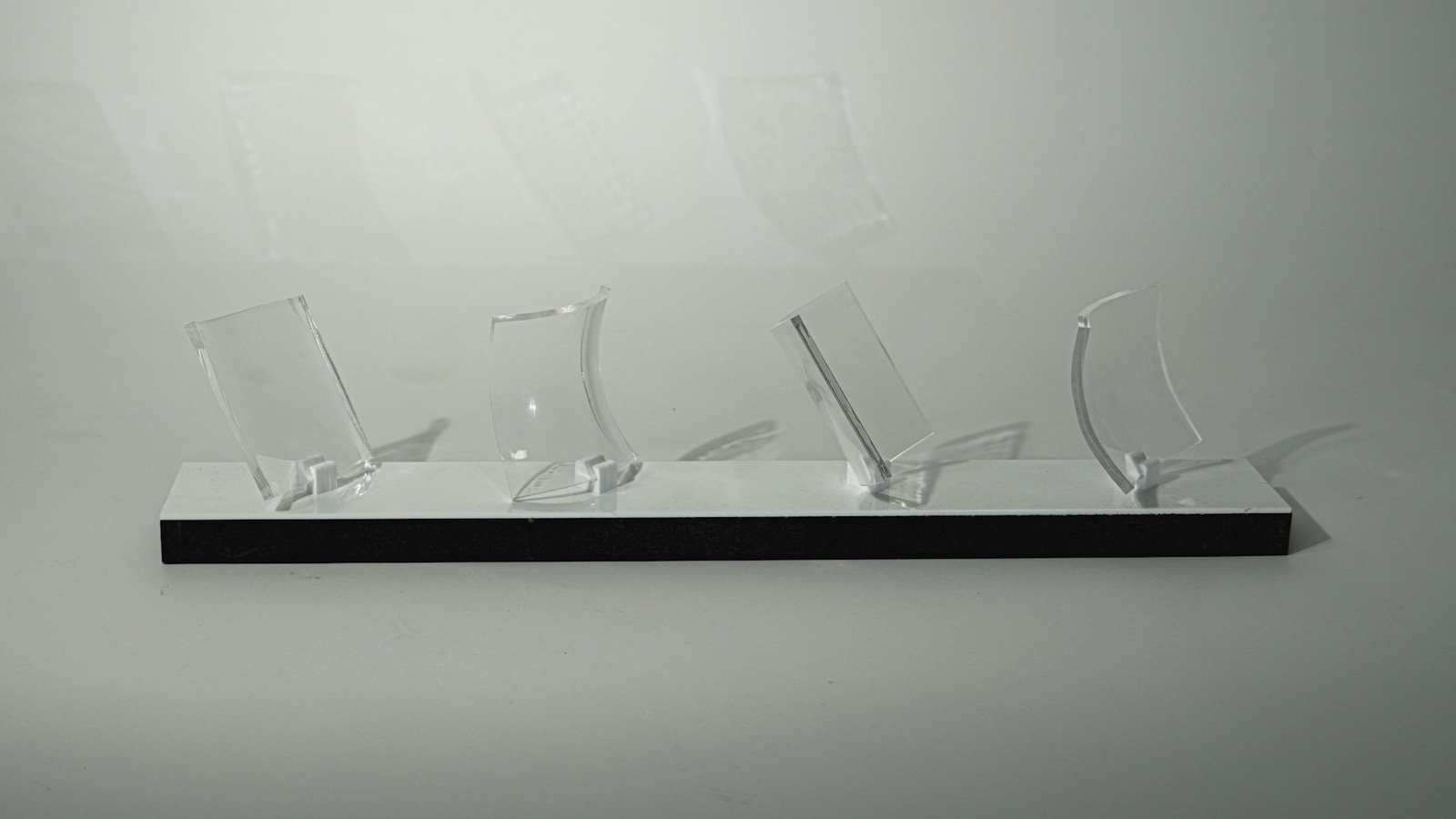
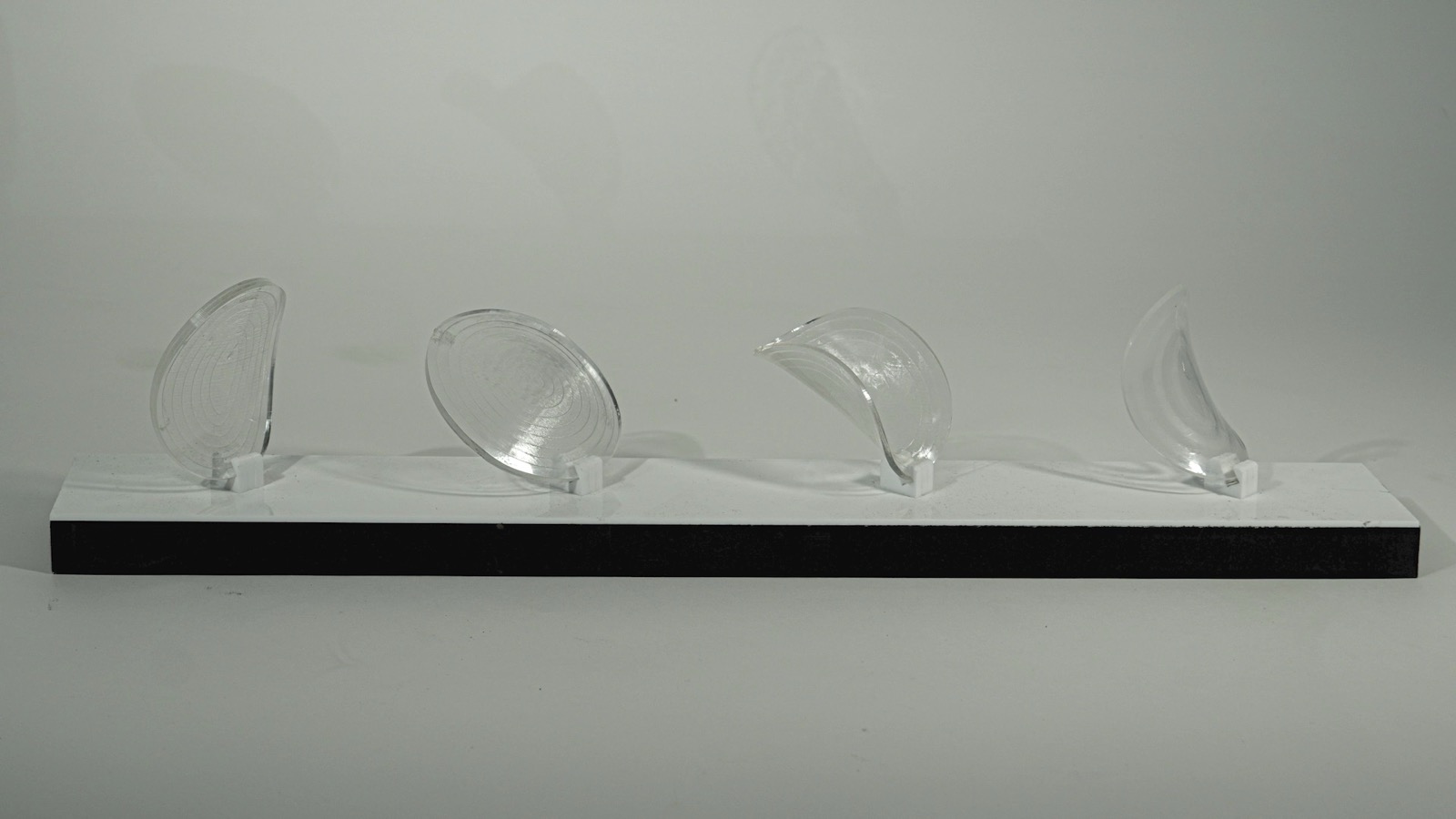
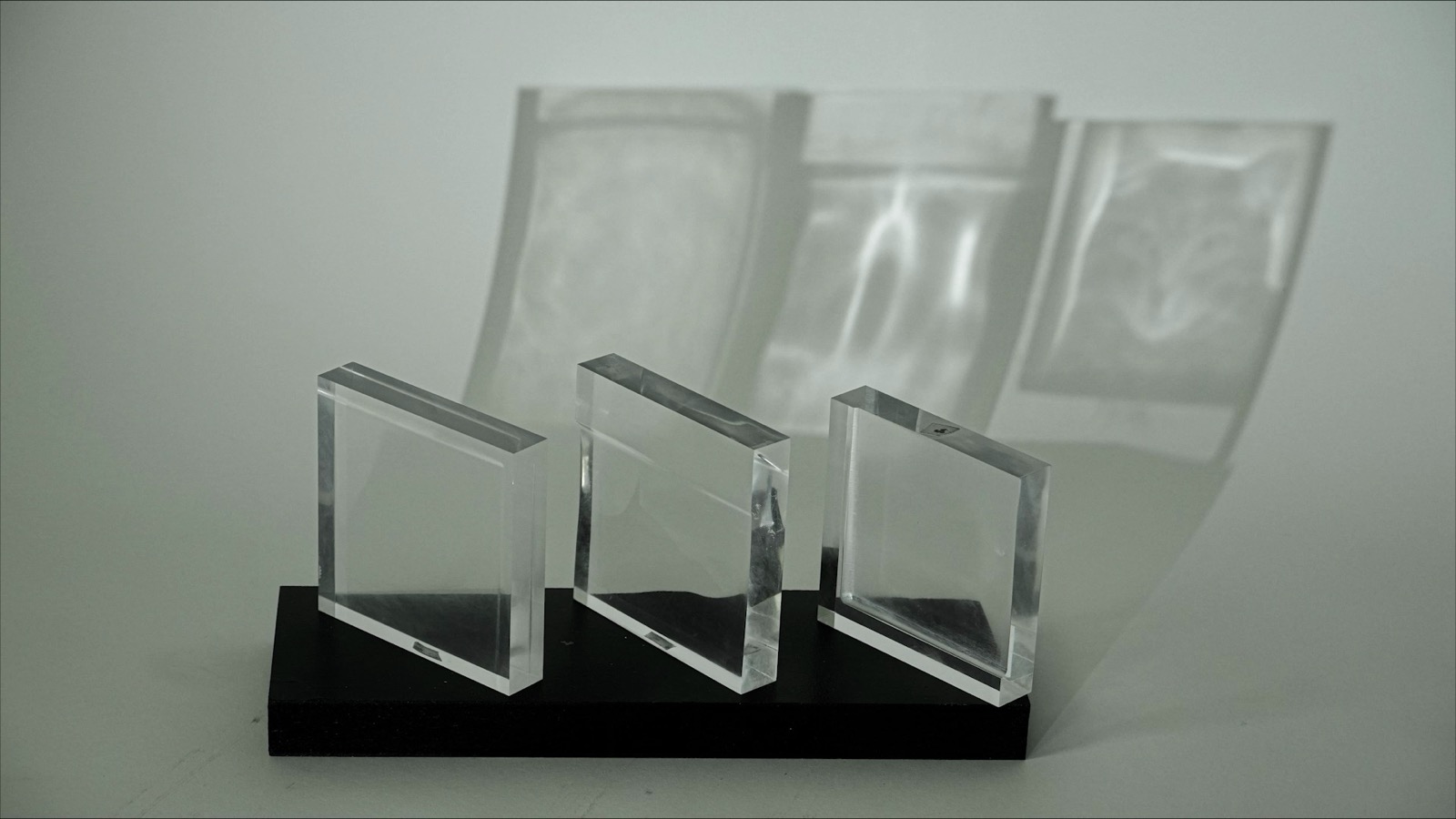

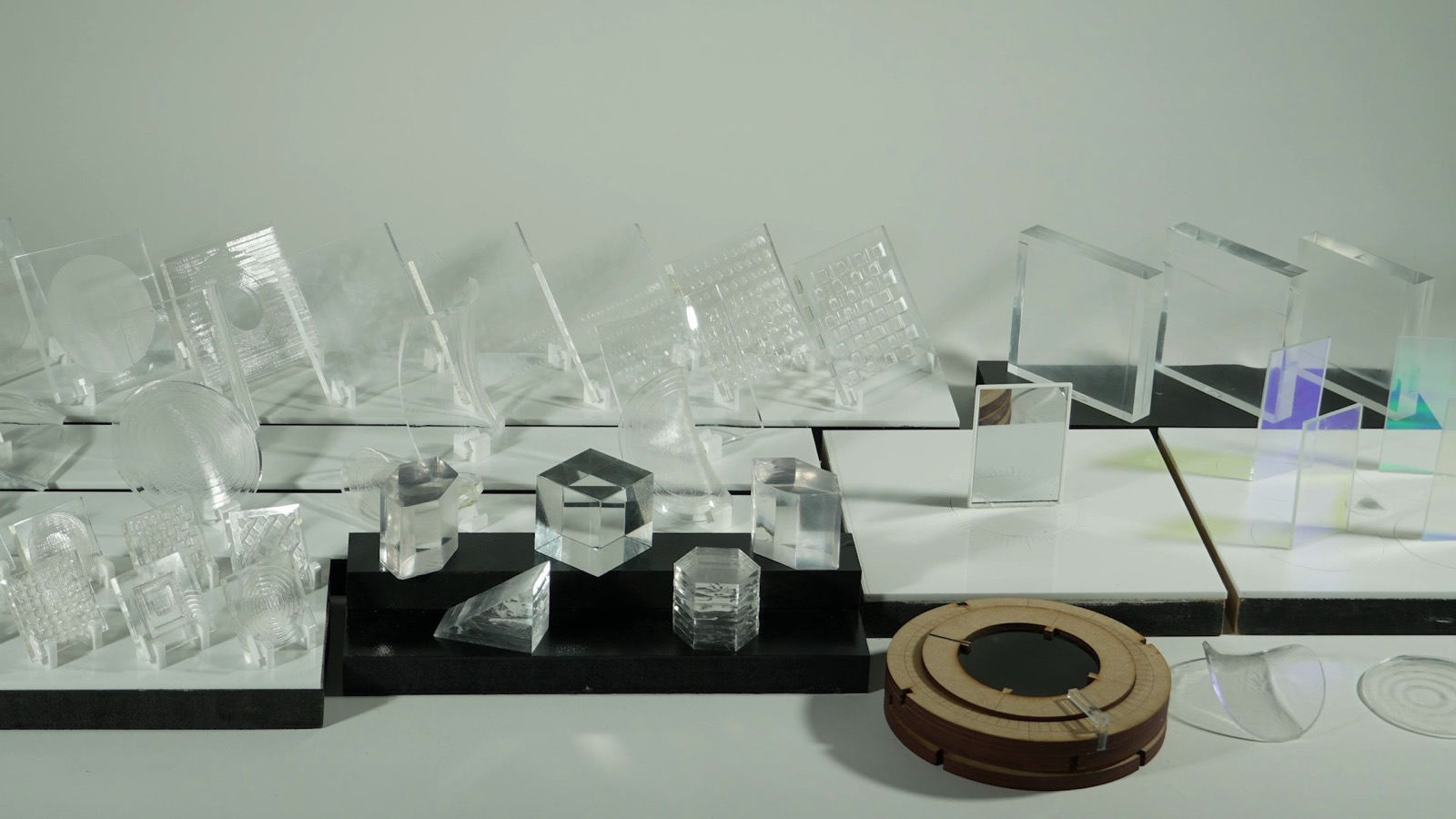
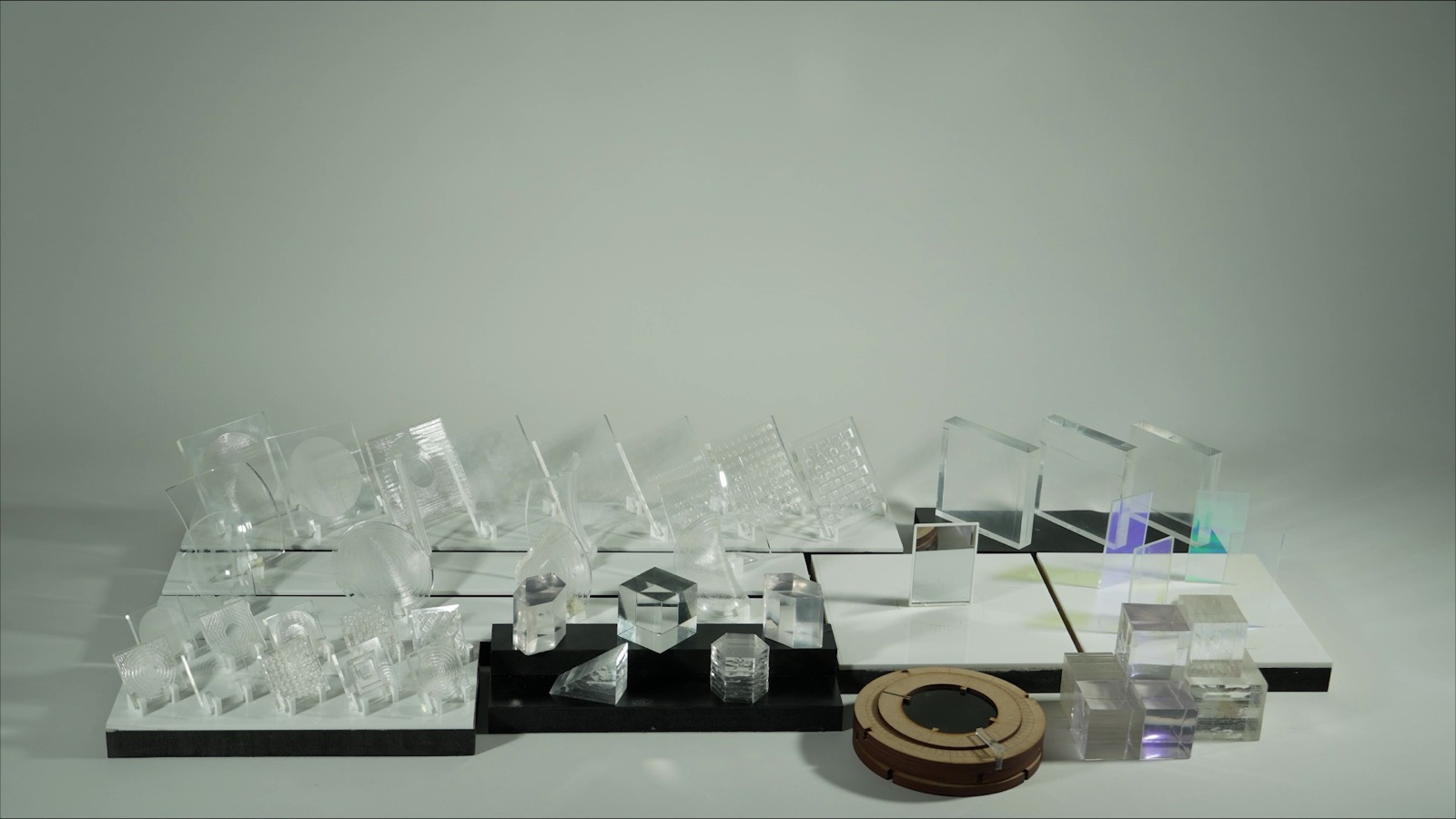
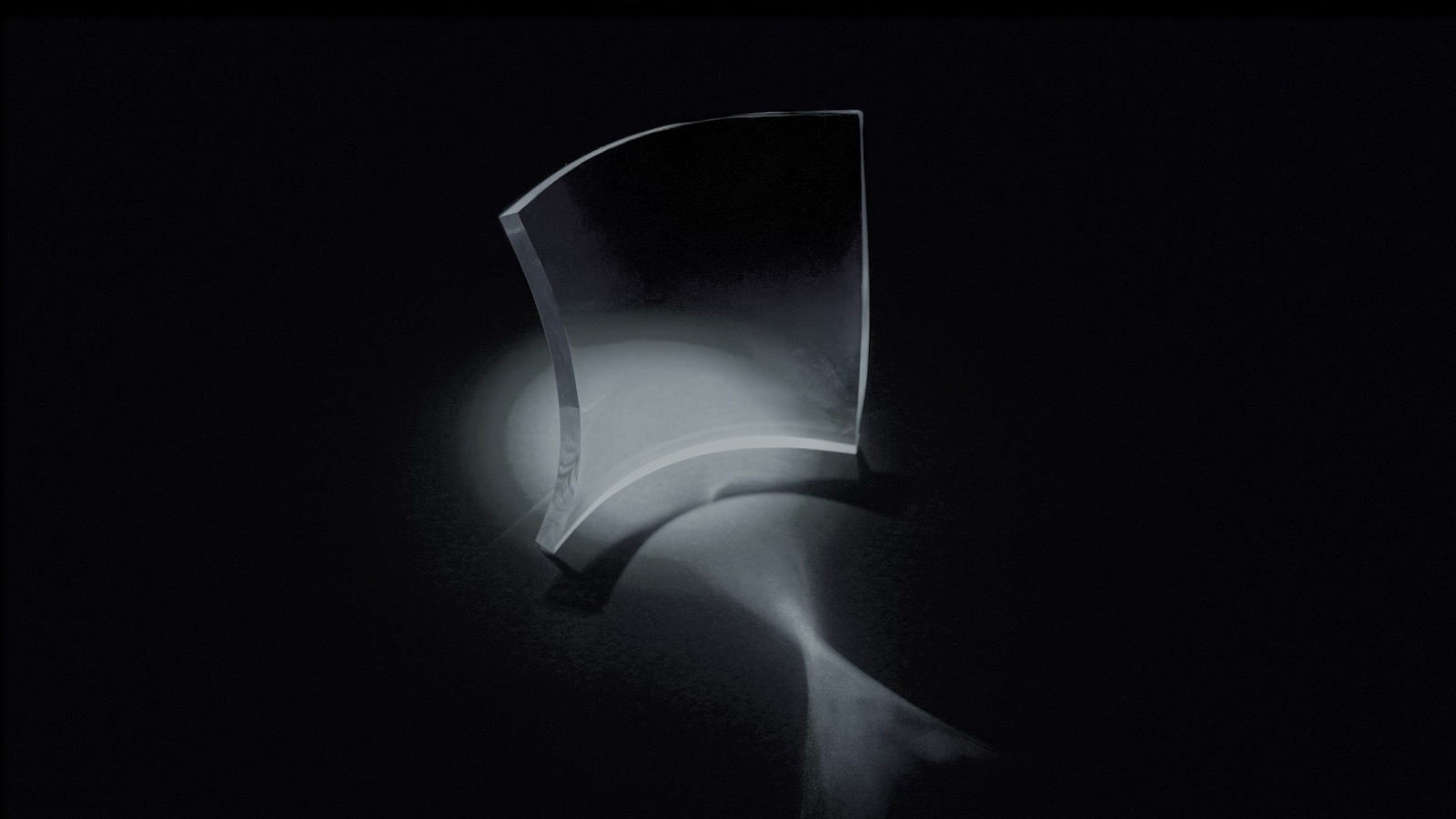
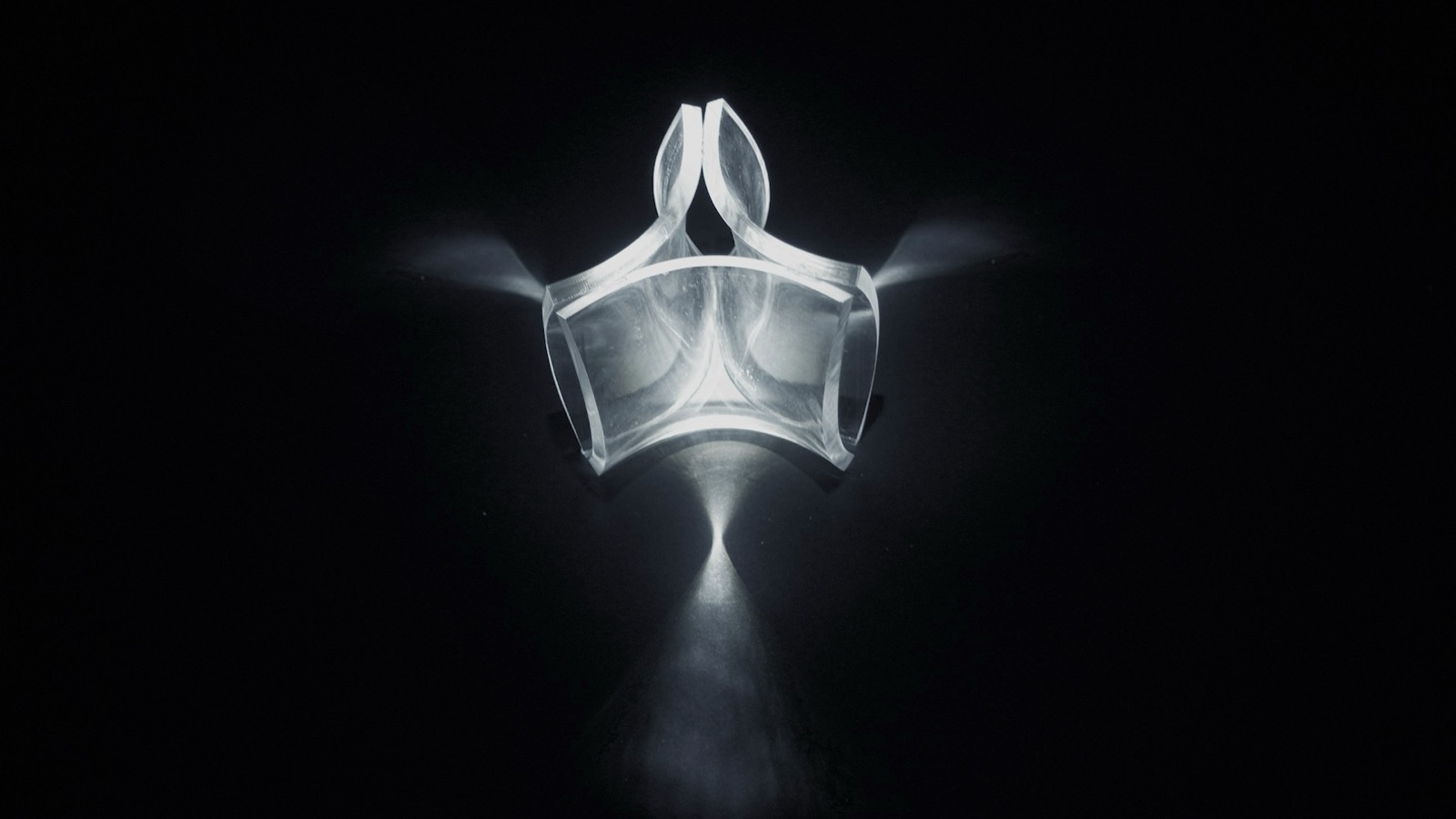
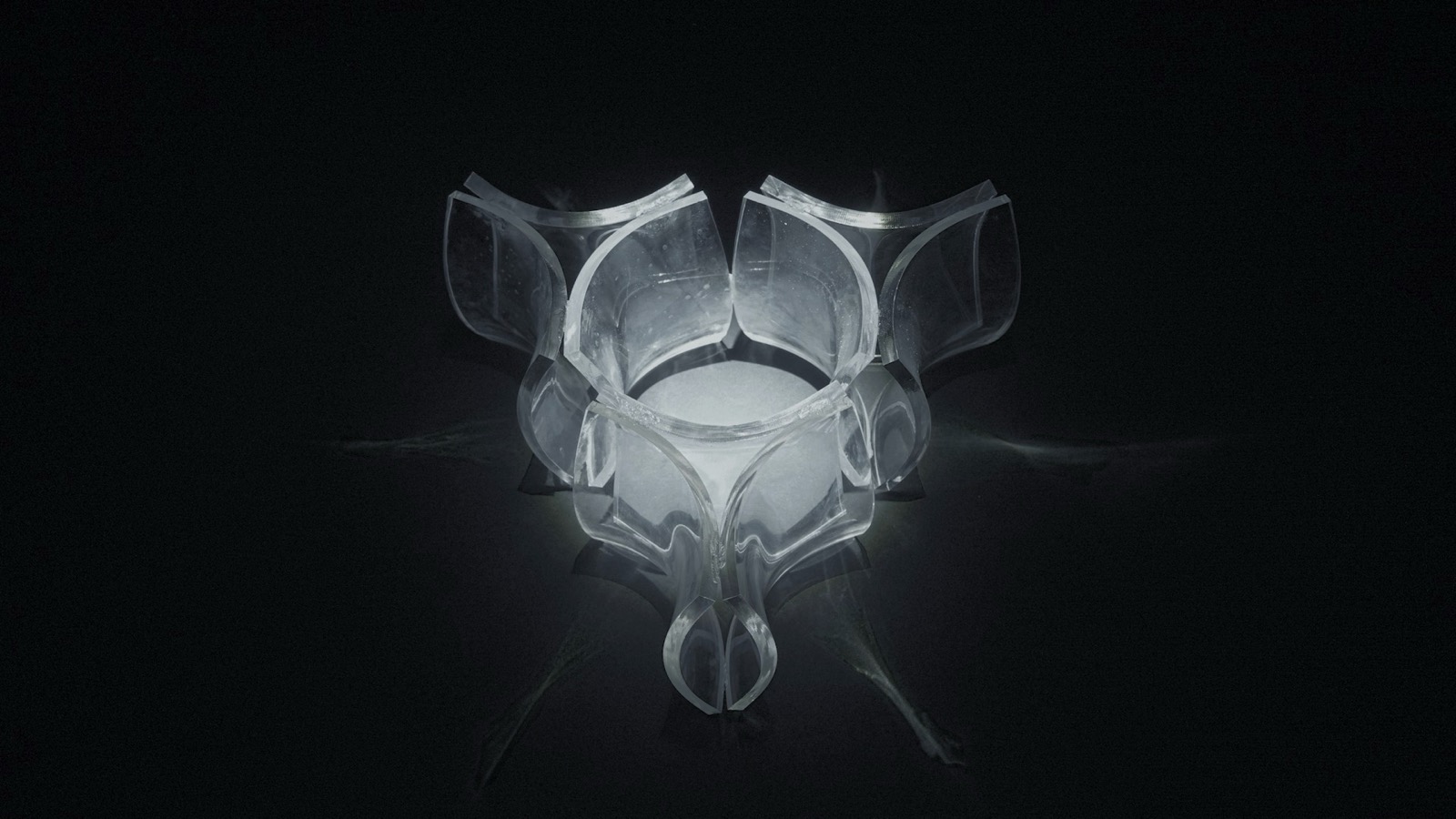
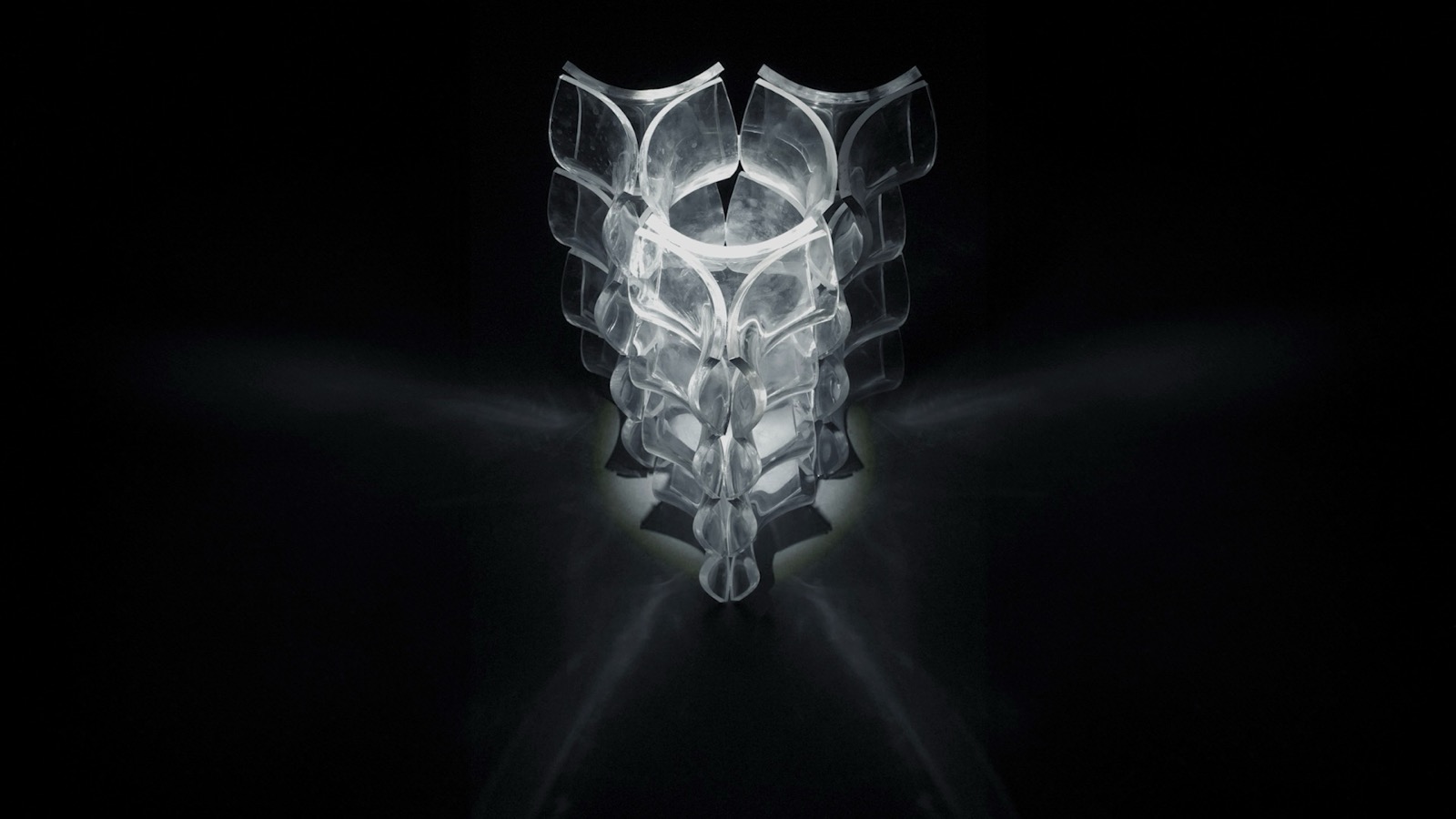
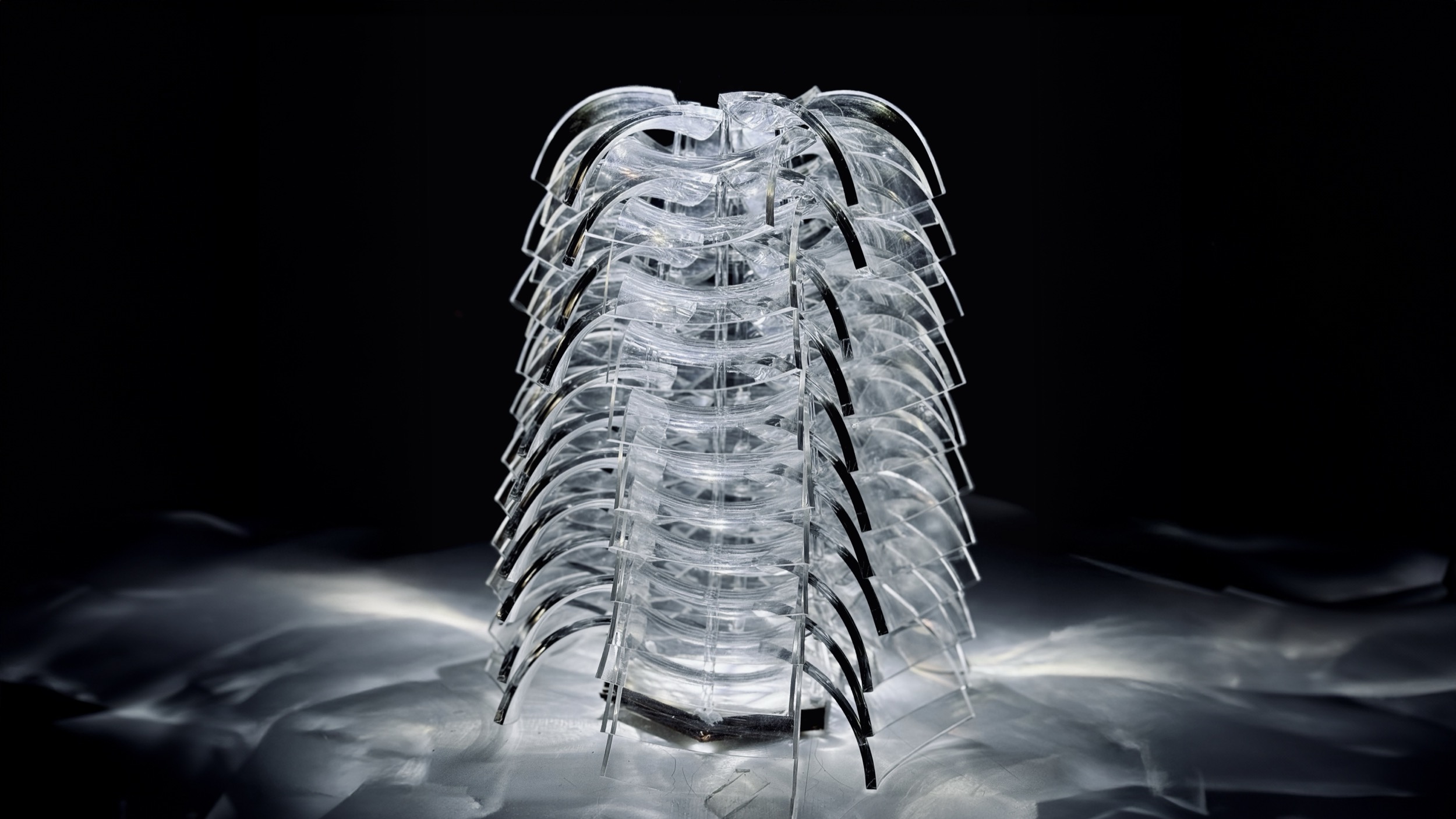
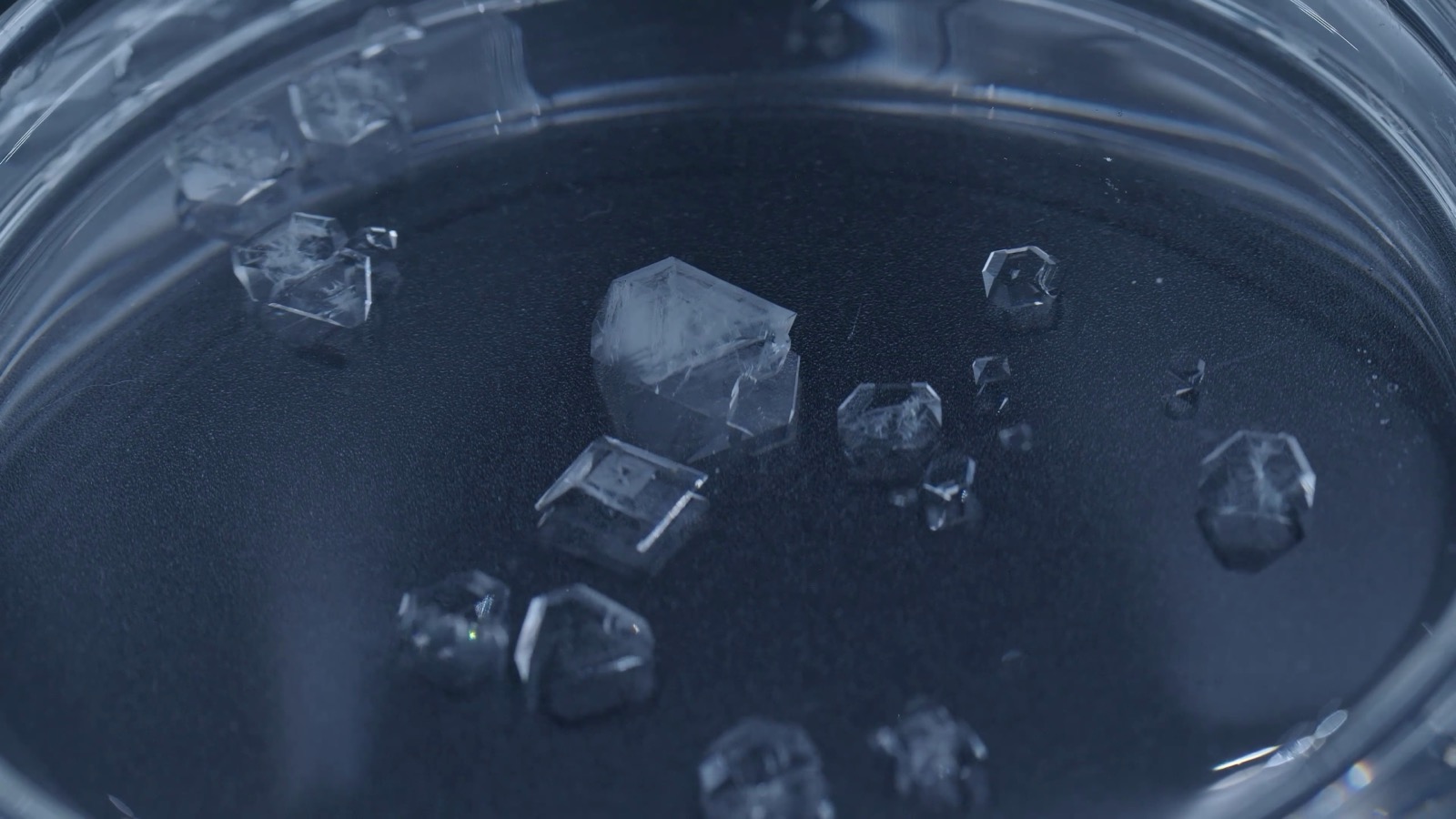

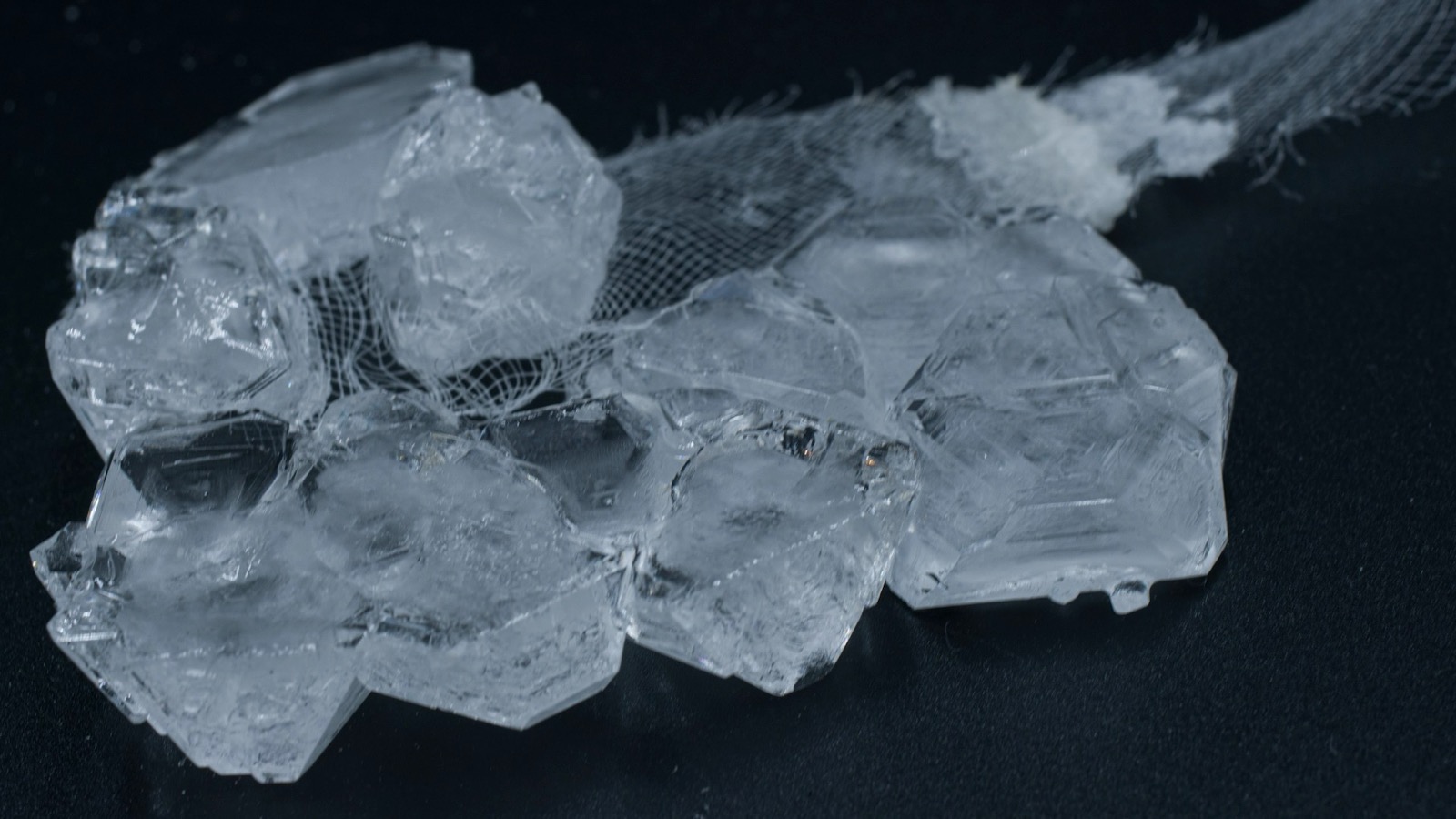
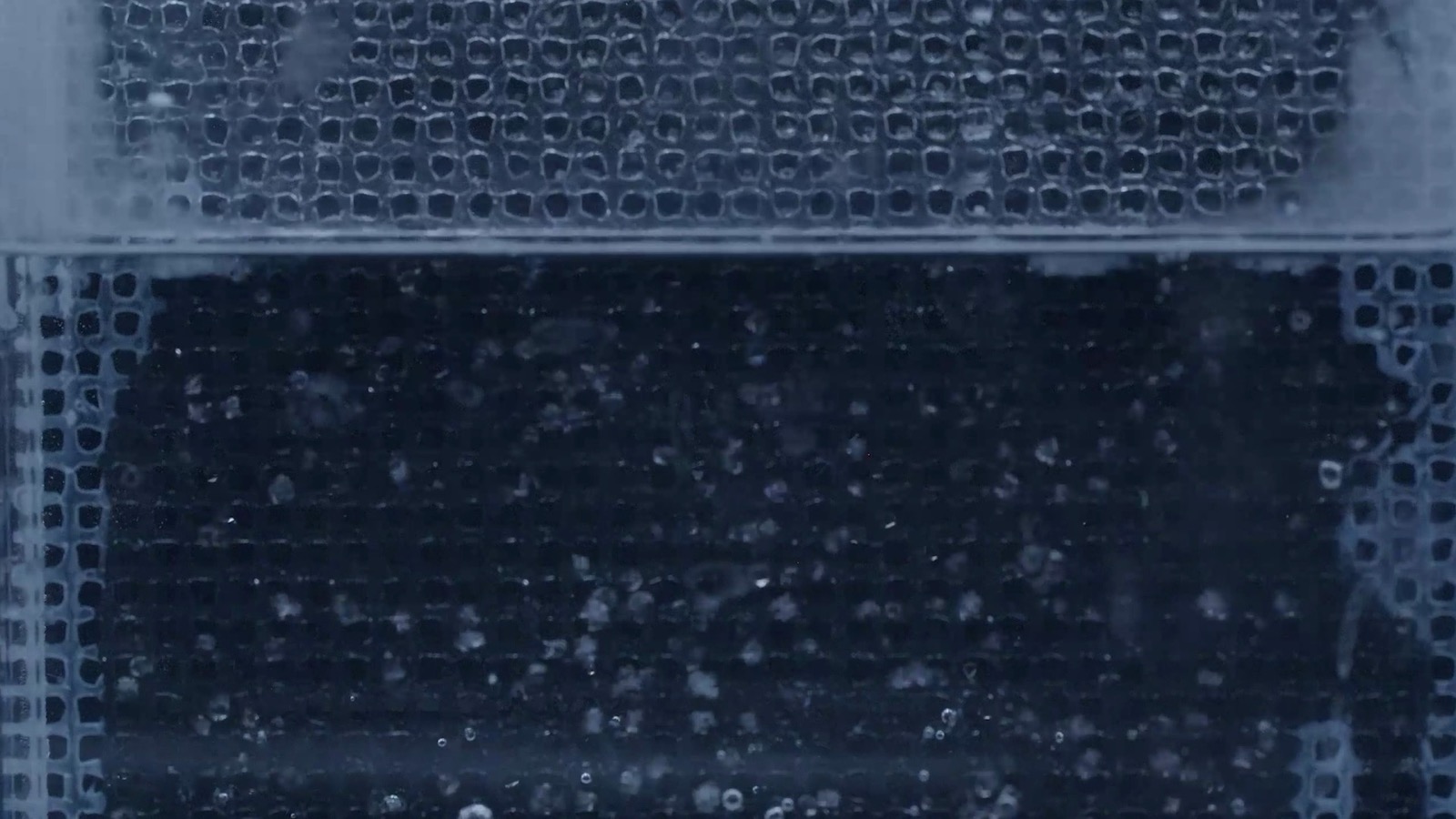
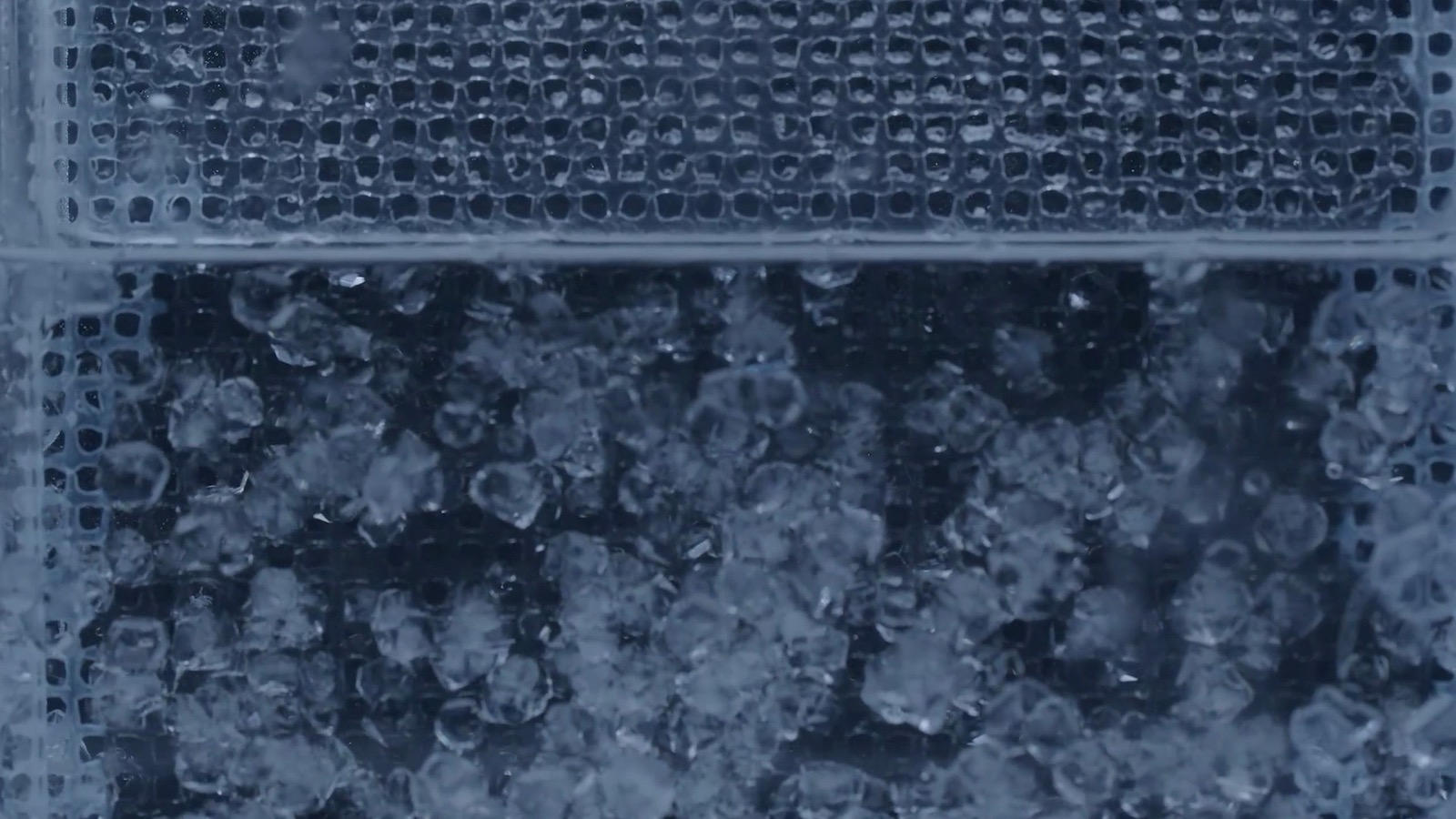

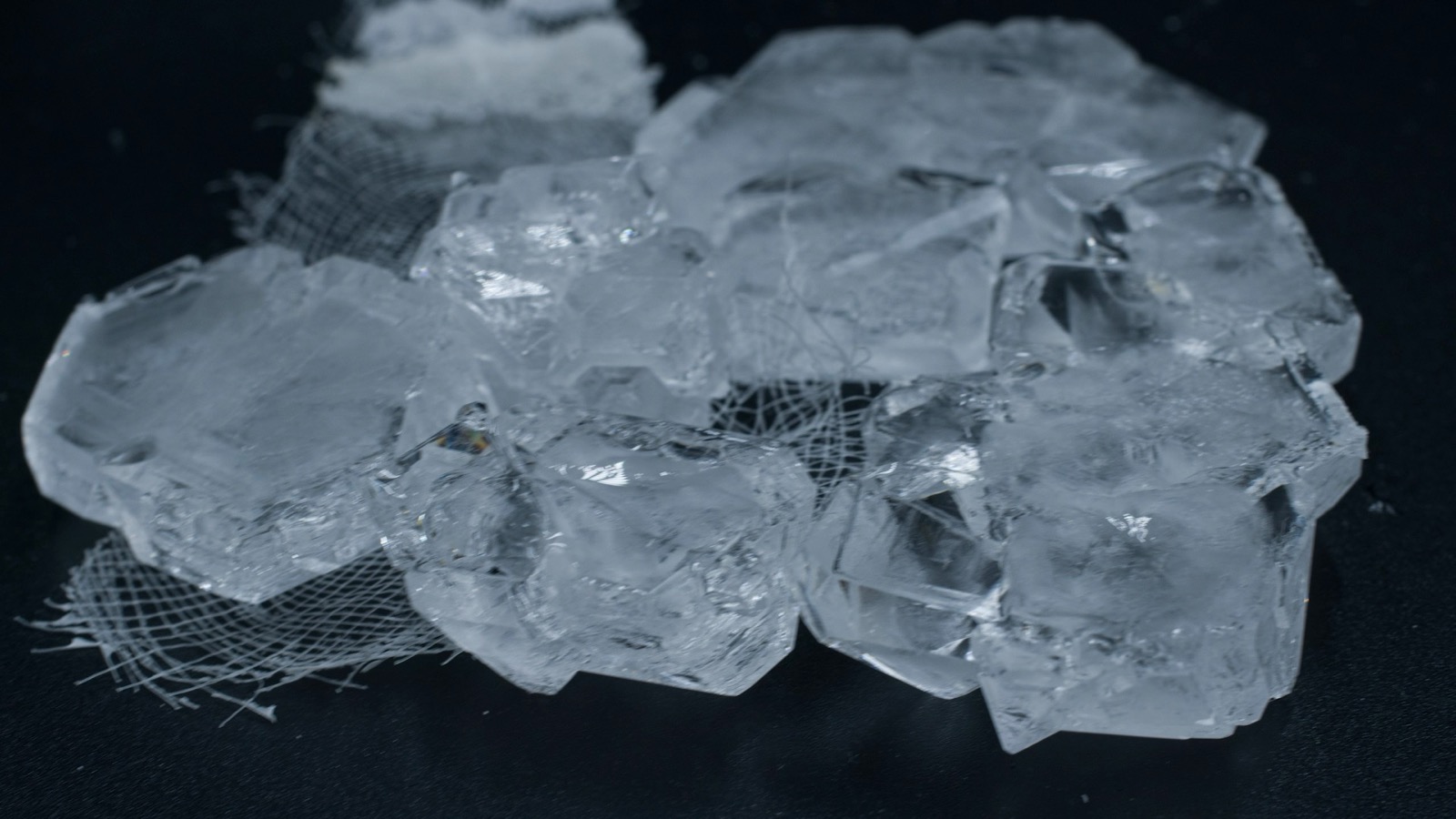



This initial process led to the development of a systematic set of light instruments, through three modes of investigation – a 2D tiling, 3D spatial array, and 4D time-based approach, informed by natural crystalline formations and their ability to scatter light in the atmosphere. In parallel, we computationally simulated light and crystal relationships in the atmosphere, and by parametric variations in crystalline geometry, light is modelled as a responsive environmental system. The results are a catalogue of spatial operations that propose an “artificial nature” as a constructed atmospheric system.
Software and Computational Workflow Used
- Blender – Used for caustic light simulation.
- Houdini – Used for:
- Particle simulation.
- Extraction of dichroic particles.
- Light simulation, particularly to study light behaviour relevant to the project.
- Rhino + Grasshopper – Used for parametric modelling and computational design workflows.
- Matt Ferraro’s open-source software (written in Julia, MIT) – Used to understand and experiment with caustics engineering through a target-based approach. The software solves the Poisson equation to generate surface undulations by mapping the dark and light regions of an input image. This enabled us to explore how desired light patterns can be translated into surface geometry.
Design and Computational Approach
Our workflow combined both target-based and bottom-up approaches. The work with Matt Ferraro’s software represented a target-based approach, where a desired light pattern (the target) informed the generation of the required surface geometry. In contrast, the remainder of the workflow followed a bottom-up, iterative process. Simulations and computational experiments were performed first, the resulting behaviour was analysed, and those observations informed the next design decisions. Rather than prescribing a final outcome from the beginning, the process evolved through continuous testing, evaluation, and refinement based on the results obtained at each stage.
Methodology for Light Simulation - Path Tracing
Path tracing is an advanced form of ray tracing that uses statistical techniques, specifically Monte Carlo integration, to accurately simulate the scattering of light throughout a scene. It traces multiple light paths, calculating how light interacts with surfaces over multiple bounces to capture indirect illumination and global lighting effects. The Monte Carlo method allows for an efficient approximation of the rendering equation by sampling a manageable number of paths and averaging their results to create realistic images. Path tracing, while highly accurate and capable of producing photorealistic images, is computationally expensive due to the complexity of solving light interactions across numerous rays. Recent advancements in GPU technology and algorithm optimization have pushed path tracing toward real-time rendering applications, making it increasingly viable for interactive graphics.
Project Page | AADRL | Linkedin: Archana Prasad, Oluwapelumi Johnson, Rohan Thakker
| PROJECT CREDITS | |
| Project Team | Archana Prasad, Oluwapelumi Johnson, Rohan Thakker |
| Studio Head & Mentor | Dr. Theodore Spyropoulos |
| Tutors | Hanjun Kim, Octavian Mihai Gheorghiu, Apostolos Despotidis |
| School | AADRL |