
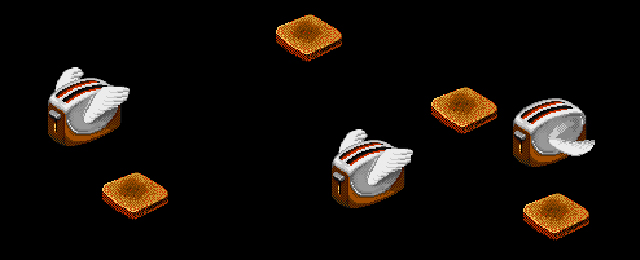
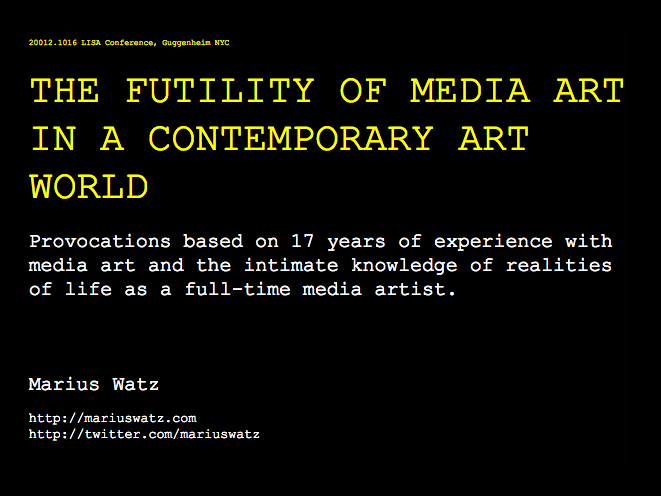
While the euphoric, dynamic forms of computational artist Marius Watz are probably quite familiar to CAN readers, the artist’s curatorial and educational undertakings should definitely not to be overlooked. As an extension of his practice, Marius consistently organizes prescient and formative exhibitions and workshops (see the upcoming Generator.x 3.0: From Code to Atoms) and often teaches within various design and architecture schools across Europe and North America. Marius just posted the above slideshow of an upcoming teaching exercise that he’ll be overseeing at the The Oslo School of Architecture and Design (AHO) and it is worth clicking through. Entitled “Screensaver Culture” the assignment is a critical reflection on the current potential of the screensaver given that the days of CRT monitor burn-in have long passed. In setting up the exercise, Marius provides a chronological lists of essential precedents including scrnsave (1983), After Dark (1989), SETI@home Classic (1999-2005) and reconsiders that lineage in light of contemporary computing (and data practice) trends to extrapolate a range of approaches that his students might employ. Check out Marius’ slide deck and assignment brief – it offers a surprisingly compelling retelling of an easily overlooked topic within the broader history of computer graphics.



Activity Log
Join our Community to View/Add Comments.
Title
Excerpt
Metadata
Color

The Reality Editor – Networking functional relationships between physical objects
Developed at the MIT Media Lab's Fluid Interfaces Group, Reality Editor allows users to merge digital and physical realities into a unified experience.
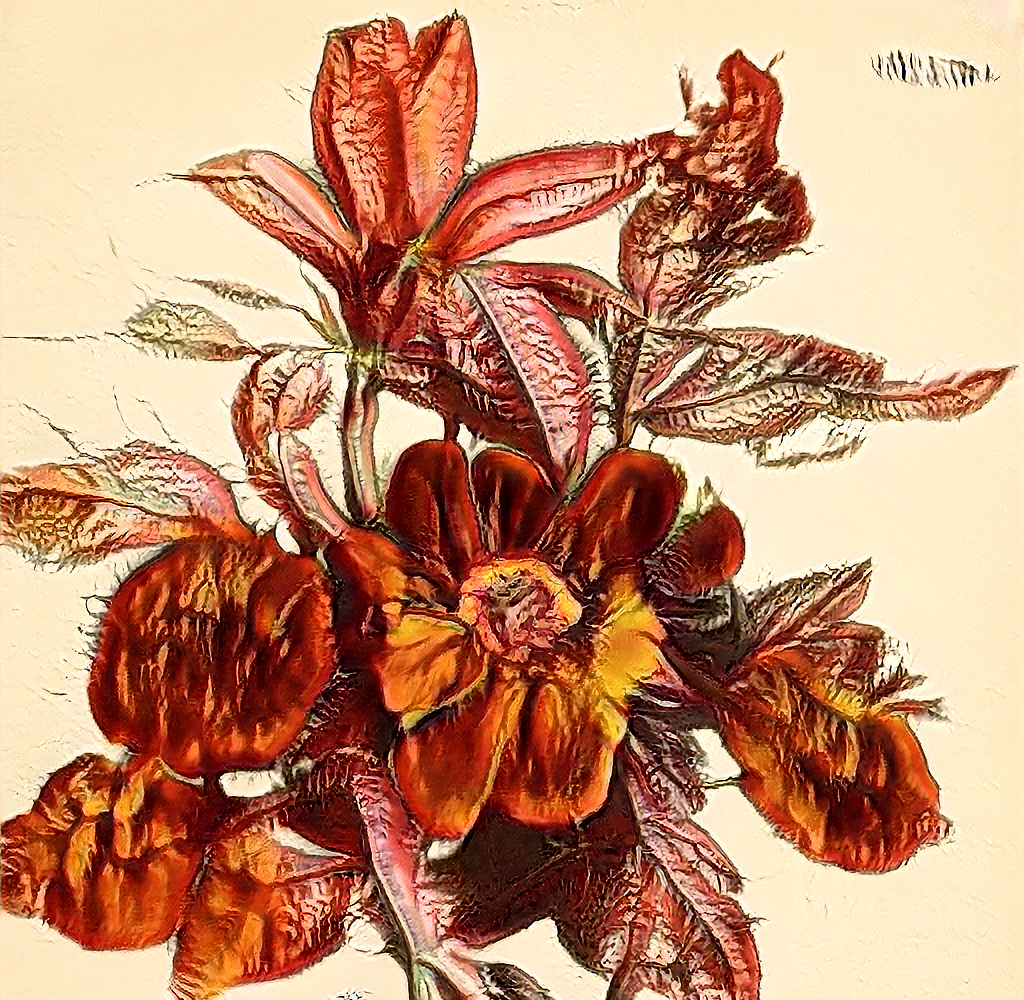
XXI Century Herbario Novo – Artificial Botany by fuse*
'Artificial Botany' by fuse* is an ongoing project which explores the latent expressive capacity of botanical illustrations through the use of machine learning algorithms.

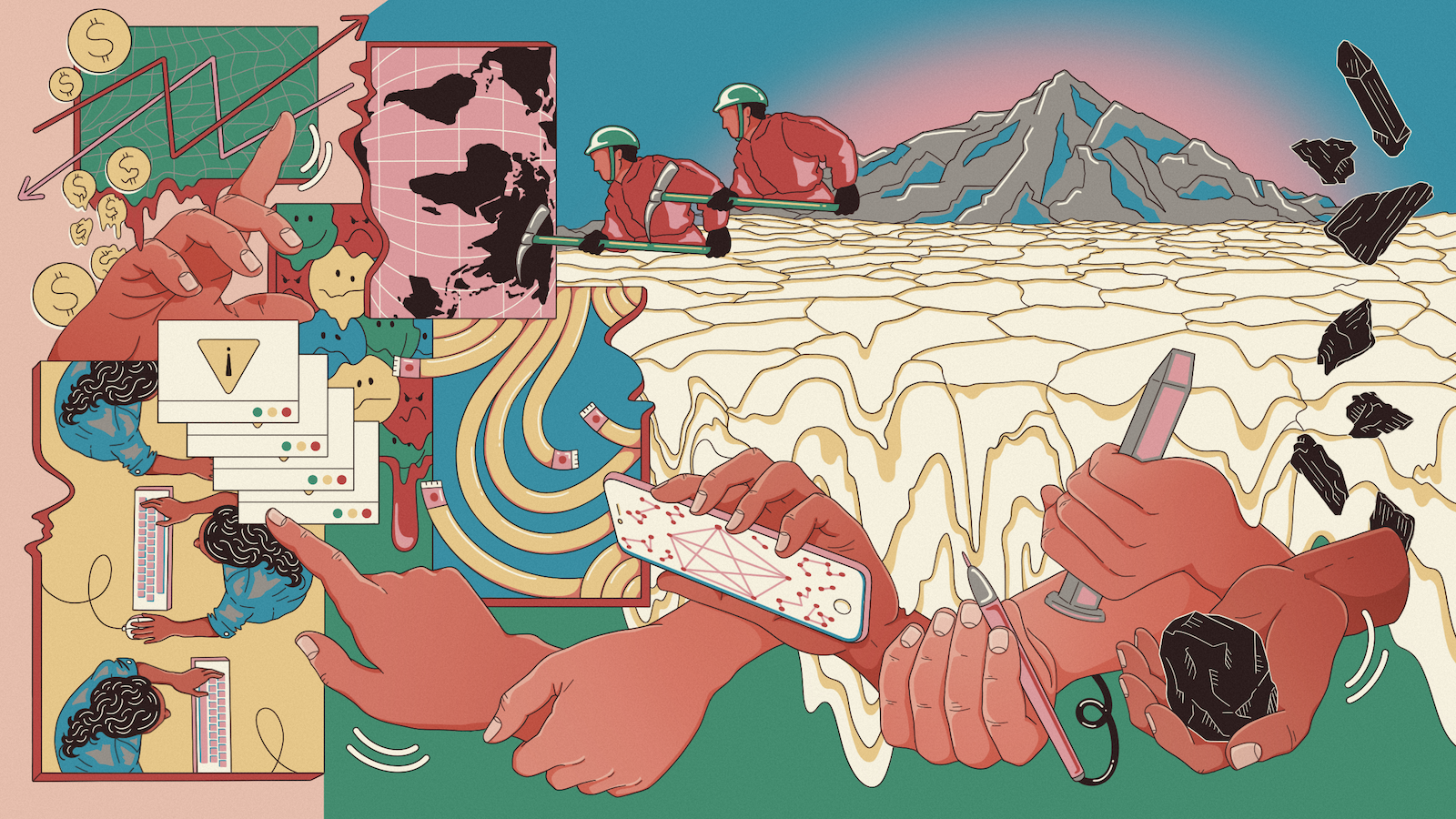
Critical Futures Talks: a new event and podcast series from the Master in Design for Responsible AI by Elisava and IAM
A new series of hybrid events, interviews, and a podcast featuring a range of eclectic perspectives from faculty, current program participants, and special guests on the intersection of Responsible AI, media, and design in a state of climate emerg...
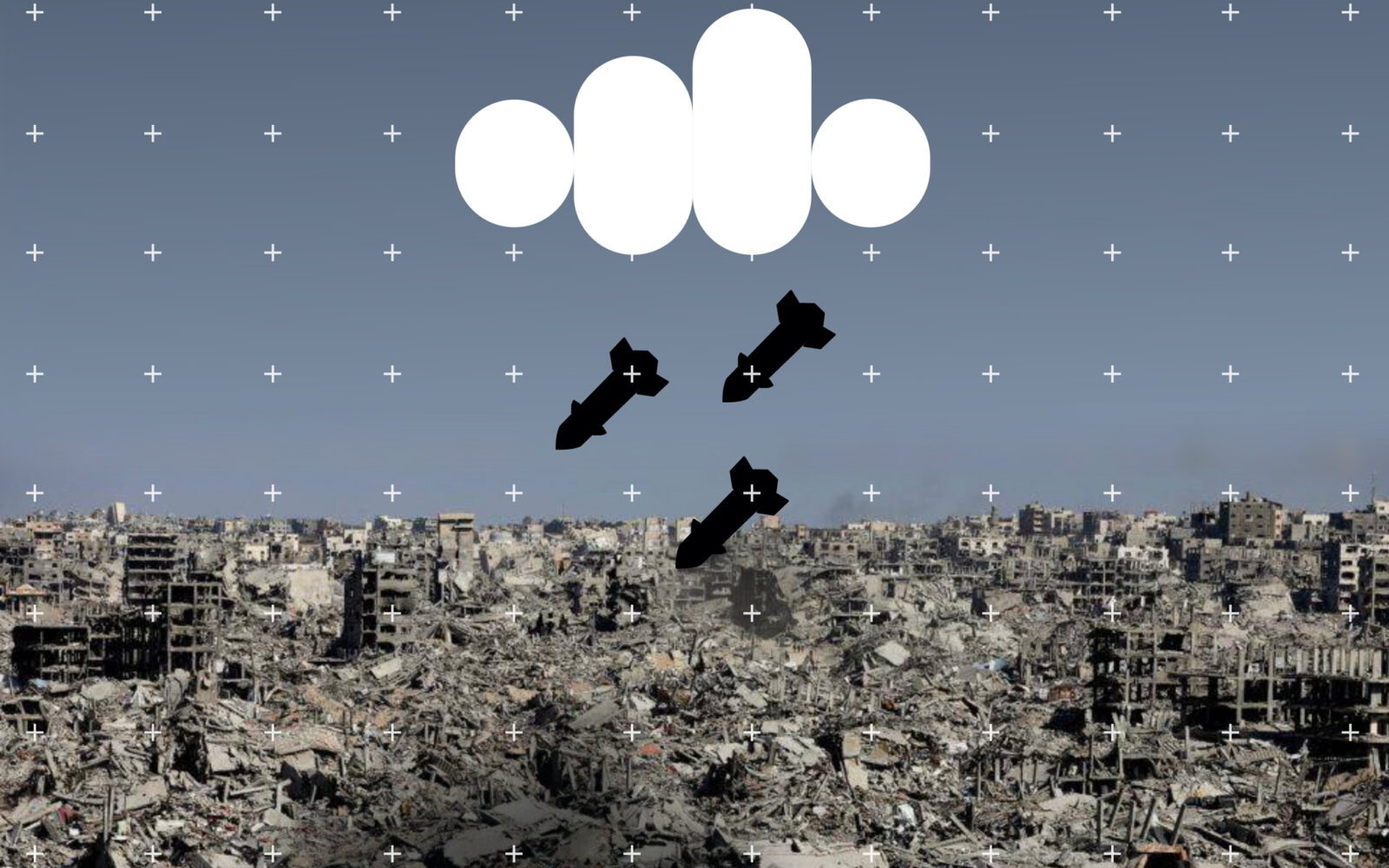
Predictive Capital – Roads to terminal alienation, soil to server farm, reason to vibe
So-called ‘AI’ —more accurately: Predictive Capital— is the latest instrument in Capital’s apparatus of alienation. It steals our work, simulates our labour, reanimates our expression, autocompletes our thought, then pronounces us dead.
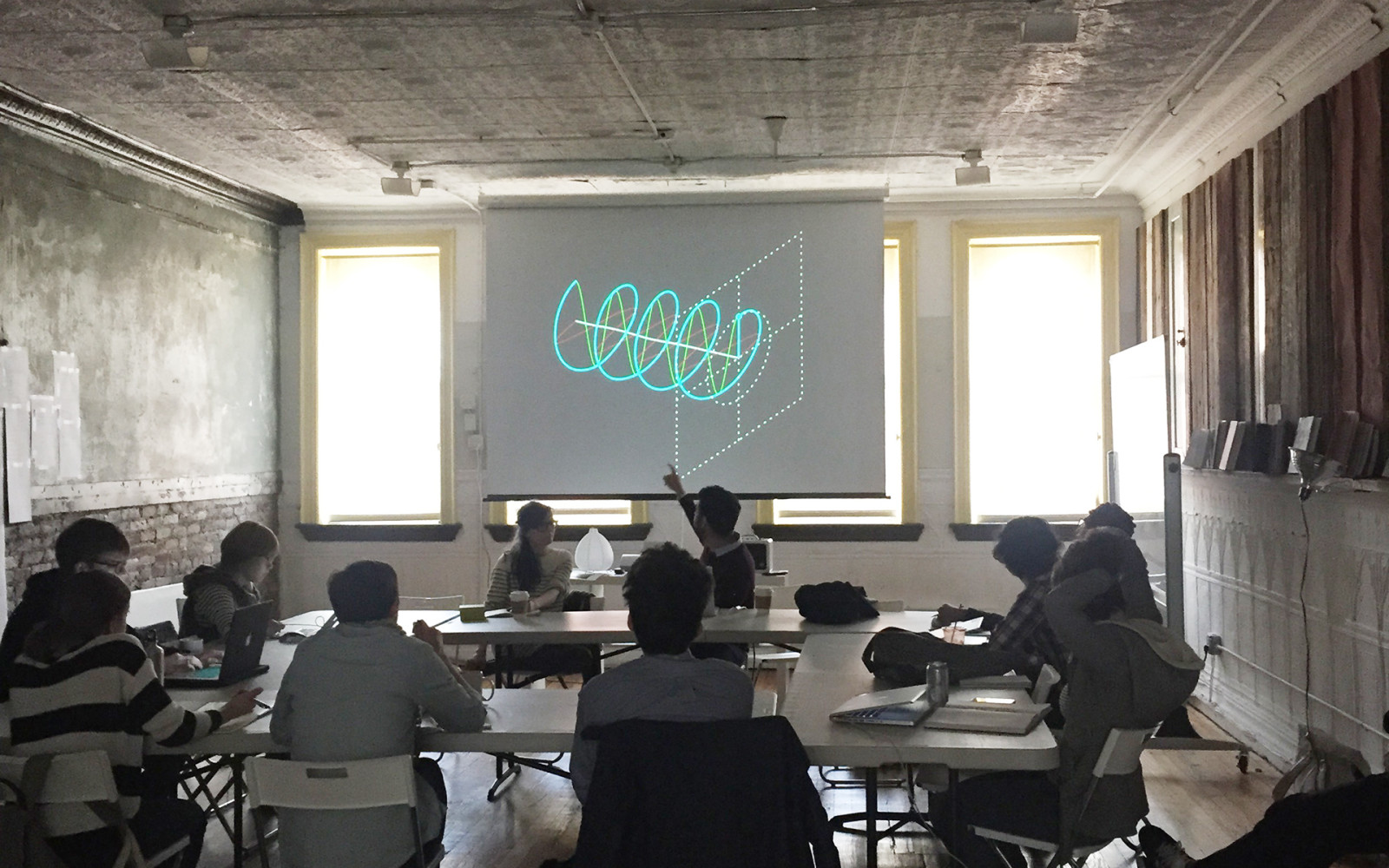
Teaching and learning at SFPC, Conversation with Allison Parrish and Surya Mattu
School for poetic computation (SFPC) is a hybrid of school, artist residency and research group in New York City. One of it's founders, and teachers, Taeyoon Choi speaks to two artists who taught at SFPC, about their experience of teaching and art...
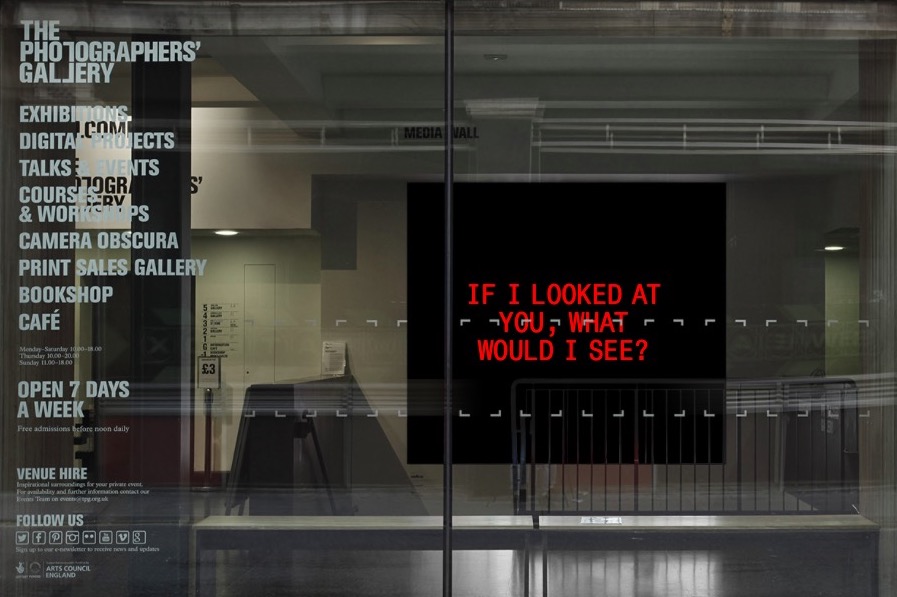
Decision Space – Conceptual dataset for machine learning
Created by Sebastian Schmieg, 'Decision Space' explores how new datasets can enable new experiments in teaching computers how to understand images within a set of meaningful and complex categories.
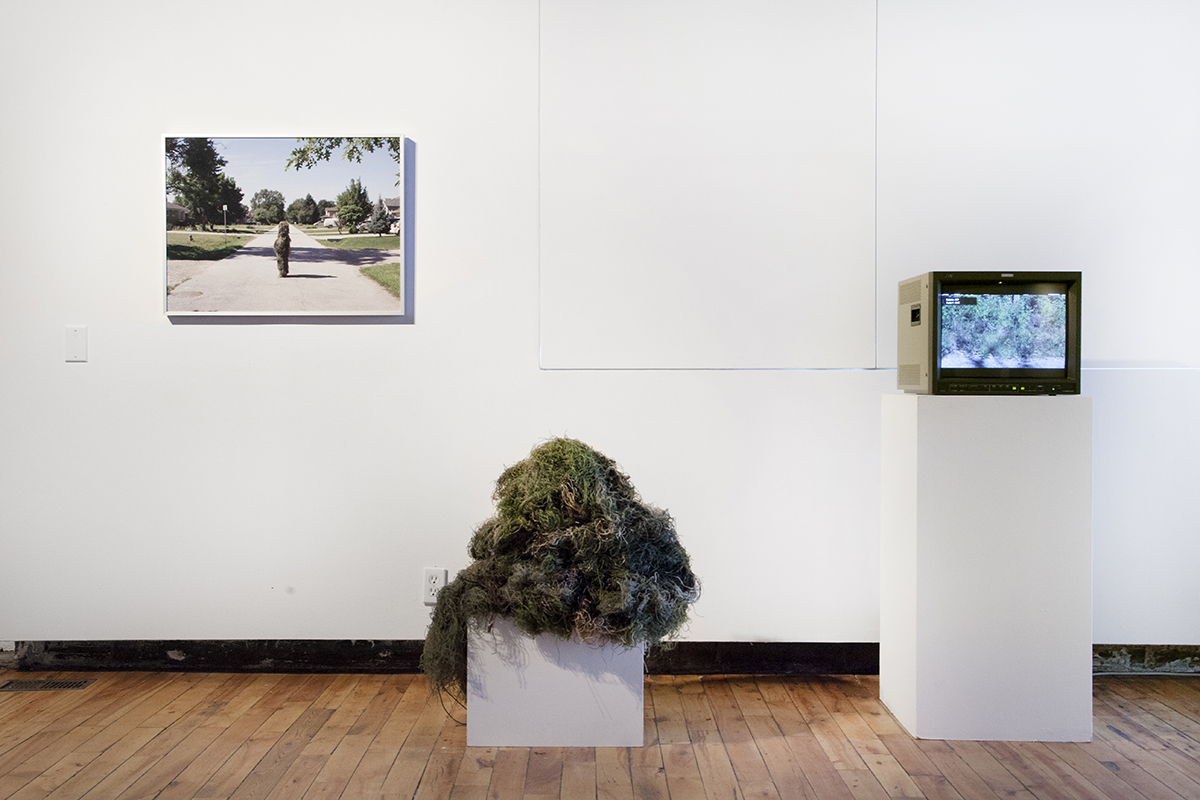
Abstract Ecologies – A Conversation with Amber Christensen
“There Should be Gardens” is the title of the 14th edition of InterAccess’s Emerging Artists Exhibition. Drawing on her research in feminist/queer curatorial and media arts practices, the exhibition is curated by Toronto’s Amber Christensen and sh...
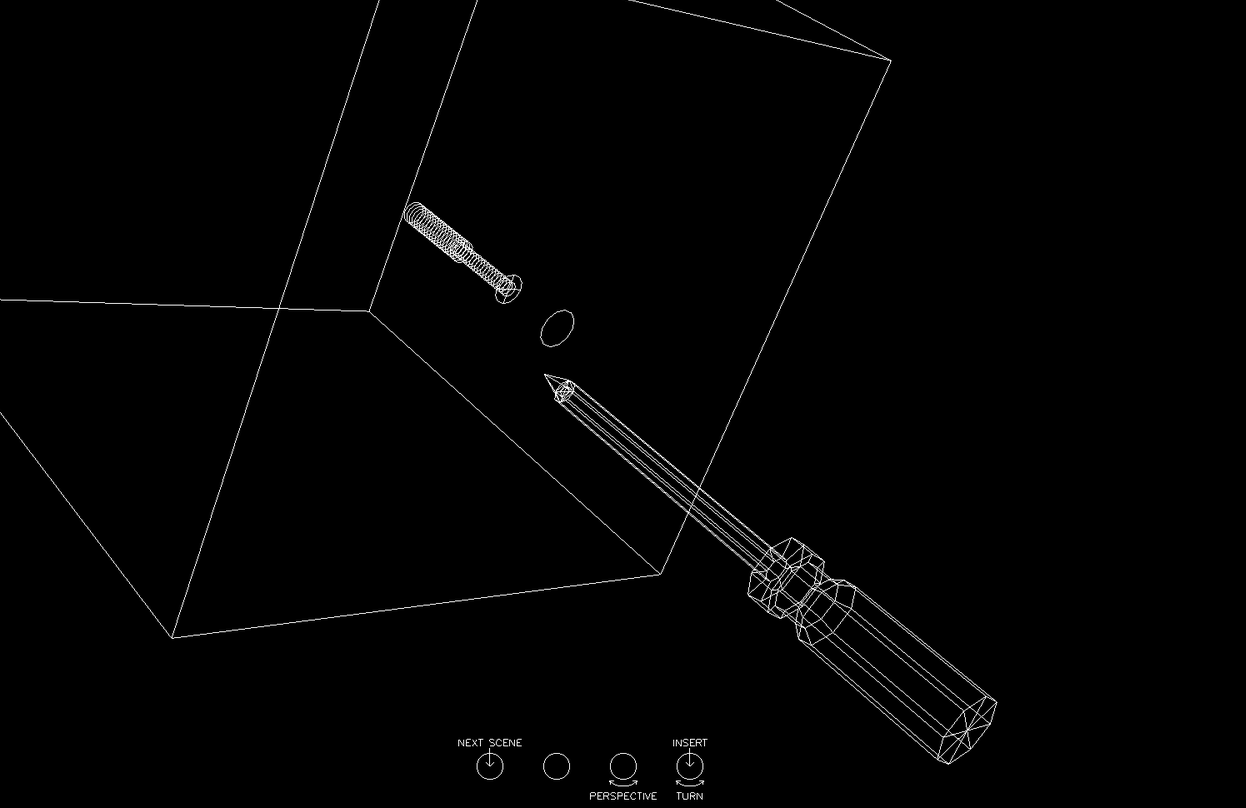
Semi-Realistic Rotary Experiences – Reverse engineering physical interaction
Created by Lingdong Huang at the Future Sketches Group (MIT Media Lab), “Semi-Realistic Rotary Experiences” is a set of experiments exploring augmentation of real life physical gestures of rotating things.
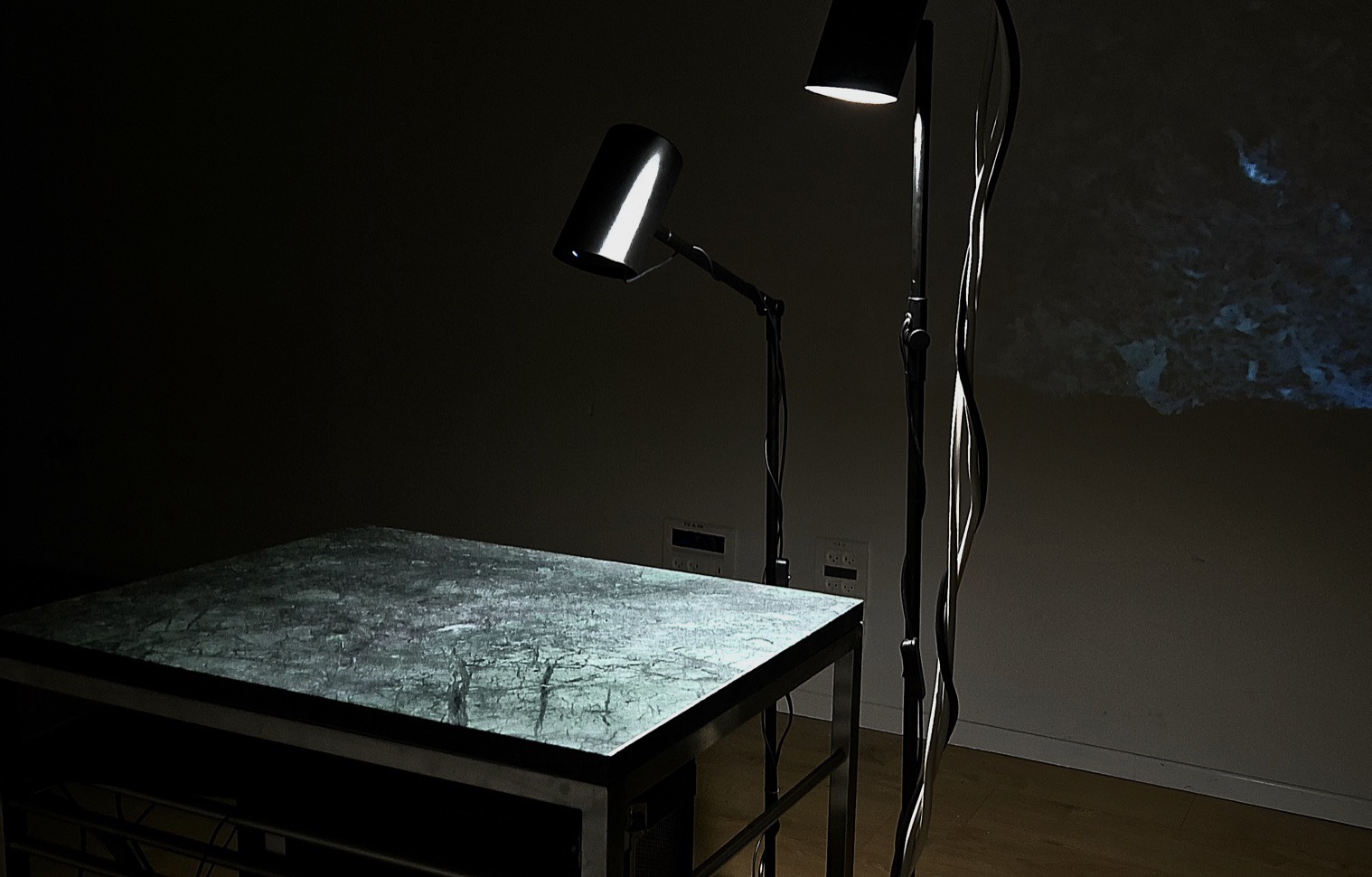
Zero Range – Documenting the unbearable in a culture of systematic filtering
Zero Range is an interactive installation that exposes the administrative violence of data that is recorded but ignored. It highlights how available information about violence vanishes through systematic disregard and filtering.