Modern life would not be possible without the electromagnetic waves carrying our data. As important as it is, we have a limited conception of how this system actually works. We imagine information magically popping up at the right place or beaming straight from a cell tower to our phones.
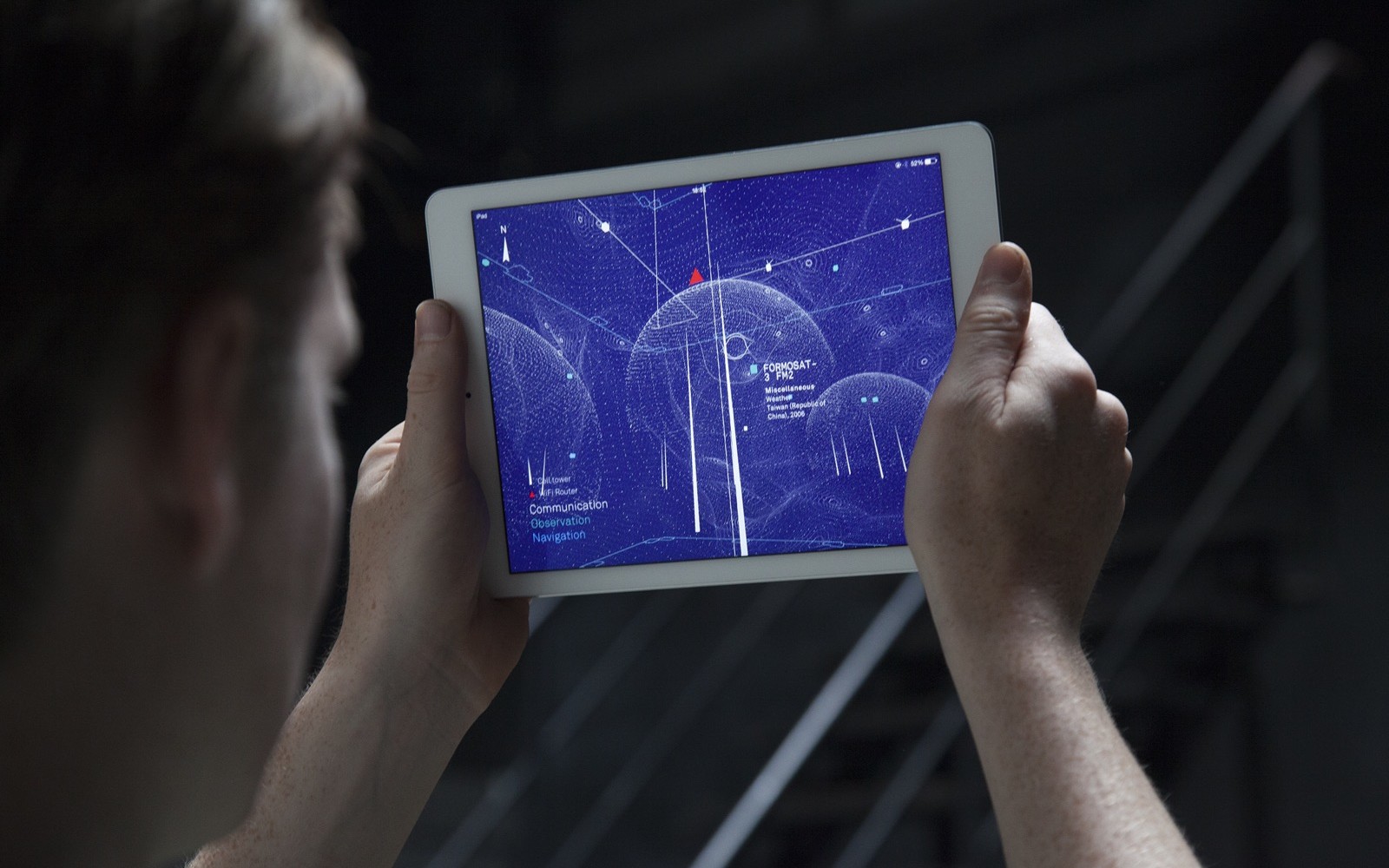
Reality however, is much more complex and much more interesting. Electromagnetic fields are a spatial medium inhabiting spaces like cities, buildings, and our bodies. They are three-dimensional and interact with their surroundings. As we move through a city with our cell phones, we carry an electromagnetic “aura” that moves through buildings and objects and morphs its shape in reaction to their physical and electrical properties.
What if we could see this dimension? What does a city look like when you visualize the interaction between architecture and information?
We cannot perceive electromagnetic waves, and the scale and makes it difficult to measure the characteristics of the electromagnetic signals around us. However, their behaviour is well understood and given a detailed three-dimensional map and enough computing power can be simulated.
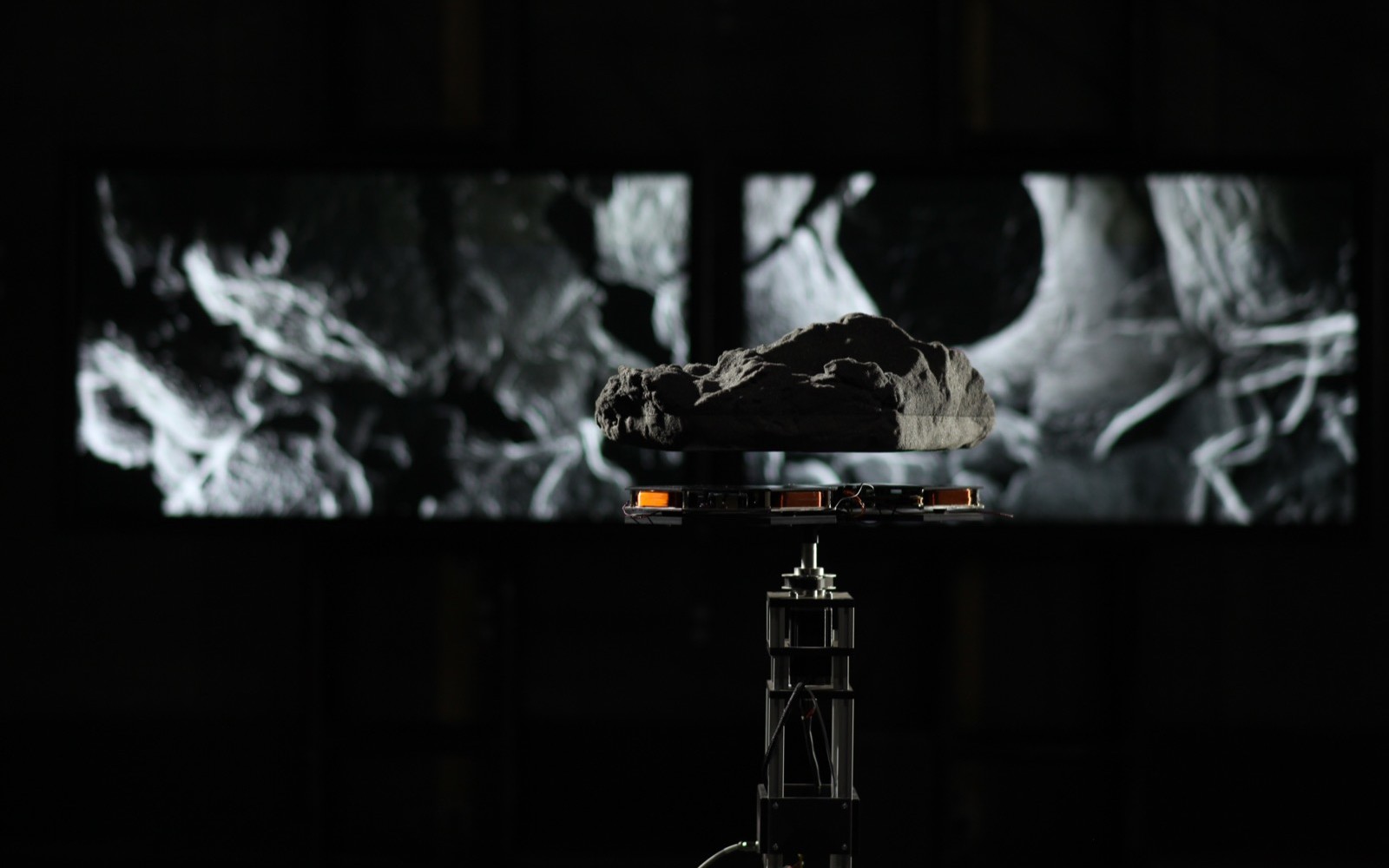
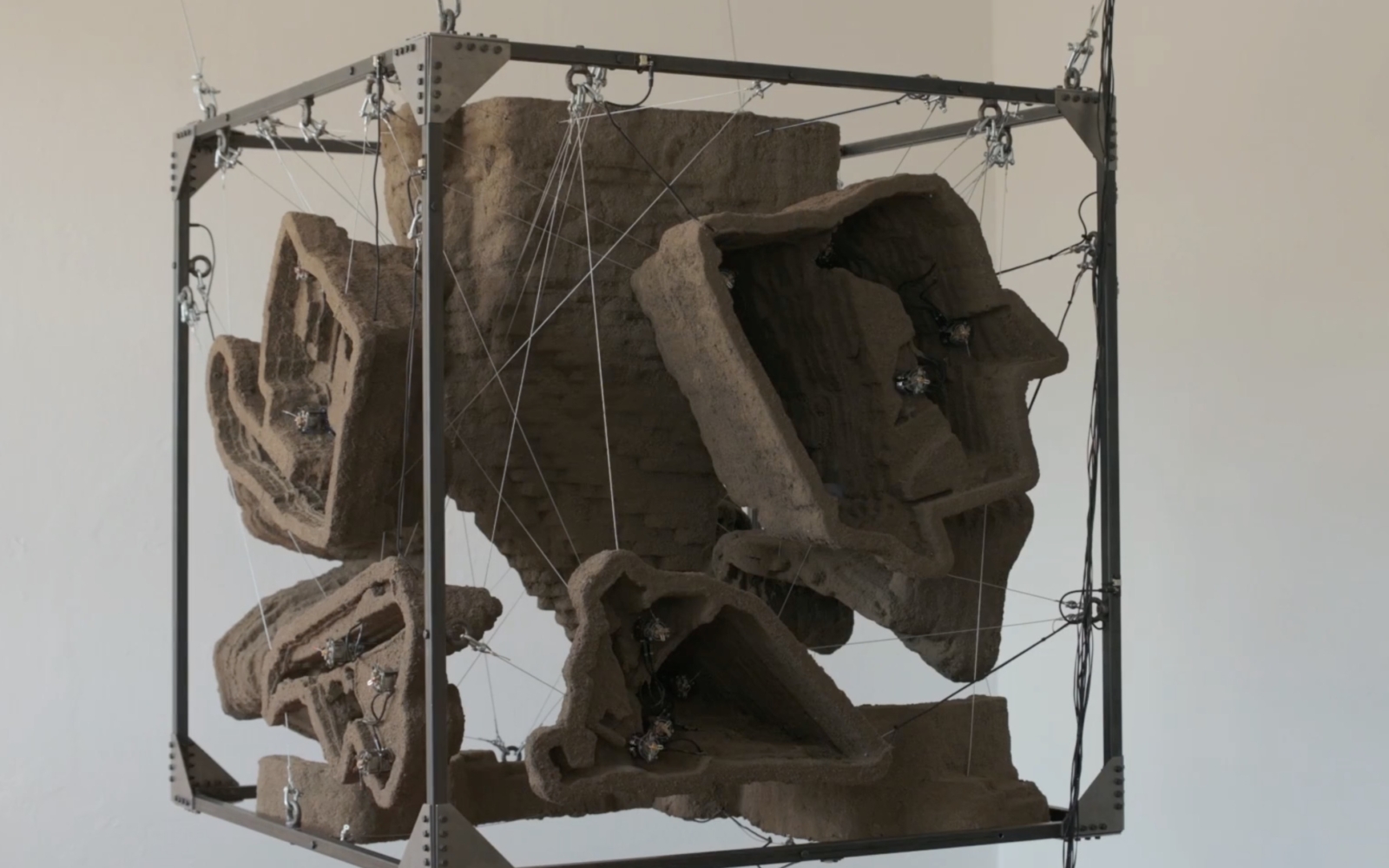
In collaboration with the Barcelona Supercomputing Centre and Altair Engineering I was able to simulate the behaviour of the electromagnetic cloud from a single cell-phone in different urban environments and visualize how the electromagnetic waves are absorbed and reflected by their surroundings. The results reveal an invisible dimension of reality, a hybrid of architecture and data, as cathedrals of information.


We used the FEKO industrial wave simulation software from Altair simulate the behaviour of electromagnetic waves in space, running the software on the recently completed MareNostrum 5 supercomputer. After computing on 768 cores for two months, the simulation resulted in 1.5 TB of simulation data that reveals the electromagnetic cloud of a single cellphone broadcasting at 800 MHz in two locations in Rotterdam (NL) and Barcelona (ES).
The raw simulation data was visualised using a custom Houdini visualisation pipeline and rendered using Blender. The video soundtrack was recorded with a HackRF SDR in the 800MHz band.
An interactive visualisation shows how different frequencies produce different shapes.
This project is the result of a S+T+ARTS residency at the Barcelona Supercomputing Center, supported by S+T+ARTS Air, Altair Engineering, RCR Architects, Barcelona Supercomputing Centre, In4art, HLRS and Fundación Épica