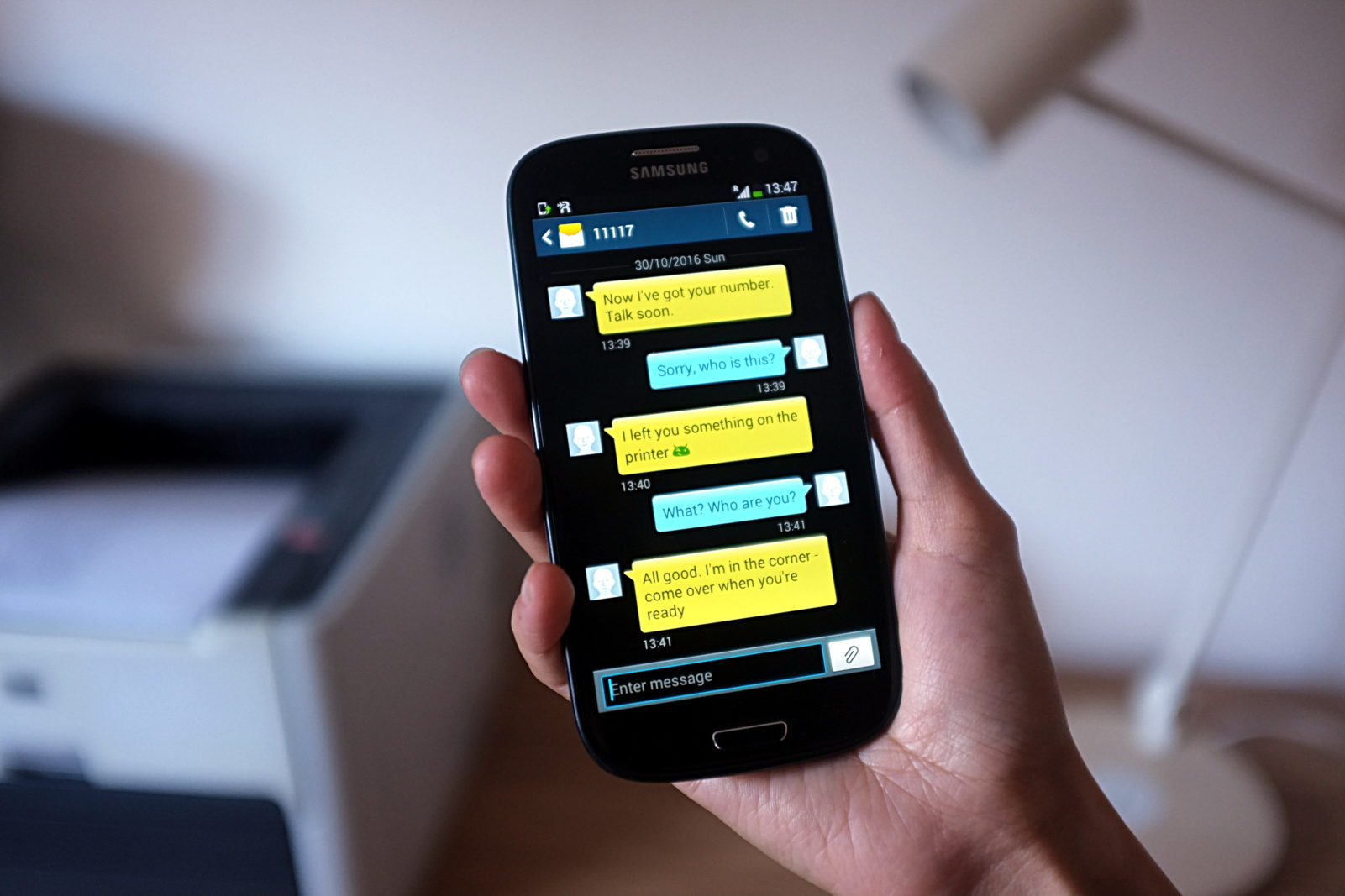
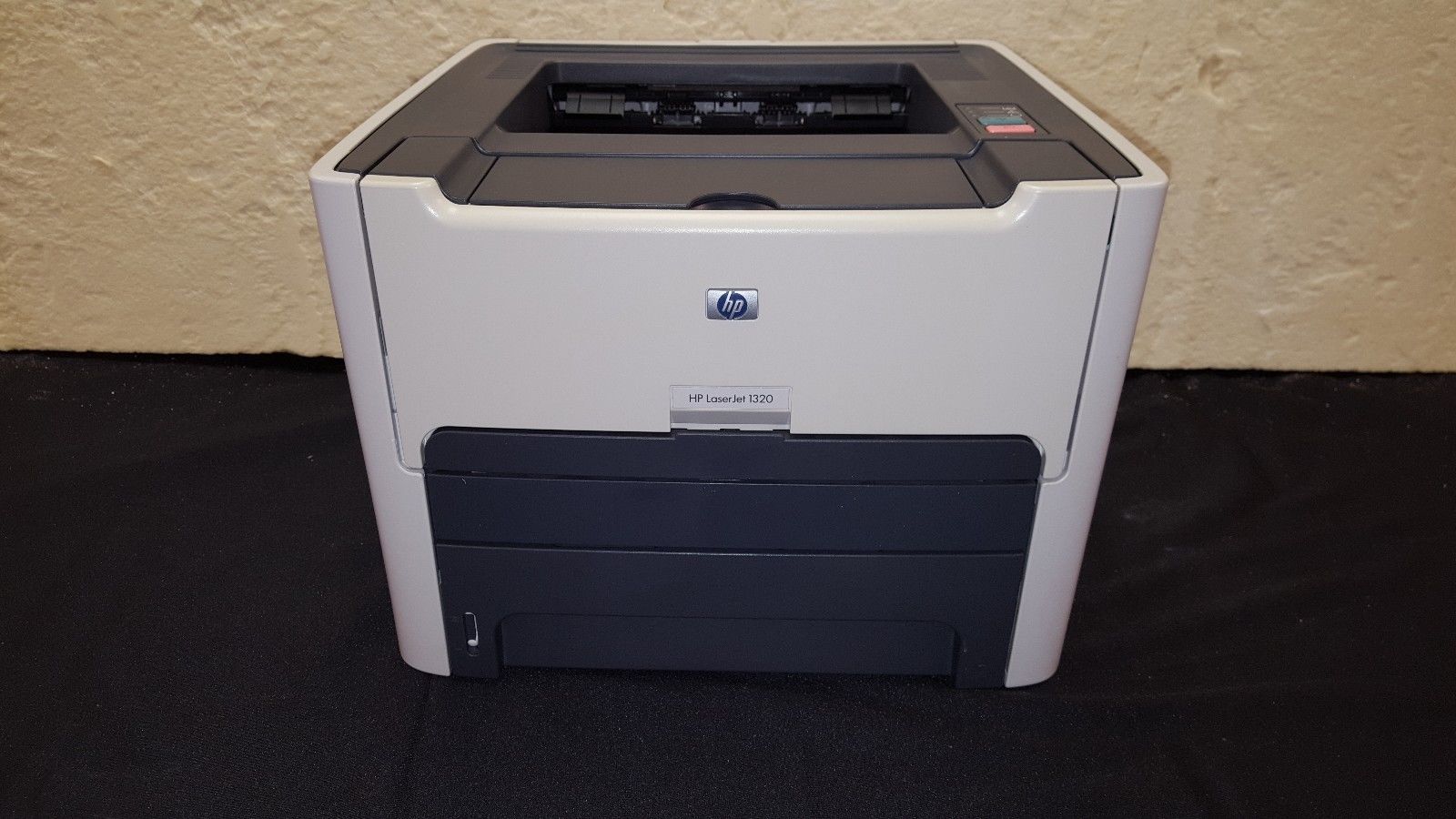
Riffing on the urban infrastructure practice of disguising cell towers as trees and architecture, Julian Oliver’s Stealth Cell Tower camouflages an “antagonistic GSM base station” as a nondescript laser printer. The device detects nearby mobile phones, grabs their signals and sends them SMS messages that feign familiarity – and the occasional Stevie Wonder “I Just Called To Say I Love You” voice call serenade – pranking their owners. Leveraging the same technology as the ‘StingRay’ ISMI-catching devices that have seen widespread use in illegal (or at least very dubious) surveillance in recent years, Stealth Cell Tower draws attention to the reach and impact these techniques have – with a ‘white hat’ wink and a smile rather than maliciously compromising the security of those that wander by.


↑ Left: BladeRF SDR board and Raspberry Pi 3 interfacing with printer mainboard / Right: USB device charger converting the printer’s power supply
In his documentation of the project Oliver notes the search for a printer to house his device took some work; the HP Laserjet 1320 that he settled on was not chosen as the host of his device for aesthetic reasons, it was simply the only printer (that he tested) with enough space for his assembly (a BladeRF x40 RF transceiver, Raspberry Pi 3, a pair of short GSM omnidirectional antennae, a cigarette-lighter-to-USB-charger circuit, various cables). Because subterfuge is important, he proudly notes “no cables, other than the one standard power-cord, are externally visible.” YateBTS was used to set up and control the GSM/GPRS radio access network and nib.js (SMS conversation) and welcome.js (voice calls) for passerby ‘outreach’. Just plant Stealth Cell Tower in a cubicle farm in the dead of night, make popcorn and wait for unsuspecting office workers to arrive the next morning, and watch the confusion ensue.
It’s worth noting where this project sits in the spectrum of forms Oliver evokes with (some of) his other hardware provocations. The appearance of Transparency Grenade (2012, covered here on CAN) and No Network (2013) underscore each device’s functionality – they have a visual polemic – whereas Stealth Cell Tower’s subversiveness is heightened by the banality of its enclosure.