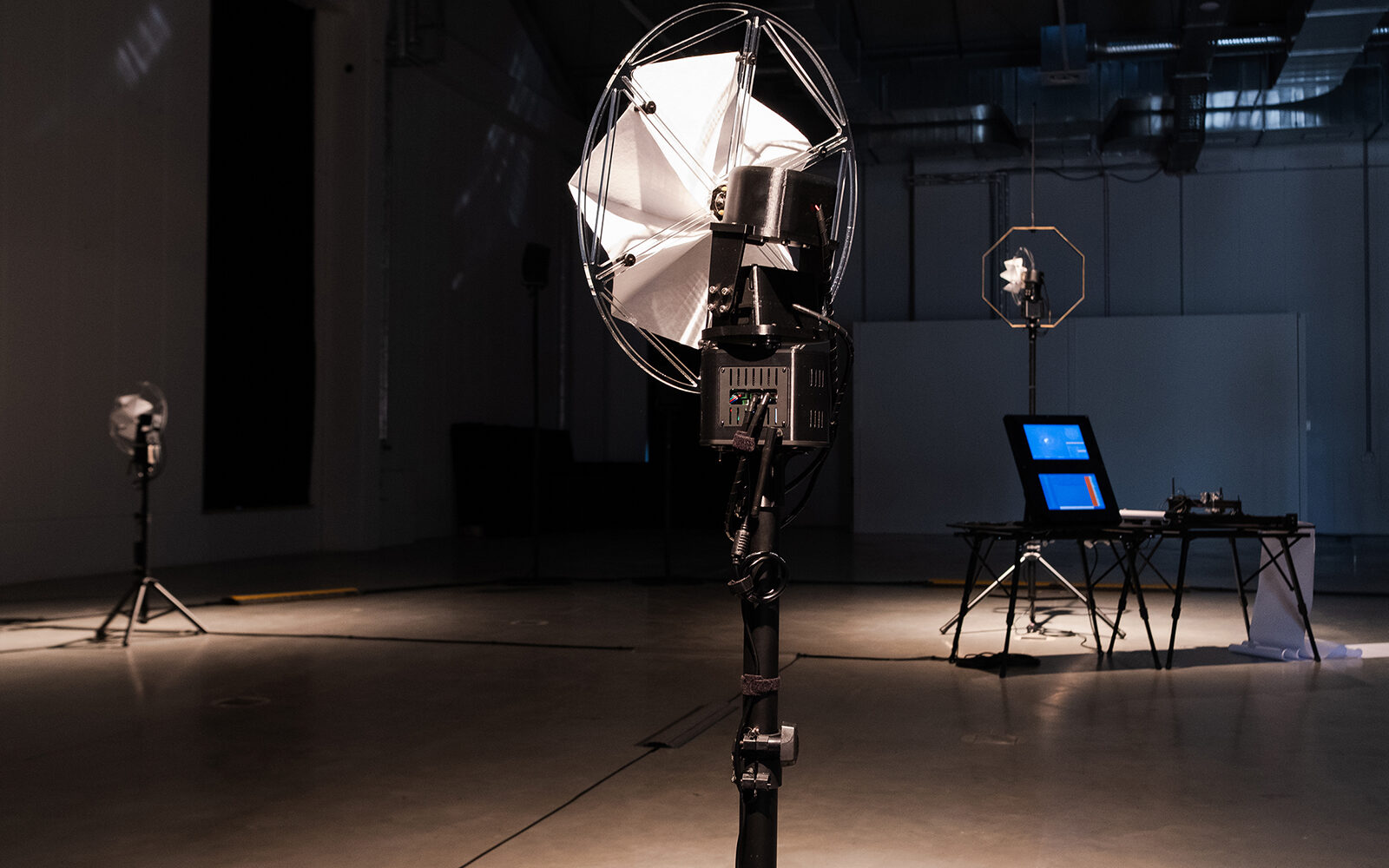
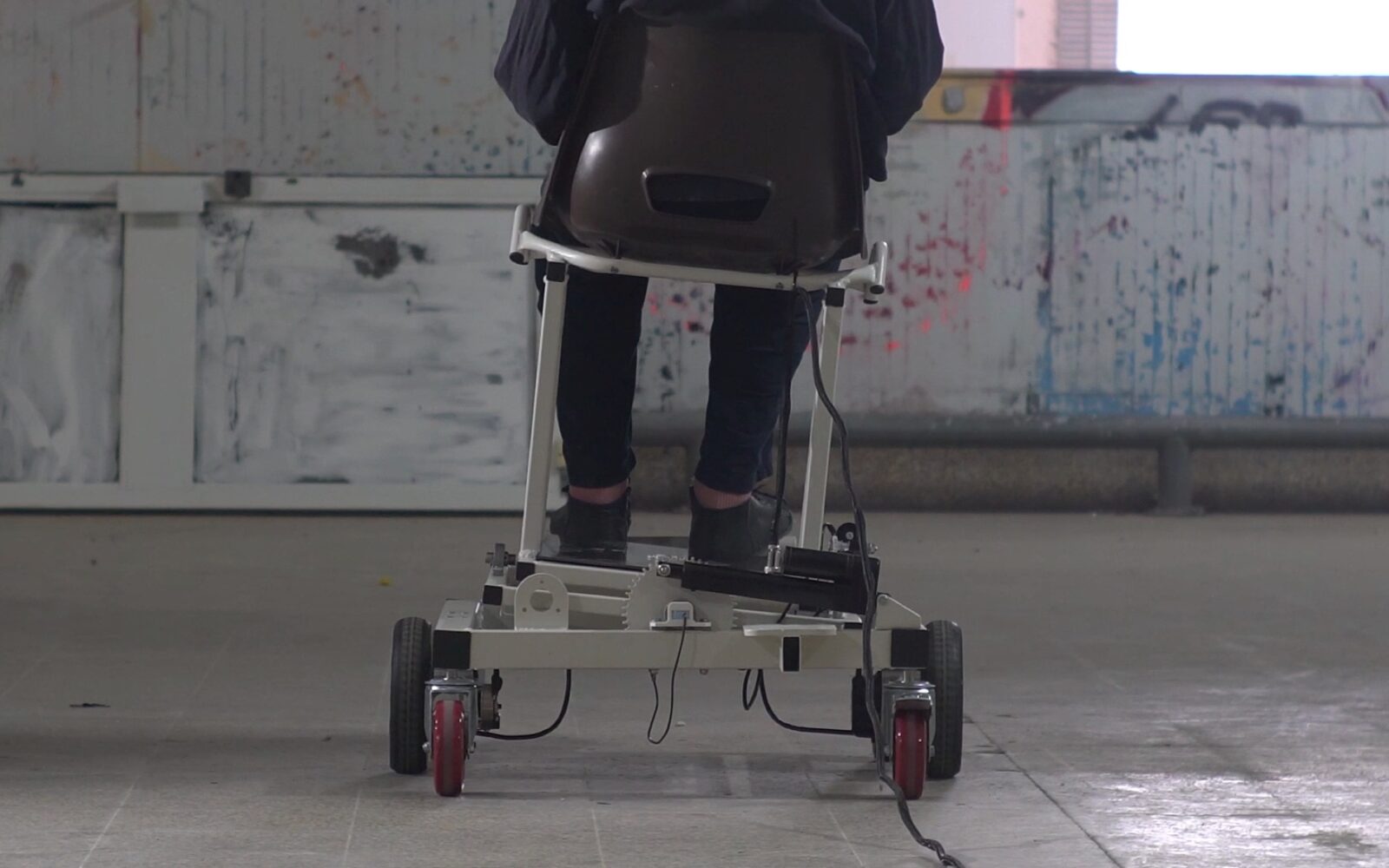
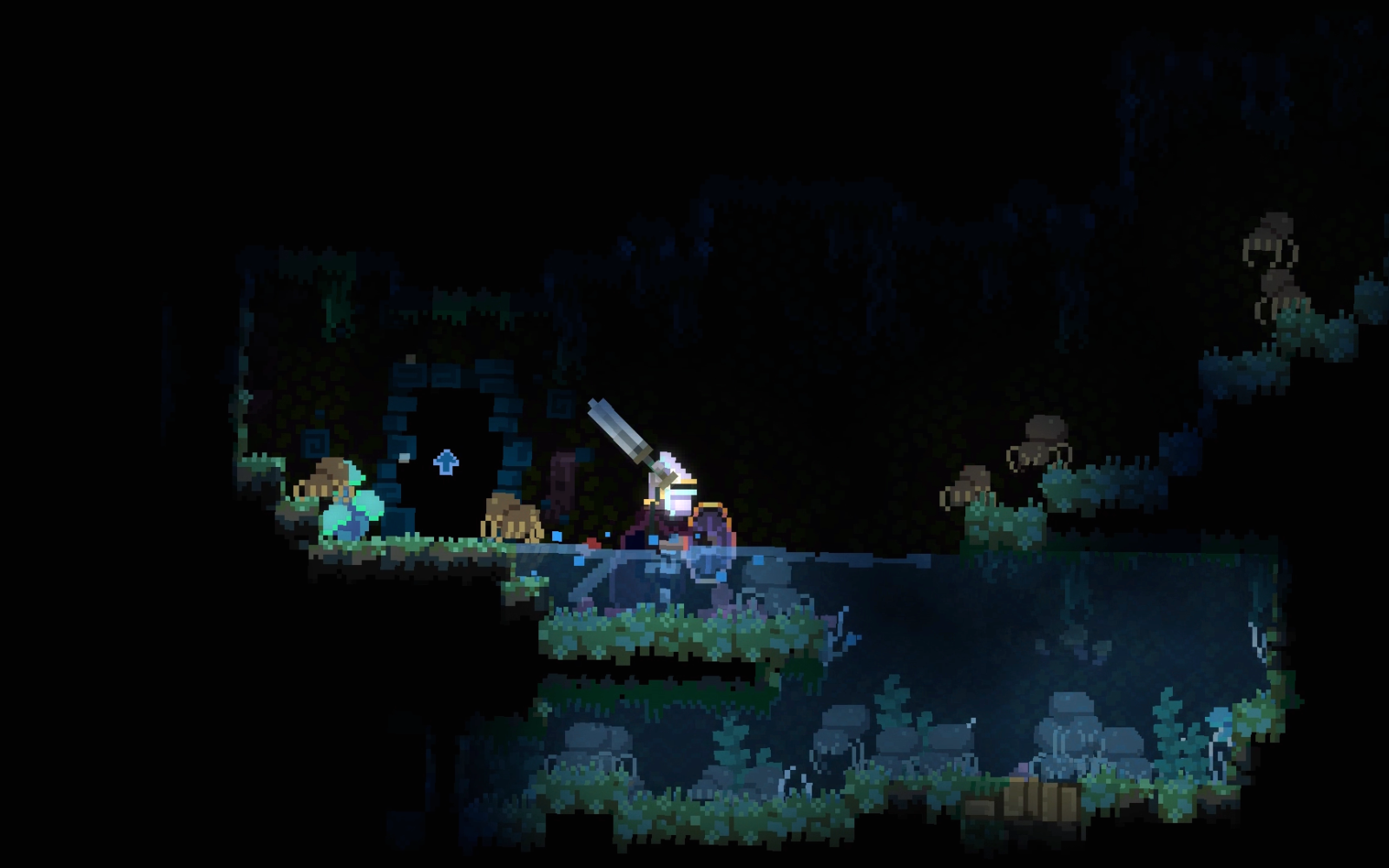
Created by Lars Hurrelbrink, Marsokhod-0 (Марсоход-0) is a interactive time-delayed experience that incorporates elements of Lovecraftian horror (wiki) into the scientific background and challenges of Mars exploration.
Marsokhod-0 (Марсоход-0) is a fictional rover sent to Mars in 1971. Touching down on the surface on August, 12, you control the rover from a command line interface with access to its camera feeds, thermal vision and radar. Based on the luna rovers that previously landed on the Moon (Lunokhod 1, 1970 and Lunokhod 2, 1973) and Mars (Sojourner, 1977), Lars created a derivative Mars Rover Version by adding additional cameras and scientific instruments. The fictional project that runs this mission is the Project Red Cosmos (Проект Красный Космос).


Set in 1971, just a year after the Moon rover landing, Mars made its closest approach to Earth in 47 years—coming within 56.2 million kilometers on August 12. This rare alignment, known as opposition, was a prime window for Mars exploration and scientific observation. At that distance, a radio signal traveling at the speed of light (about 299,792 km/s) would take approximately 187 seconds to reach Mars from Earth—an important factor in planning communications for missions. Mars also runs on a slightly different clock. A Martian day, or “sol,” is about 24 hours, 39 minutes, and 35 seconds—just a bit longer than an Earth day. To keep track of time, scientists use a system called Martian Coordinated Time (MTC), based on the mean solar time at Mars’s prime meridian. For precise long-term tracking, especially in missions and astronomy, time on Mars is measured using the Mars Sol Date (MSD). It’s calculated from Julian Dates (used on Earth) with a correction factor to account for the exact location of Mars’s prime meridian at the Airy-0 crater. All of these factors are included here.


For the purpose of the project, Lars assumed that in research labs and scientific organizations, the technology was slightly more advanced than the 1971 Kenbak-1 which was available at the time and designed both the operation room and the interface acordingly. Operating the Rover occurs solely through a Command Line Interface (manual), which was made intentionally challenging. The Rover’s fictional storage limitations require the operator to carefully manage the sending of commands. They must ensure commands are in the correct order and include an appropriate delay. For audio and sounscape, Lars purposley applied lo-fi aesthetic using ElevenLabs AI-based Text-to-Speech and adding additional effects to mimic old audio transmissions.


The project was developed using Unity and managed with Notion and Github Project. Blender was used for manipulating and creating 3D objects, while Pixelmator Pro was utilized for creating textures, 2D sprites, and assets. Audio and sound editing was done in FL-Studio. Coding was supported by Github Co-Pilot.
Project Page | Lars Hurrelbrink
Project was produced during the Fictions Speculations & Imaginaries course at Digital Media Bremen, supported by Henrik Nieratschker and Prof. Dennis P Paul.