StarScript is an interactive astronomy-inspired installation that inverts the observational logic of radio telescopes — turning the act of image reconstruction into a live, collective, and tactile experience. Developed during the first year of the M.Des program at Bezalel Academy, the work grew out of a collaboration with astrophysicist Dr. Assaf Horesh, whose research into distant celestial objects became both subject matter and methodological framework.
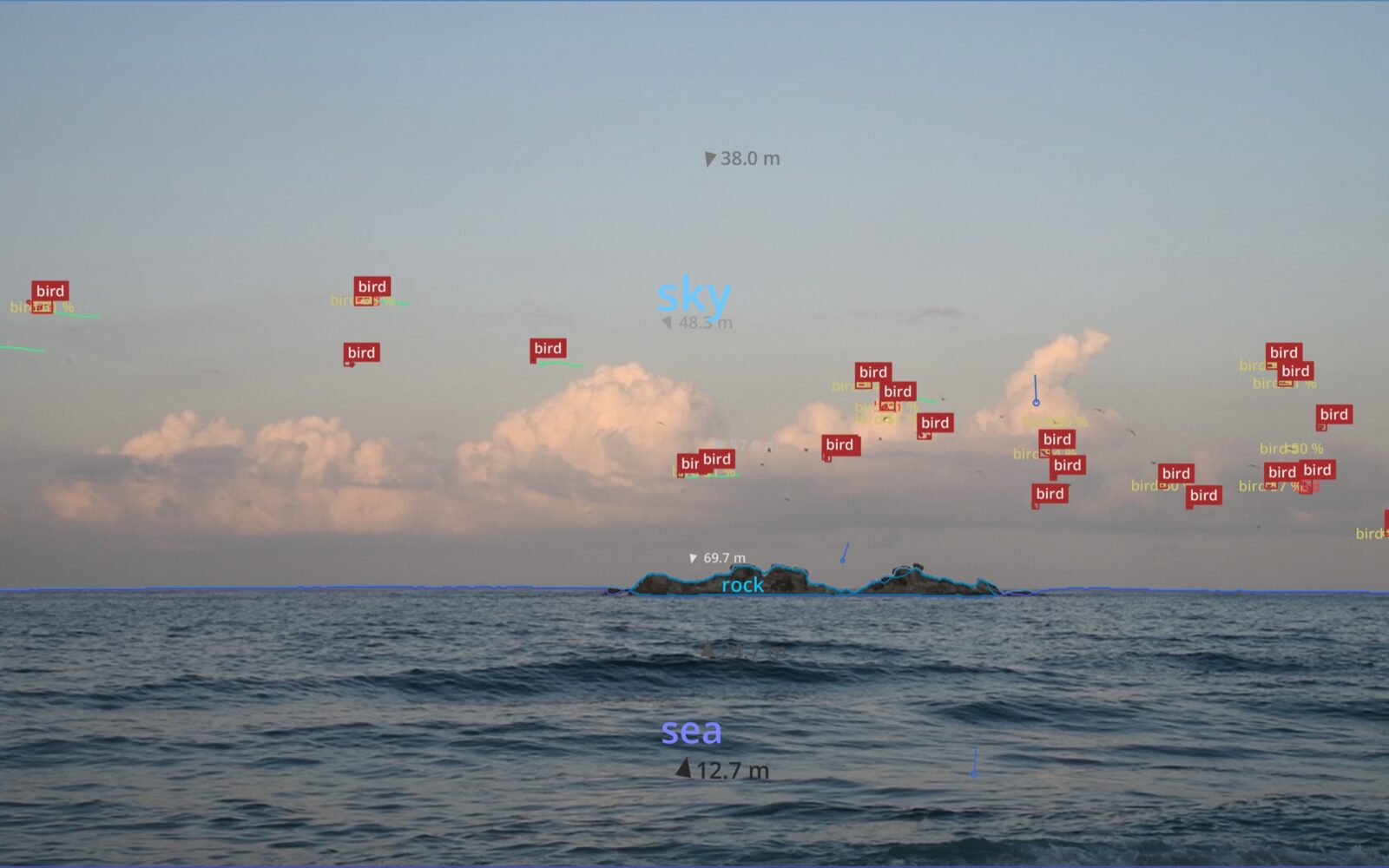
In radio astronomy, the Fast Fourier Transform (FFT) is used to reconstruct visual images of stars and galaxies from raw frequency data captured across vast distances. StarScript takes this same mathematical process and places it in the hands of participants: visitors arrange geometric shapes on an interactive table, triggering real-time video capture and FFT processing that transforms their configurations into otherworldly celestial patterns. What emerges on the display is neither a simulation of space nor a direct image of it — but something in between, a collaborative imagining of the cosmos built from human gesture and mathematical transformation.

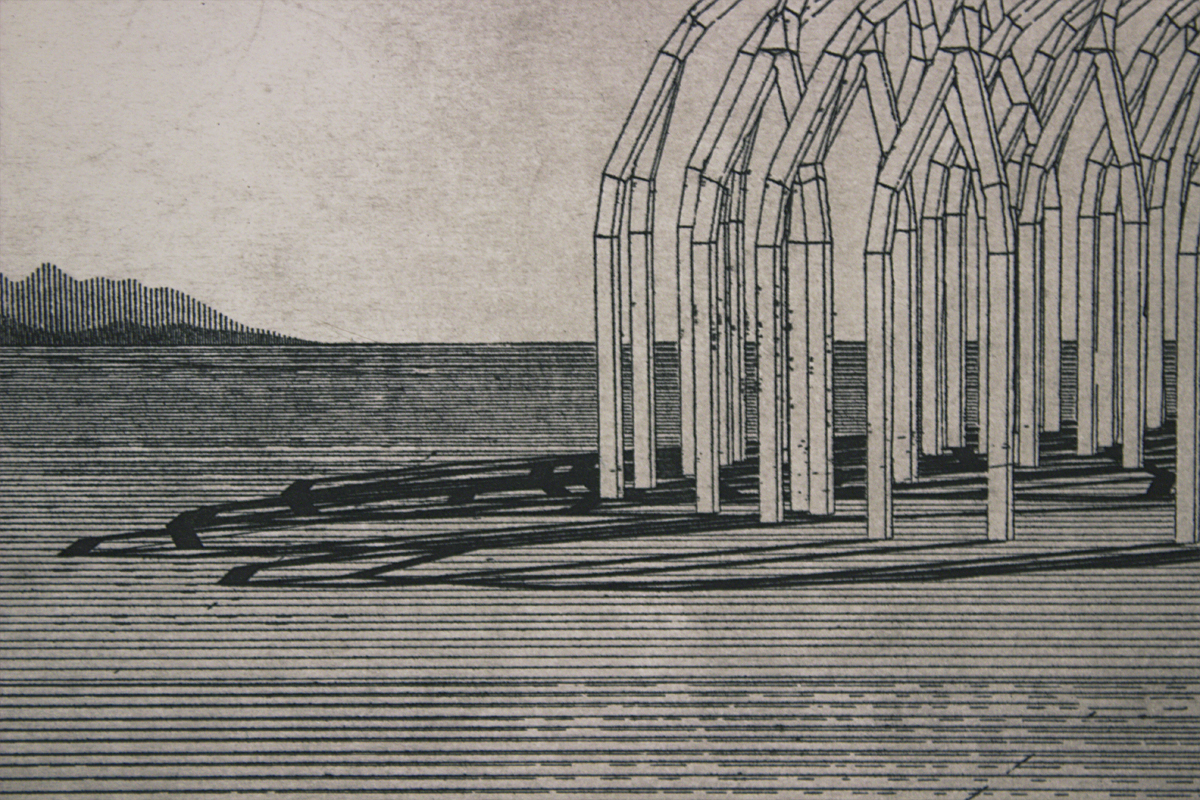
The installation operates as both a shared social ritual and a reflection on how technology mediates our understanding of the universe. Drawing visually from Renaissance astronomical illustration while grounded in contemporary computation, StarScript asks how personal and collective wonder might be encoded, processed, and projected.


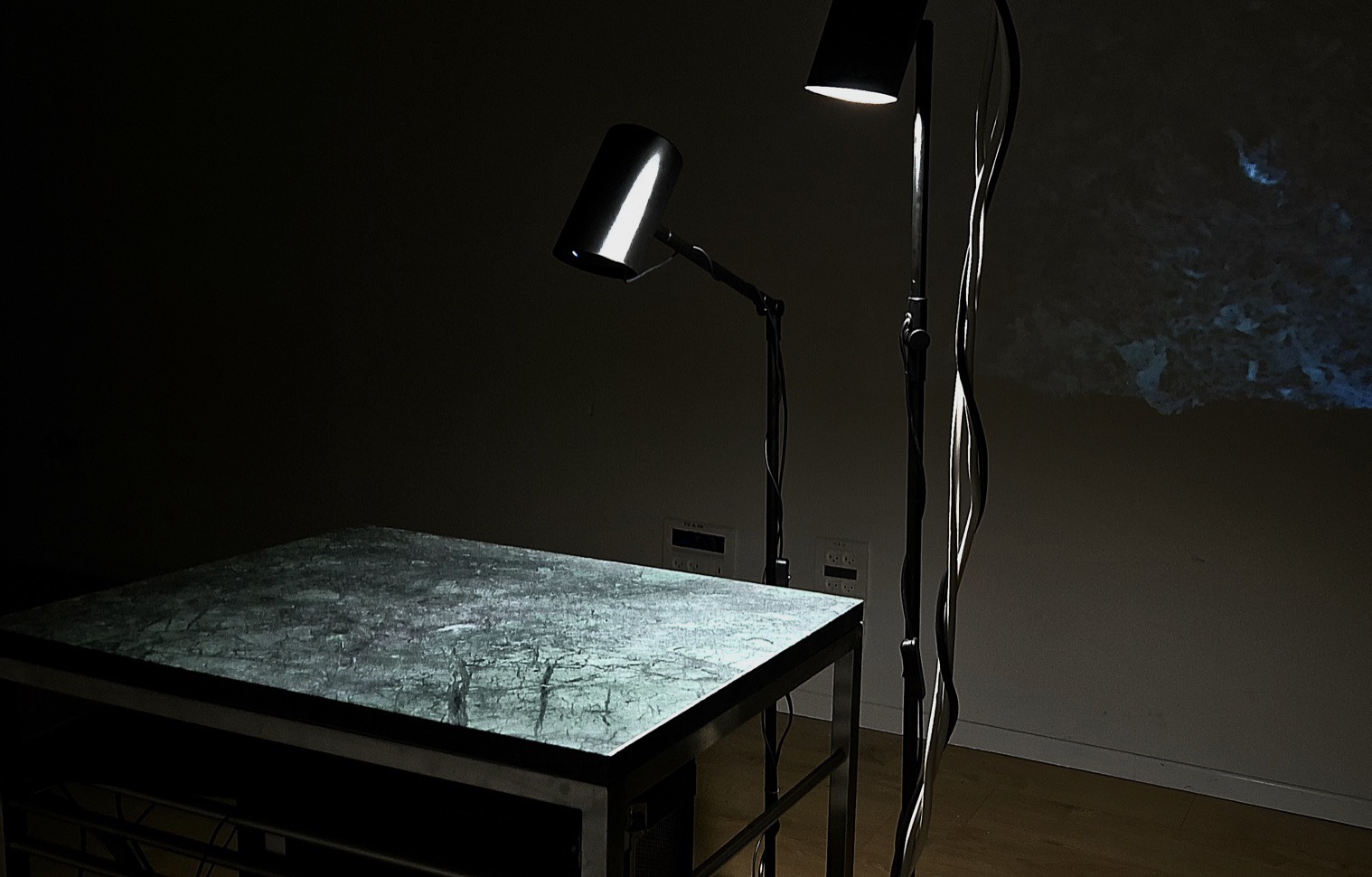
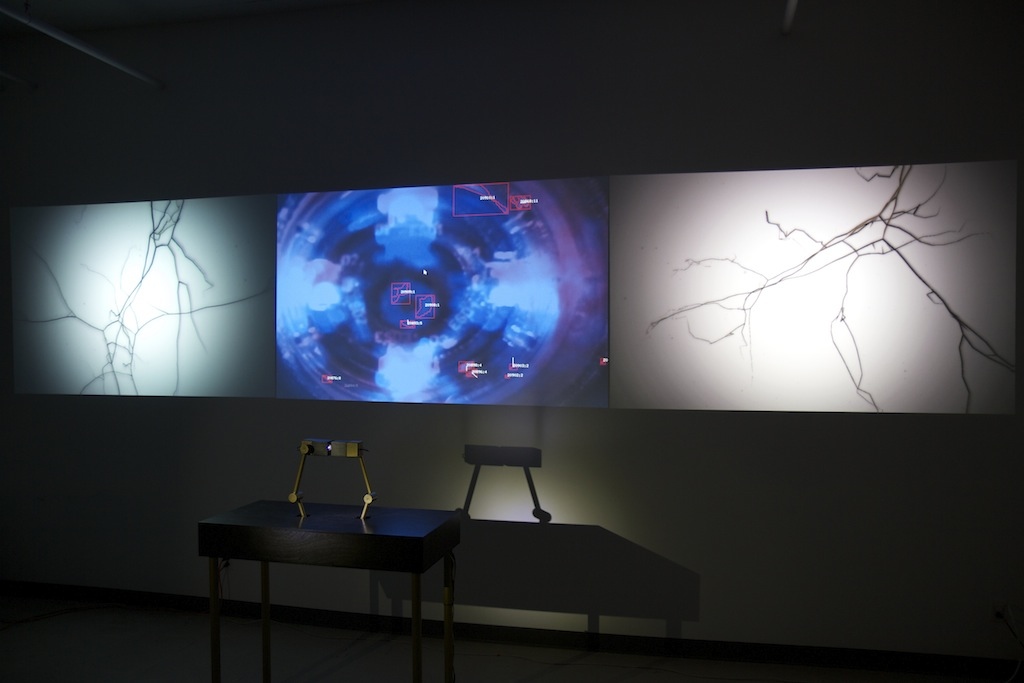
The system is built around a dual-display architecture. A physical table acts as the primary interaction surface, where participants place and reposition geometric shapes that are continuously captured by an overhead camera. A Python backend handles real-time video processing and FFT calculations, translating the spatial arrangement of shapes into frequency-domain data that generates unique “celestial” imagery. A P5.js frontend manages the display layer, rendering both the original capture and the processed FFT output side by side, with user-adjustable parameters that allow participants to modulate the visual output in real time. Across multiple simultaneous users, interactions accumulate into a large-scale composite display — individual contributions forming clusters of “stars” and “galaxies” that constitute a collective virtual night sky.
Advisors: Dr. Assaf Horesh, Maya Ben David, Dov Ganchrow
Photography: Noam Debel