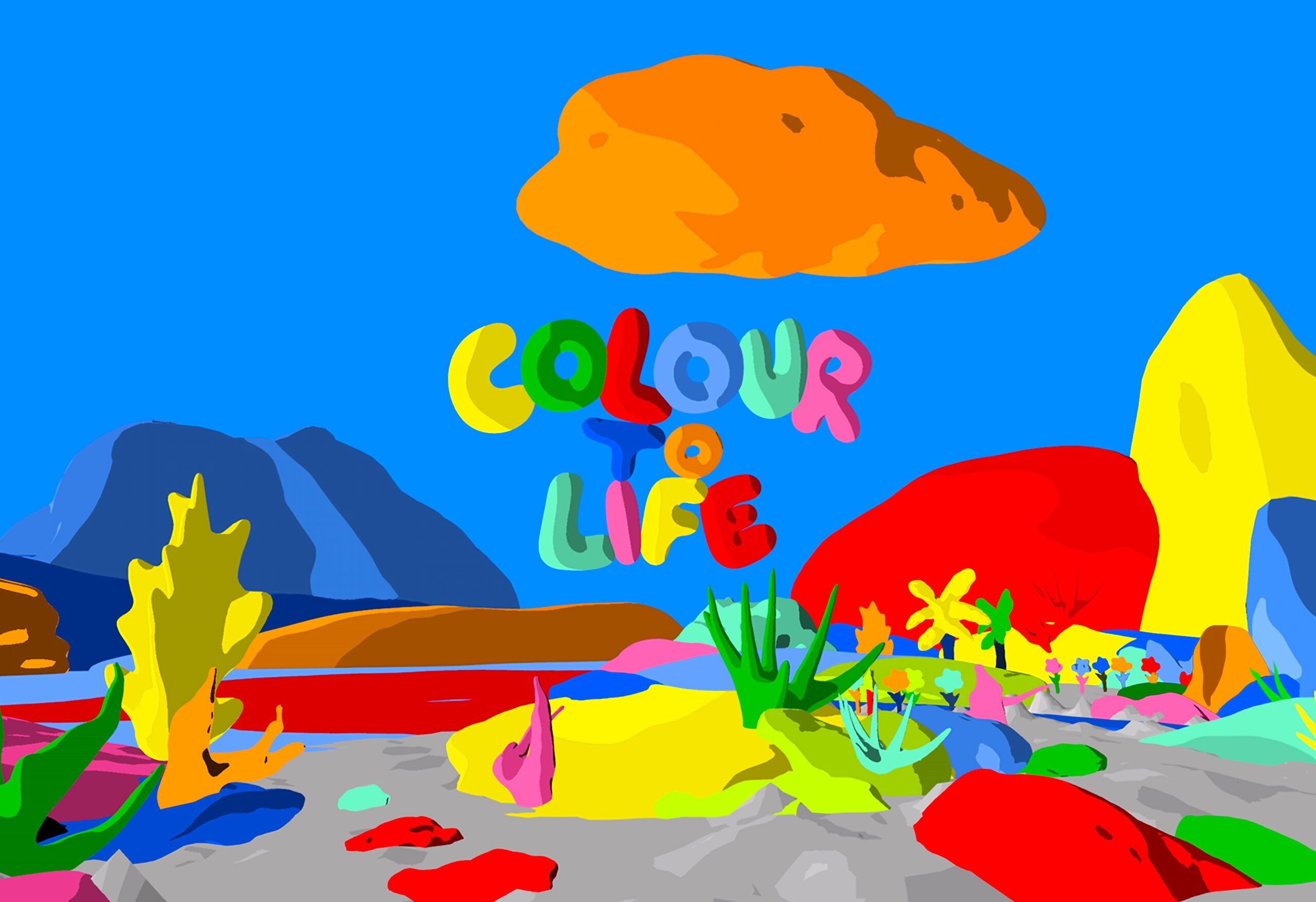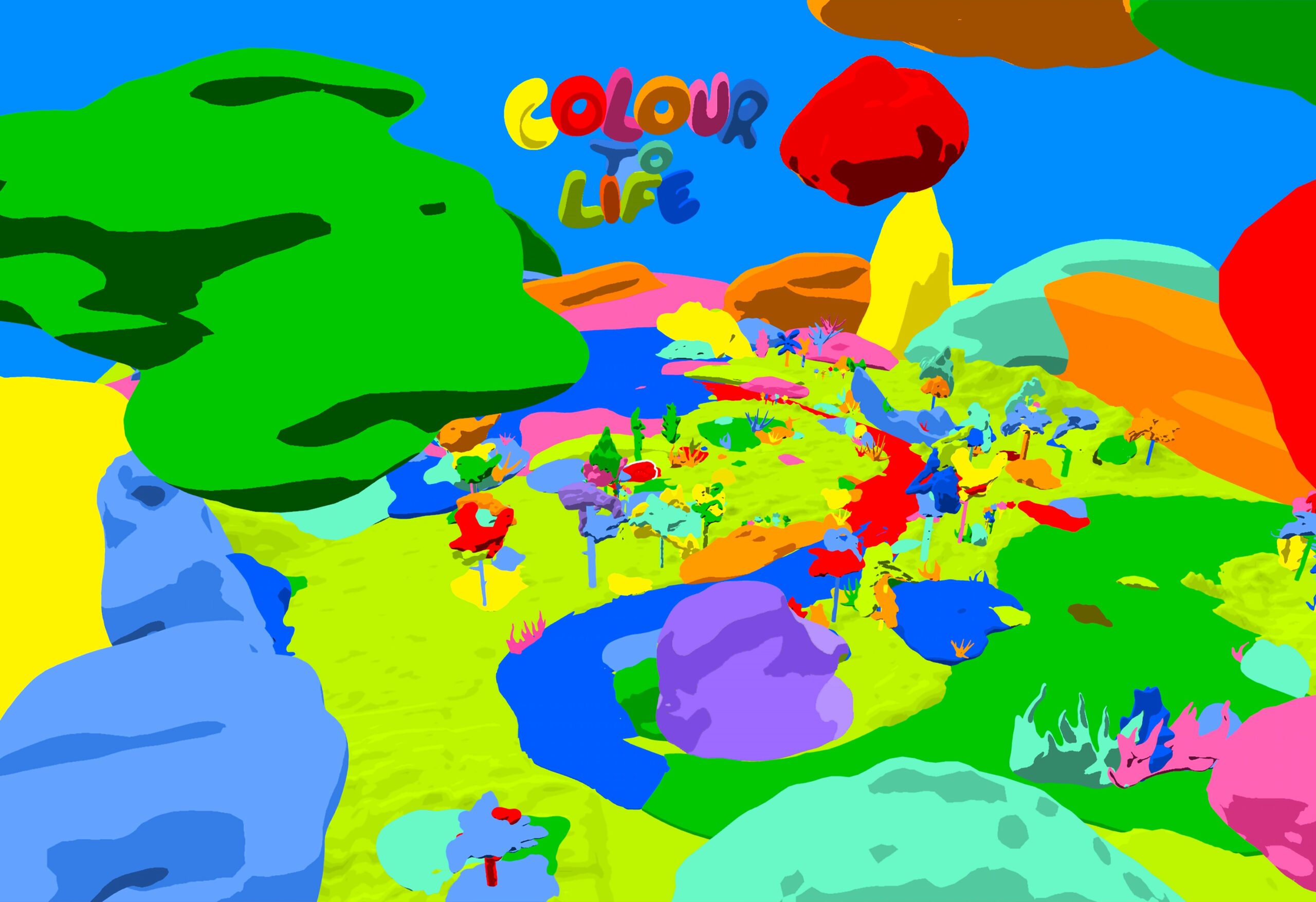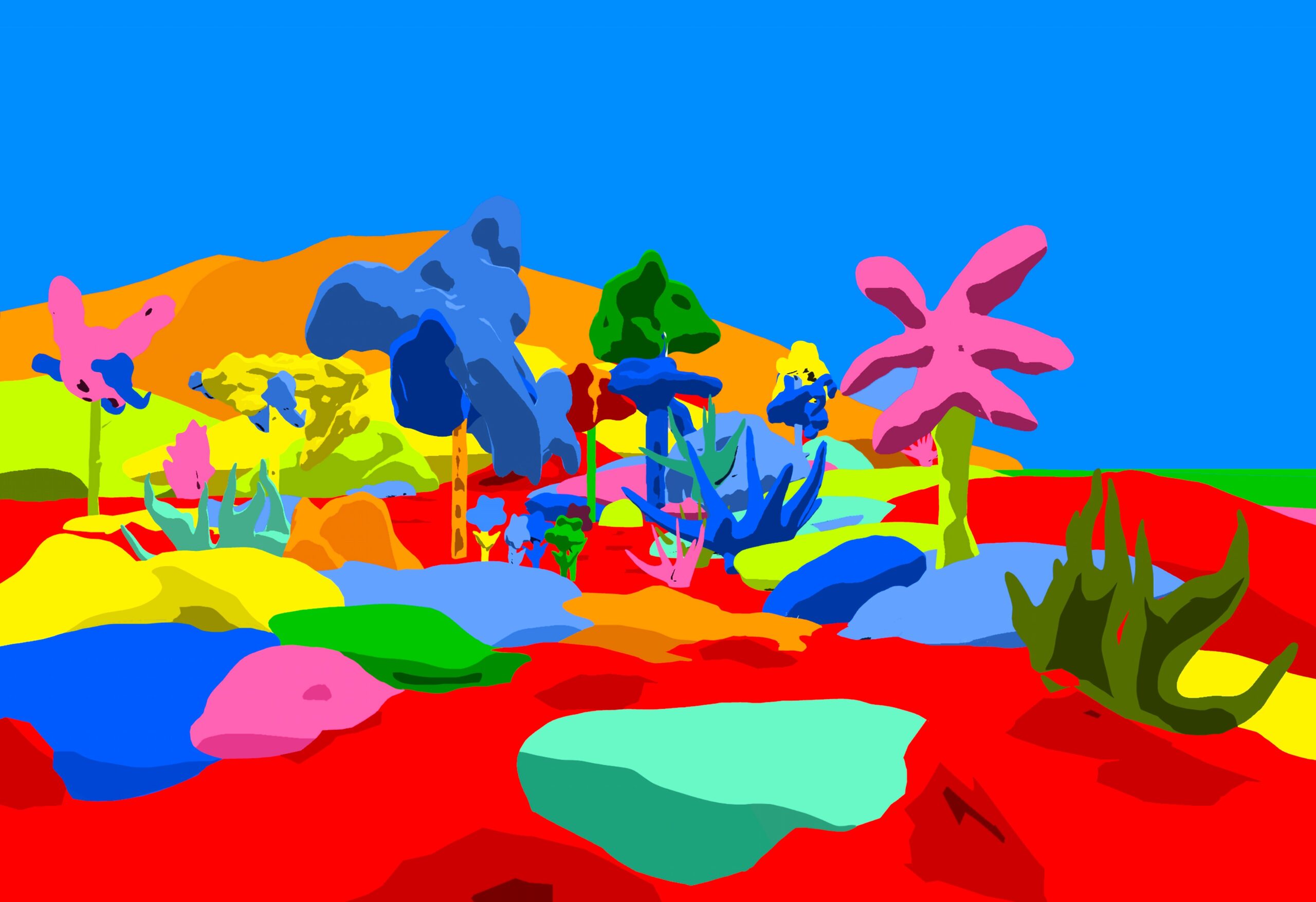
Colour to Life is a game where players can breathe life into their environment through the power of their gaze. Placed in complete darkness, they gently illuminate their surroundings, one object at a time. The more they discover the landscape, the more lively it becomes through vibrant colours and relaxing sounds, creating a world of wonder.
This project was created for the Possible Bodies workshop, a collaboration between the Master Media Design, HEAD–Genève and Swiss Paraplegic Group (SPG). The five-week workshop focused on creating playful virtual reality experiences to facilitate the rehabilitation of people with motor difficulties. Our mission in this project was to develop a unique prototype that uses immersive gameplay to explore new potentials for rehabilitation.
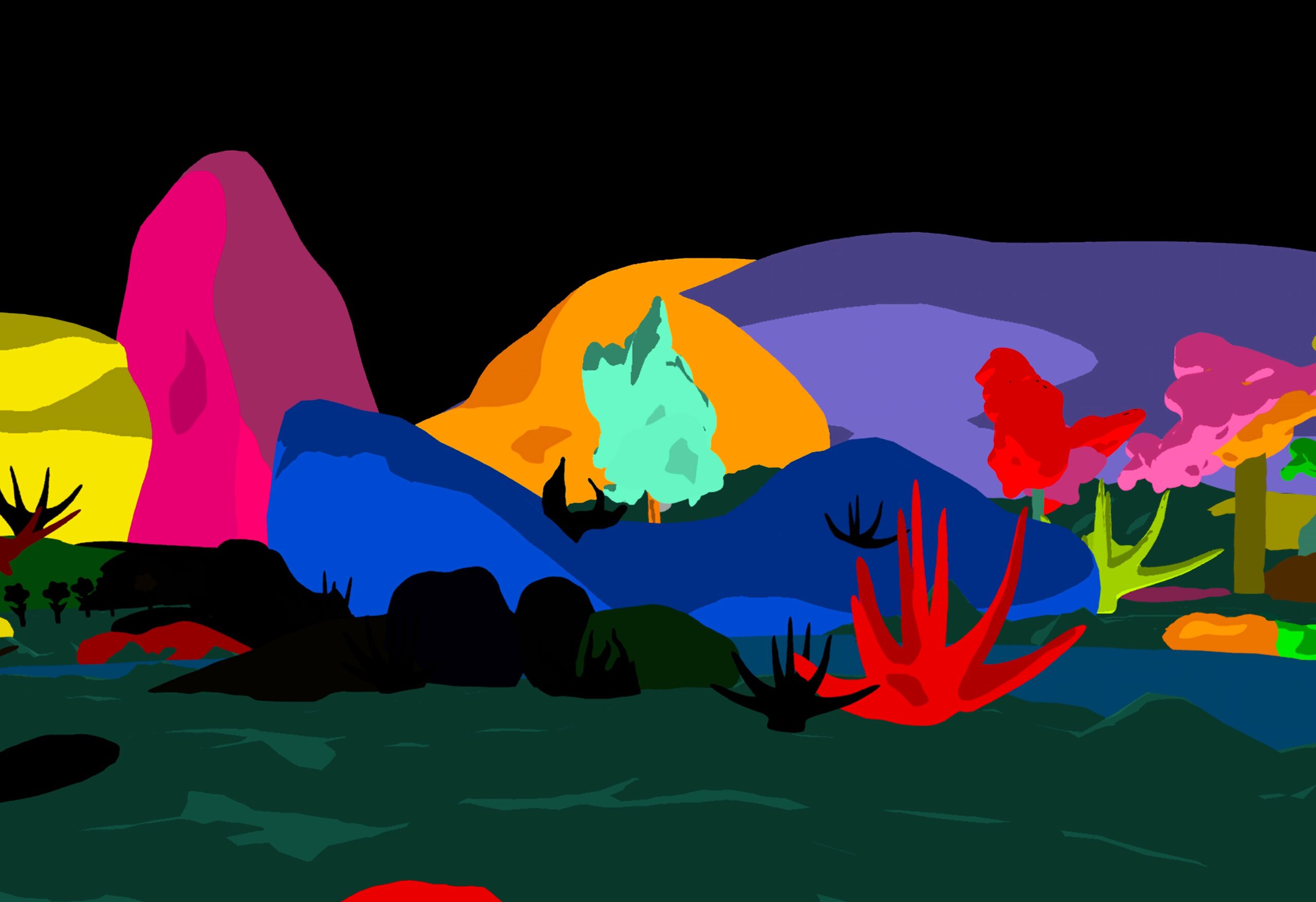
Starting in a pitch black space,
the environment is waiting to be revealed. The player just has to simply look around in order to light up the world around them.
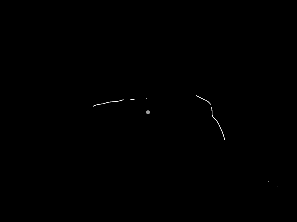
When an object is looked at, a
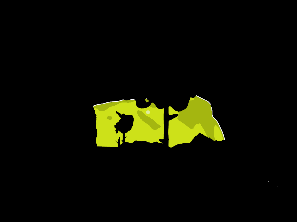
white outline will highlight it while producing a relaxing sound to indicate that the object has been selected. The longer the player looks at it, the more lively it will become.
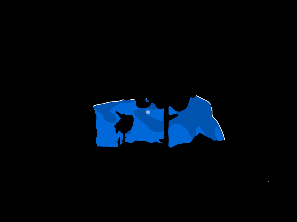
From a lifeless black object, it will fade into a beautiful colour following by shading to give it dimension. The player will always be able to change the colour afterwards by gazing back at it.
During our discovery period with the Swiss Paraplegic Group, we were inspired by their stories. One patient was able to tell you exactly how many holes are in a ceiling panel, while another expressed that painting is their form of play. We wanted to tap into these two insights by having observation and creative expression at the forefront of our game.
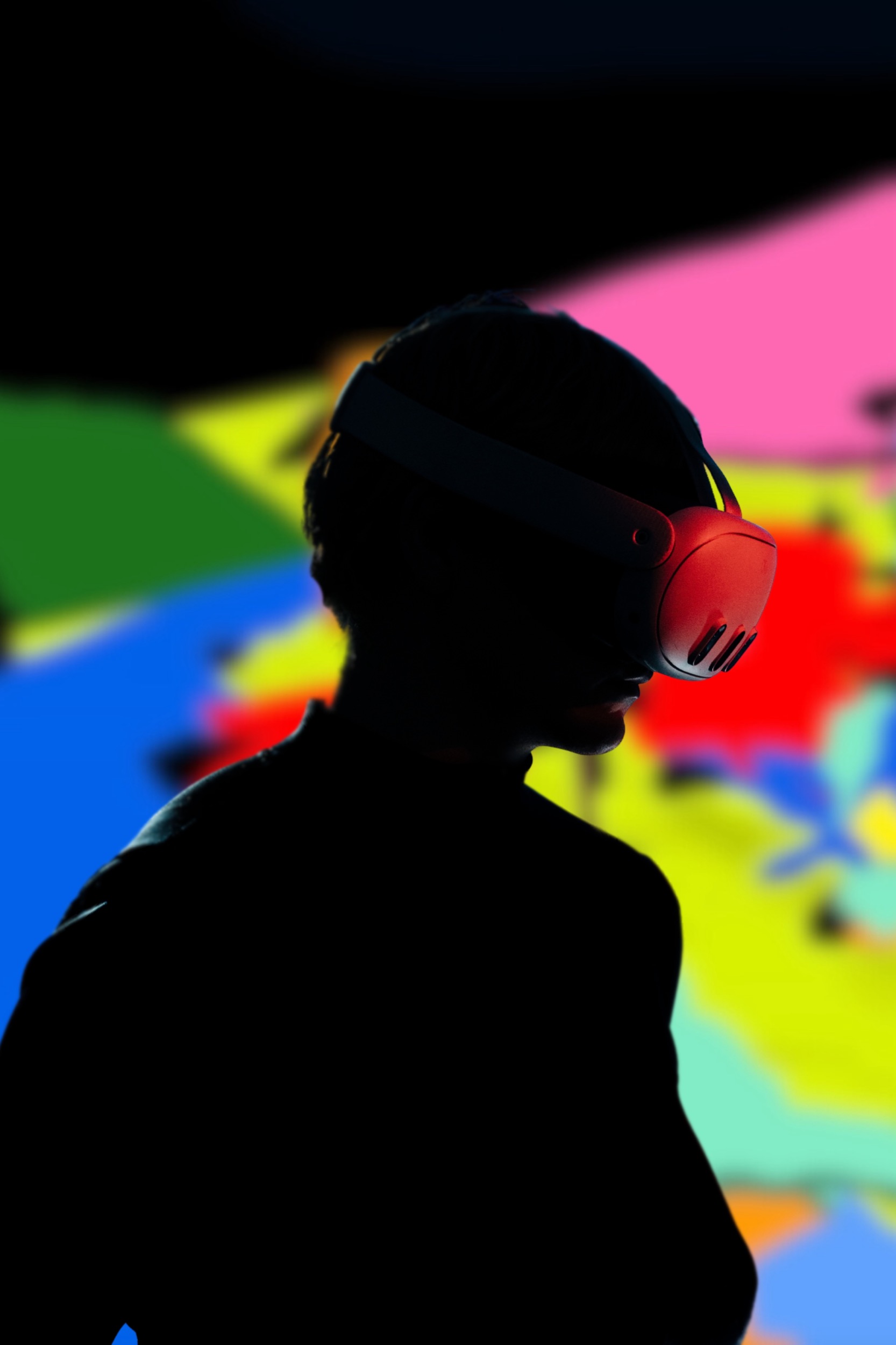
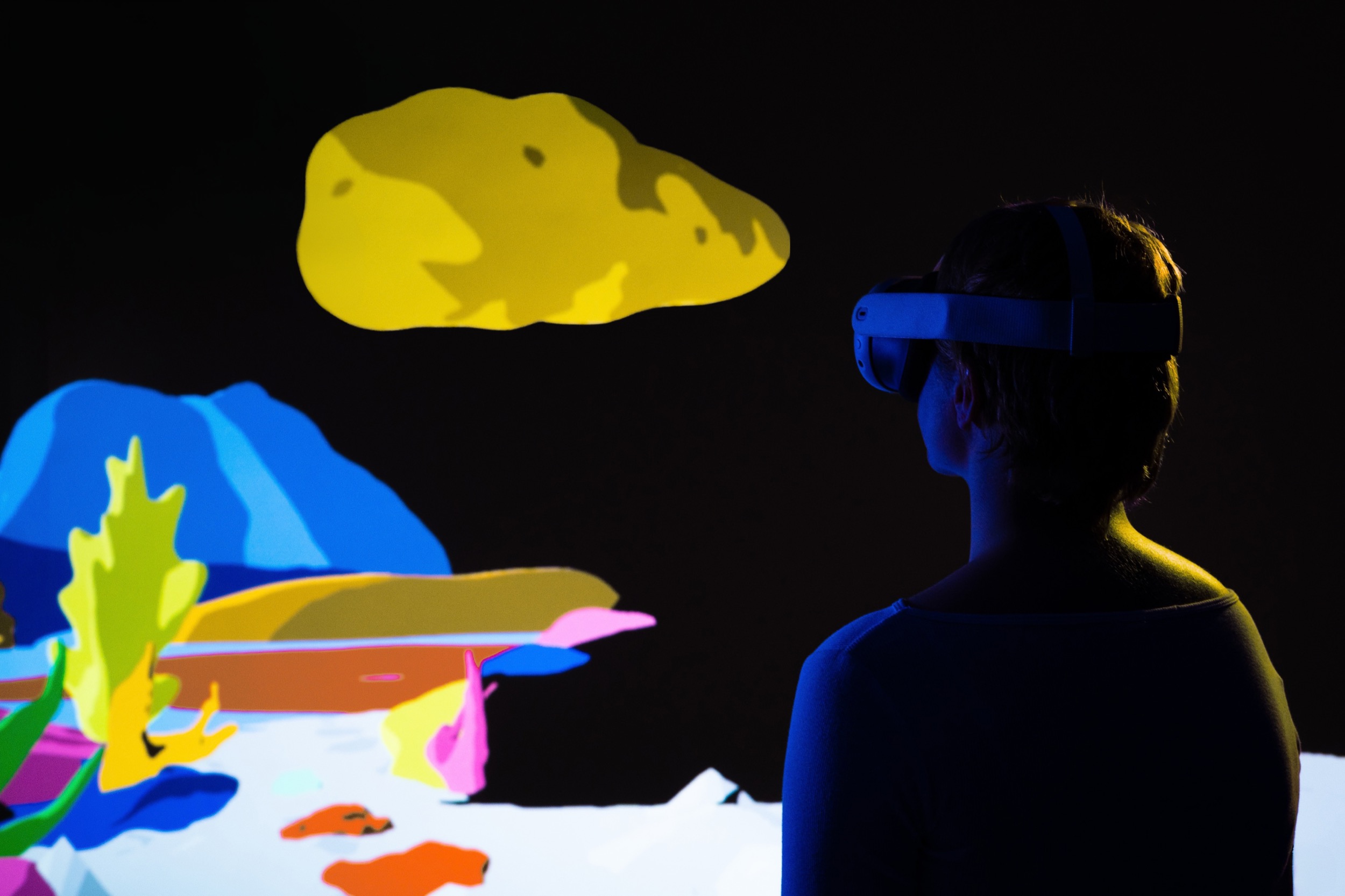
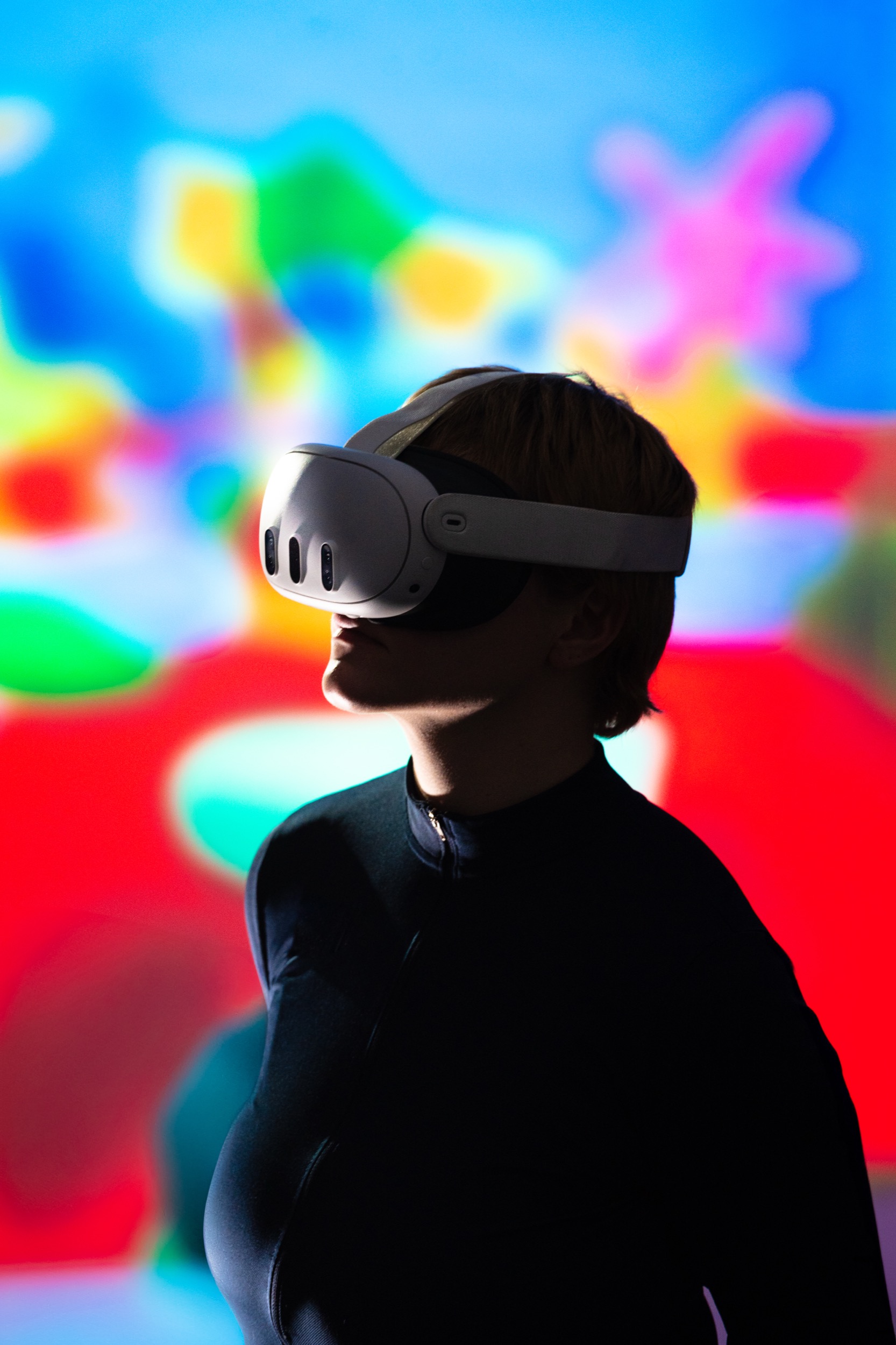
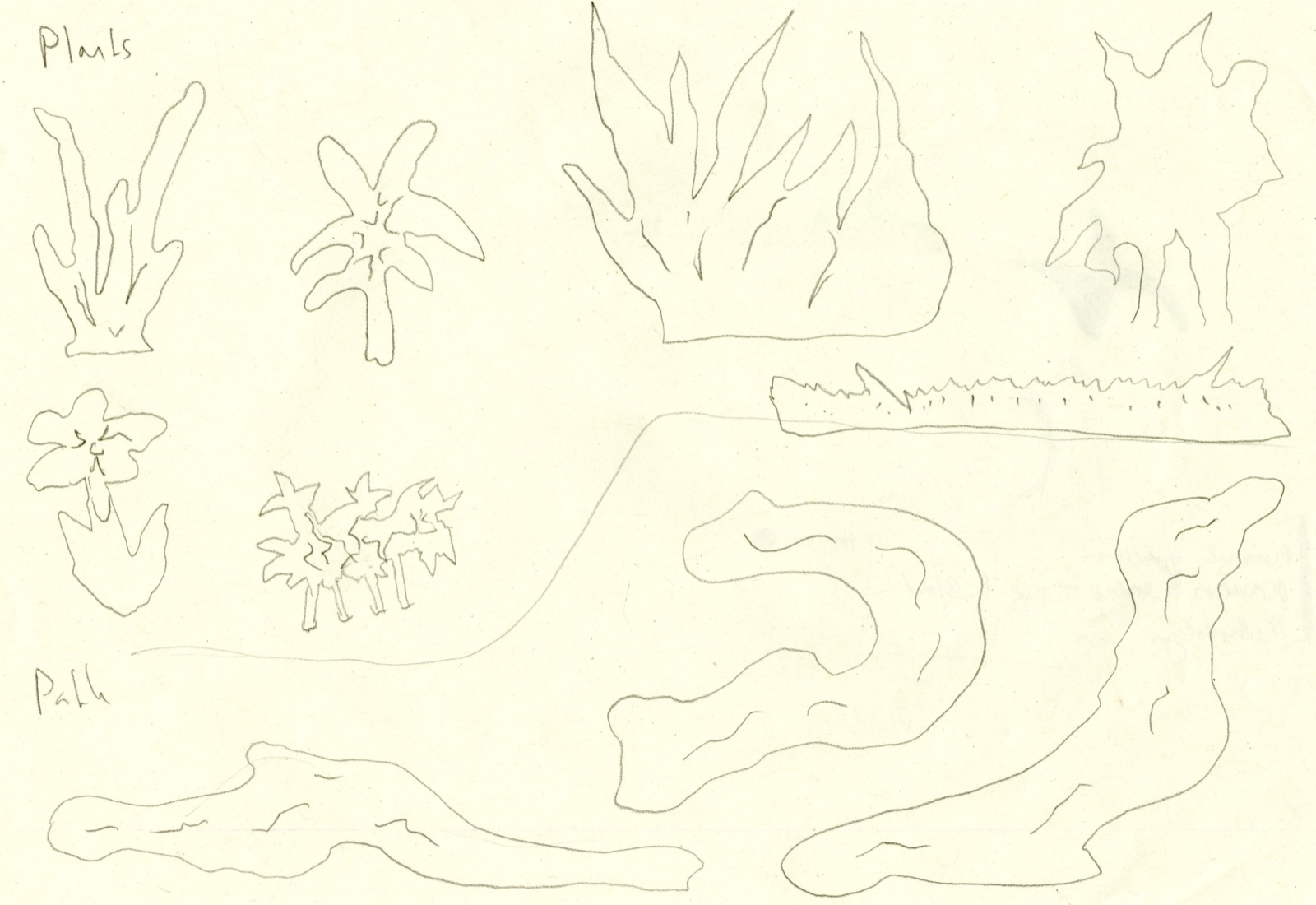
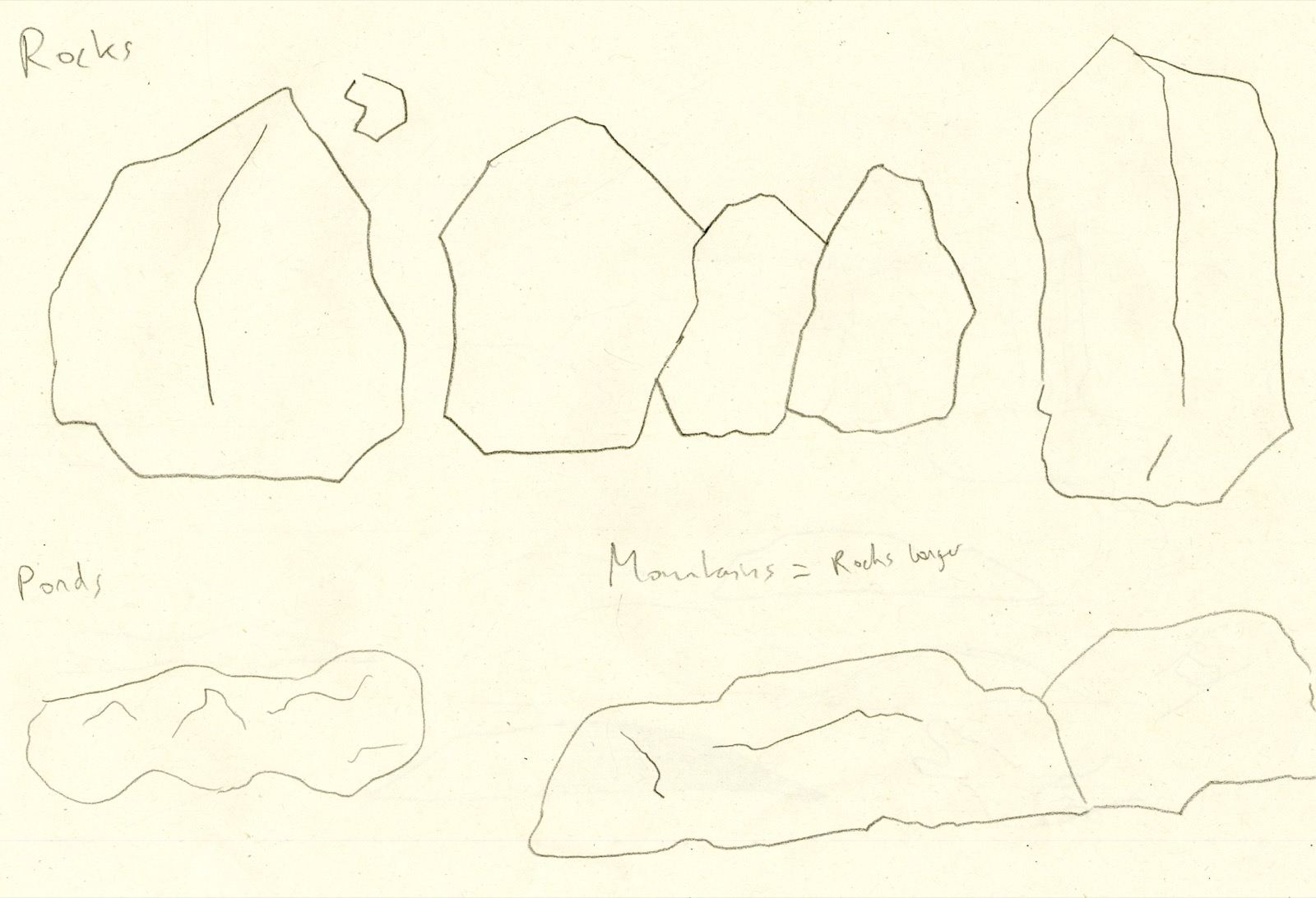
The simplicity of our game is reminiscent of colourful classics like Where’s Wally and Paint-by-Numbers. But rather than starting with a visible scene, everything begins in darkness. Colouring in larger elements, such as the terrain and mountains, helps with revealing smaller details. Like in Where’s Wally, you’ll need to scan the landscape carefully and pay close attention to your surroundings. The game ends only once the entire scene has been brought to life.
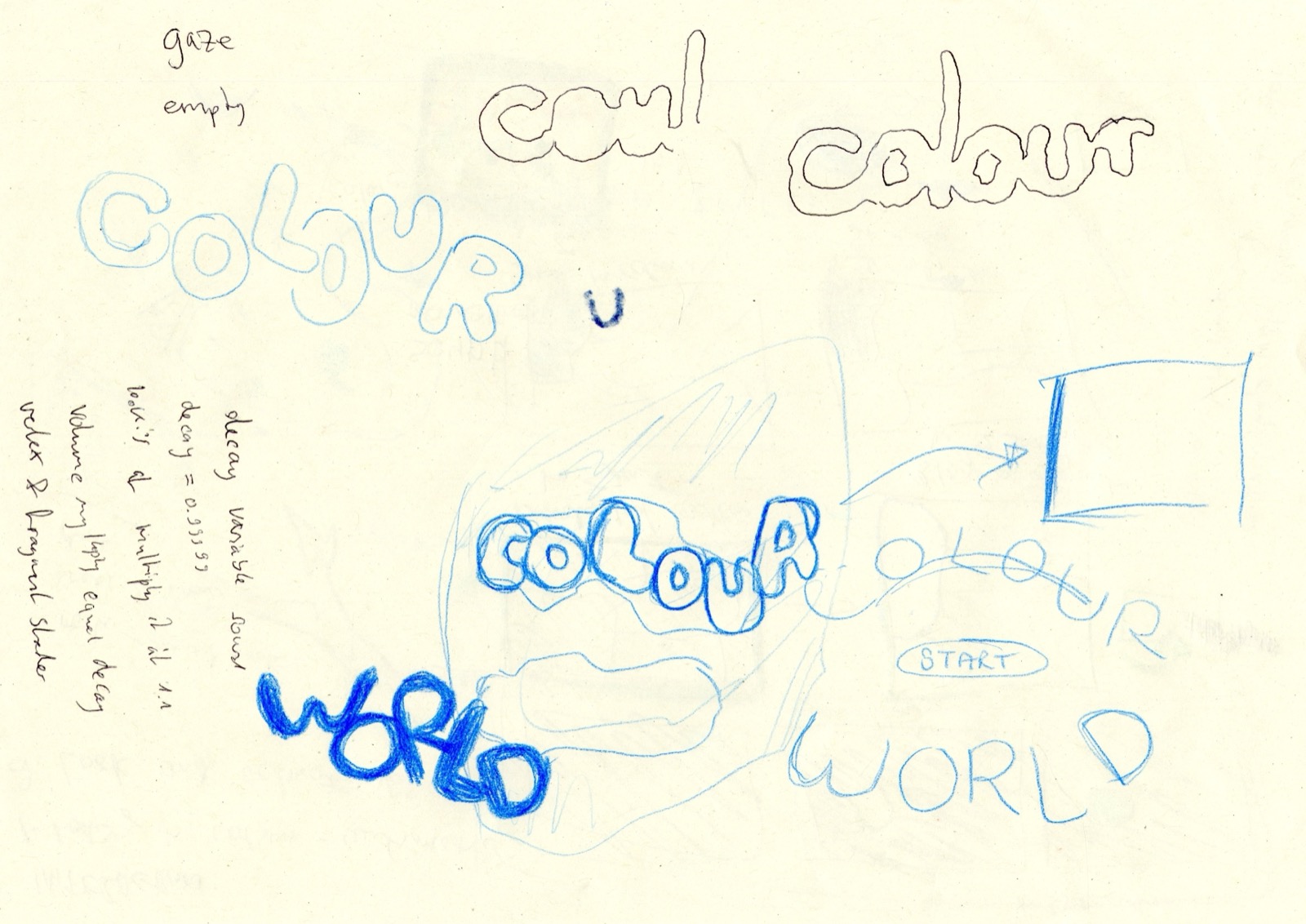
While the game was originally designed for paraplegic players, it can be enjoyed by anyone with control over their head movements. Even without understanding English, players can grasp the interaction during onboarding—colouring each letter of the title—thanks to clear visual feedback like outlines and colour changes. Since this is the core and only interaction, the gameplay is intuitive and easy to understand.
Built with Unity for Meta Quest 3 headset. The use of following software was also included: Cinema4D, Zbrush, Adobe Illustrator, Adobe Photoshop, Figma, GarageBand, ChatGPT, Visual Code Studio, and GitHub Co-Pilot.
Project Page | Peter Ha | Instagram: Peter Ha / Antonin Ricou