Initiated in the Master’s in Media Design Program at HEAD–Genève (2025–2026), Ripples of the Rhoar was a research project led by Peter Ha, a Toronto based designer, artist and educator . The project started as a personal intuition and connection to La Jonction but evolved into a process-driven investigation of the Rhône-Arve confluence. Through a series of experiments, the project explored approaches to monitoring, mapping, and mediating the riverscape. By focusing on the ongoing practice of environmental observation, it examined the location’s sonic aesthetic qualities and our relationship to the rivers. At its core, the project aim was to develop methods for engaging with the natural world, revealing aspects of the environment that are hidden in plain sight.
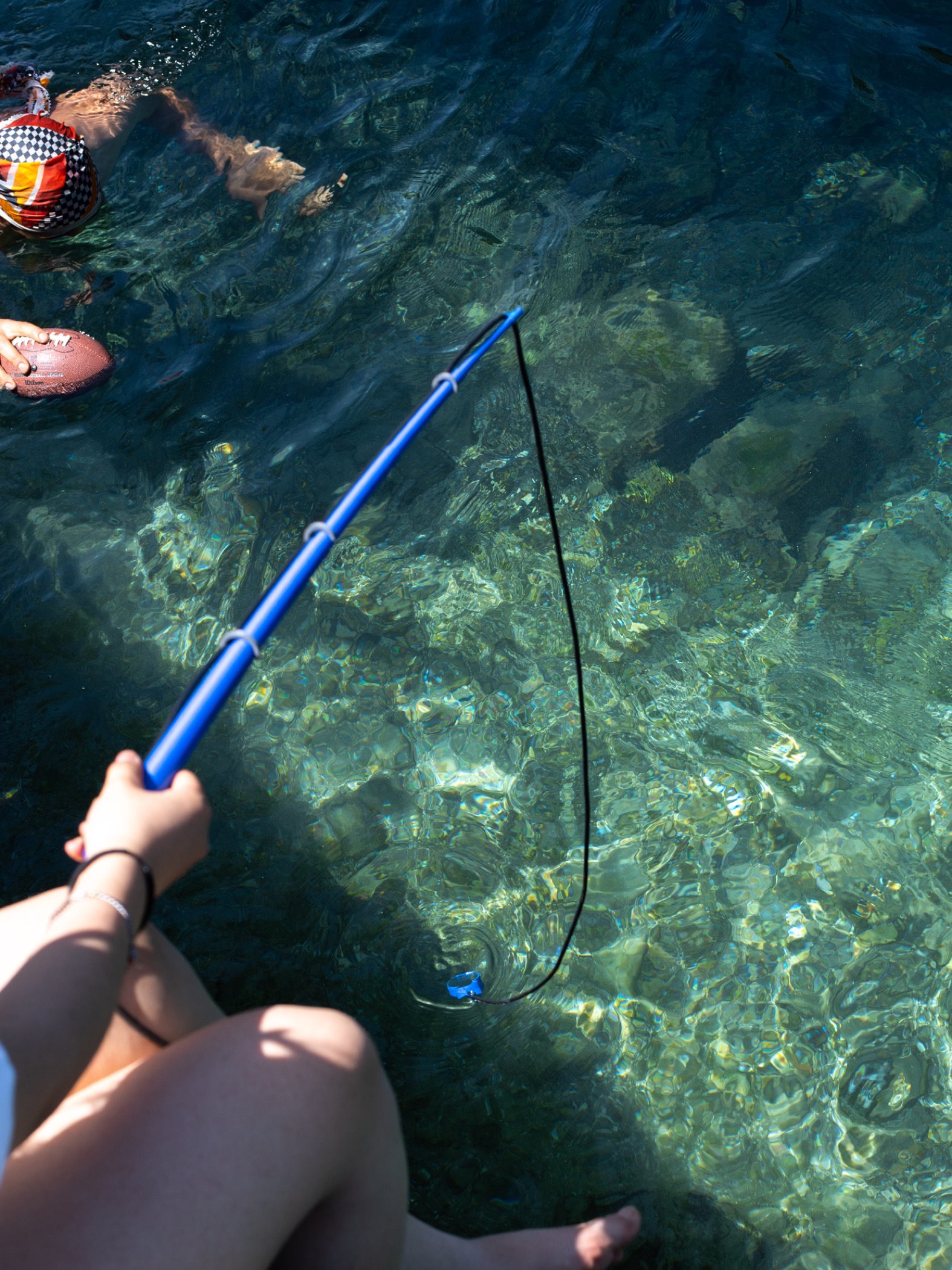
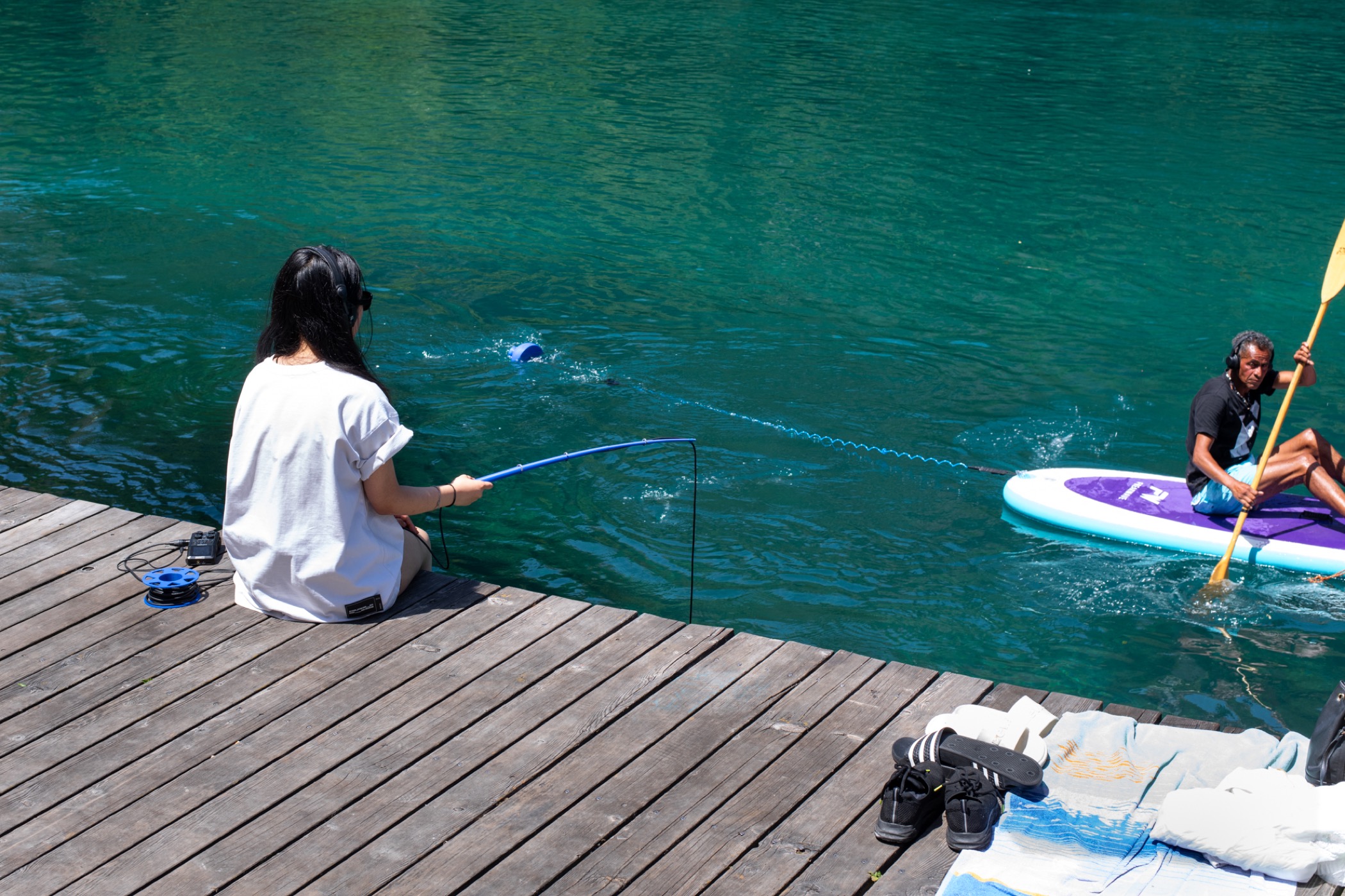
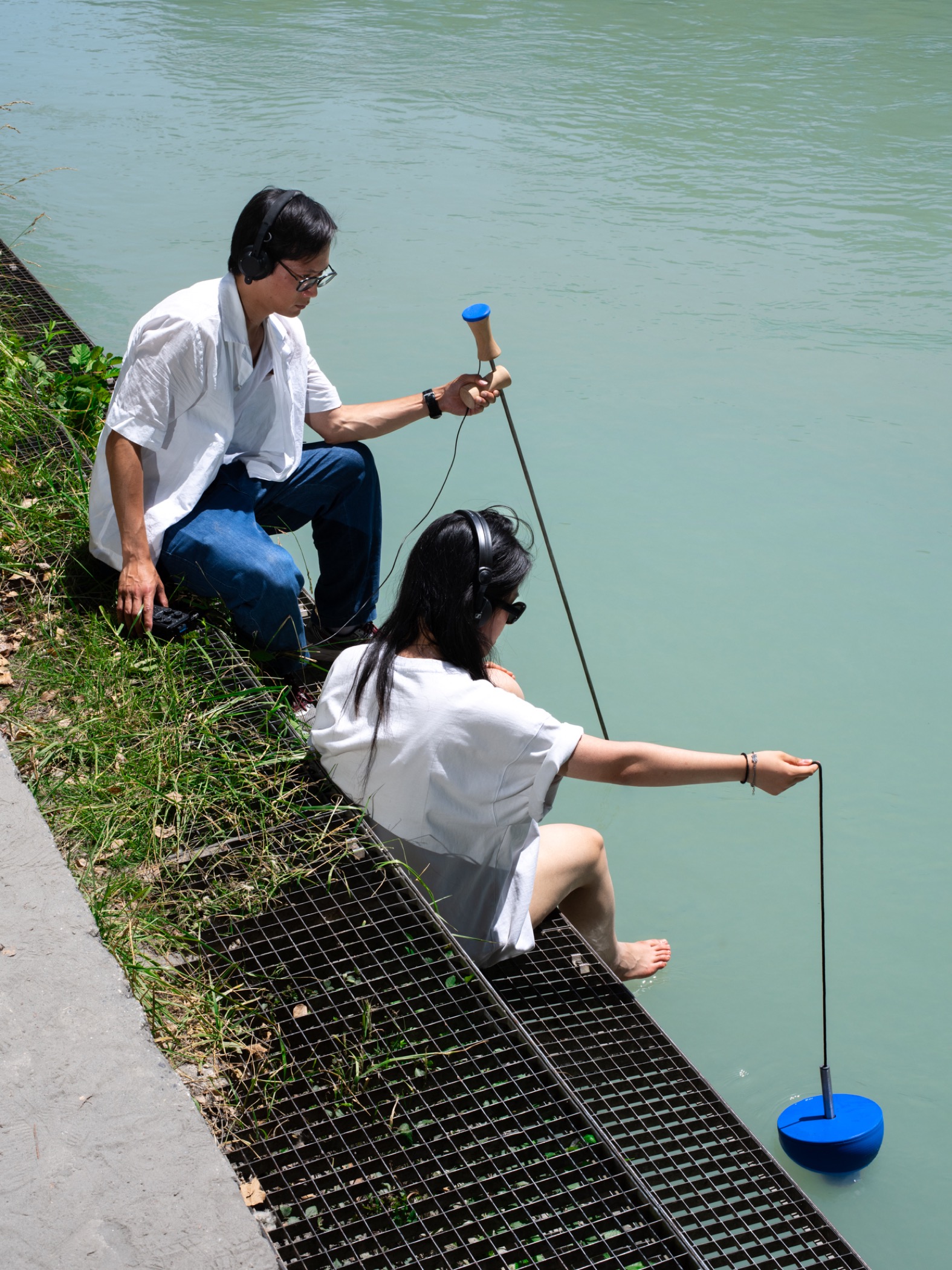
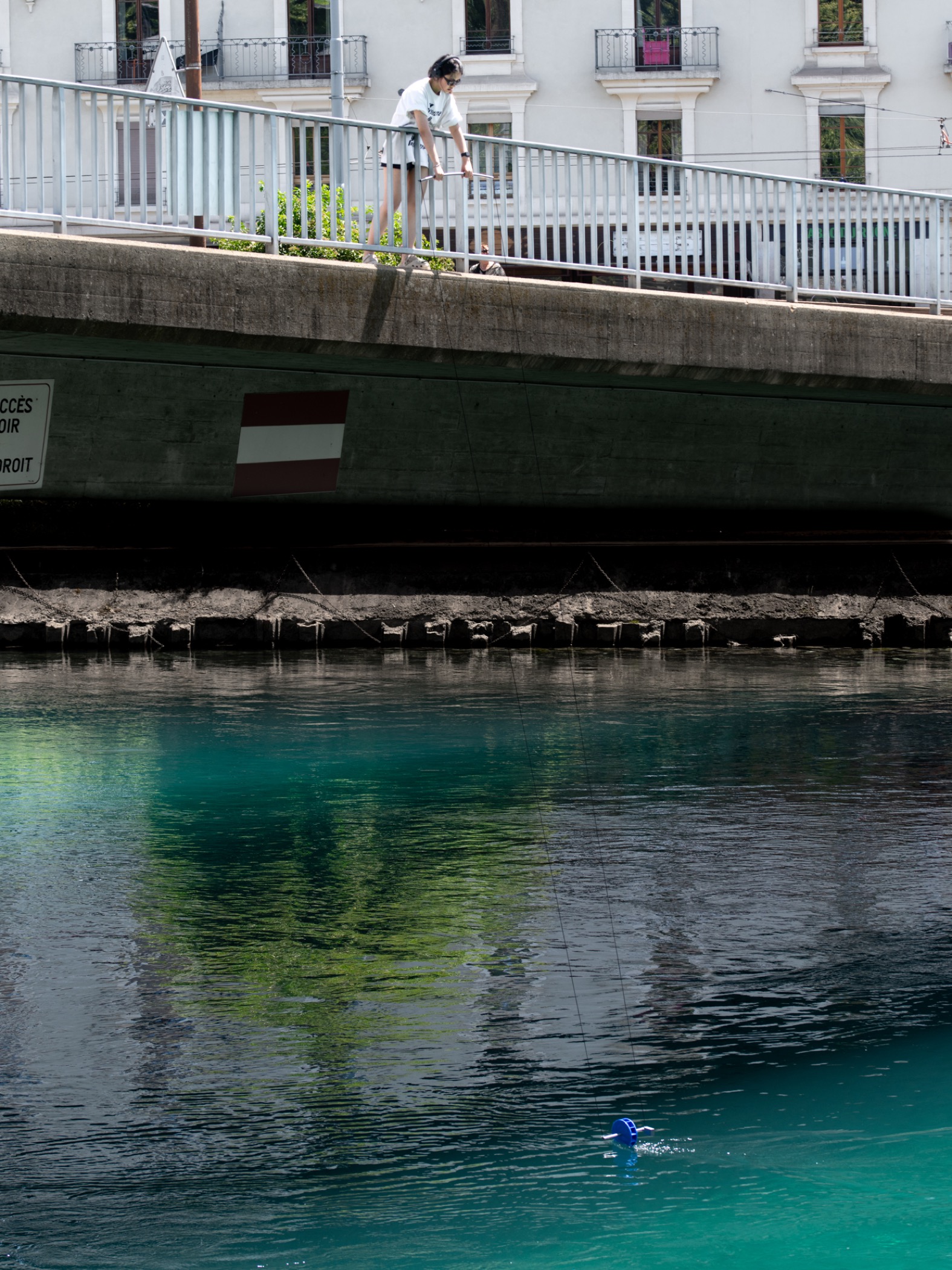
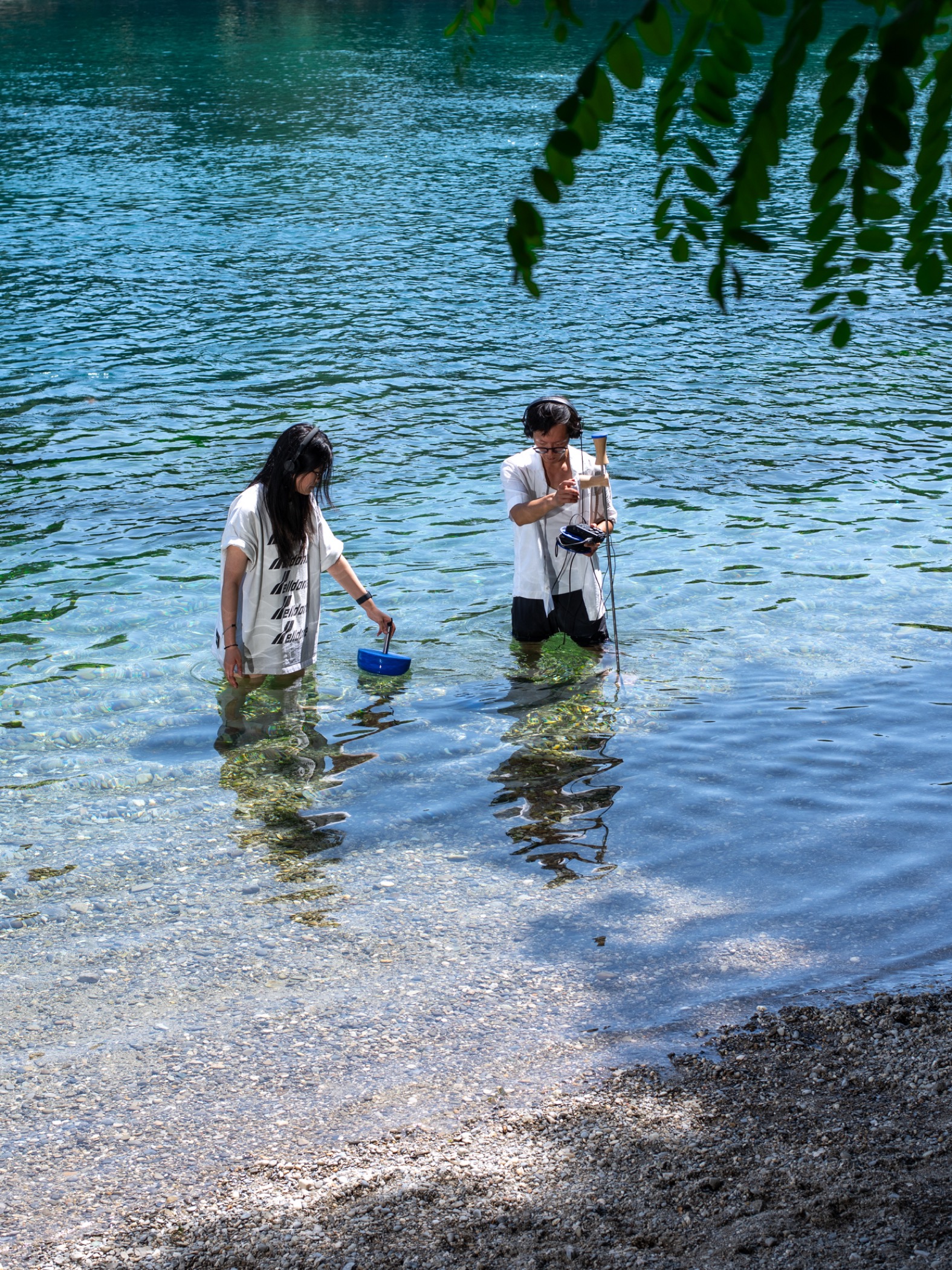
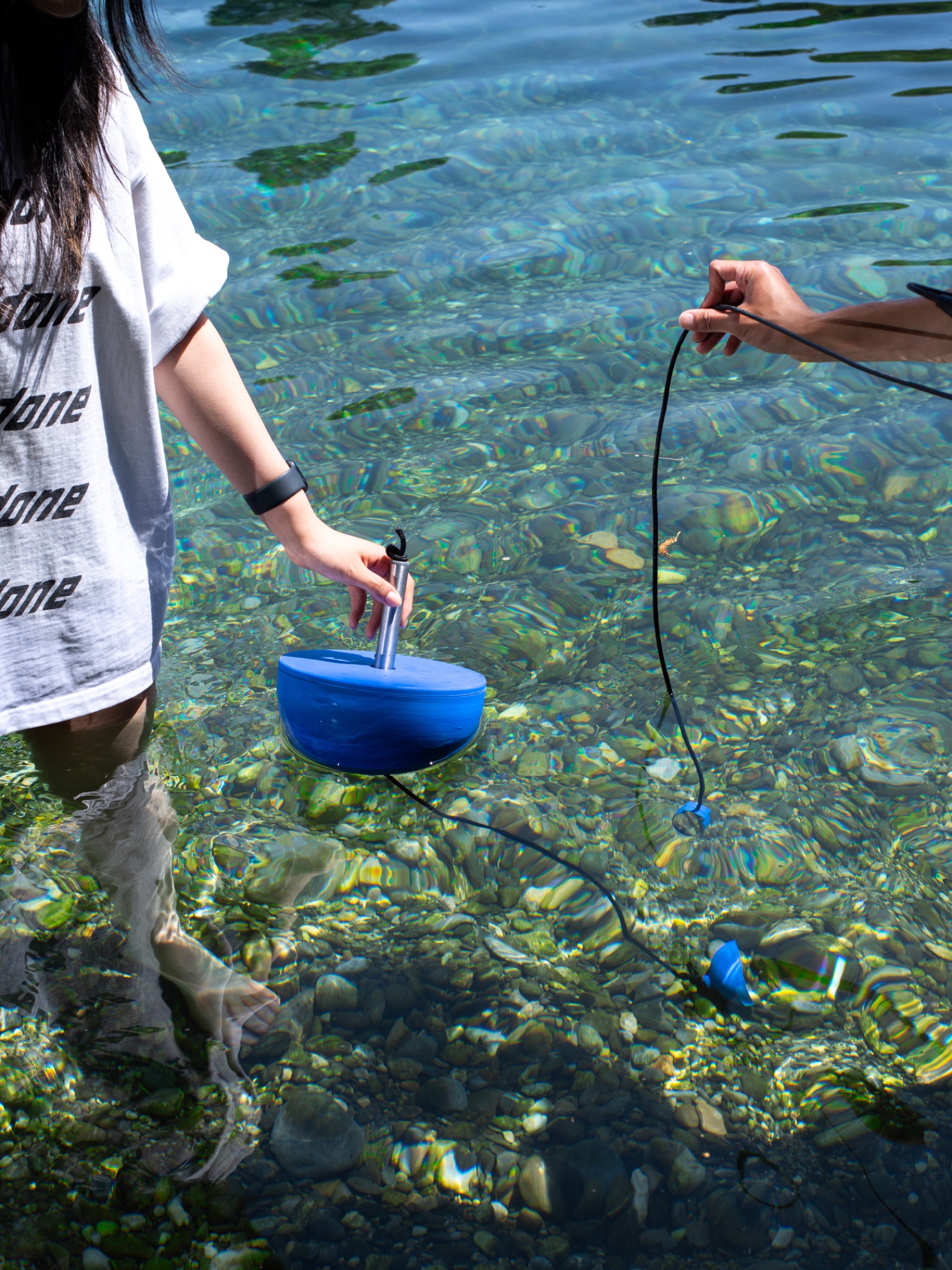
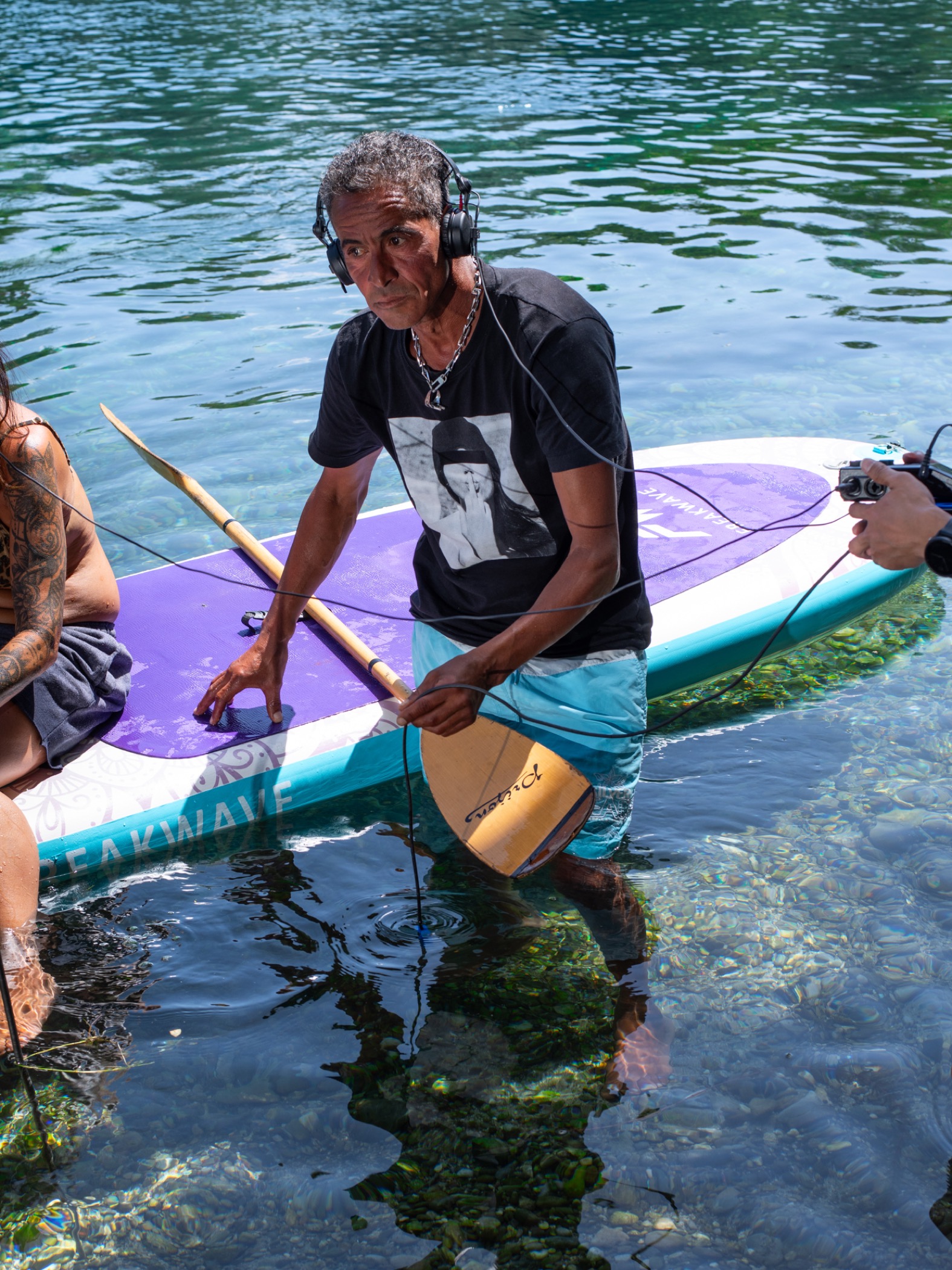
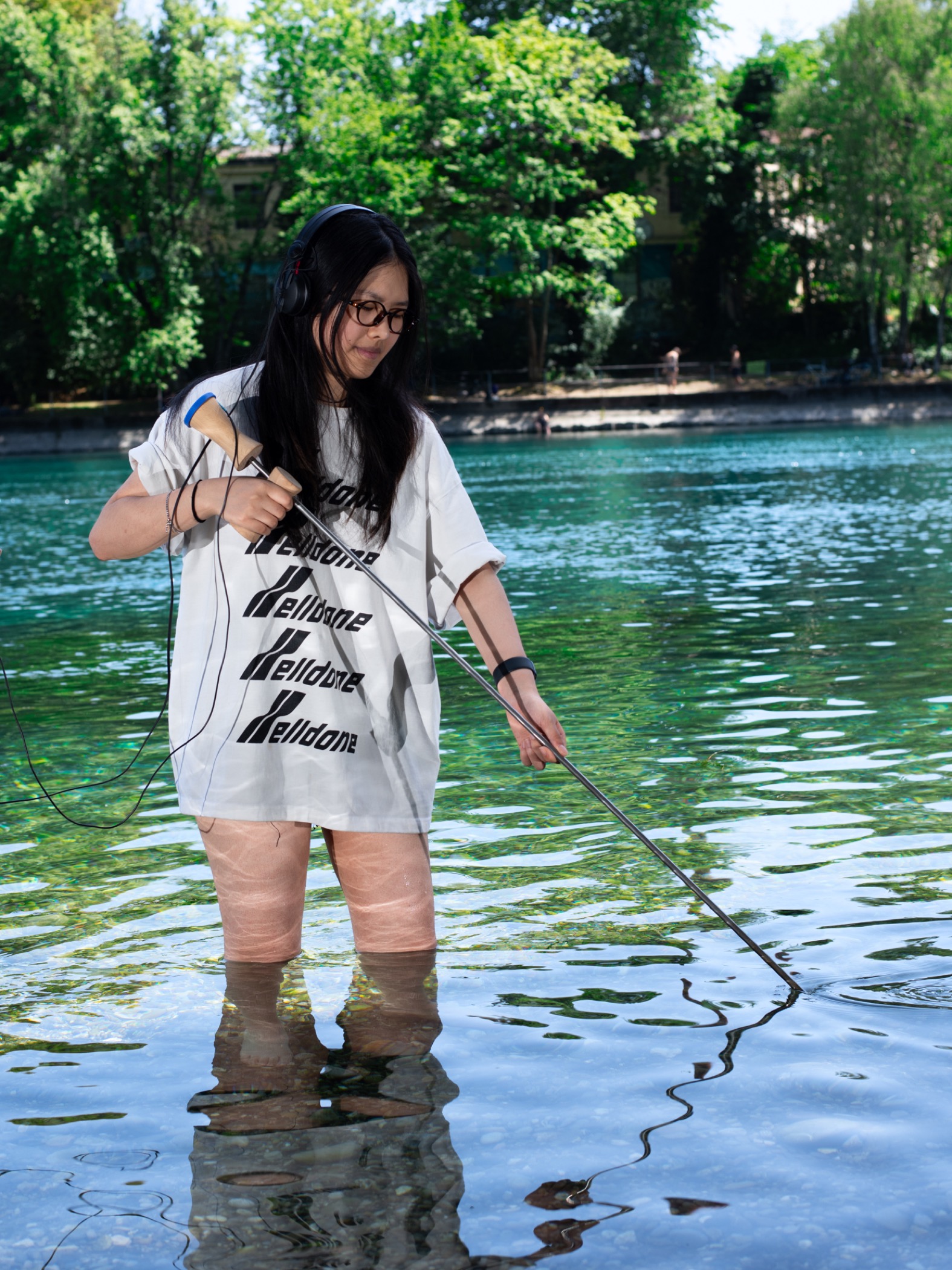
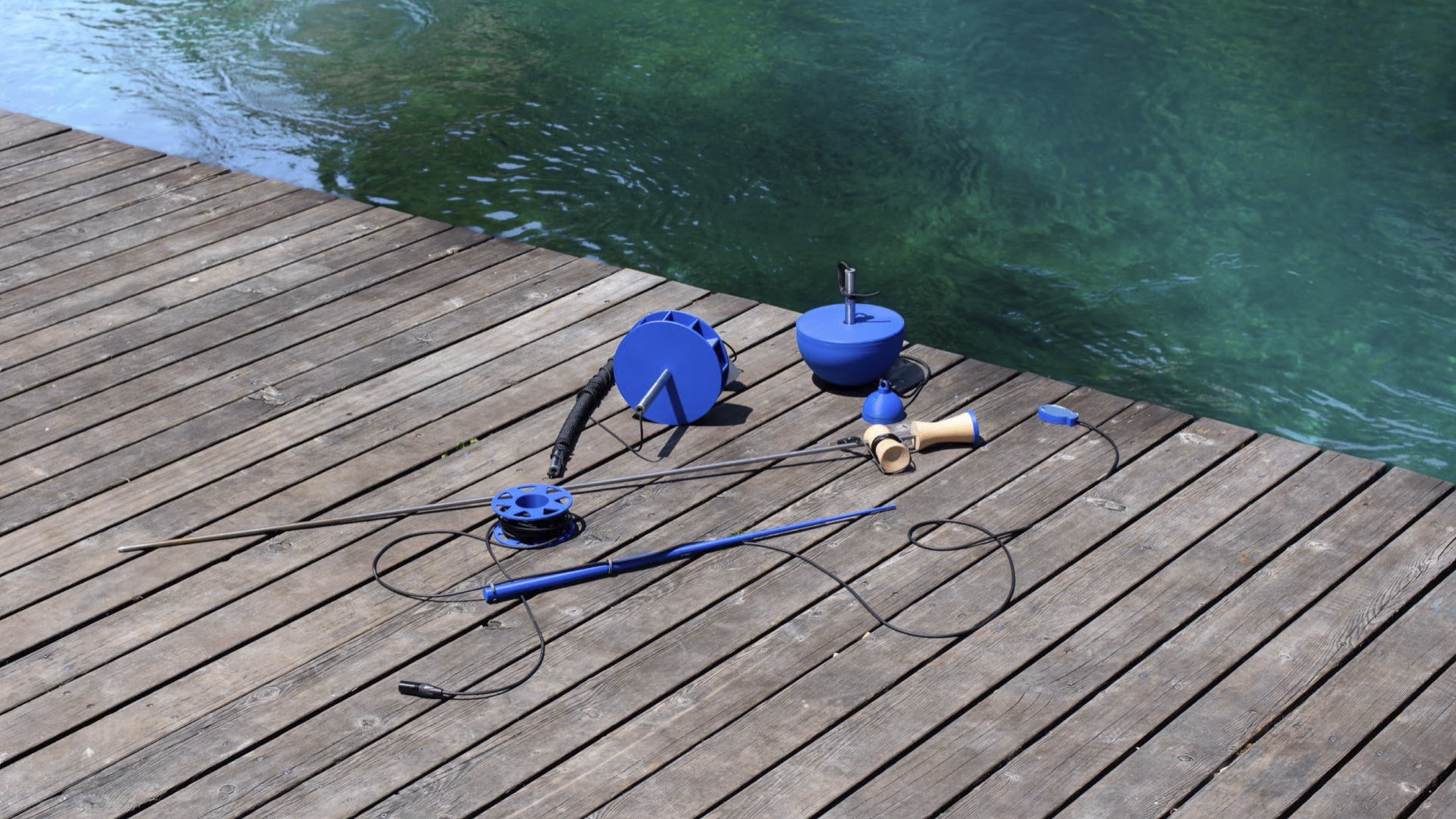
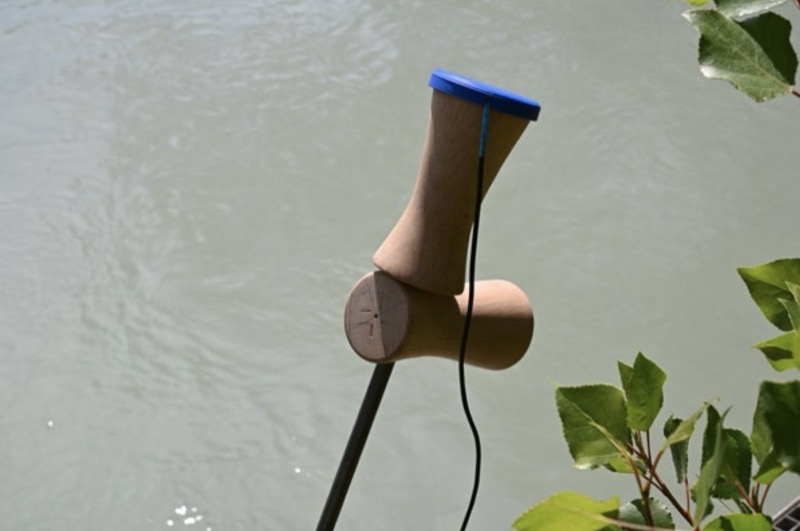
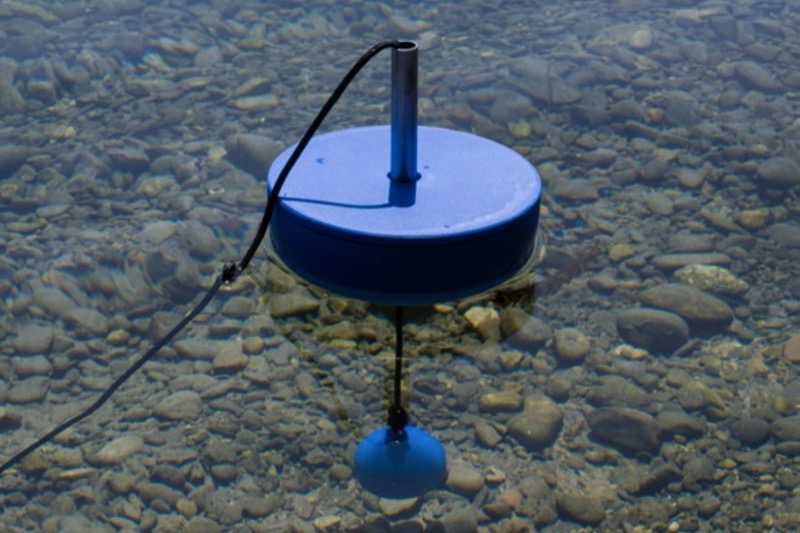
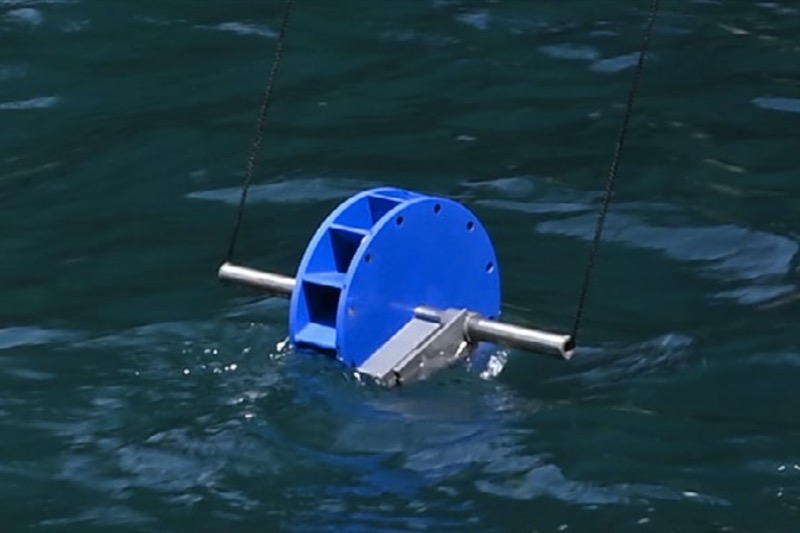
The teaching team, together with the students, designed and built “Listening Companions” – a collection of four objects to explore different aspects of the river. Snoop and Link acted as the ears, recording the acoustics, while Flo and Wade operated as creative tools, re-contextualizing those recordings to construct sound collages.
ACOUSTIC
LISTENS TO THE SOUNDS AS THEY ARE
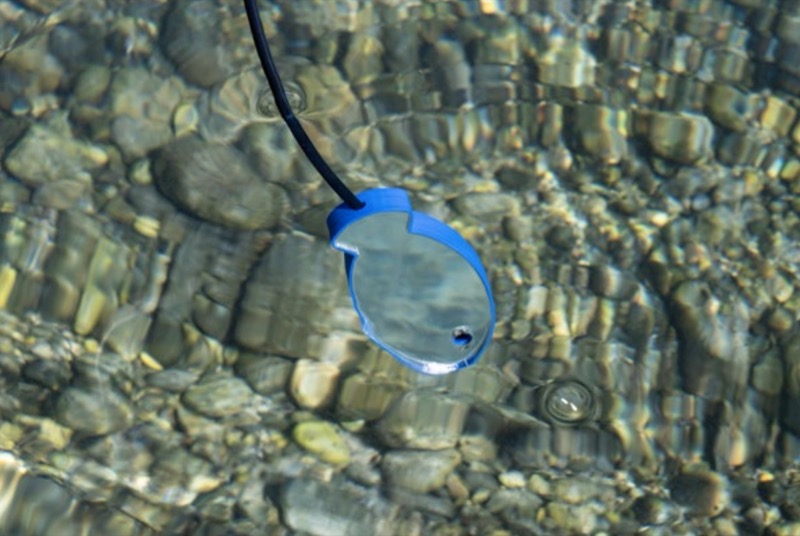
rivers.
| Usage | Components |
| • Walk along the shorebank • Find your perfect spot to cast Snoop • Focus on the sounds in the river | Reel, Rod, Lure, Mic cable, Recorder, Headphone |
| Usage | Components |
| • Stake Link into the ground and focus on the sounds from above and below the surface Alternative Uses: • Find metal surfaces like ladders by rivers to connect Link to listen to the water passing by • Try drawing in the water to see what happens | Metal rod, Wooden handle, Mic cable, Recorder, Headphone |
SONIC
RE-PLAYS THE RECORDINGS FROM SNOOP + LINK AS SOUND COLLAGES
| Usage | Components |
| • Scoop wet sand into the weight • Get your feet wet and go into the river • Drop the weight • Pull Wade if it drifts • Optional: Open lid to throw rocks in from the beach | Weight, Handle, Rope, Vessel, Headphone |
| Usage | Components |
| • Find a bridge that’s not too far from the river • Lower Flo down slowly • Gently place on the surface • Adjust Flo to align to the direction of the river’s current | Handle, Rope, Wheel, Electronic box, Headphone |
The recordings from the Listening Companions are available all in one accessible place. People can explore through a map or list view (above). There is also an audio-reactive visualizer further shaping the identity of the rivers.
| Hardware | piezo disc, esp8266MOD, esp32, h6 zoom recorder, Mogami mic cable, headphones |
| Software | Arduino, Audacity, Three.js, Fusion 360 |
| Fabrication | 3D Printing, Wood and Metalworking |
The Listening Companions were not only designed to engage with the rivers but to also serve as catalysts for dialogue. By inviting the La Jonction community to participate, the project evolved from a solitary study into a collective narrative.
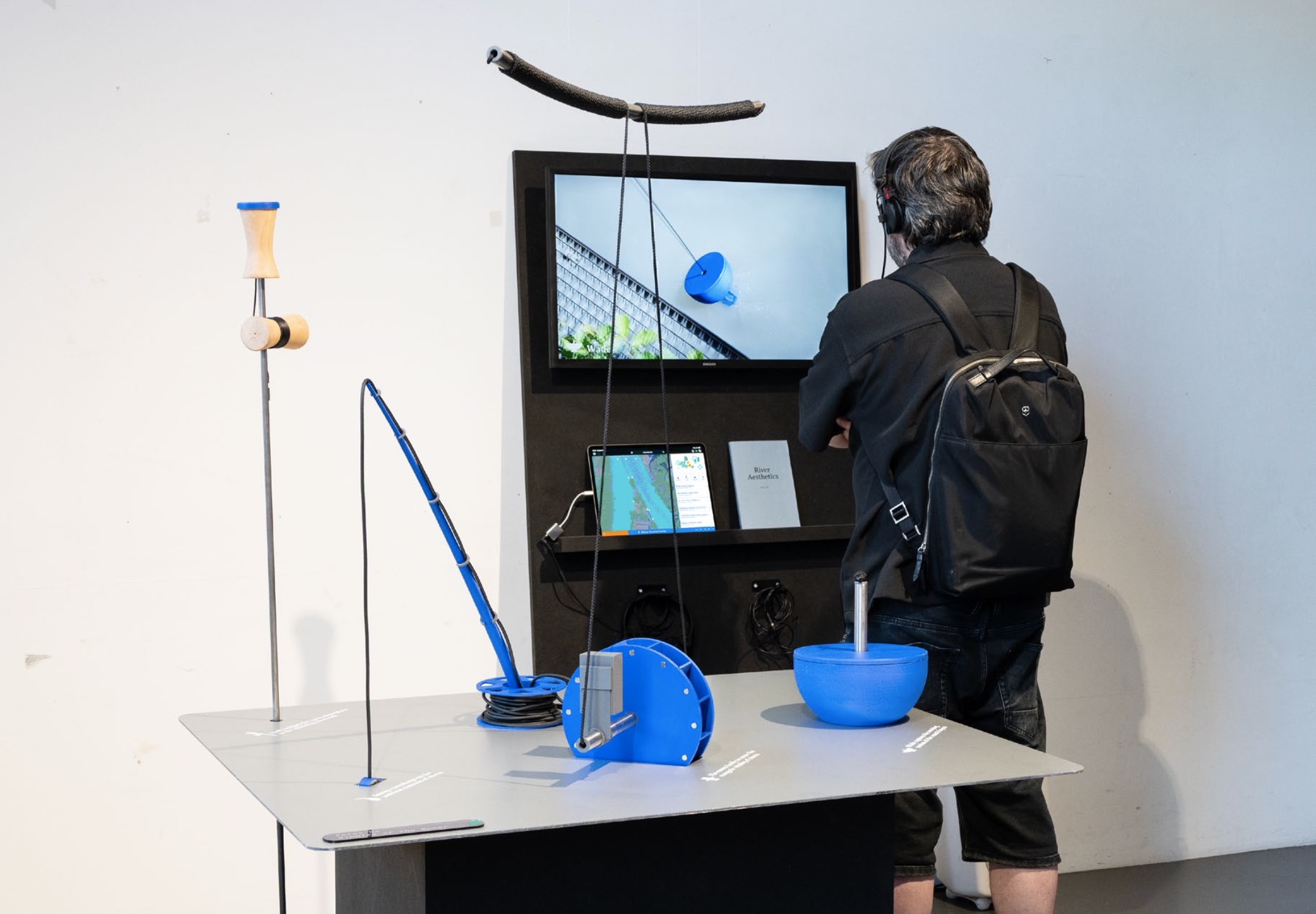
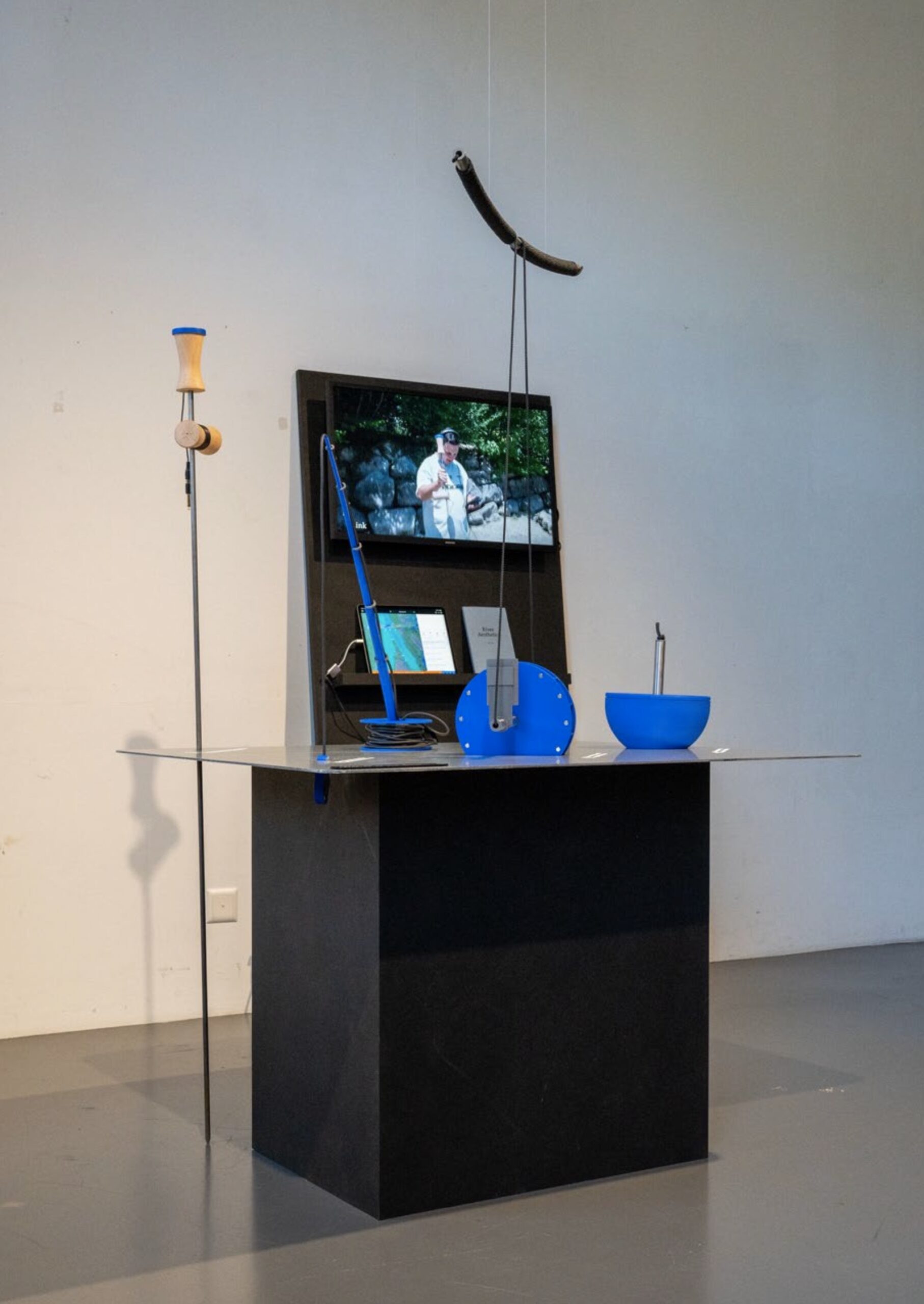
For the exhibition, The Listening Companions are submerged to symbolically represent water where there is no water. Short, one-line descriptions accompany the objects to explain their distinct functions. The central black panel is where visitors can actively engage with the project, whether by watching the video documentation or exploring the digital sound map. In addition, Peter Ha’s master’s thesis, River Aesthetics—the theoretical starting point of Ripples of the Rhoar—was on display.
| Credits | |
| Peter Ha – Designer Dominic Robson – Tutor Alexia Mathieu – Program Director Pablo Bellon – Program Assistant Pierre Rossel, Liuliu Zhu – Technical Development | Antonin Ricou – Object Direction Helena Bosch Vidal – Scenography Direction Peter Ha, Antonin Ricou, Andrés Acosta Blaschitz – Videographers Peter Ha – Editor Peter Ha, Studio TropBien – Photographers |