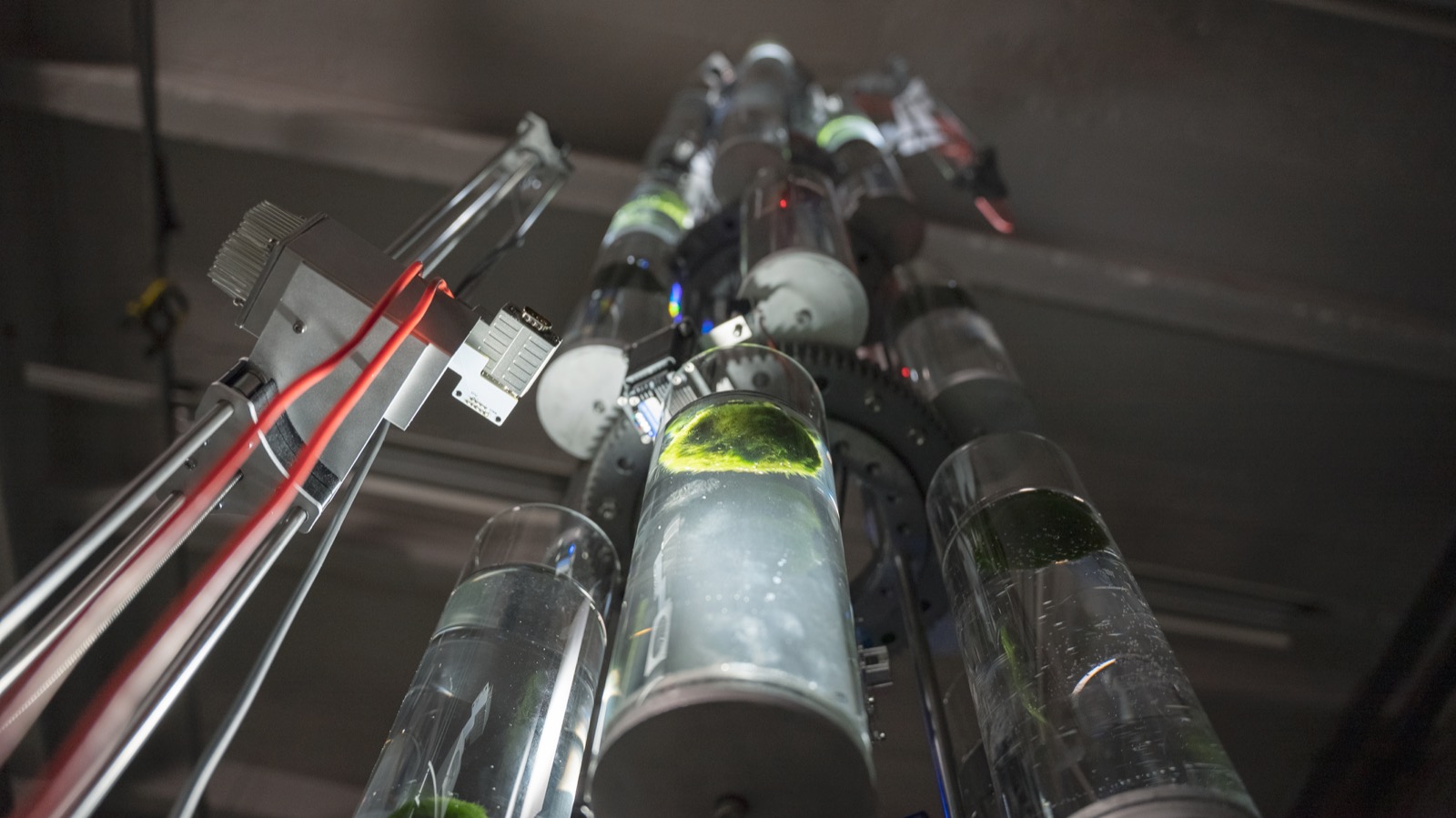
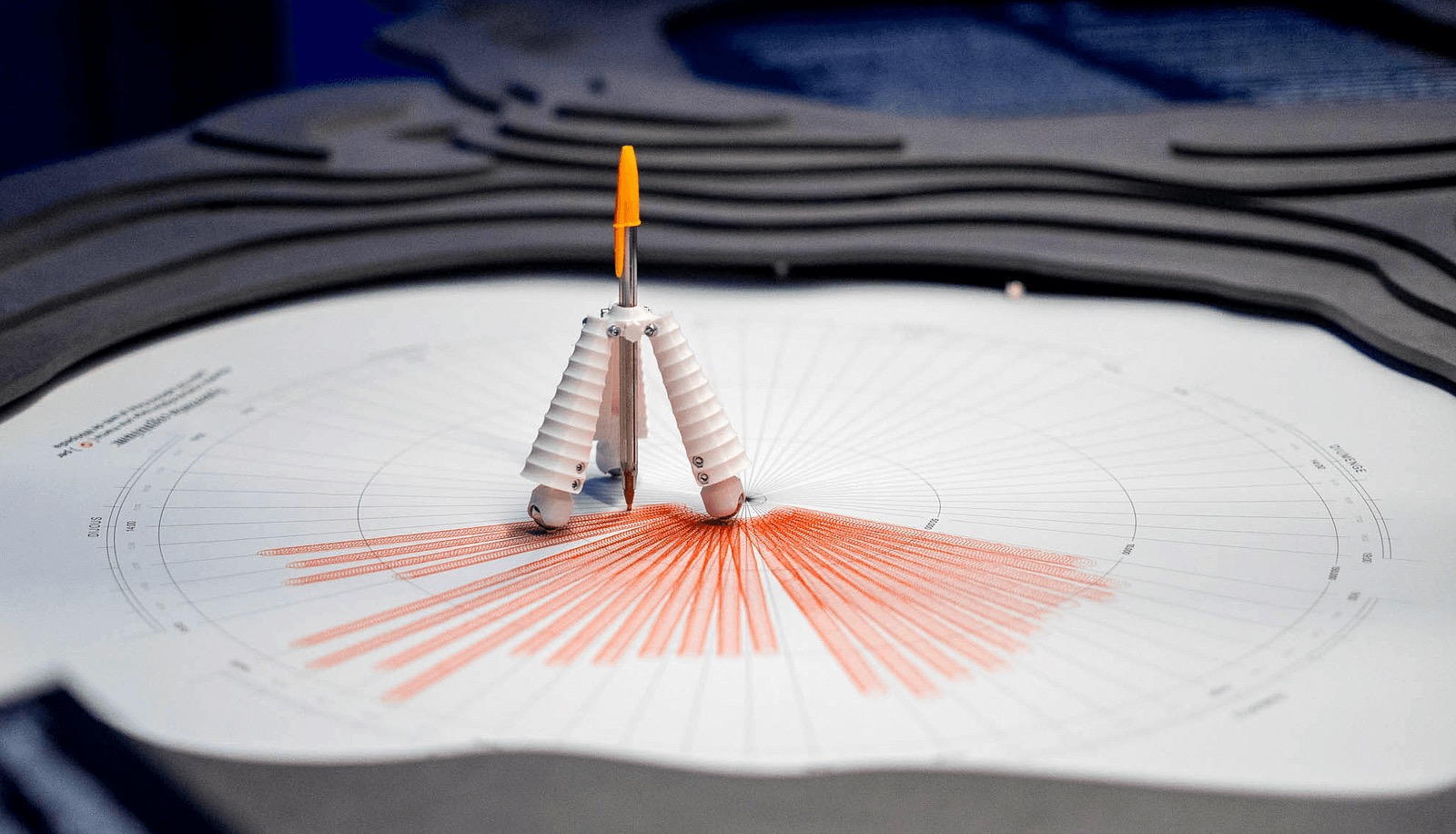
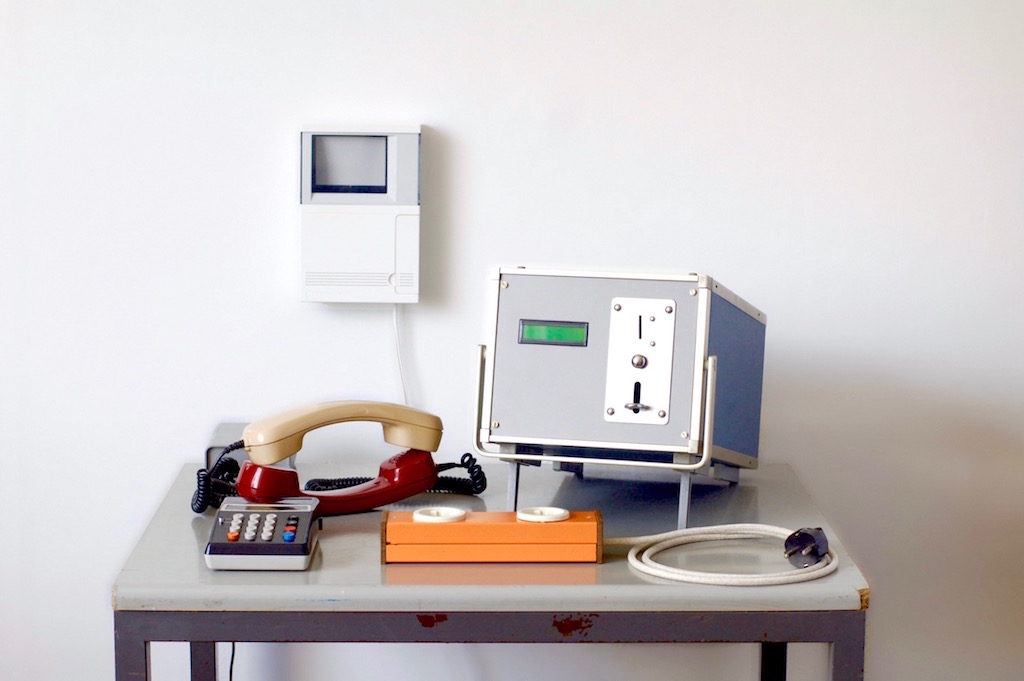
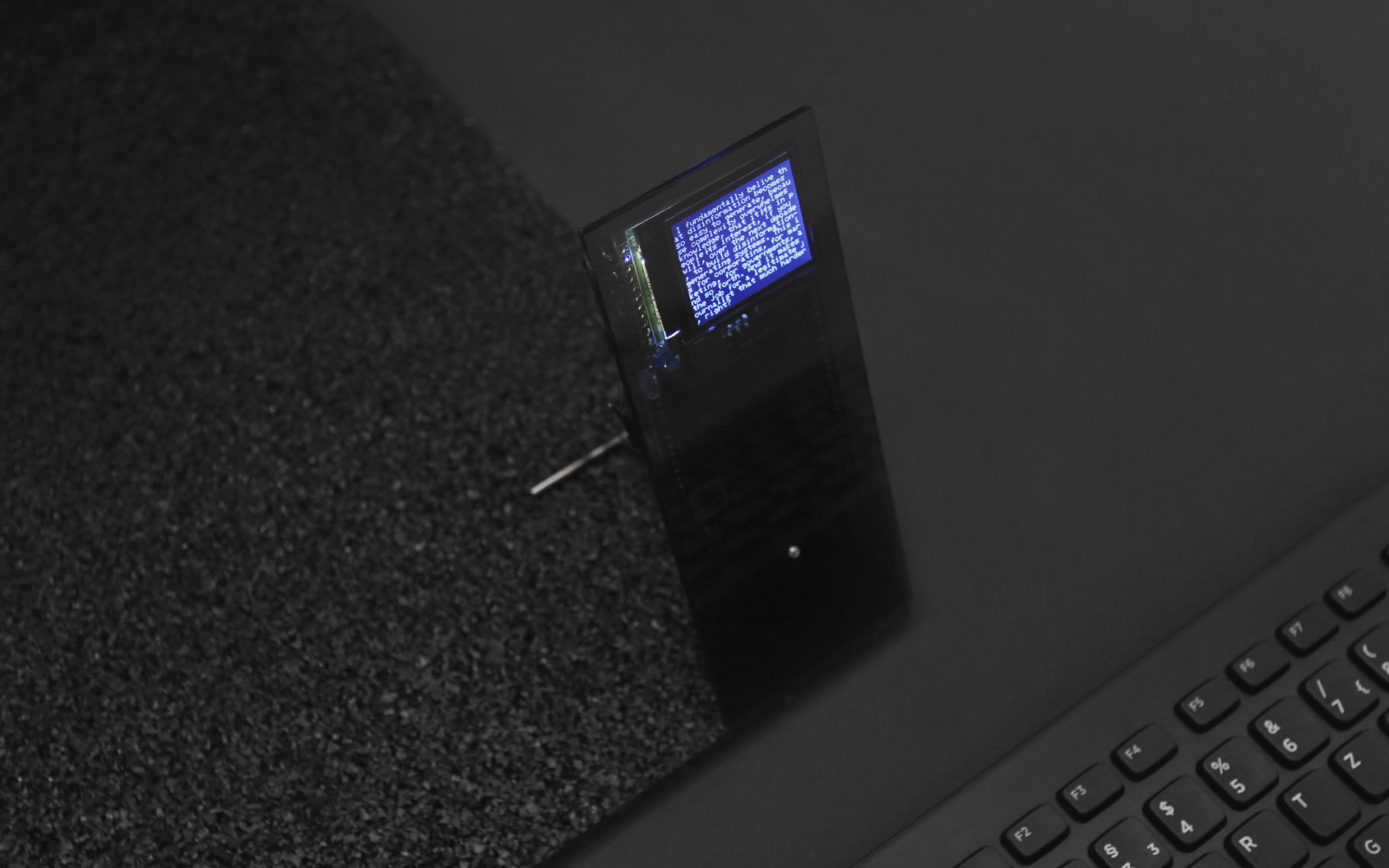
Created by Stephanie Rentschler at the University of Applied Arts Vienna (Design Investigations), SlimeMoldCrypt is a speculative device that reimagines security as a biological process using a single-celled slime mold, as an unpredictable and dynamic encryption engine.
As quantum computers loom on the horizon, threatening to break traditional time-based encryption systems, society continues to trust its most sensitive information to corporate-controlled digital vaults. But what if encryption were not a product of bureaucracy, algorithms, or speed, but a living relationship?
Stephanie Rentschler
This organism’s (Physarum polycephalum) ever-changing network of tendrils reacts instantly to its environment, creating chaotic, decentralized growth patterns that are inherently resistant to computational decryption—even by quantum machines. In this installation, the visitor becomes the steward of their own data. Their encryption strength is tied directly to their care: by managing three environmental controls, light, humidity, and nourishment, they influence the slime mold’s vitality. The more attentively they engage, the more vibrant its cellular movement becomes, enhancing the entropy of the encryption. But neglect weakens the system. If the slime mold’s activity ceases, so does their protection, exposing your information entirely.


Imagined not just as an encryption but as an emotional protocol, SlimeMoldCrypt challenges the notion of passive digital security and proposes a radical alternative: an encryption system driven by presence, empathy, and responsibility, inviting us to slow down and protect with care.
Project Page | Stephanie Rentschler
See also: Cryptographic Beings – Biology as digital storage by Michael Sedbon