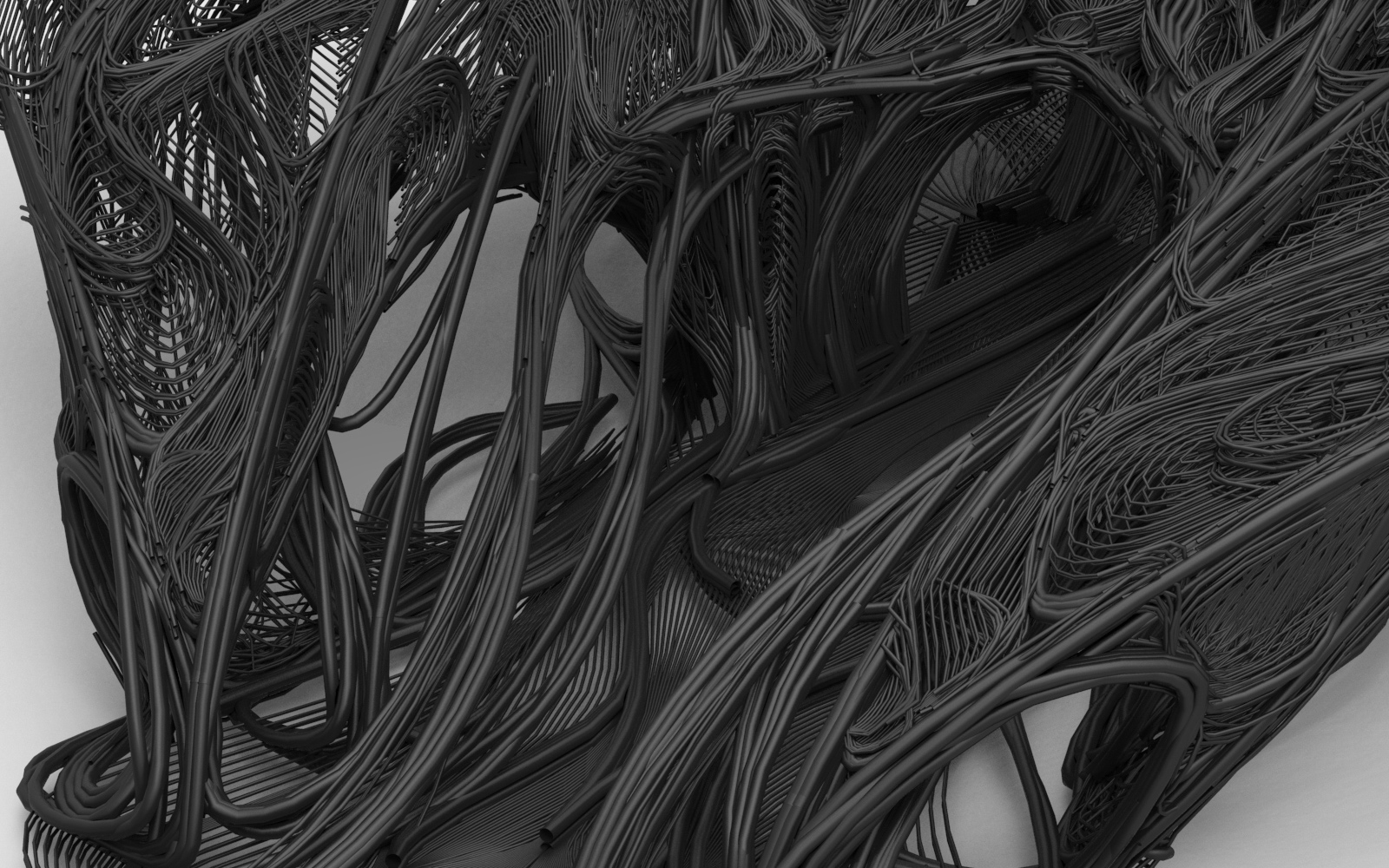
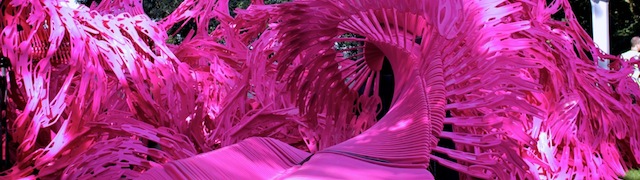
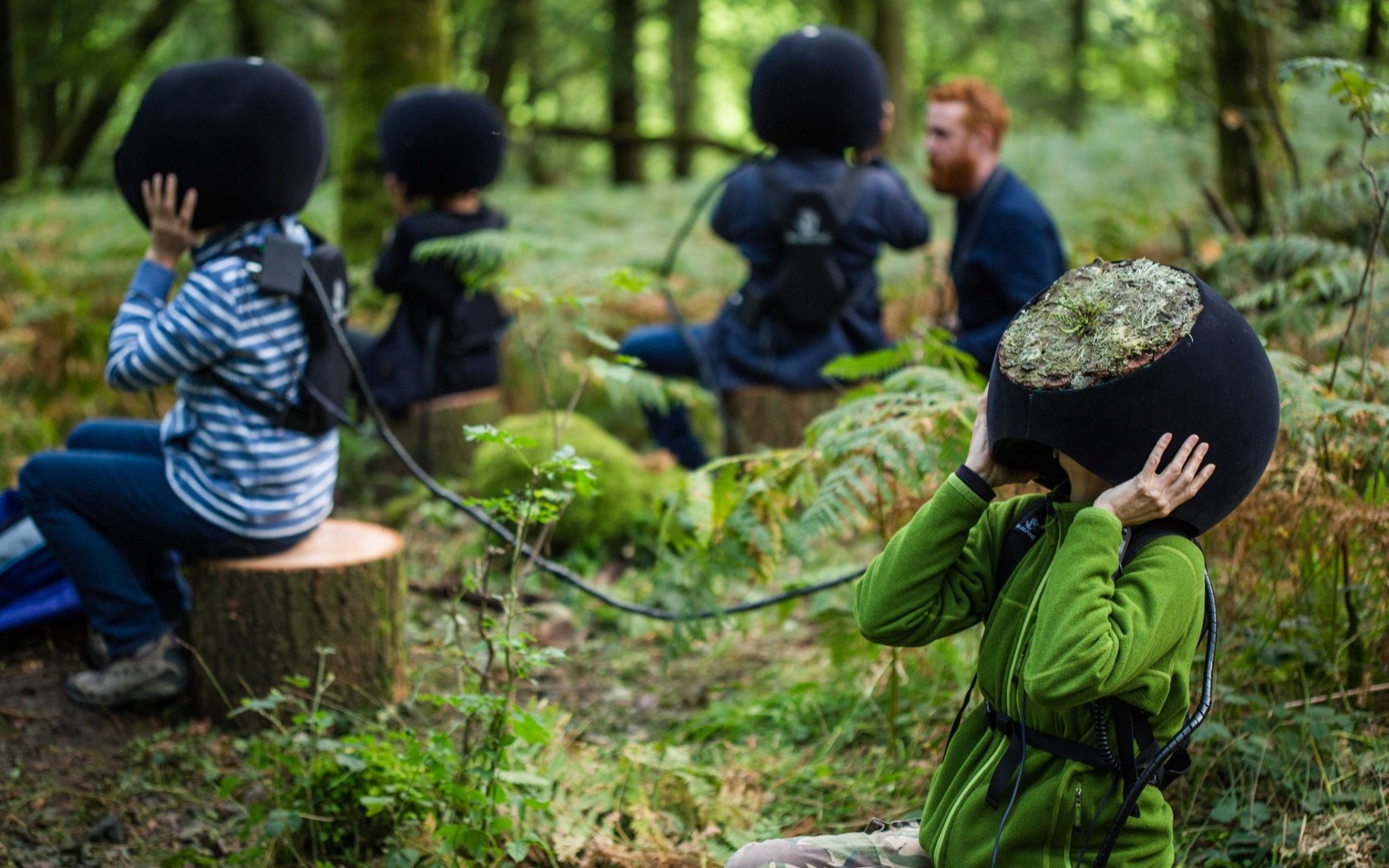
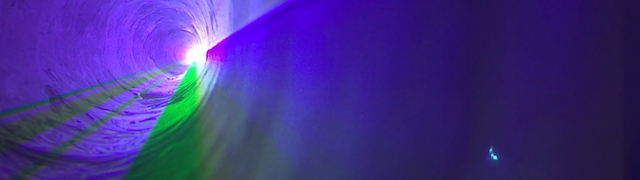
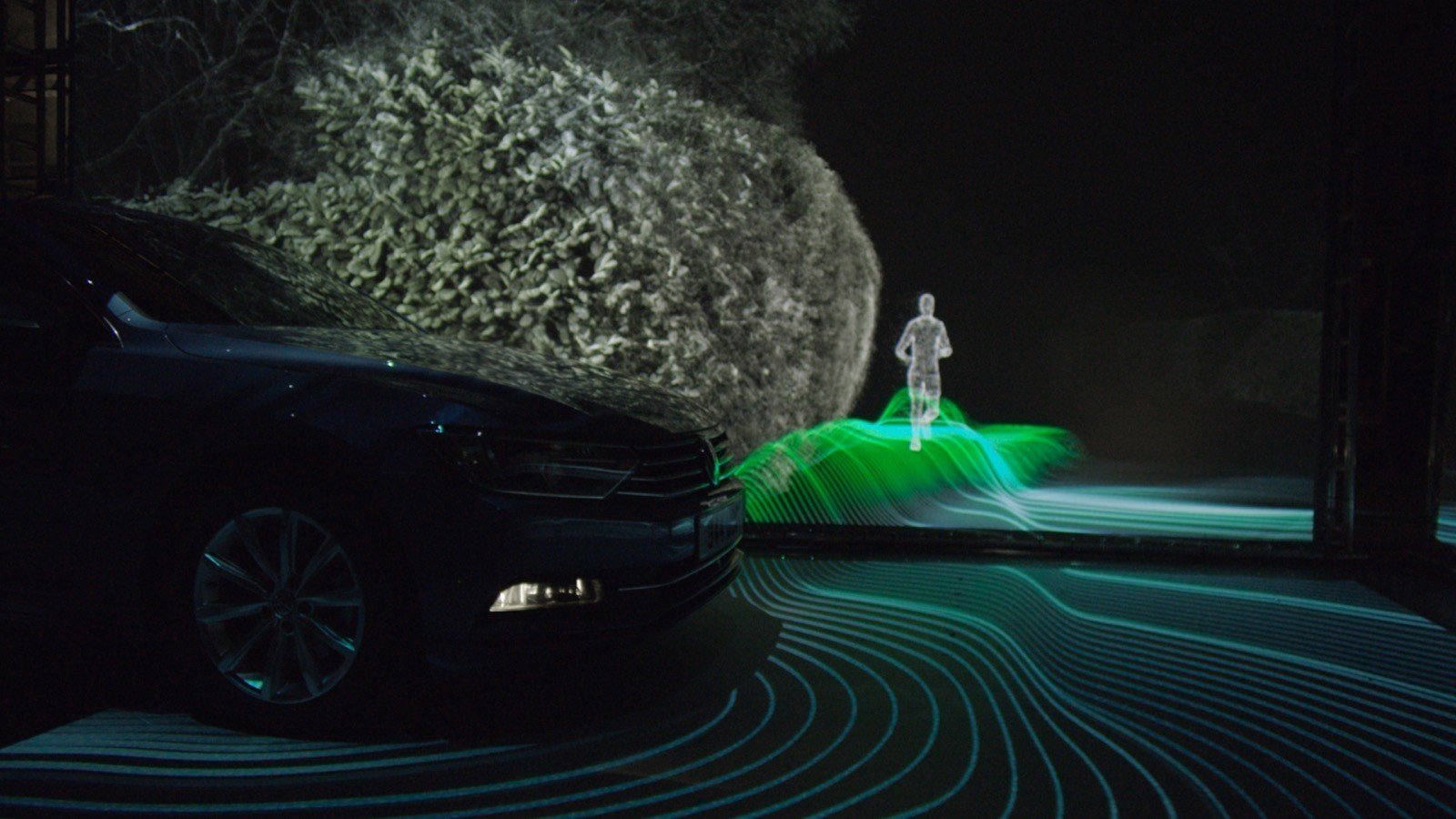
As light travels between the lenses and mirrors, the scan consistently deploys scale shifts, virtual extensions, and morphing geometries to disorient the sensor perception. These techniques challenge and reshape conventional conceptions of reality and its confines. Meanwhile, tangible events, documented fictions, and imagined scenarios intertwine to craft a complex narrative, blurring the line between authenticity and artifice. To obfuscate the demarcation between the represented and the factual within Epping Forest.
Discerning the Silent Presence by Peiyan Zou is a hybrid media installation that commandeers LIDAR—the laser‑mapping technology long celebrated for forensic precision—to question whether objective scans can ever be trusted. Harnessing a bespoke apparatus of reverse‑engineered algorithms and optical interventions, Zou invites the device to do more than passively record Epping Forest: he prompts it to conjure or uncover a ghost story that may never have existed.


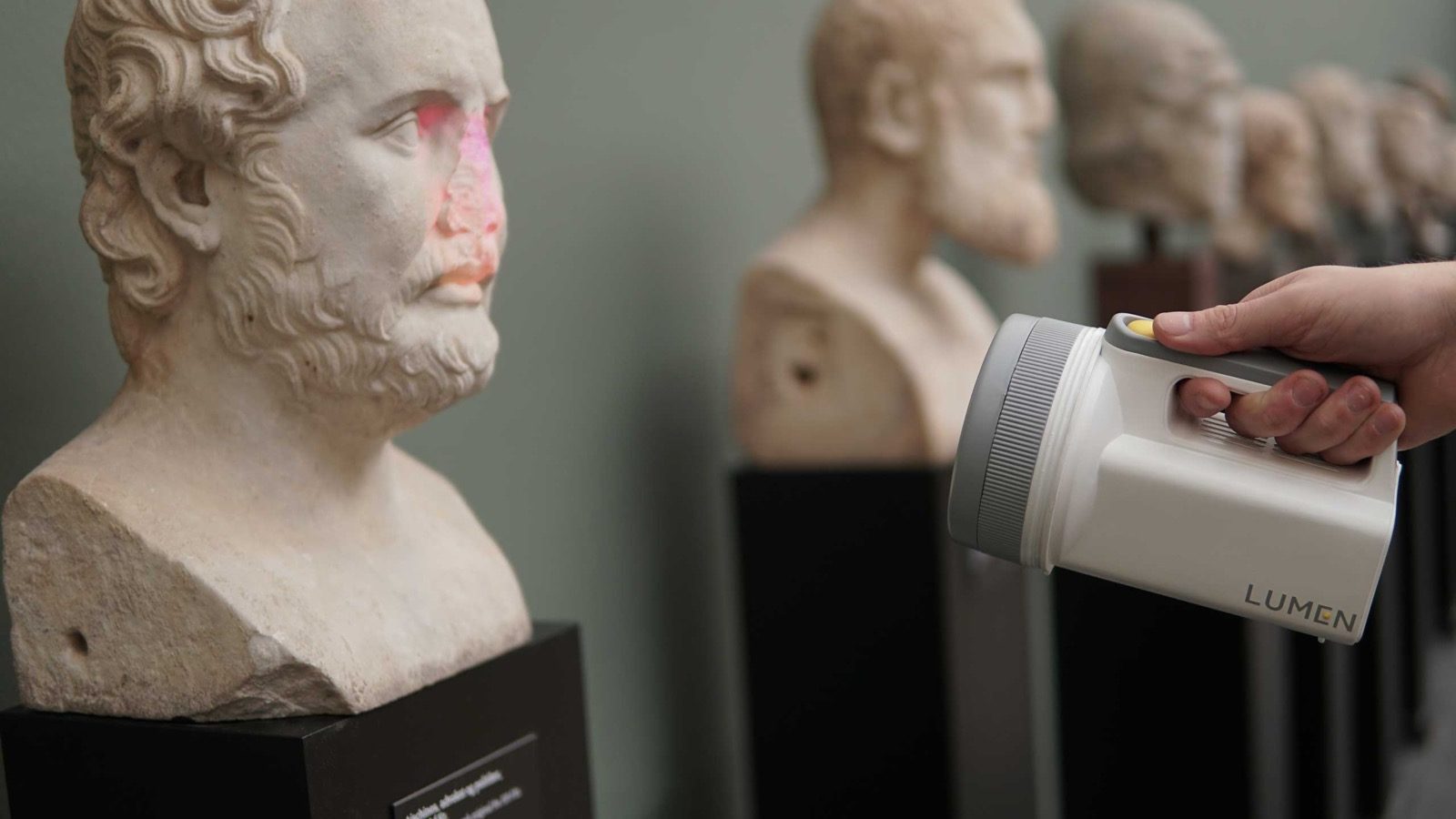
In this carefully staged collision of archaeology, surveillance culture, and speculative fiction, LIDAR becomes both narrator and unreliable witness. By exploiting the same techniques now embedded in autonomous vehicles and even smartphones, Zou exposes how easily the rhetoric of positivist realism can be bent toward fabrication. Echoing Paul Virilio’s warning that every new optical tool carries the threat of distortion, Discerning the Silent Presence blurs the line between empirical evidence and engineered myth, challenging viewers to decide where reality ends and technological storytelling begins.
The apparatus uses optical principles combined with reverse engineering algorithms to disrupt the scanner’s perception, intertwining tangible events, recorded fictions, and imagined scenes to blur the line between authenticity and artifice.
Peiyan Zou
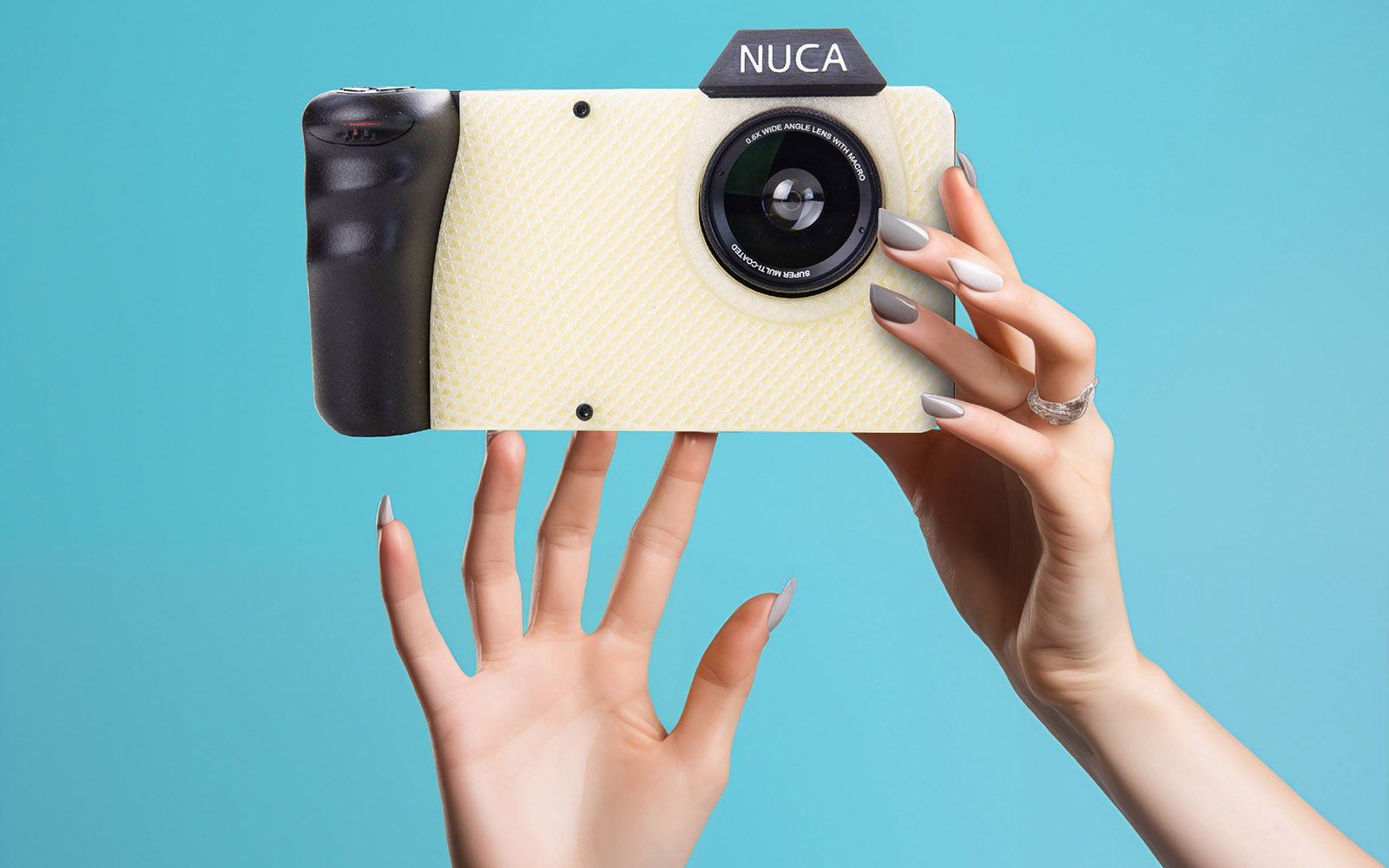
Working inside Grasshopper, Peiyan has written a bespoke 3‑D reverse‑engineering algorithm that traces every laser pulse emitted by the LiDAR scanner and models each pulse’s full chain of reflections and refractions. The code tackles the problem in reverse: given a target geometry—say, the silhouette of a figure—what optical intervention will force the scan to converge on that form? It outputs precise fabrication parameters—surface curvature, thickness, and orientation—for lenses or mirrors capable of distorting the point cloud to the artist’s will.
Those prescriptions are realised as CNC‑milled, flame‑polished acrylic lenses and cold‑bent mirrored sheets. Once mounted on the scanner, these custom optics hijack the emitted beam, coercing the forest’s raw geometry into improbable configurations: a living oak dissolves into a ghostly figure.
Each captured point cloud is then cycled through CloudCompare, where iterative filtering, resampling, and error analysis feed back into the algorithm. This closed loop—data refining matter, matter refining data—gradually perfects both the scan and the algorithm, blurring the boundary between empirical survey and authored apparition.
The project the result of Architecture BSc studies (UG06 / 3rd year) at the Bartlett School of Architecture and the winner of Fitzroy Robinson Drawing Prize.