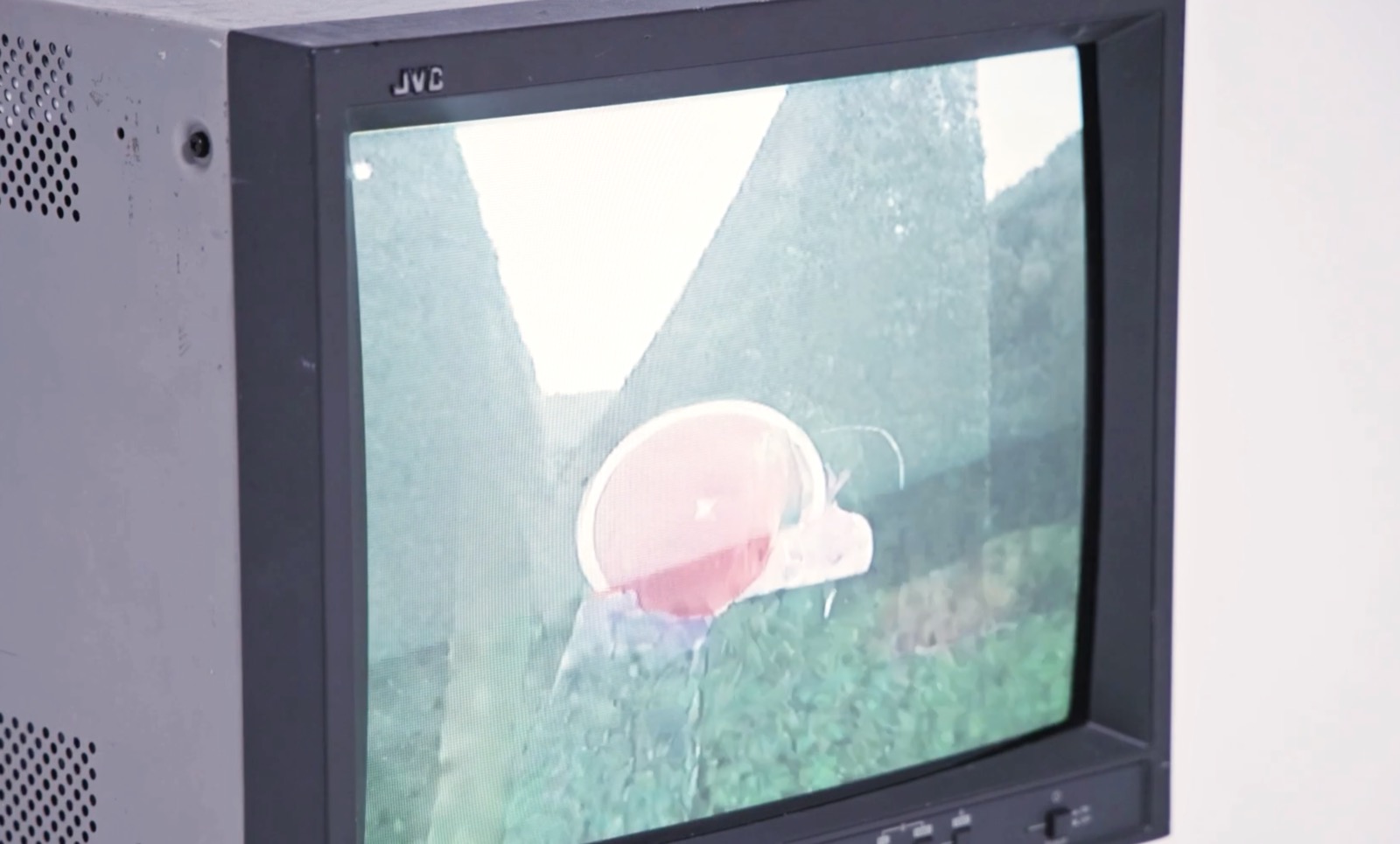
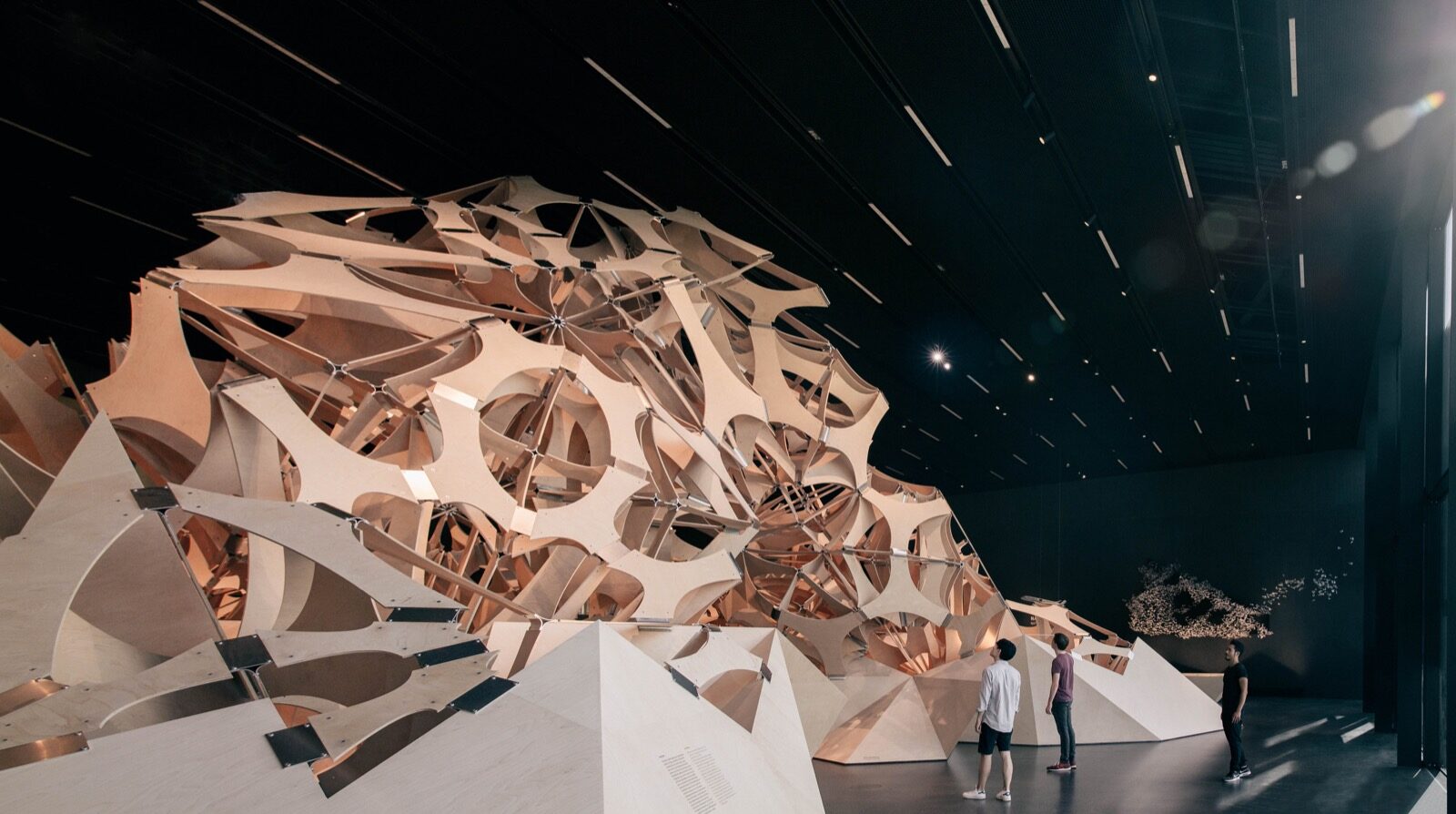
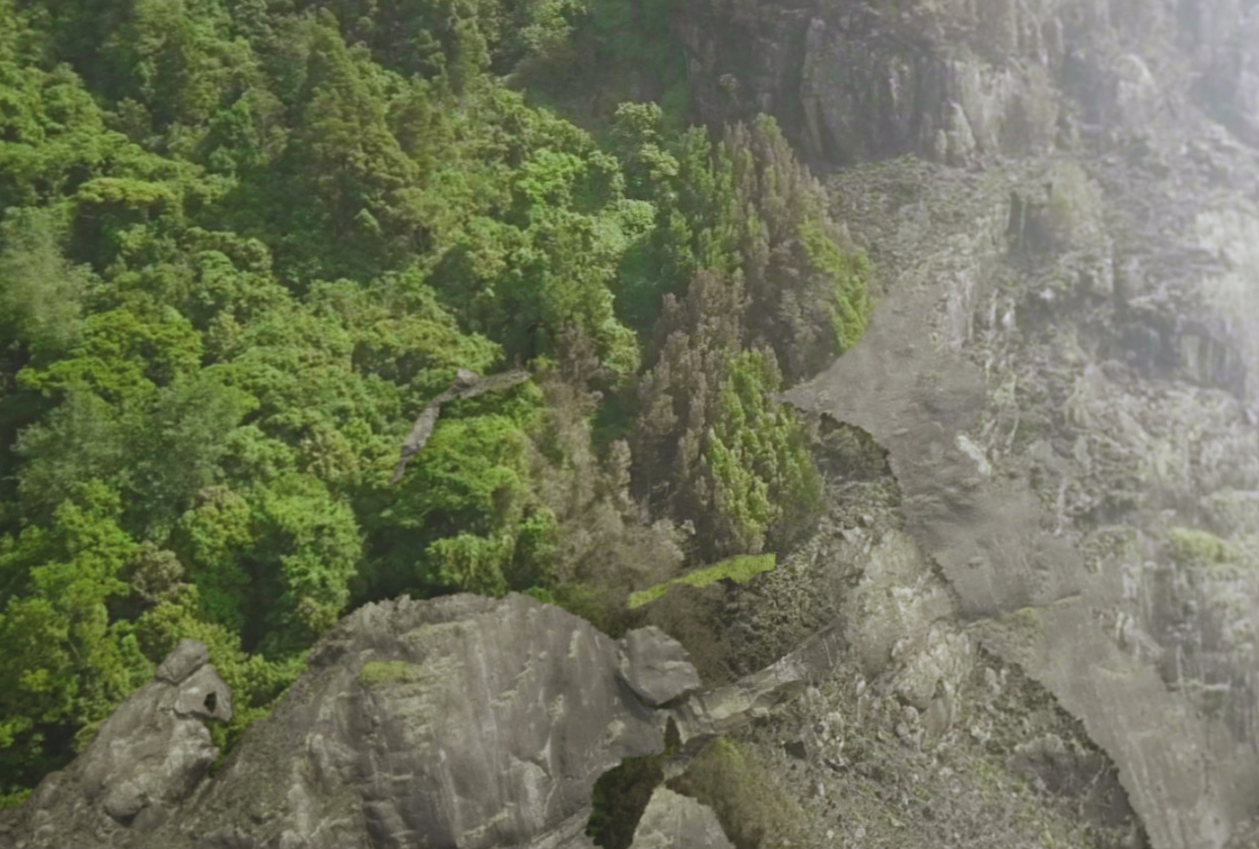
Created by Théo Déchanez at ECAL (Bachelor Media & Interaction Design), Vulcan is an audio-visual installation exploring themes of human smallness and the fascination of the immensity of natural forces.
Inspired by the work of volcanologists and filmmakers Haroun Tazieff and Katia and Maurice Krafft, Théo was interested whether this captivating imagery and narratives could be delivered through an immersive, installation-based journey, paying tribute to both volcanoes and volcanologists.
I deeply resonated with their relationship with natural elements and their awe for these geological giants that made them feel small and insignificant.
Théo Déchanez
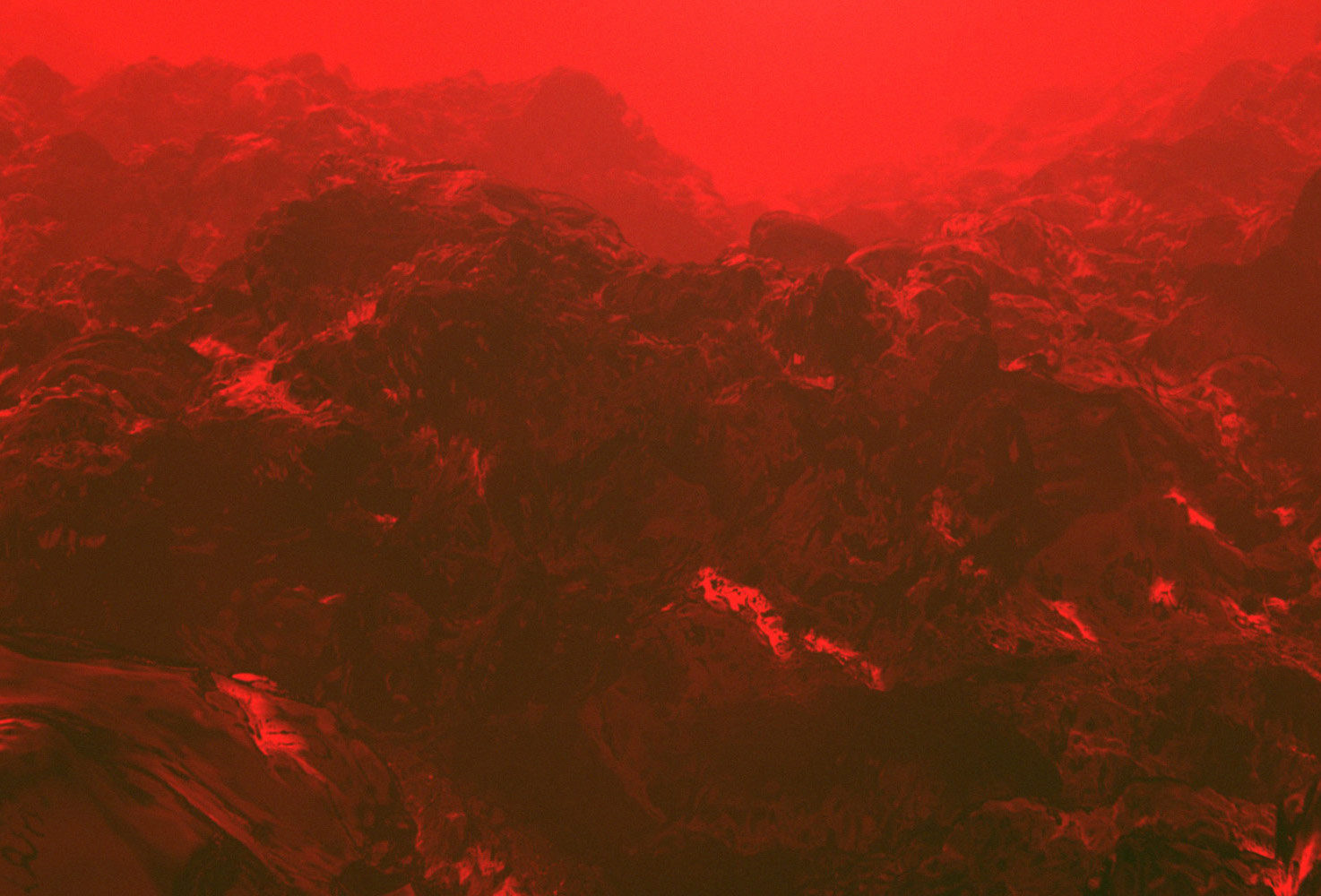
The project is built around several quotes from volcanologists, one of which is from Haroun Tazieff describing the precise distance he had to maintain from a volcano: At six metres, you feel nothing. At two metres, you burn. So I stand at three metres and place my camera. Mesmerised by this statement, Théo was interested in the idea that beyond this three-metre barrier, we lack imagery. It inspired him to create an artistic vision of what lies beyond this threshold—what happens within the volcano itself, close to Vulcan, the Roman god of fire, forge, and volcanoes.
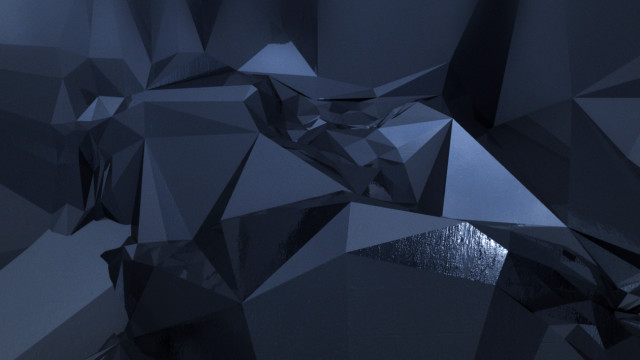
Vulcan is a VR 360° sequence designed for the Quest 3, created entirely in 3D. It integrates two heat matrices that provide haptic heat feedback synchronised with the sequence. The 3D elements were produced entirely using Houdini. Houdini’s simulation capabilities were essential for giving the natural elements an organic and unpredictable quality. Théo enjoyed not having full control over the simulations, as it felt like working with an unpredictable natural element. The texturing and rendering were done using Redshift.
An eruption is a mix of gas, rock, magma, and heat.
Katia Krafft
The heat lamp matrix was conceived, designed, and built by Théo. It consists of nine 150W heat lamps typically used in agricultural settings (for poultry) and is connected to an ESP32 microcontroller.
Sound plays a critical role in the experience to maximise its impact on the viewer. Many people who shared their volcanic experiences with Théo mentioned that the sound was often the most striking element. Vulcan uses two speakers and a subwoofer placed directly in front of the viewer to create a powerful soundscape. The audio is composed from real volcanic sound libraries, as Théo felt nothing compares to the raw and powerful sounds of actual volcanoes.


The system synchronisation was managed from a control PC and a custom network. Both the VR headset and the ESP32 received instructions via OSC commands from Chataigne, an open-source show control software. All commands are executable from a Stream Deck connected to the PC, simplifying management for exhibition setups.
From initial reflection to conceptualisation, the entire process took approximately four and a half months. The project was mostly completed independently, with technical and conceptual guidance from Alain Bellet and graphic design contributions from Elodie Anglade.
Project Page | Théo Déchanez | ECAL — Media & Interaction Design
Project by ECAL/Théo Déchanez
Tutors: Pauline Saglio, Alain Bellet, Gaël Hugo, Lara Defayès
Assistants : Elodie Anglade, Kylan Luginbühl, Martial Grin, Sébastien Matos
ECAL / University of Art and Design, Lausanne Switzerland
Bachelor Media & Interaction Design