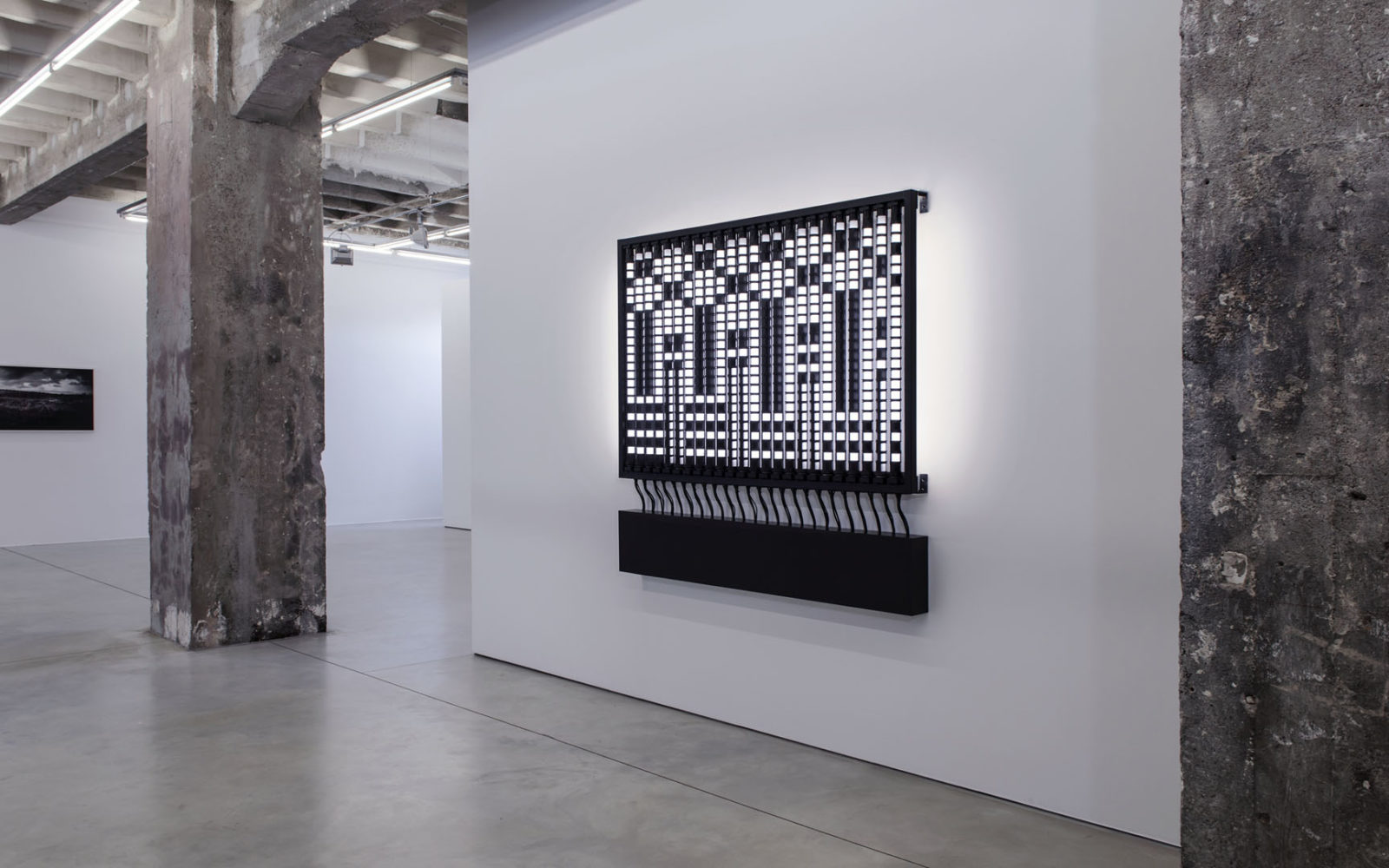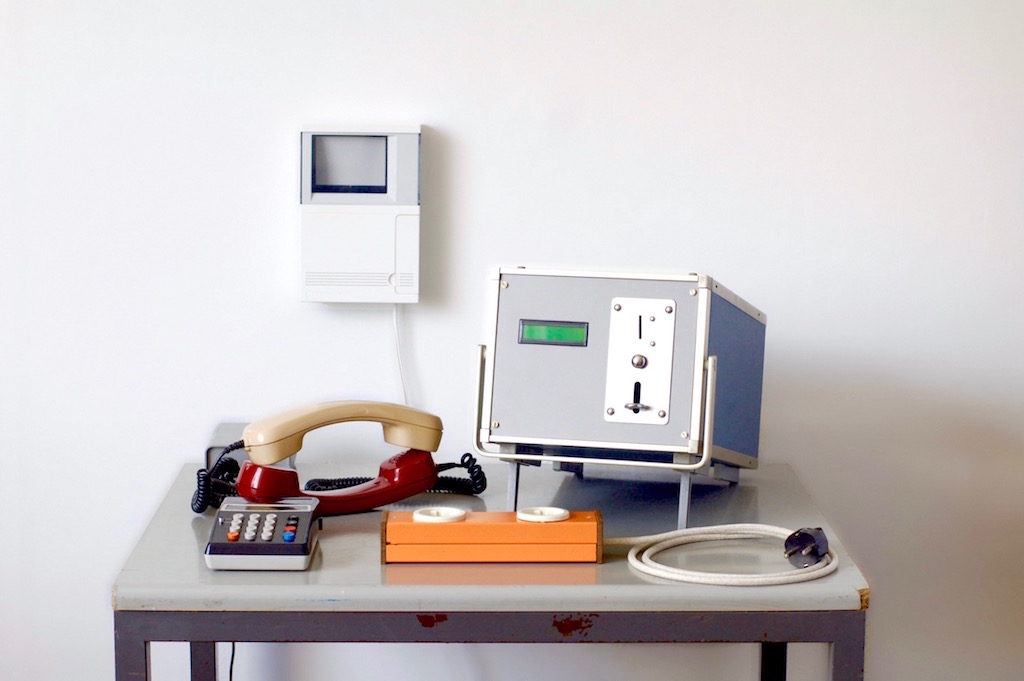
Created by Sures Kumar at the RCA Design Interactions, ‘Beyond Blood’ is a project that imagines a legal system where algorithms take over the inheritance process where the deceased has not left a will and the state has to distribute the estates. Inspired by the near-future scenario of “internet of things” (as described in Shaping Things by Bruce Sterling) where every object is trackable and logged by a computer system, the project suggests that by tracking people and objects over a number of years, computers will be able to infer the significance of an object to a particular individual.
Over the last few months Sures has been working to design a speculative software system that could designate assets based on different parameters, which can be altered by the policy makers, whether this be individuals, government or policy makers. To explore this scenario, Sures uses the film “Aviator”, which depicts the life of Howard Hughes, to create a fictional computational model for generating a will for splitting Hughes’ $2.5 billion estate (originally split among 22 cousins whom he had never visited). In this alternative history of the life of Howard Hughes, every asset and object is a “spime” that senses human interactions and is tracked and logged by computer systems.


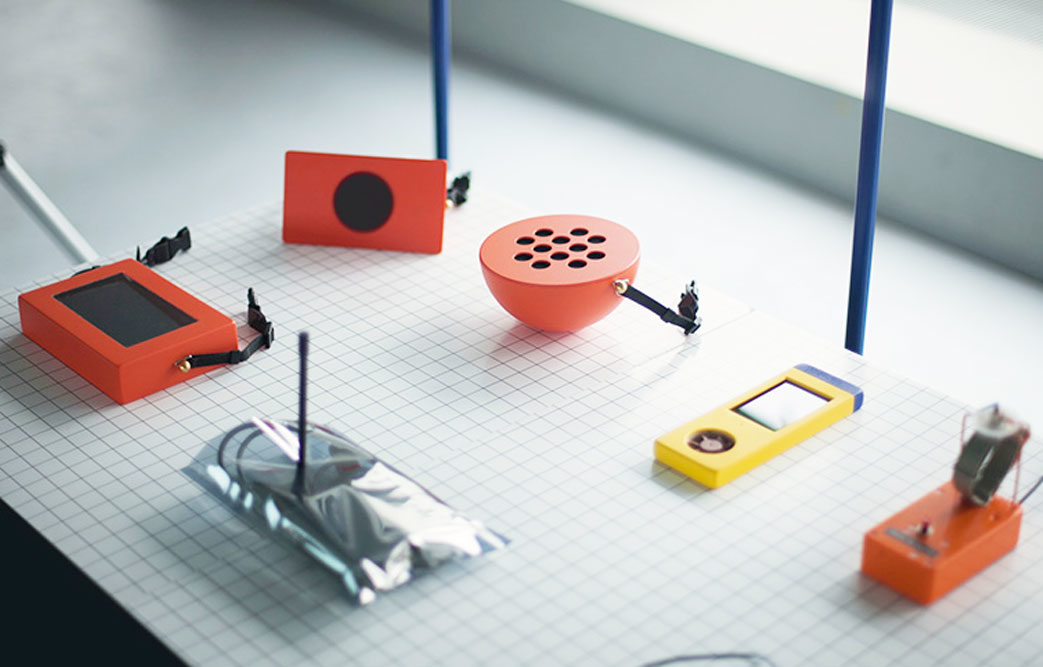
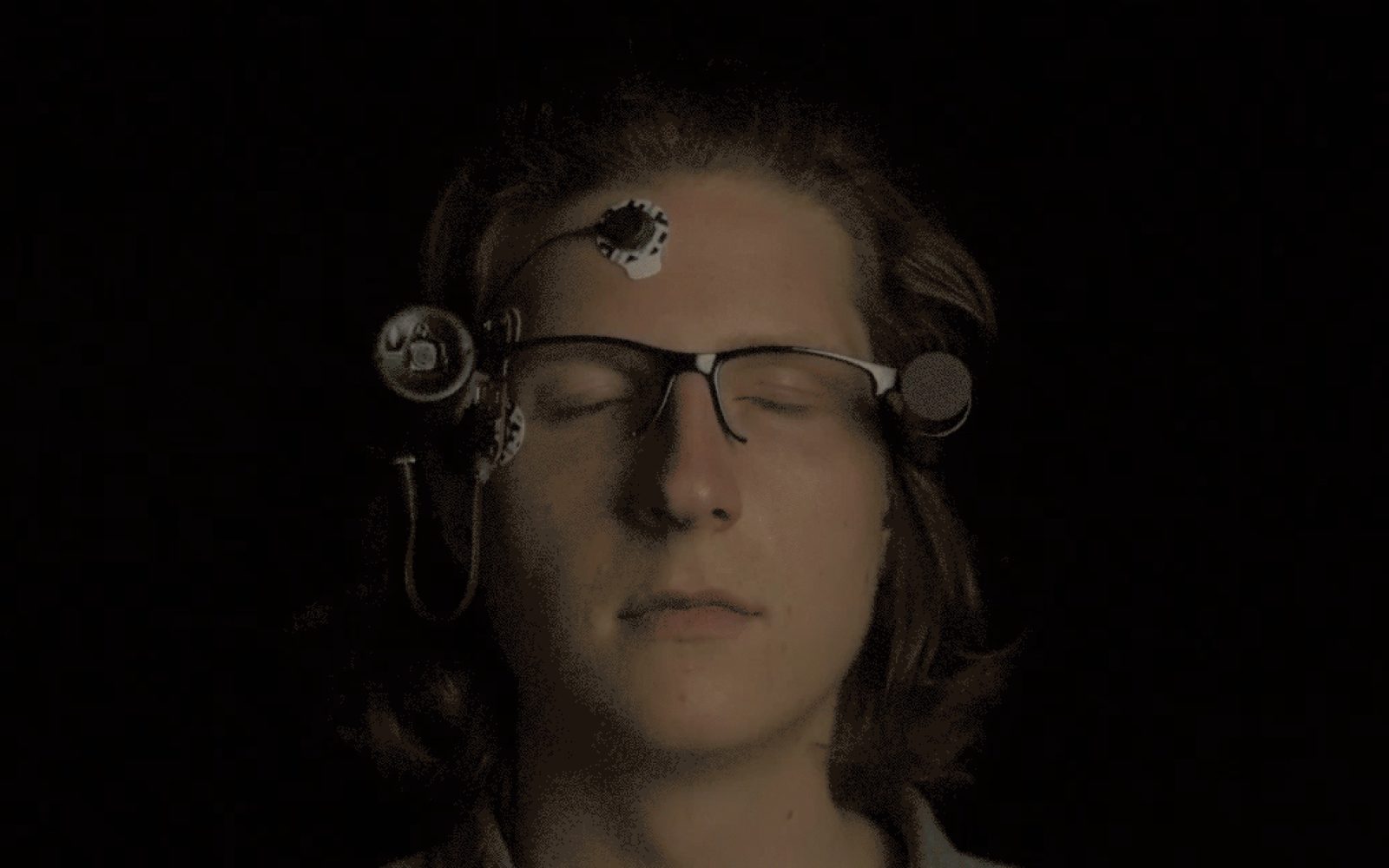
In the initial prototype, I logged all the assets owned by Howard Hughes and all the people whom he interacted with and gave a likability score (-1.0 to +1.0) to each entity. In case of people, there were two scores. 1. how much he likes them 2. how much do they like him. This was done manually after going through couple of books, movies and articles about him. But with the help of sensor data from spimes, algorithms can infer this in future. Then based on these scores, the person with the maximum emotional attachment with an asset can be nominated if the govt prioritises in Emotional Attachment as a criteria to distribute assets.
The demonstration of the system was constructed using Processing while the visualisation was generated using Vivagraph.js. While the algorithm doesn’t actually exist yet, the project raises a number of questions regarding the implications of future ‘internet of things’ scenarios.
More project docs: Currently Possible Sensor data / Emotion graph of Necklace / Financial Value of Necklace / Generated Asset Distribution Document /