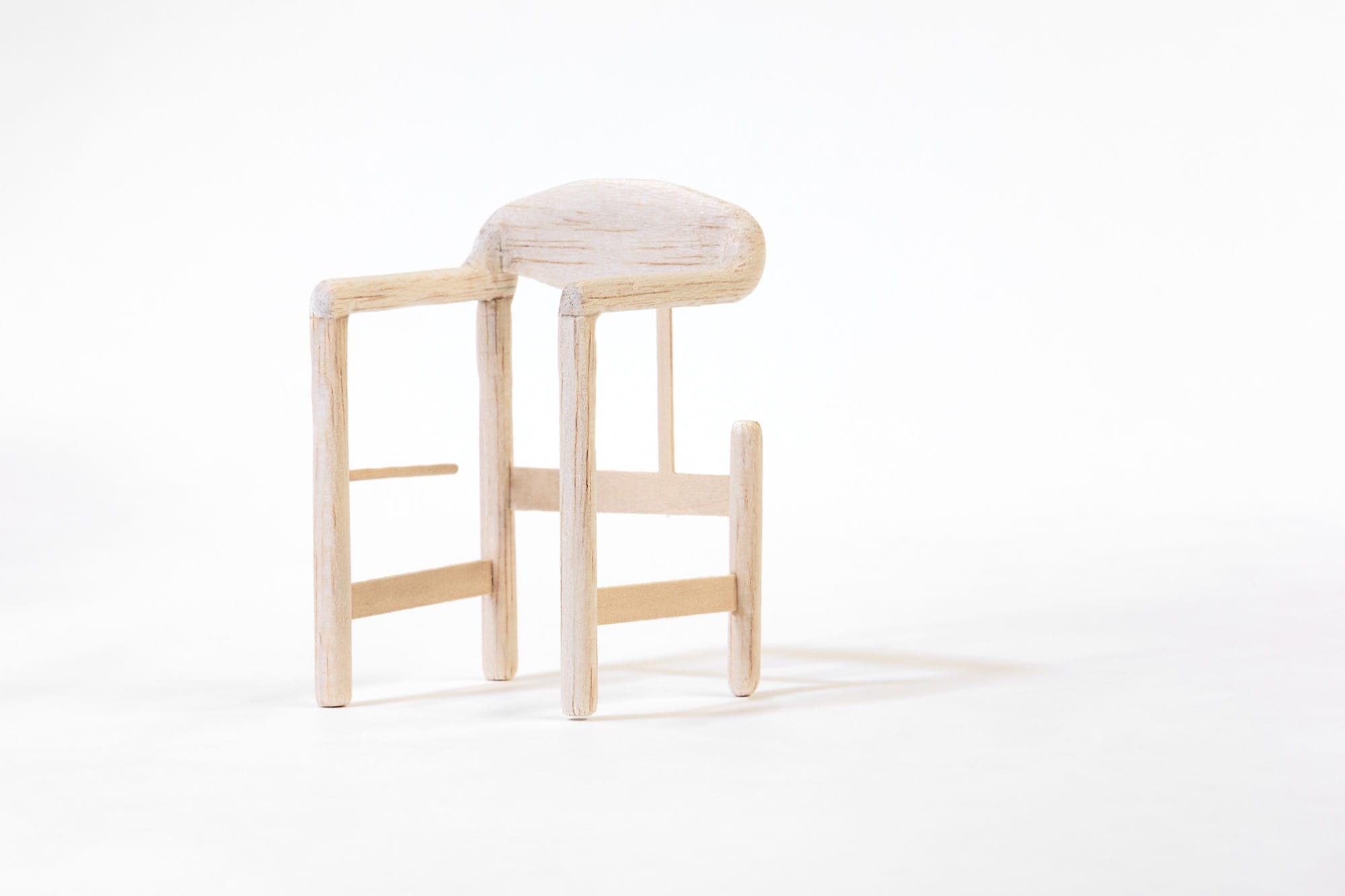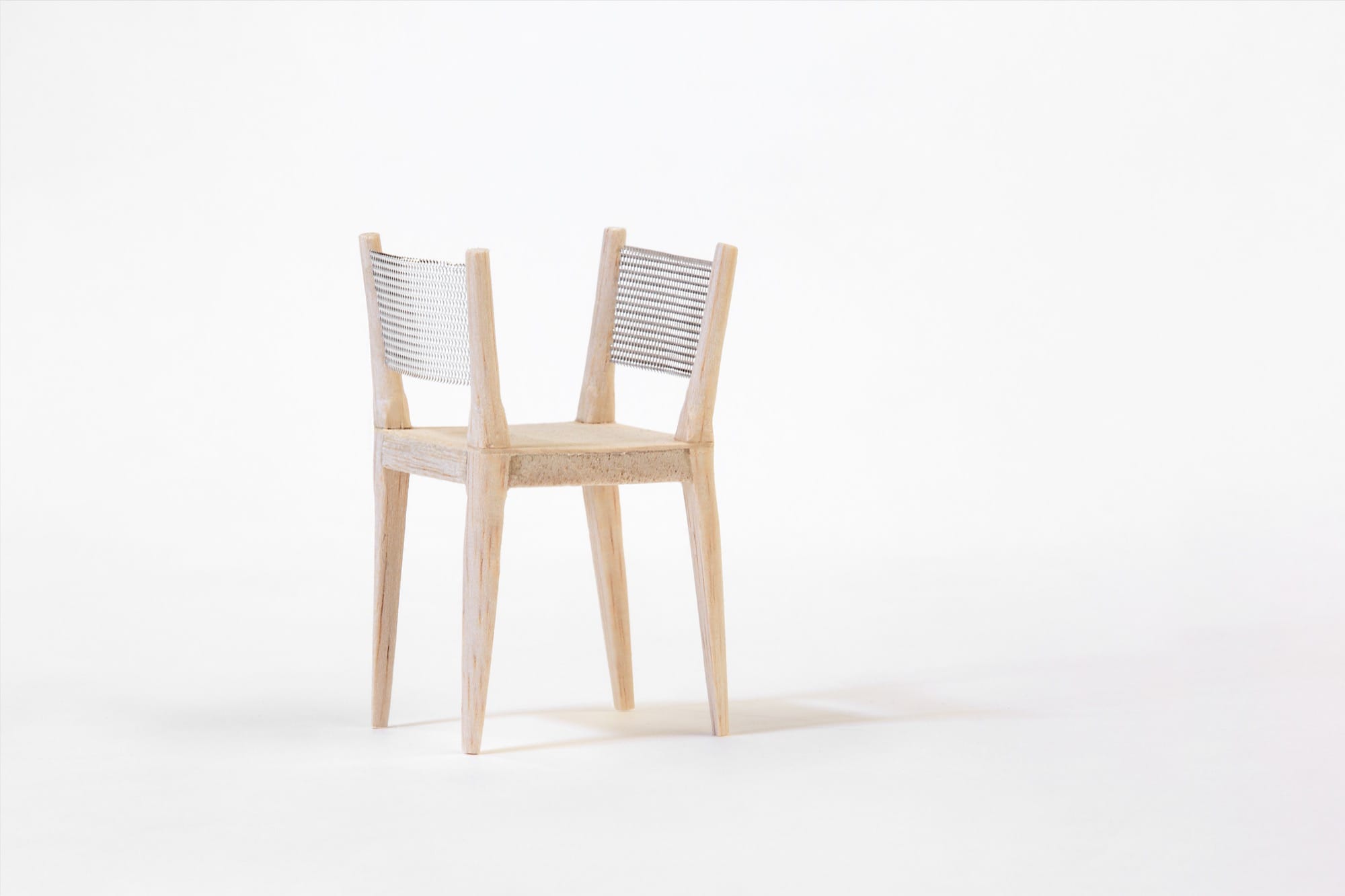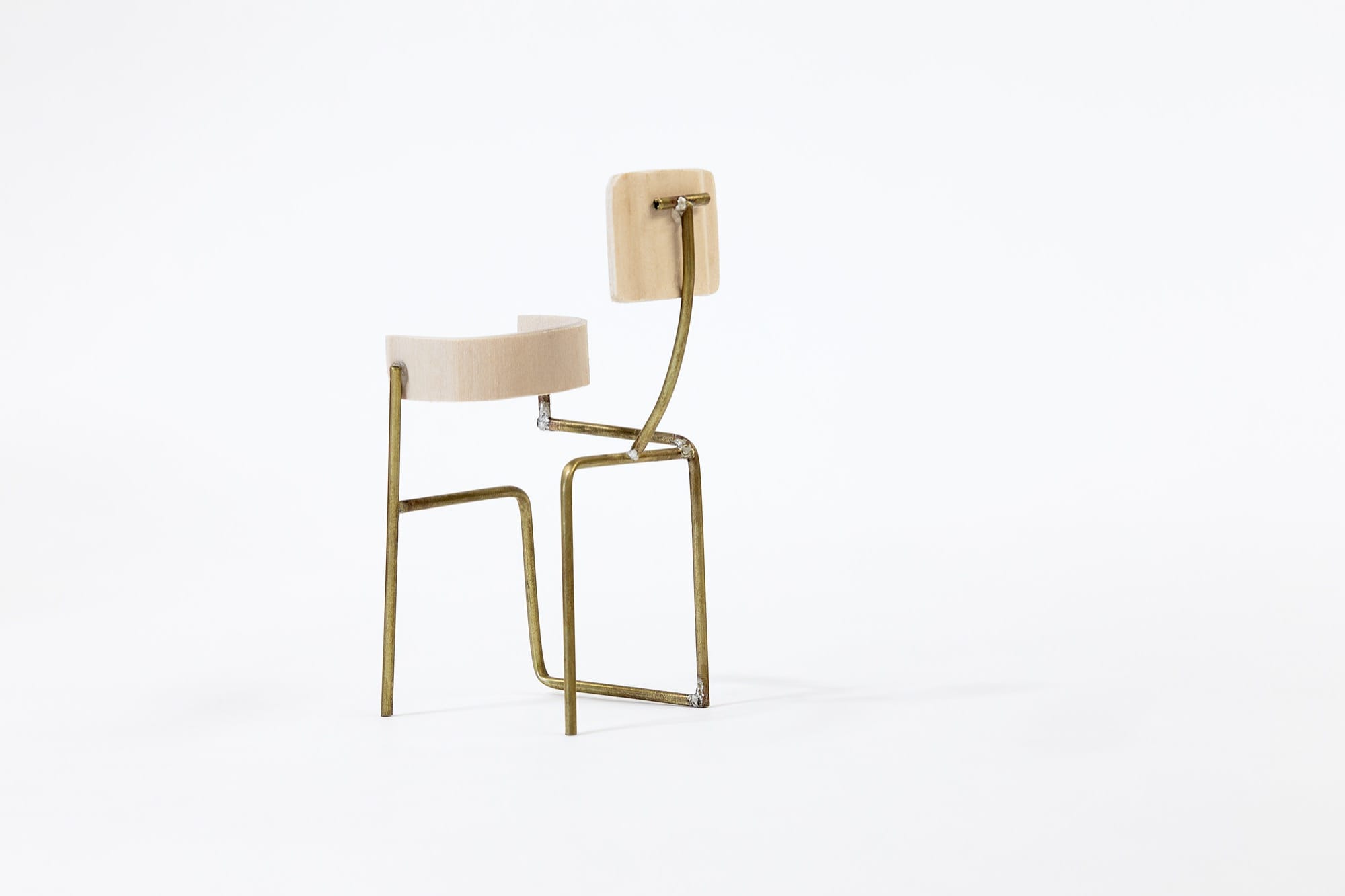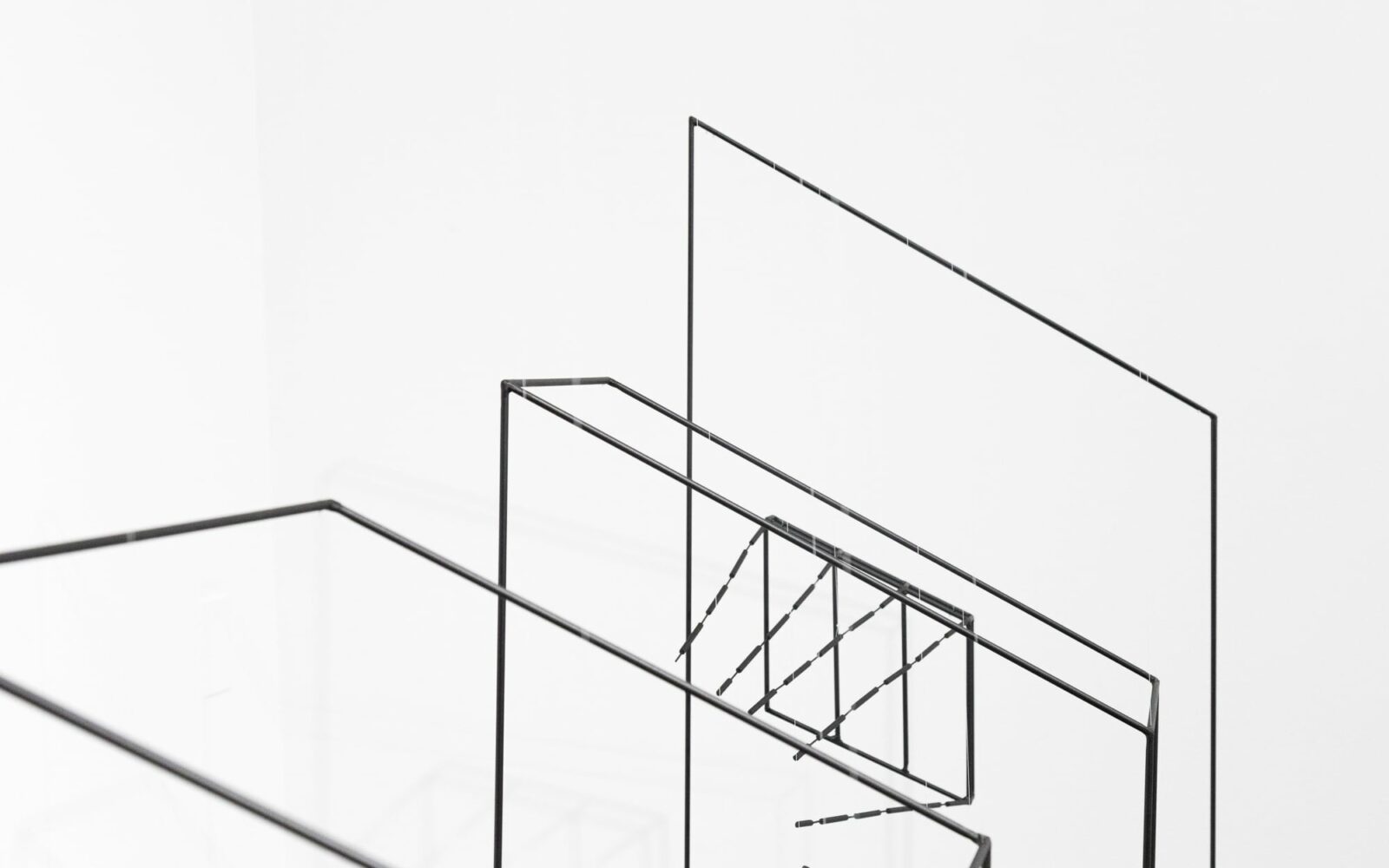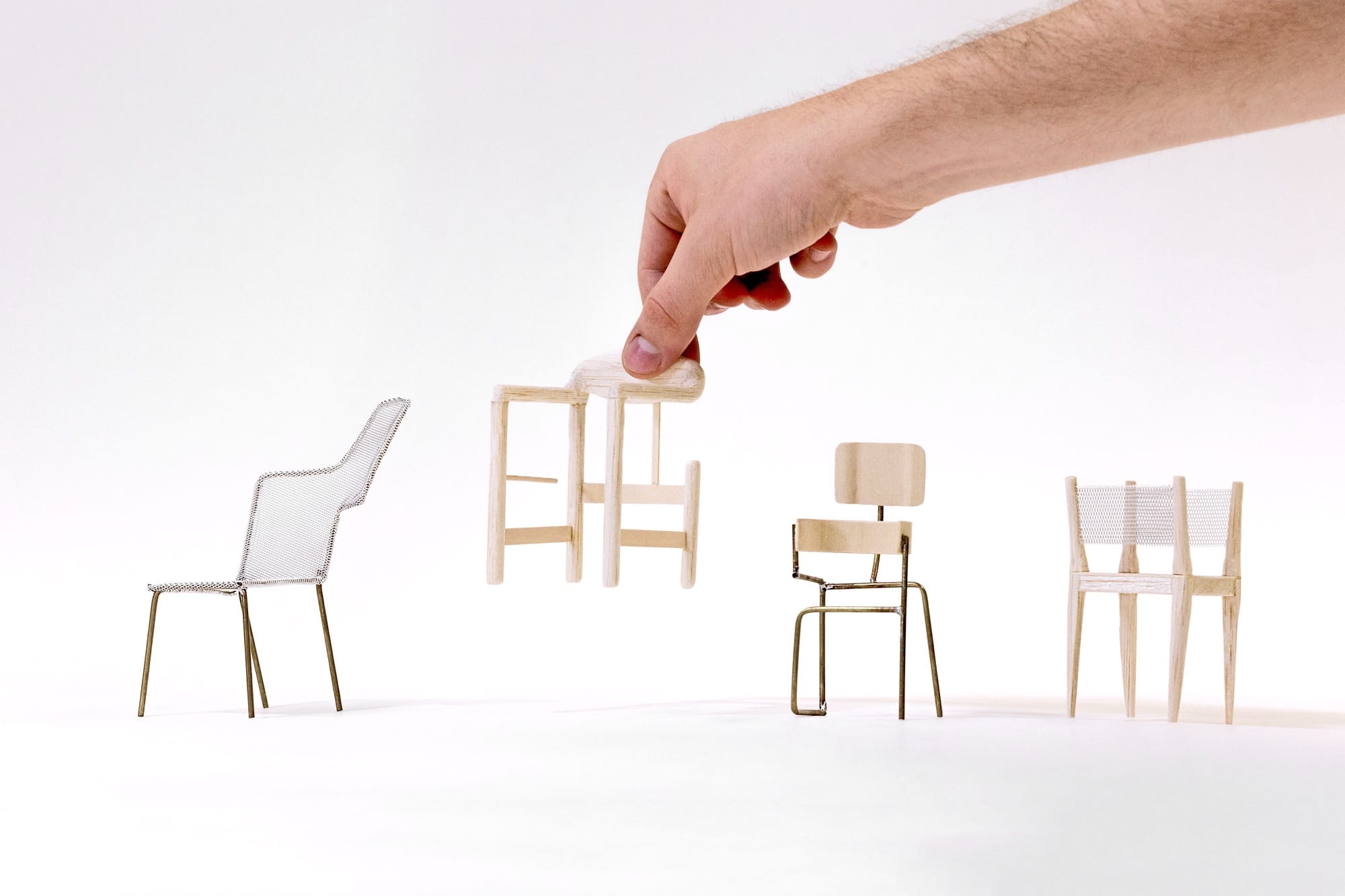
The chAIr Project is a series of four chairs created using a generative neural network (GAN) trained on a dataset of iconic 20th-century chairs with the goal to “generate a classic”. The results are semi-abstract visual prompts for a human designer who used them as a starting point for actual chair design concepts.
The project is a collaboration between Philipp Schmitt, Steffen Weiss, and two neural networks exploring the reversal of human and machine roles in the design process and industrial production. It explores co-creativity between humans and AI, taking the chair — the archetype of a designed object — as an example.
The training data set contained 562 20th-century chair designs scraped from Pinterest. The AI used a visual system and only considered aesthetics. This stands in contrast to other procedural design approaches like Autodesk’s Project Dreamcatcher that optimizes designs for functional requirements, e.g. maximum stability at lowest weight. The goal was not to generate a functional chair, but to generate an engaging ‘visual prompt’ for a human designer. The project is a case study for Philipp’s Augmented Imagination research project which explores the use of machine learning as an art and design tool for mind bending — like Surrealist frottage; one that caters to the subconscious, the associative, the imaginary rather than the rational.
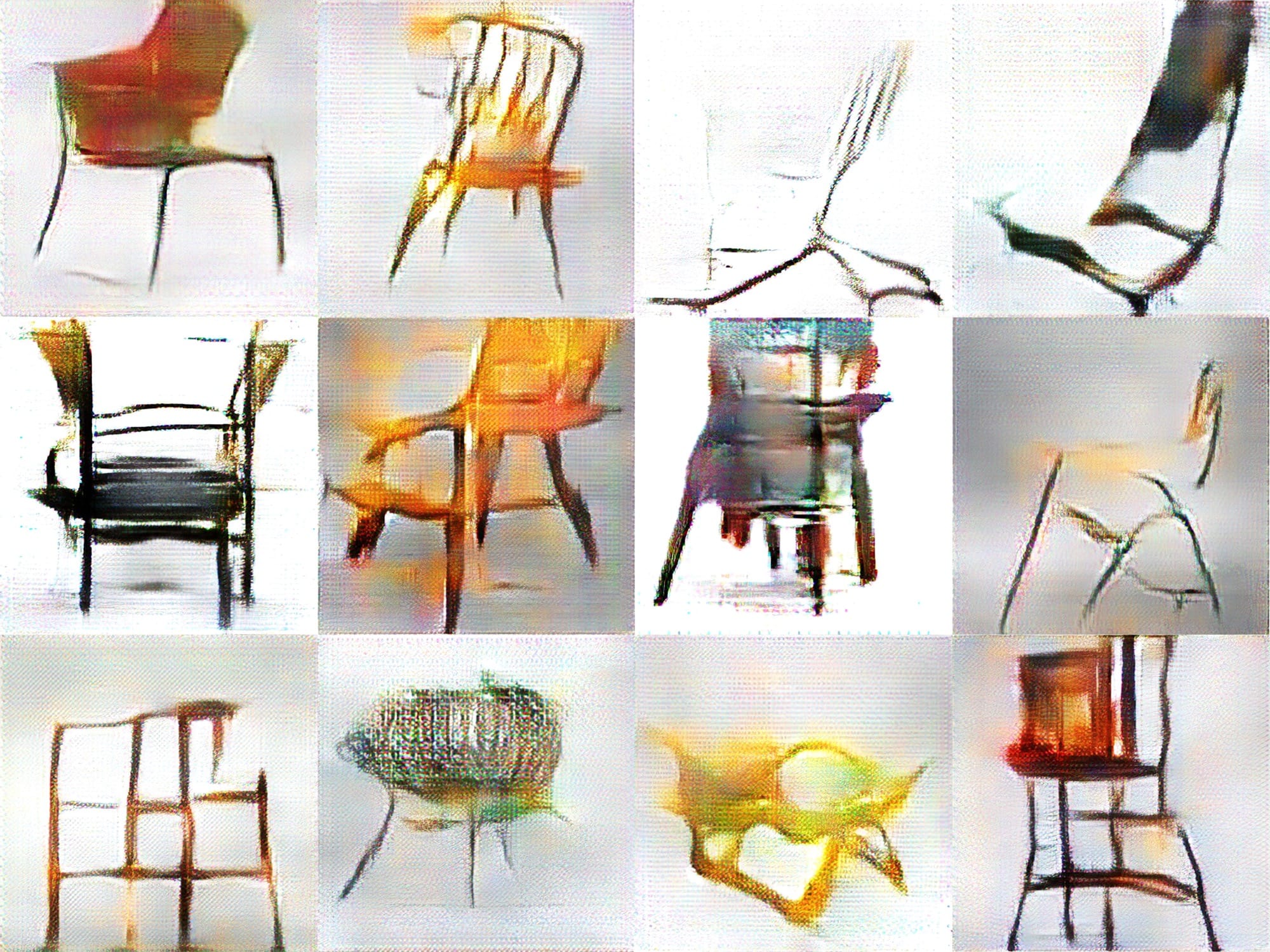
The neural network generated hundreds of chairs: Some are barely recognizable as furniture and many others aren’t exactly functional, lacking a seat or missing a leg. There are concrete ones that remind of specific iconic designs and others that seemingly fit into a style, an era or a manufacturing process. The duo then turned a selection of generated chairs into sketches and, ultimately, concepts for real chairs. First, they sketched manual scribbles, then transferred a selection into CAD to render 3D models that are easier to perceive for neutral viewers. The idea was to neither simply trace the generated images, nor to transform it into traditional pieces of furniture. Rather, they brought out the chairs they saw in the blurry images to help viewers see what they imagined.

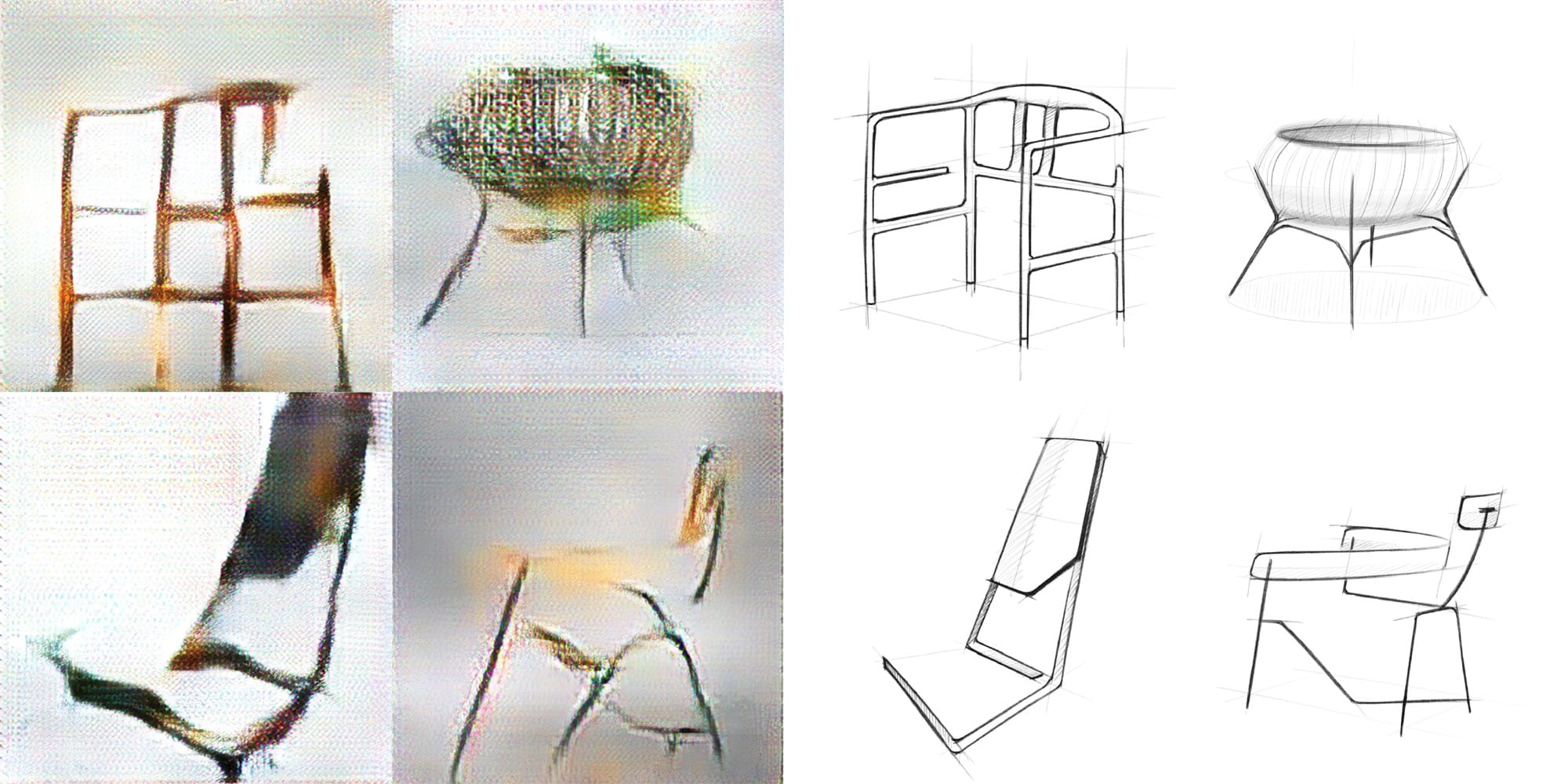
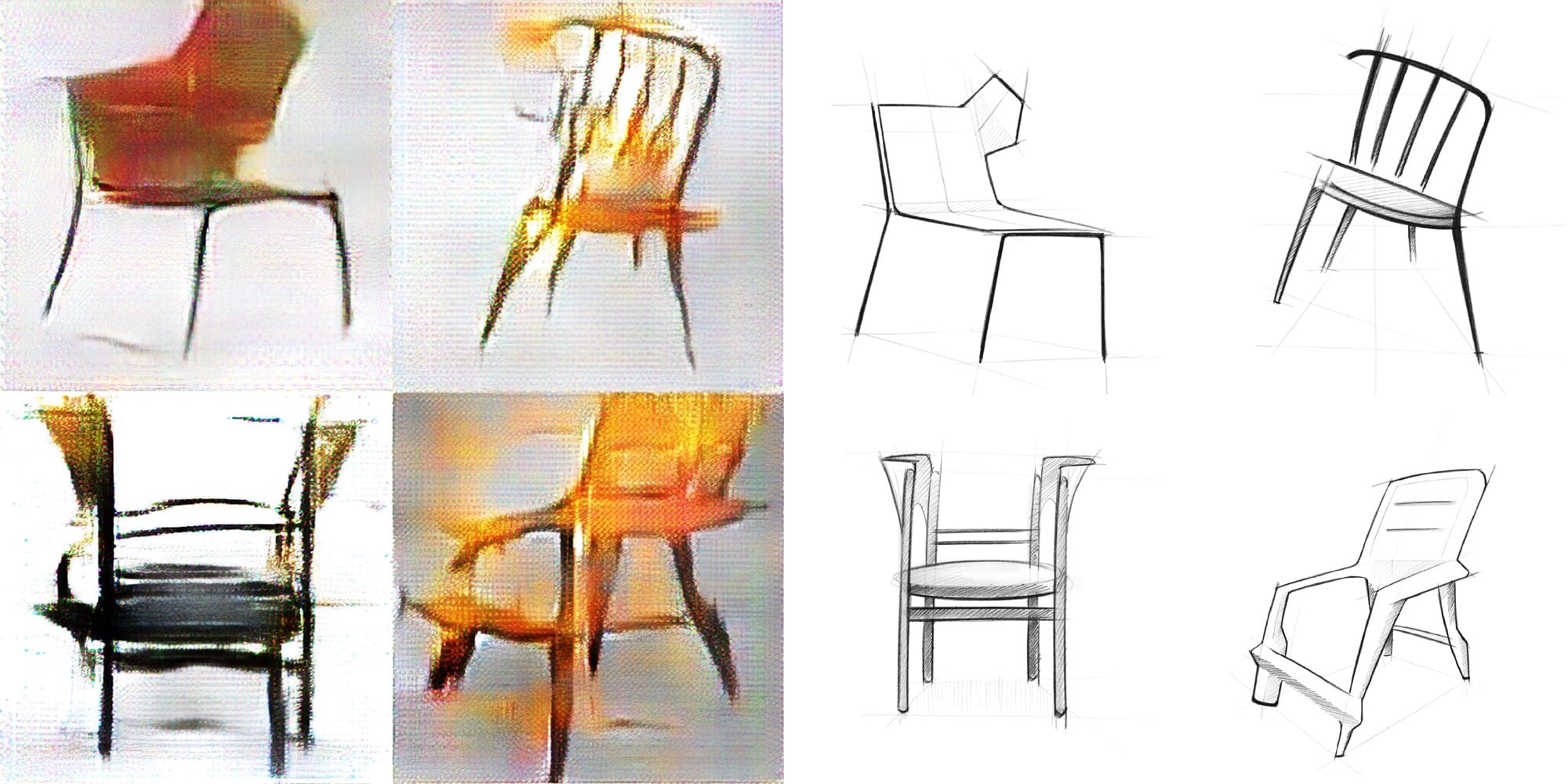
Finally, based on the sketches, they crafted miniature prototypes of four designs. As the real world introduces another layer of constraints (e.g. material properties and laws of physics) the transformation from generated 2D images to a 3D model also raised many questions about how previously occluded parts were supposed to look like. The result is four chairs, scale 1:8 in balsa wood, brass tube and aluminium mesh.
The project uses Machine Learning: Generative Adversarial Neural Network (DCGAN, arXiv:1511.06434 [cs.LG]).
Project Page | Philipp Schmitt | Steffen Weiss