Synthetic Memories is an initiative that recreates and preserves personal memories at risk of being lost. By converting spoken and written descriptions into visual images, it helps individuals—especially those experiencing memory loss due to ageing, displacement, or neurological diseases—reconnect with their past and maintain the continuity of their identity despite the adversities.
Synthetic Memories have proven especially relevant to supporting reminiscence therapy for individuals with early-stage dementia and other neurodegenerative diseases, fostering intergenerational dialogue between older and younger generations, bridging cultural differences and promoting mutual respect among migrant communities, aiding in mental health recovery and trauma processing, and preserving and celebrating cultural and architectural heritage. It can be used in museums, schools, community and cultural centres, hospitals, care homes, and public spaces around the globe to help individuals and communities engage in meaningful dialogue about the past, unlocking the potential to enrich both the present and the future.
Synthetic Memories is an inherently interdisciplinary initiative, integrating fields such as cognitive psychology, digital humanities, AI, arts, culture and design. It combines technological innovation with a deep understanding of human memory and identity.
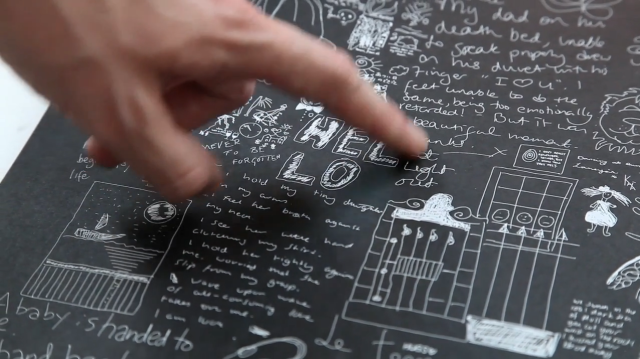
The methodology proposes using in-depth interviews to collect memory descriptions, which are turned into visual prompts for Generative Artificial Intelligence (GEN-AI) to digitally reconstruct and preserve personal memories. Participants review and refine these images to ensure they accurately reflect their memories. As a result, the person receives a printed and digital version of the generated image, which becomes what we call a ‘Memory Vector’, a visual tangible representation of their memories that strengthens the emotional connection individuals have with their past and present.


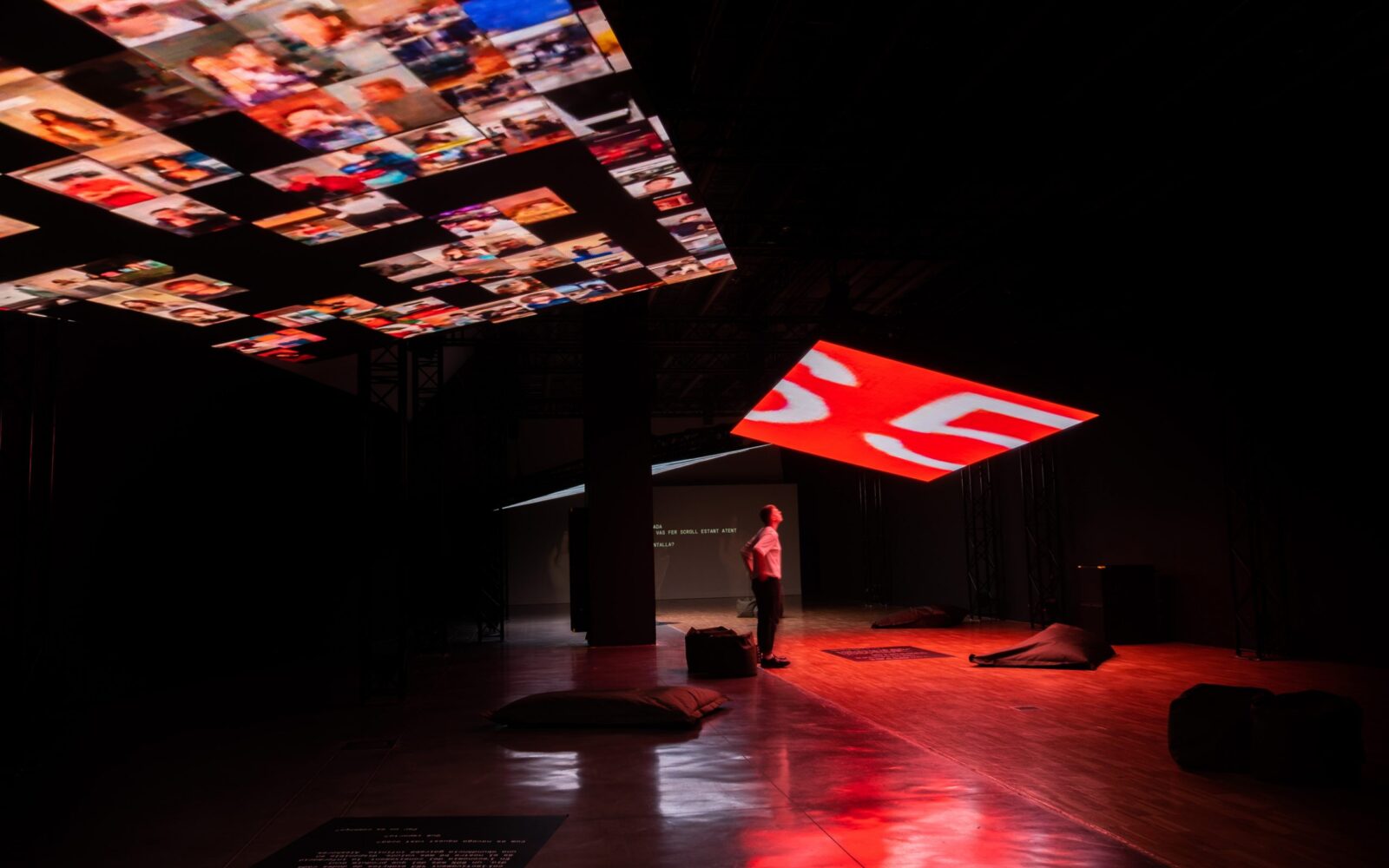
To reconstruct the memories visually you need the help of a specialised team—who can be trained for it. The sessions, lasting 45 minutes to an hour, produce written and visual testimonies that can be included in a collective exhibition with participant consent. The exhibition is designed to enhance public engagement and provide a comprehensive overview of the synthetic memories created. Visual memories, audio recordings, and videos generated from the interviews are available, allowing visitors to engage with the personal narratives shared during the intervention. This offers a dynamic and immersive experience, complemented by informative posters that explain the Synthetic Memories initiative, detailing its objectives, methodology, and impact.

The Synthetic Memories initiative leverages Generative AI to translate memory descriptions into visual images. Initially, the project utilized models like DALL·E and Google AI’s ImageFX. However, to better capture the specific geographical, cultural, and personal nuances inherent in individual memories, we have transitioned to developing fine-tuned models based on Stable Diffusion. These models are trained using carefully curated datasets that include location-specific imagery, cultural elements, and relevant characteristics, enhancing the authenticity and emotional resonance of the generated visuals. This tailored approach ensures the AI serves not just as an image generator, but as a sensitive tool aiding individuals in reconnecting with their past through deeply personalized synthetic memories.
Memories that Manifest Like Dreams
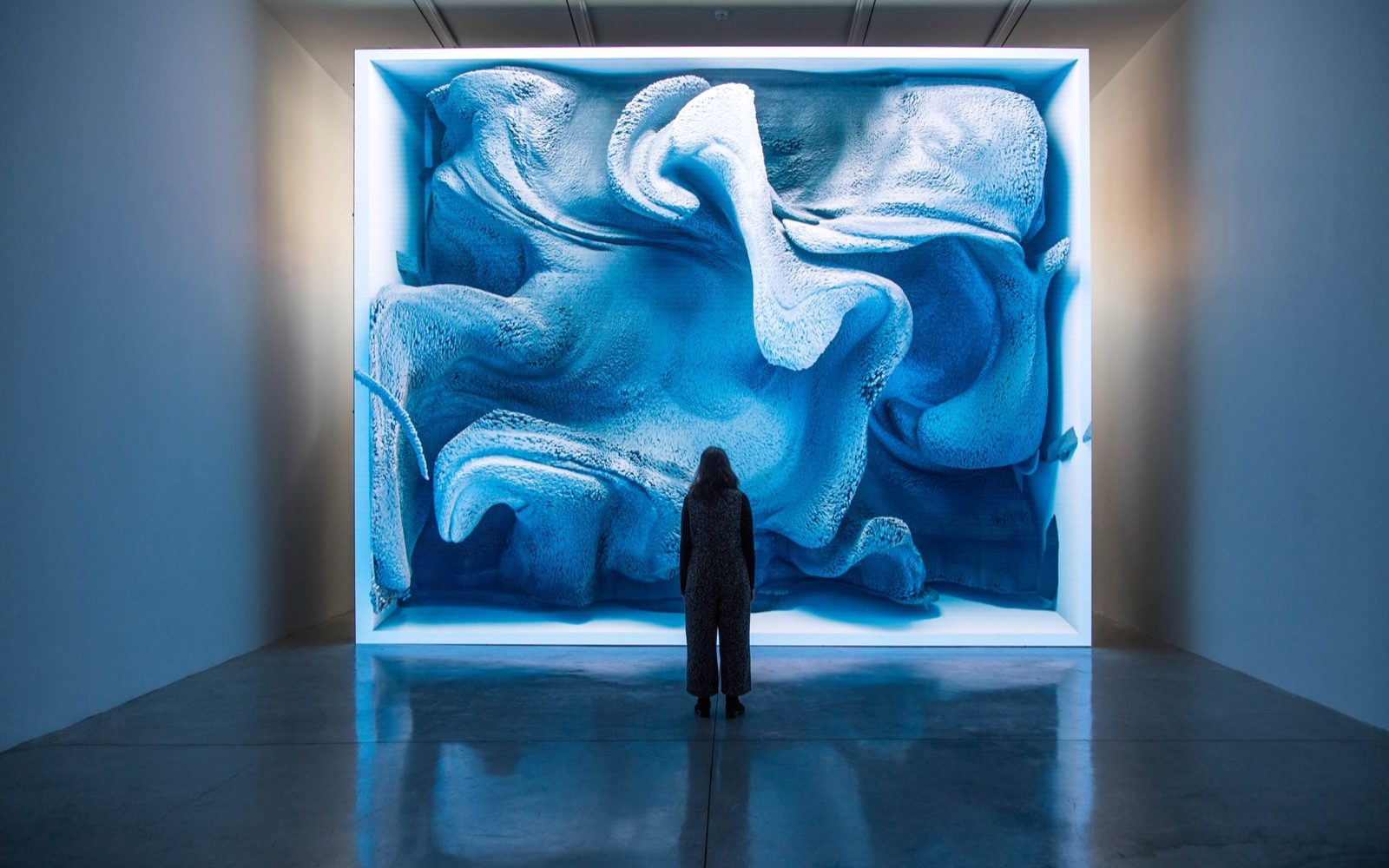
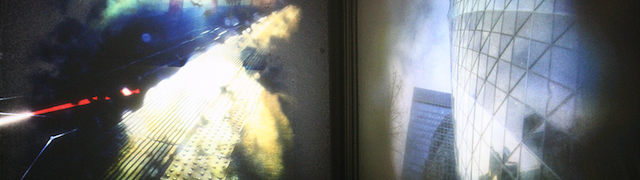
The intentionally blurred, dream-like aesthetic of Synthetic Memories is a deliberate artistic and conceptual choice. Drawing inspiration from vintage photography and watercolour techniques, this style mirrors the fluid, interpretive, and often incomplete nature of human memory itself. Rather than striving for photorealistic accuracy, the images prioritize capturing the essence of a memory over exact detail. This distinction is crucial for maintaining clarity between these AI-generated reconstructions and historically precise records.


This artistic direction is grounded in several key insights:
- Memory’s Dream-like Quality: Human recall functions less like a perfect recording and more like a dream – a dynamic blend of colours, shapes, and sensations where details shift or fade. Objects might change colour in retelling, and specifics can merge or become hazy. The inherent imprecision of the Synthetic Memories aesthetic thus becomes an apt representation of how memory actually operates.
- Neuroscientific Evidence: Research on “Concept Cells” (or “Jennifer Aniston neurons”) supports this view. Neuroscientist Rodrigo Quian Quiroga1 found these neurons fire in response to the abstract concept of a person or object (e.g., seeing different photos of Jennifer Aniston, or hearing/reading her name), not just a specific visual input. They activate based on association and meaning, not perfect replication, demonstrating that memory is a reconstructive process. This aligns with the function of Synthetic Memories’ “Memory Vectors” – they act as resonant triggers for recollection, not literal snapshots.
- Evoking Experience Over Literal Depiction: The primary goal is to evoke the feeling and core elements of a past experience, not to replicate it precisely. Since memories naturally evolve over time through perception and retelling, hyper-realistic images could paradoxically distort recollection by introducing false precision. By avoiding photorealism, these reconstructions remain distinct from photographs, functioning as catalysts for memory rather than replacements.
By framing these images as Synthetic Memories, we highlight their fabricated yet meaningful nature. This approach enhances individuals to shift their focus away from inaccuracies and toward the emotional and conceptual truth of a memory, making the resulting images more deeply engaging, shareable, and enduring.
Project Page | Domestic Data Streamers
Synthetic Memories is an initiative started by Domestic Data Streamers. Domestic Data Streamers is a research and design studio comprising journalists, researchers, coders, data scientists, and designers focused on exploring how information can be explained in web experiences, theatre, robotics, art installations and digital tools. Their research and work translate into films, installations, digital experiences, performances, or exhibitions in various contexts, such as schools, prisons, cinemas, museums, the streets of many cities, and even the United Nations Headquarters.