

Conspiratorial Design – Information design for the bigger picture
This book argues that design and conspiracy theories, often seen as opposites, actually mirror each other. They share similar goals and use comparable methods of representation.


Marsokhod-0 (Марсоход-0) – Horrors of the unknown
Created by Lars Hurrelbrink at Digital Media Bremen (Fictions Speculations & Imaginaries), Marsokhod-0 (Марсоход-0) is a interactive time-delayed experience that incorporates elements of Lovecraftian horror (wiki) into the scientific background an...

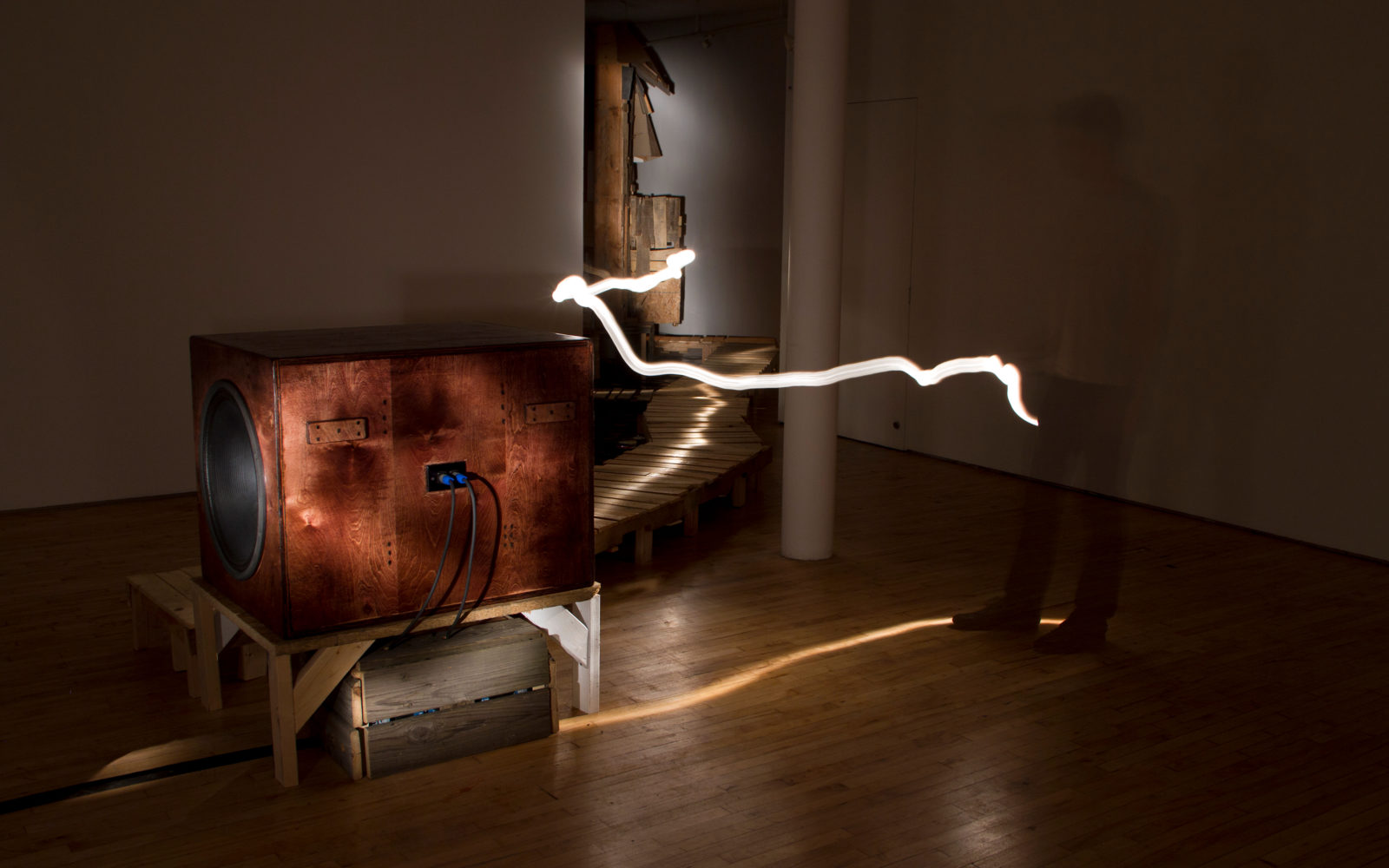
Dread Bass – AUDINT’s alternate timelines reverberate with fear and death
AUDINT is a European artist collective working across animation, installation, and publishing. Drawing on excerpts from an extended conversation with the group, we unpack their vision of the dystopian future-present and the nether zones that can b...

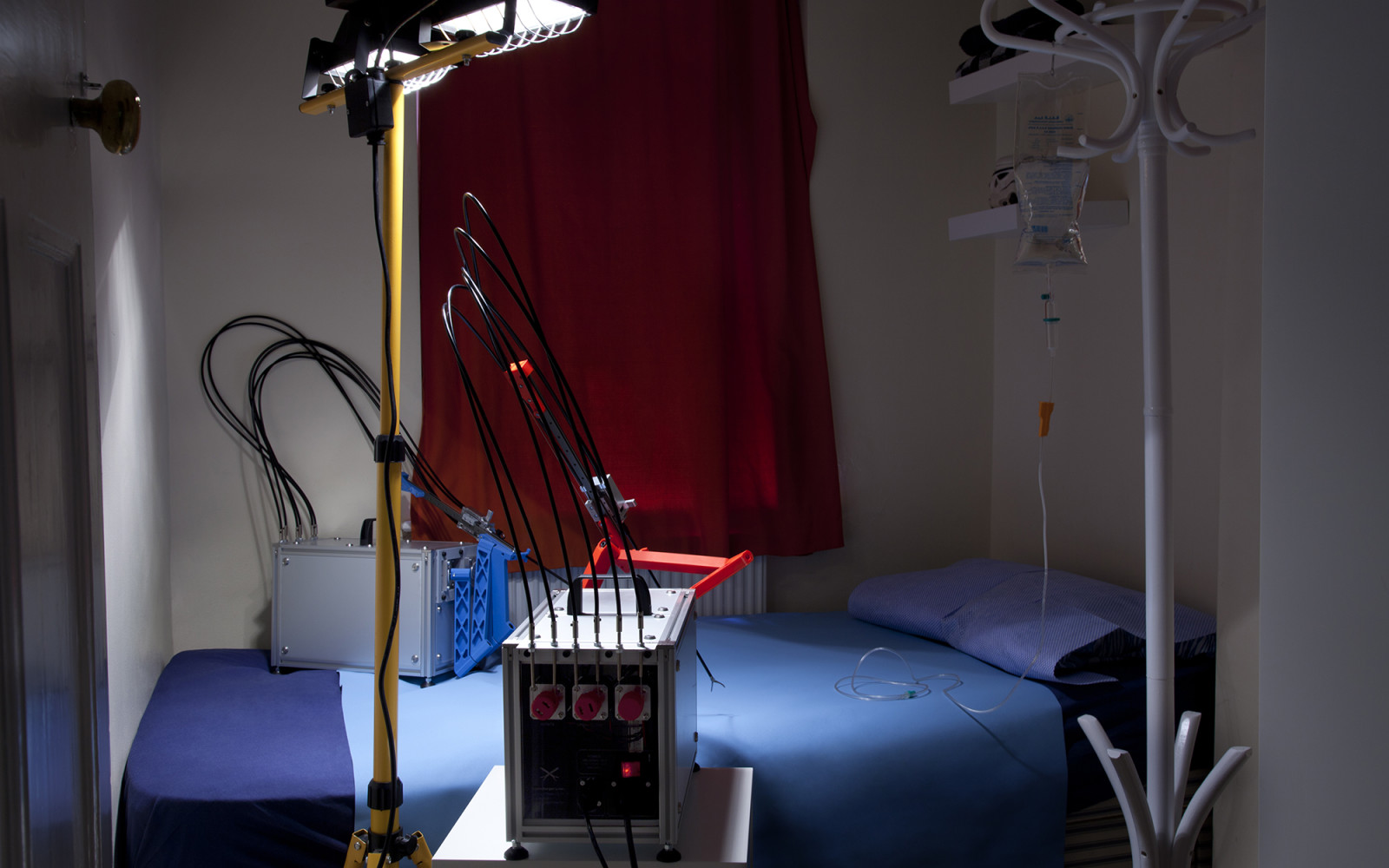
OpenSurgery: DIY surgical robots as a critical alternative to costly healthcare
The OpenSurgery project investigates whether building DIY surgical robots, outside the scope of medical regulations, could plausibly provide an accessible alternative to costly professional healthcare services worldwide.

Drone Aviaries & Field Guides – A Conversation with Superflux
Superflux are a design and foresight consultancy based in London. Founded by Anab Jain and Jon Arden in 2009, the studio produces prototypes and films that are simultaneously prescient, and playful—and now they can add ‘magazine publisher’ to that...


Compasses for Wayfinding – Dunne & Raby’s “Speculative Everything”
Greg J. Smith reviews Anthony Dunne & Fiona Raby’s recent ‘critical design’ treatise “Speculative Everything”.
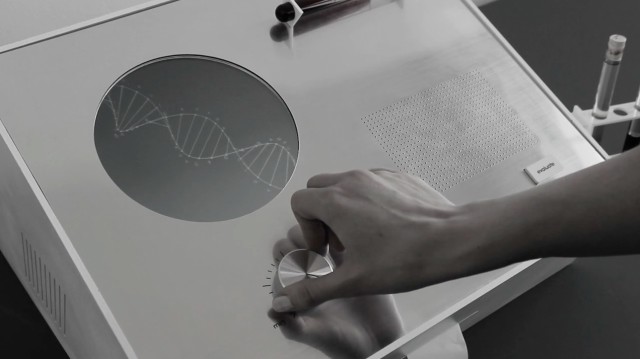
Therefore I Am – Fictional instrument to explore prenatal diagnostics
"Therefore I Am" is a project exploring prenatal diagnostics - the measurement of a human before birth and consequences and ethics as scientists encode our DNA further and further.

Speculative Everything – Anthony Dunne at Resonate 2013 and UmK
Continuing our documentation of Resonate 2013, it's a pleasure to present the talk of Anthony Dunne, professor and head of the Design Interactions programme at the Royal College of Art in London