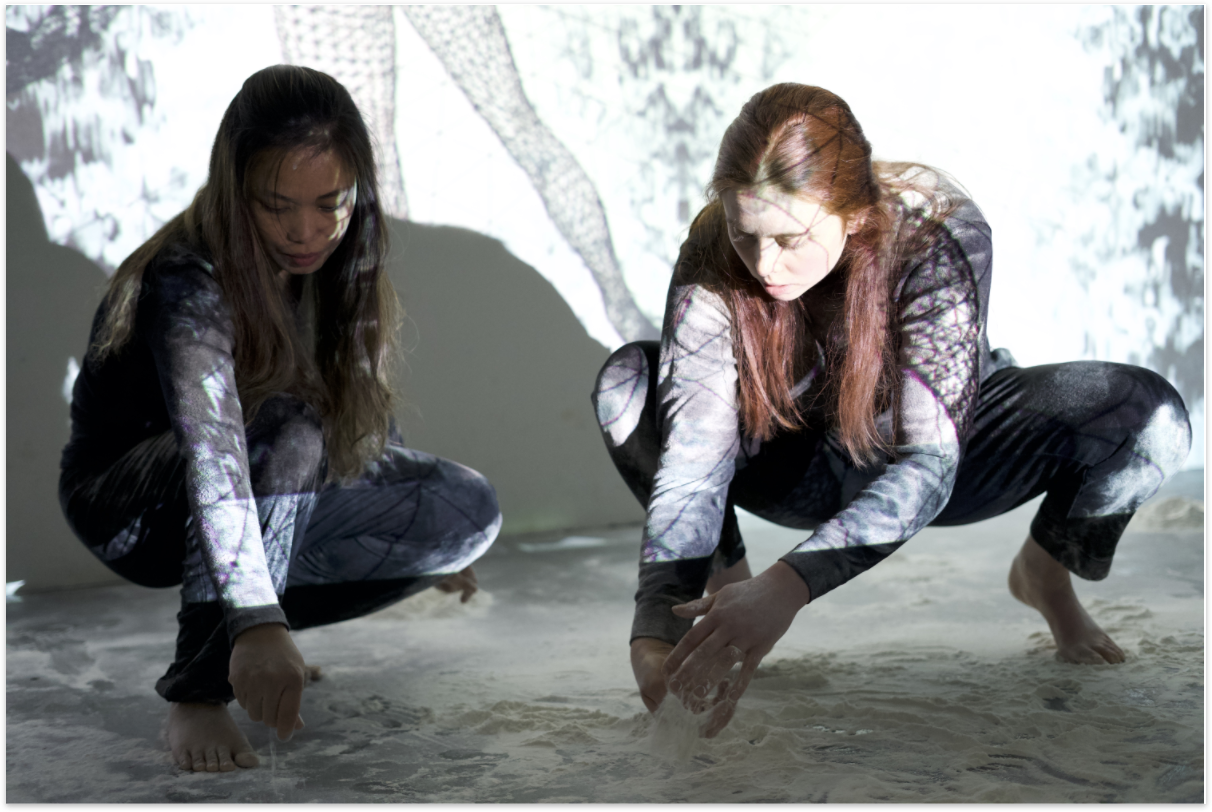
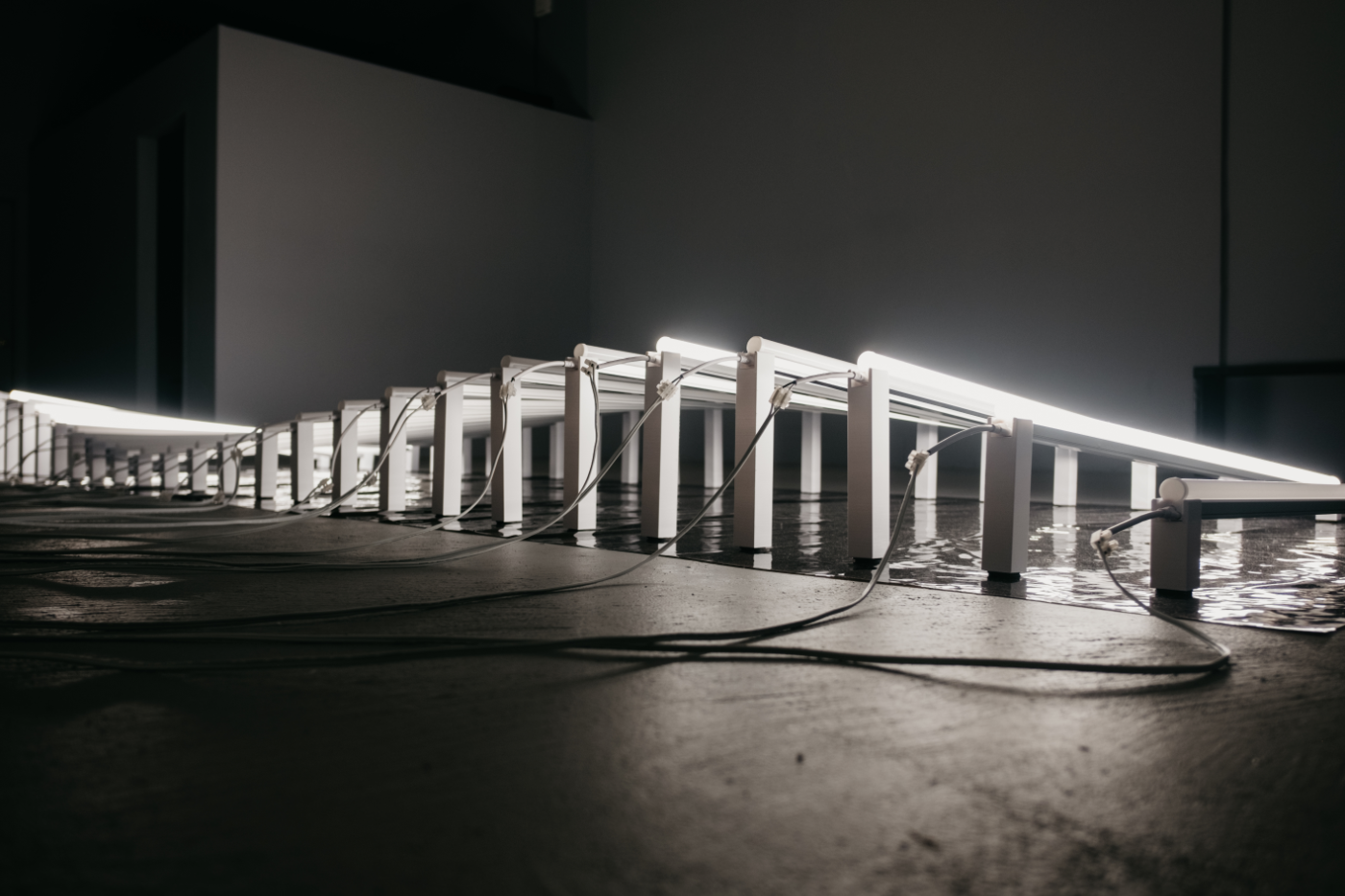
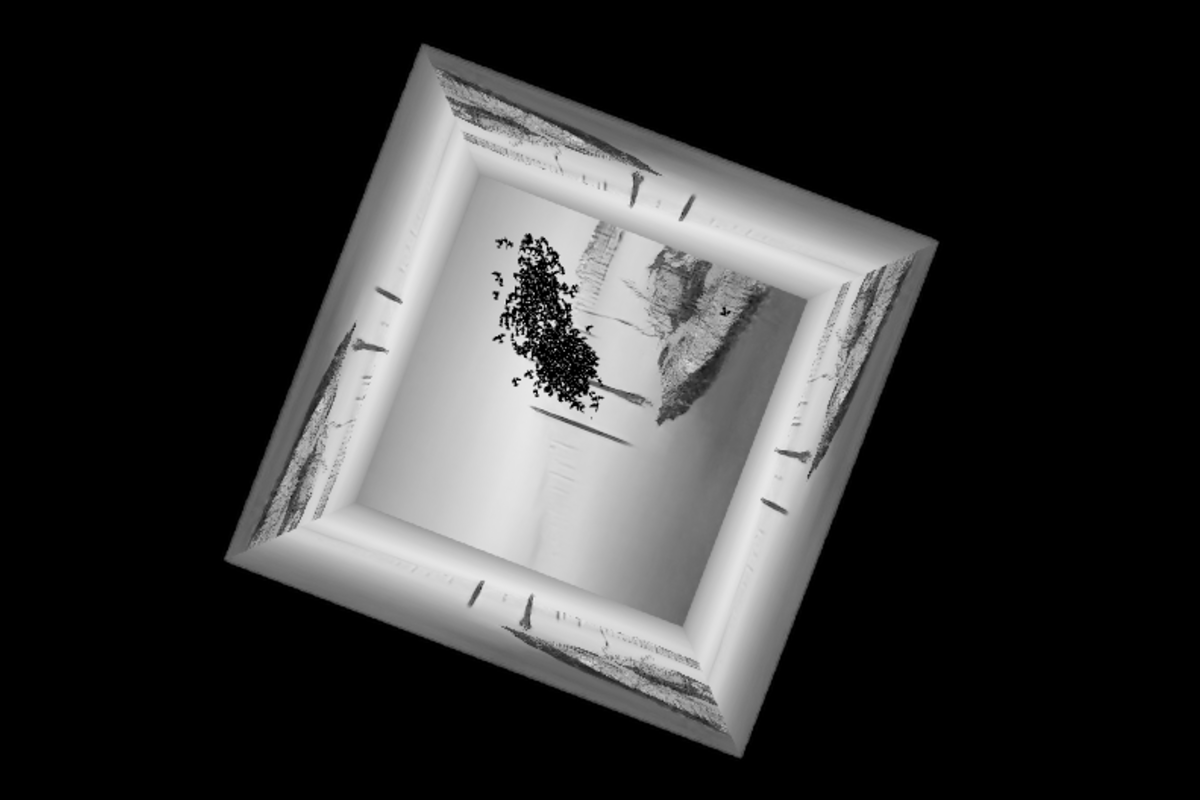
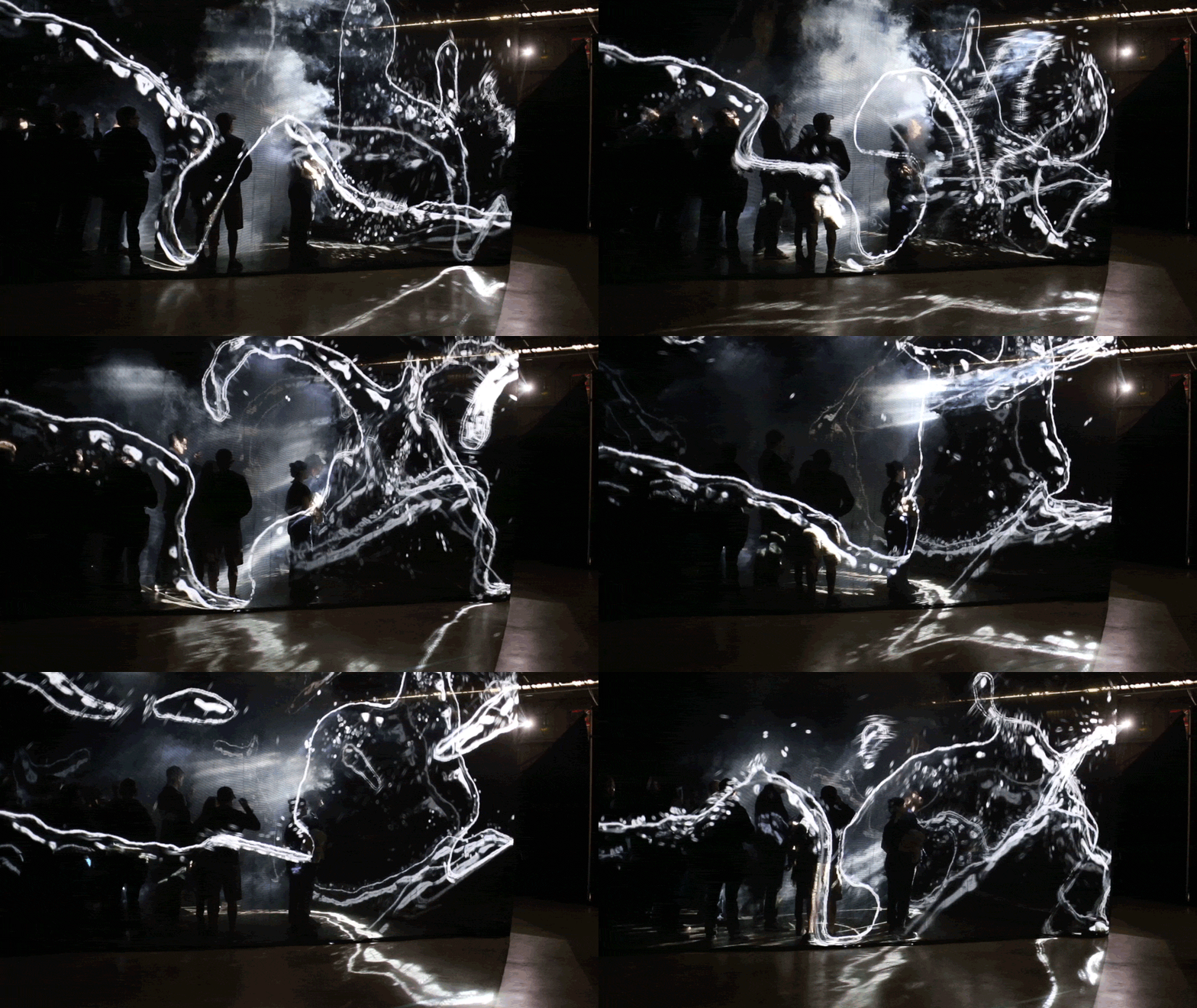
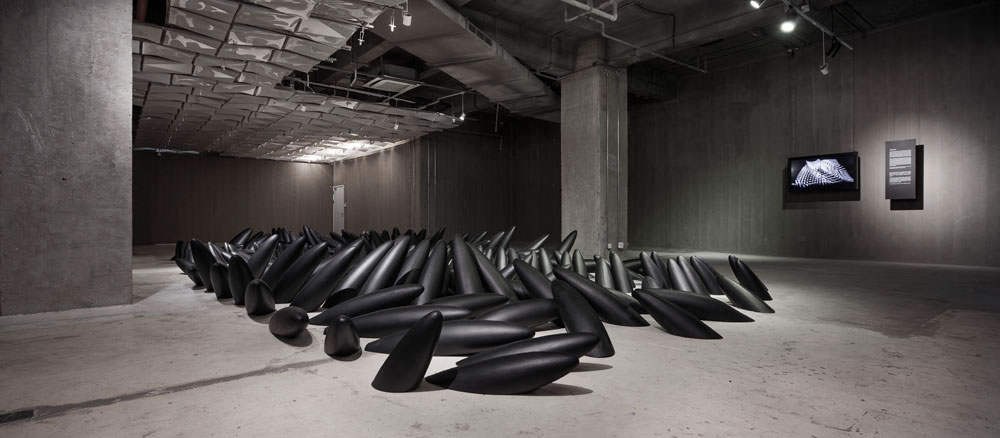
Amay Kataria’s Momimsafe, Shadows of Time, Timegrapher, and Tend Towards Infinity in “Are Shadow Bodies Electric,” installation view, 2024/Photo: Jonathan Michael Castillo
Time has a tendency to move forward while forging archives of memory, which when channeled through exhibition spaces, transport us into new dimensions of understanding. These archives shape our historical perspective through the unique lens of writers and curators. In 2024, I was invited to participate in an ambitious exhibition exploring South Asian art’s profound impact on Chicago’s cultural landscape. “What Is Seen and Unseen: Mapping South Asian American Art in Chicago” at the South Asia Institute in Chicago, curated by New York-based artist and curator Shelly Bahl, alongside archivist Anita Sharma, illuminated South Asian culture’s integration into Midwestern American history.
The dual exhibitions, “Shadows Dance Within the Archives” and “Are Shadow Bodies Electric” revealed the “unexpected afterlives of artworks” [4] through the resounding metaphor of Shadows, released by the light of knowledge and curiosity in this digital age. The exhibition presented 125 years of South Asian culture chronologically, seamlessly incorporating works by 8 contemporary artists. In this article, I examine my works from the show, Momimsafe (2020), Shadows of Time (2024), and Timegrapher (2024), and delve into themes of bodily absence, presence, cyber bodies, and the relationship between corporeality and textuality [3].


The contemporary wing of the exhibition, “Are Shadow Bodies Electric”, followed the tone set by “Shadows Dance Within The Archives”. Together, they created a homogeneous environment where text, images, videos, and sounds merged into a unified experience for the audience. Within this multi-sensory landscape, my piece Momimsafe stood as an installation of interconnected sub-works. This archival project embodies what archivist Randall C. Jimerson describes as “a place of knowledge, memory, nourishment, and power” [5]. Created after art school in 2020, Momimsafe resonates with museums due to its innovative blend of interactive technology and emotional connection to my family during the pandemic. The installation features preserved messages since 2020, displayed alongside an iPad looping a shadow body (my digital clone) moving in an apartment space, while holding a “Momimsafe” sign to express personal safety. This interface creates what Kevin Kelly calls a “new possibility space” for emotional connection across distances [1], exemplifying technology as a “living force” that extends human capabilities while transforming our understanding of presence and absence.
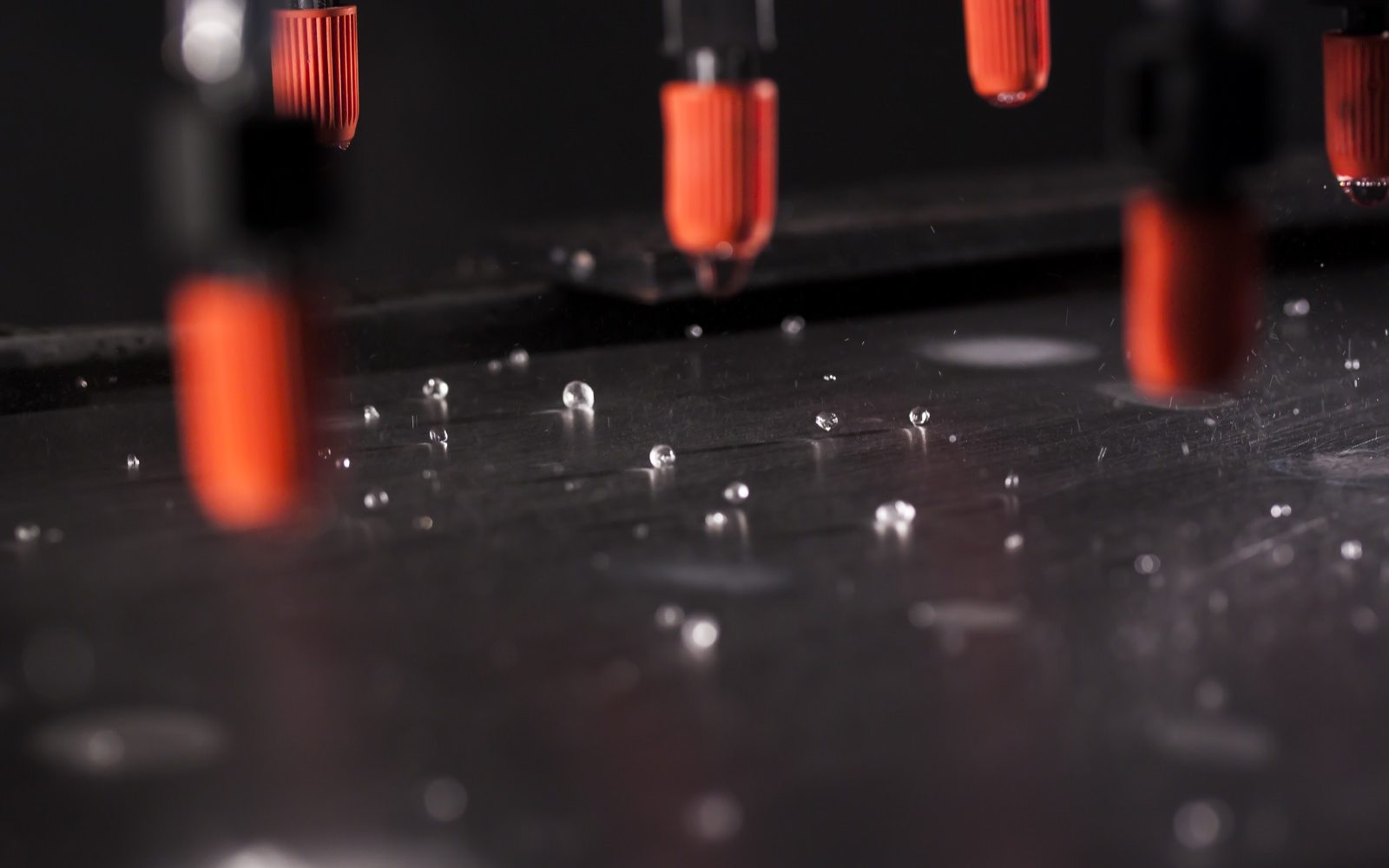
Momimsafe: raspberry pi, thermal printer, thermal paper, glass vials, cork board, thumbtacks, custom software
Developed using javascript, python, and raspberry pi


The interaction between the shadow body (within) and the archived messages (without) produced an “archive fever” [4], breaking through a time-induced amnesia since the Covid lockdown. Consequently, this work became a site of renewal and remembrance, questioning how digital technologies shape our understanding of presence, embodiment, and identity. Our physical existence intertwines with digital representations, creating hybrid experiences that span across space and time. How do we reconcile this hybridity and come to terms with this feeling of identity fragmentation?

My other works, Timegrapher (2024) and Shadows of Time (2024), further explore this fragmentation. Timegrapher is presented as an eight-part 3D printed sculpture in gold enamel, floating in space before Shadows of Time’s video backdrop. The sculpture’s two heads represent both temporal duality spanning past to the future and our split existence between physical and digital realms, connected by organic strands that symbolize digital threads maintaining our coherence between the two realms. In the video work, the physical form transforms into a cyber body, transcending physical limitations in a digital dreamscape [3]. This parallel universe manipulates time through external symbols (snow-capped mountains, flowing streams) and internal markers (the cave’s mystical hourglass). Here, the cyber body of Timegrapher challenges traditional embodiment, suggesting our existence extends beyond physical form into vast digital spaces. Perhaps, we are what Katherine Hayles describes as “posthuman subjects”—entities existing across biological and technological systems [6].

Timegrapher: PLA, enamel paint
Developed with Blender, Houdini, and 3D printing
Shadows of Time: Digital video
Developed using tools Blender and Unreal Engine
Reflecting on “What Is Seen and Unseen” and my works Momimsafe, Timegrapher, and Shadows of Timereveals technology’s dual role as archive and medium for reimagining presence and absence. Our shadow bodies (digital manifestations) exist in constant flux, preserved yet evolving through continuous reinterpretation. The exhibition creates a dreamlike space where multiple temporalities coexist, where South Asian cultural history in Chicago converges with contemporary digital expression. Therefore, technology offers not just archival tools, but portals for reconceptualizing our relationship with time, presence, and identity.


Amay Kataria (b. 1990) is a Chicago-based new media artist who uses video, sculpture, installation, and custom software to explore the tension between human existence and our fast-paced digital world. His work examines aspects of contemporary life—isolation versus connection, the impact of digital tools on human relationships, and a search for the present moment in an accelerating culture. Through his practice, he invites audiences to slow down and reflect on their own experiences of time, memory, and social bonds.
Kataria recently participated in “What is Seen and Unseen” (2024) at the South Asia Institute in Chicago, curated by Shelly Bahl. His works have been widely exhibited across the world, including the Vector Festival, Toronto; Ars Electronica, Linz; Piksel Festival, Bergen; Electromuseum, Moscow; Stasjon K, Sandnes; Art Center Nabi, Seoul; and Marina Barage, Singapore.
[1] Kelly, Kevin. What Technology Wants. New York: Viking Press, 2010.
[2] Hayles, N. Katherine. How We Became Posthuman: Virtual Bodies in Cybernetics, Literature, and Informatics. Chicago: University of Chicago Press, 1999.
[3] Bahl, Shelly. “Are Shadow Bodies Electric.” In What Is Seen and Unseen: Mapping South Asian American Art in Chicago, 45-62. Chicago: South Asia Institute, 2024.
[4] Bahl, Shelly. “What Is Seen and Unseen: Mapping South Asian American Art in Chicago.” In What Is Seen and Unseen: Mapping South Asian American Art in Chicago, 12-28. Chicago: South Asia Institute, 2024.
[5] Sharma, Anita. “Piecing Together The Past: A Reflective Look at Mapping South Asian American Art.” In What Is Seen and Unseen: Mapping South Asian American Art in Chicago, 89-102. Chicago: South Asia Institute, 2024.