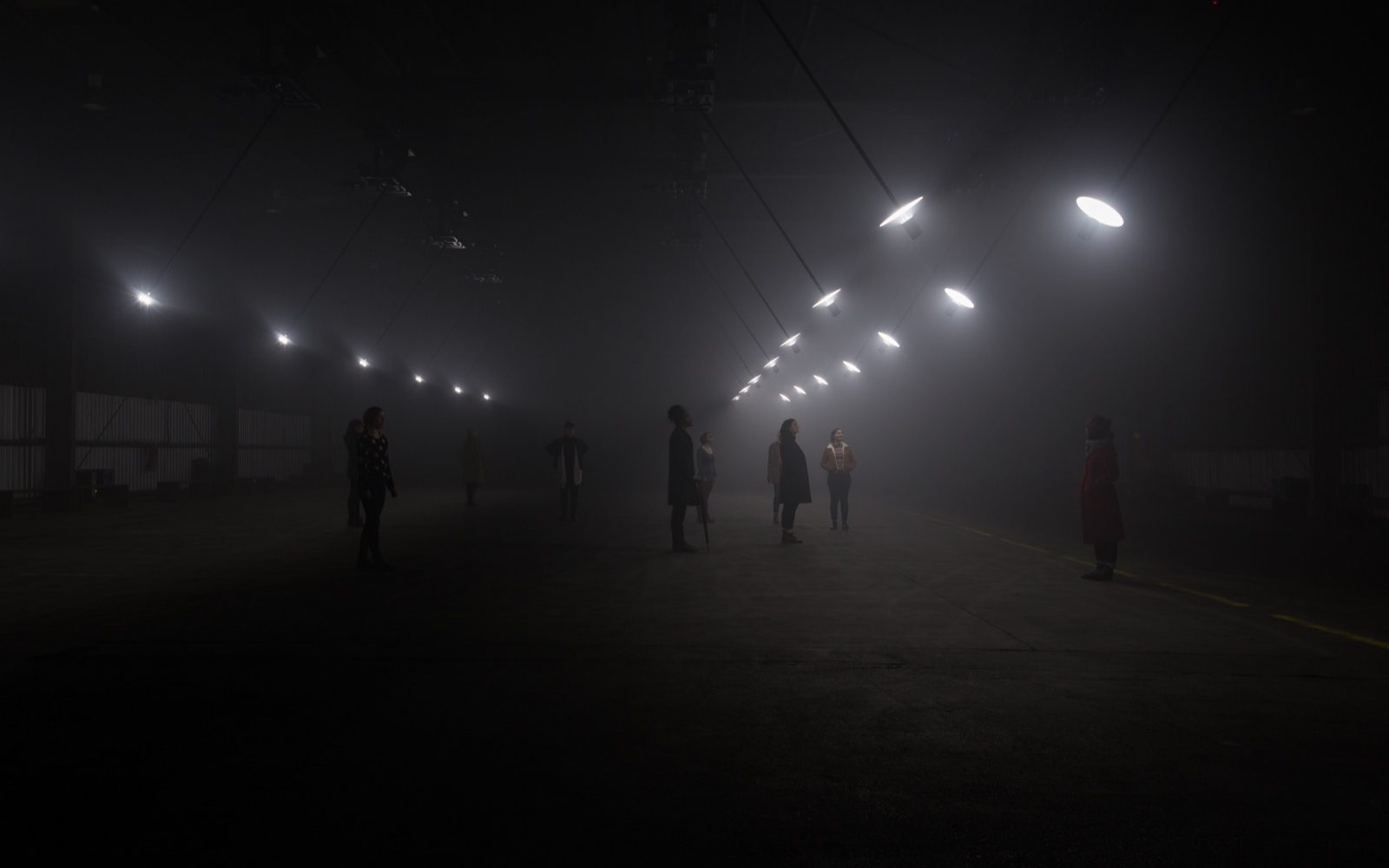
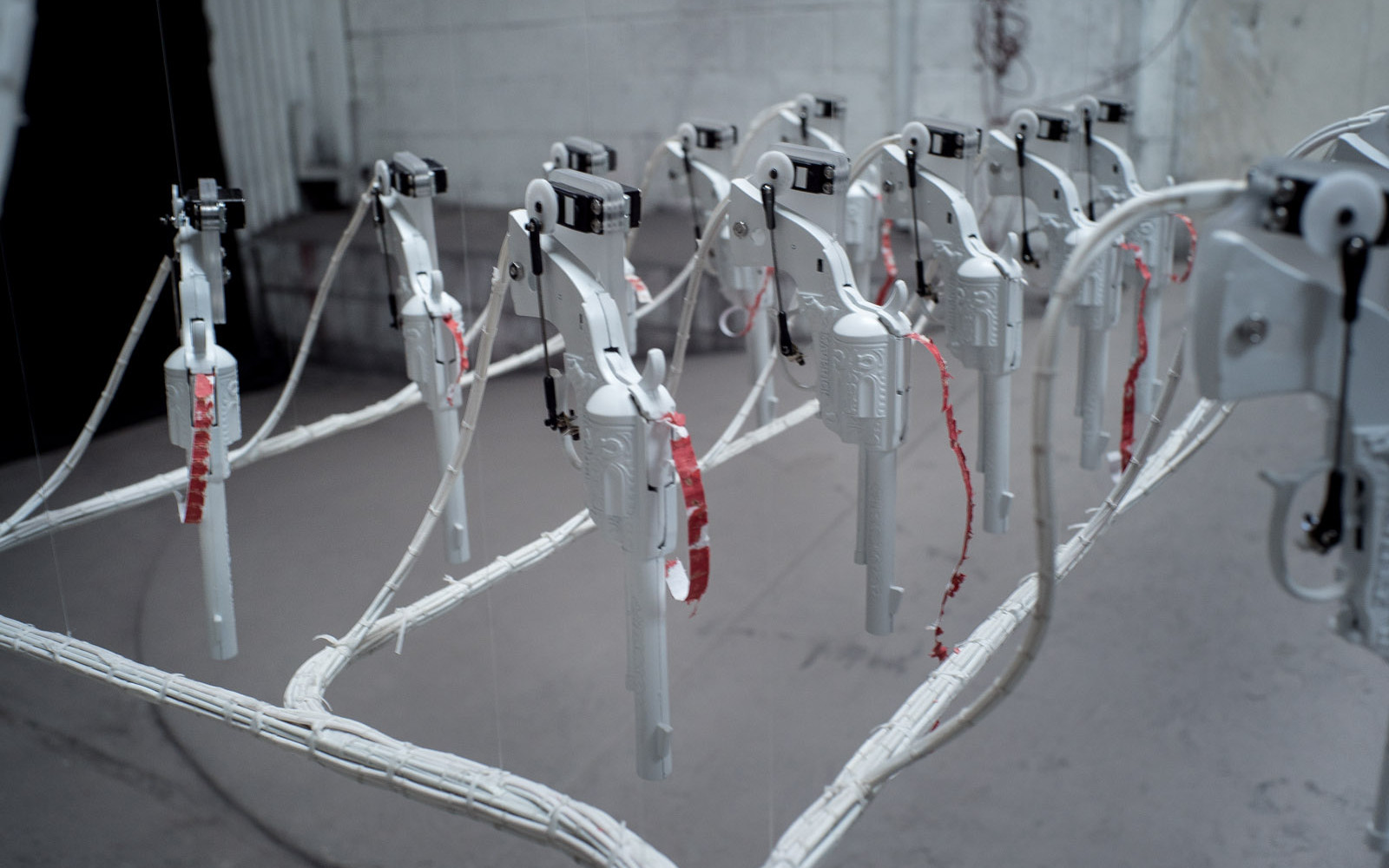
In my mother tongue, Time and Weather are the same. The starting point of the transmedia research project “Tempo e Tempo” is the double meaning of the word time in Portuguese: Tempo, whose meaning is both chronological linear time and non-linear weather. By means of two formulations – image and word – the project investigates the juxtaposition of time and weather to search for a world where many worlds are possible to fit in: a dreamlike time where past, present and future meet.
The research juxtaposes the time-image of cinema in relation to the in/determinacy of weather by speculating of a shift in time. Beyond the movie camera as an apparatus, we live in times of decentralized machines of capture. Following on the string left open by the seminal work “La Région Centrale” (Michael Snow, 1970) in media art history, the work proceeds by emancipating from the notion of the “center” and reappropriating the “idea of periphery from an anti-colonial viewpoint (…) toward an entangled vision of the world as it unfolds” (Michela Coletta, 2023). “The future is ancestral”, reminds us Ailton Krenak with a call towards the rescue of indigenous cosmovisions that escape linear time.
What could such visions be like within technocultures in the midst of a climate crisis and global surveillance? How could such apparatus be reappropriated to perform a renewed gaze of Earth through a locally bound, more-than-human perspective?
Tempo-imagem (2024)
Format: Transmedia installation, 2.5×2.5m, projection with variable dimensions
Materials: growing archive of weathercam streams, algorithm, machine, projection, mirror
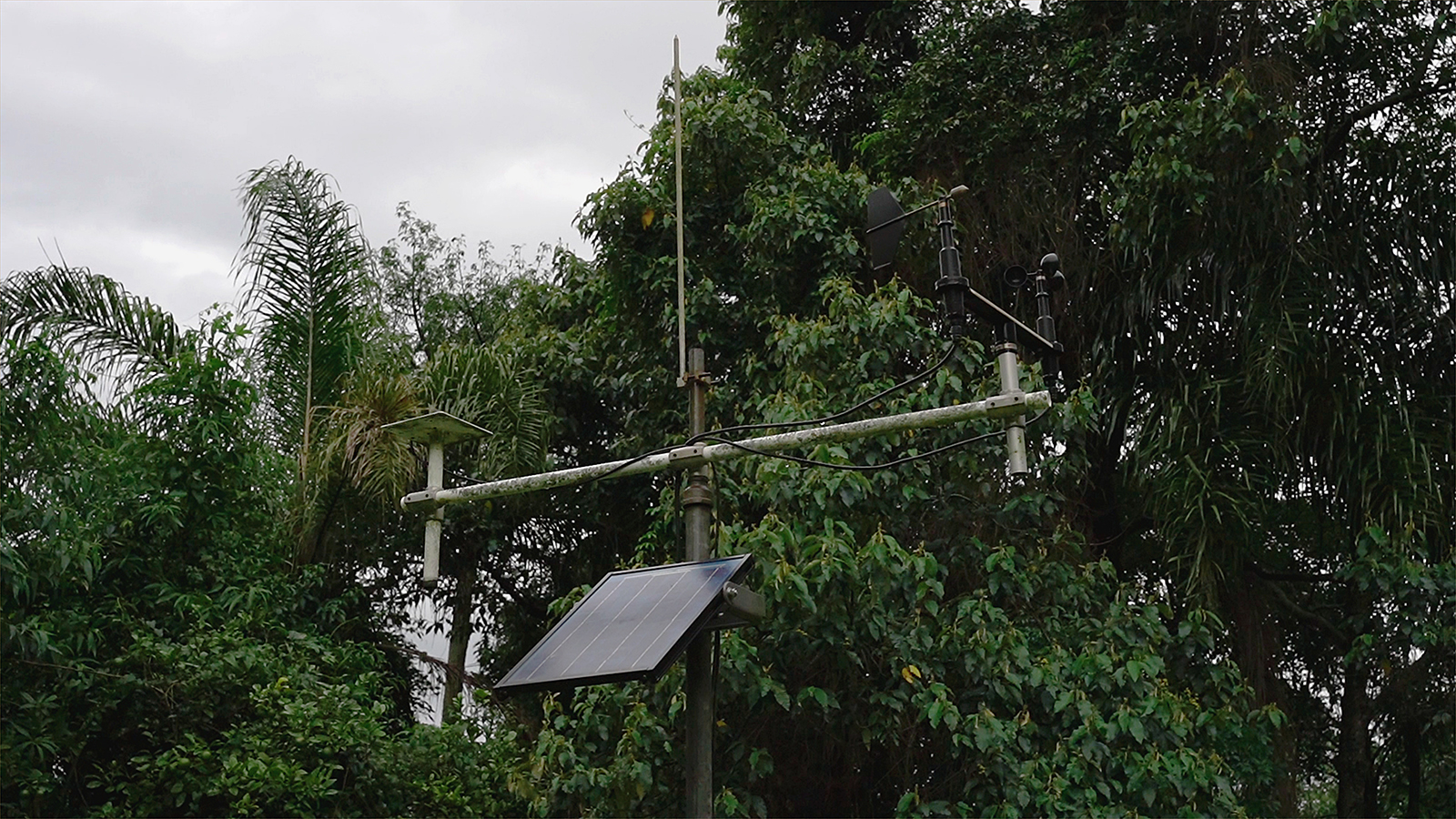
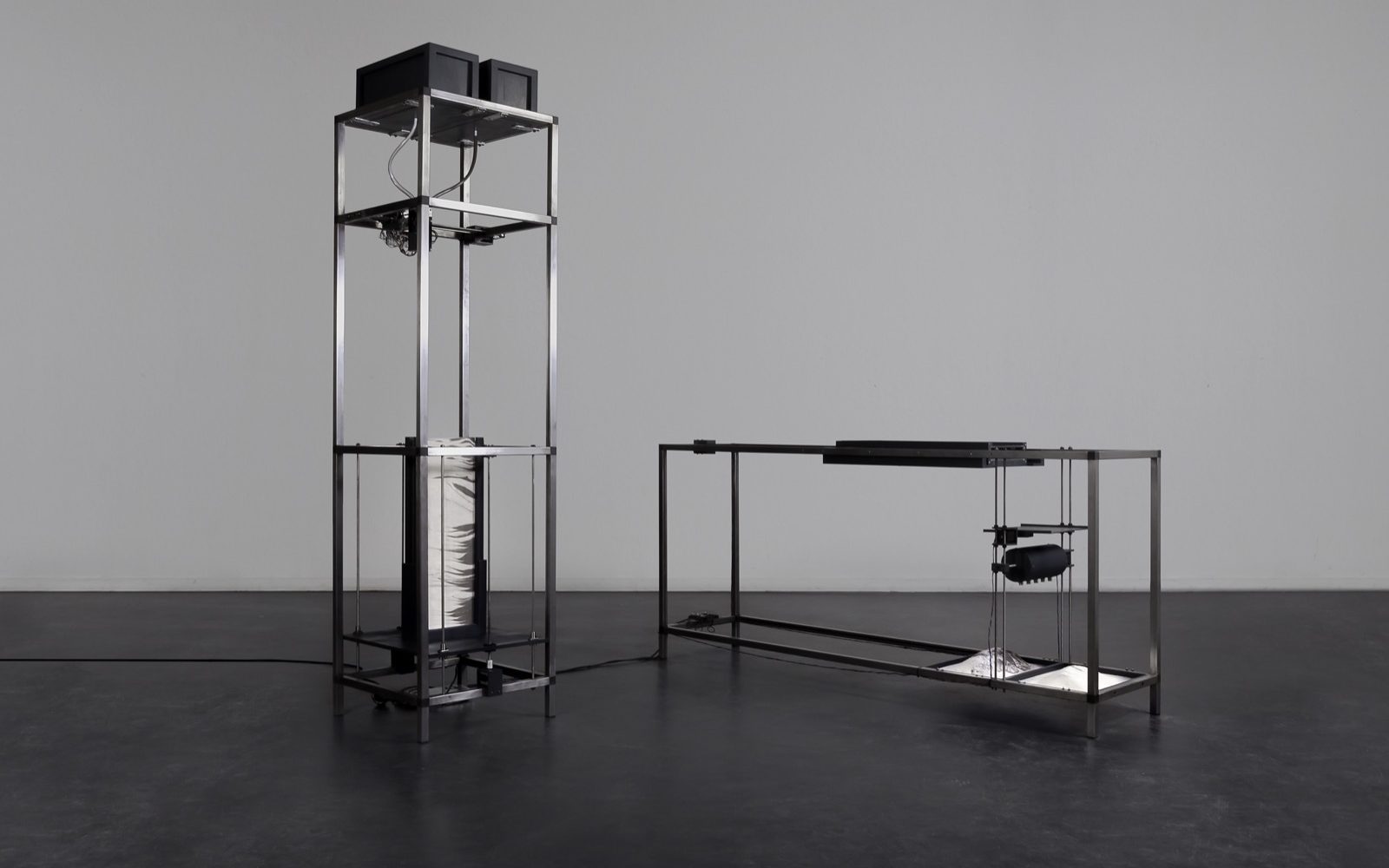
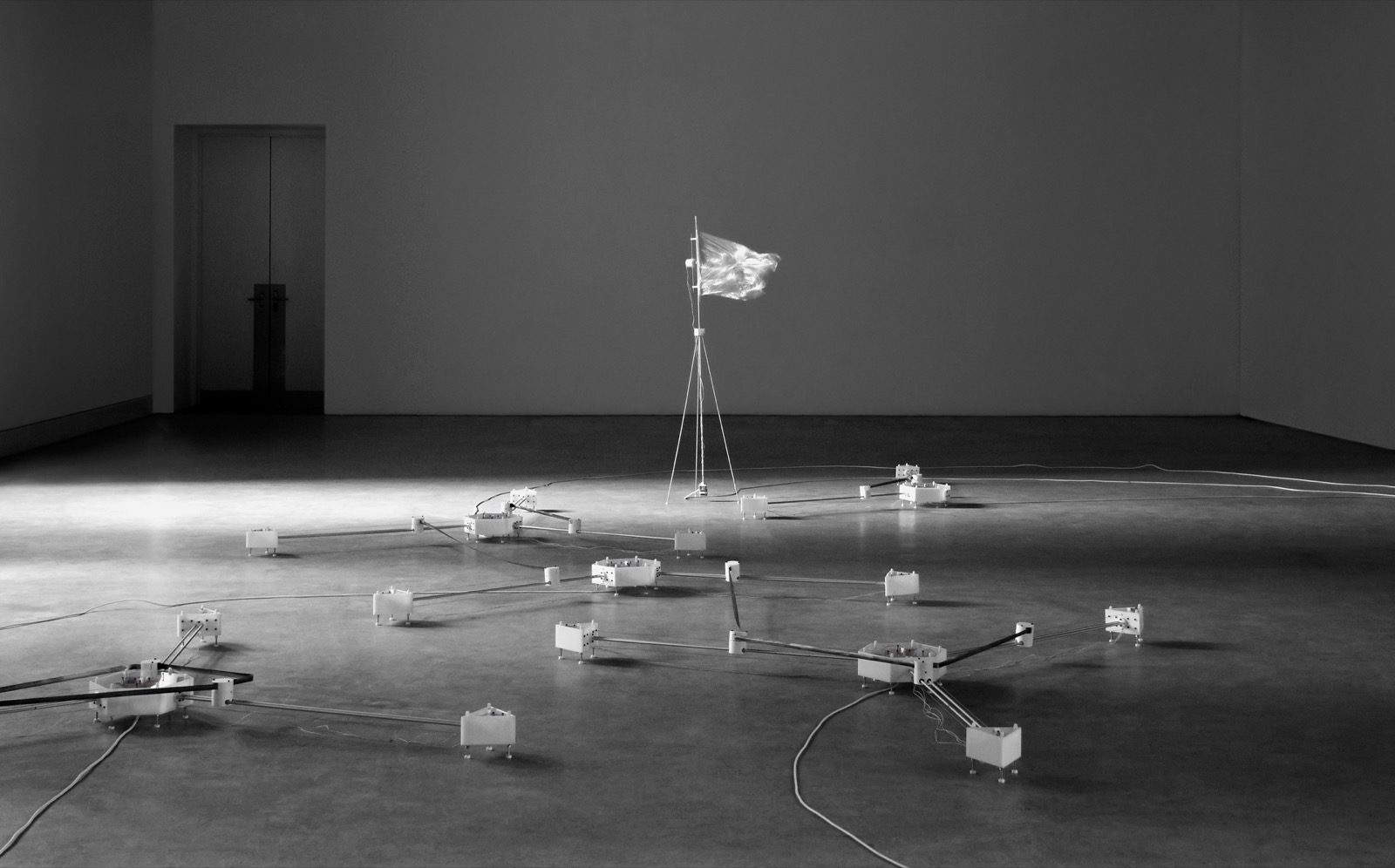
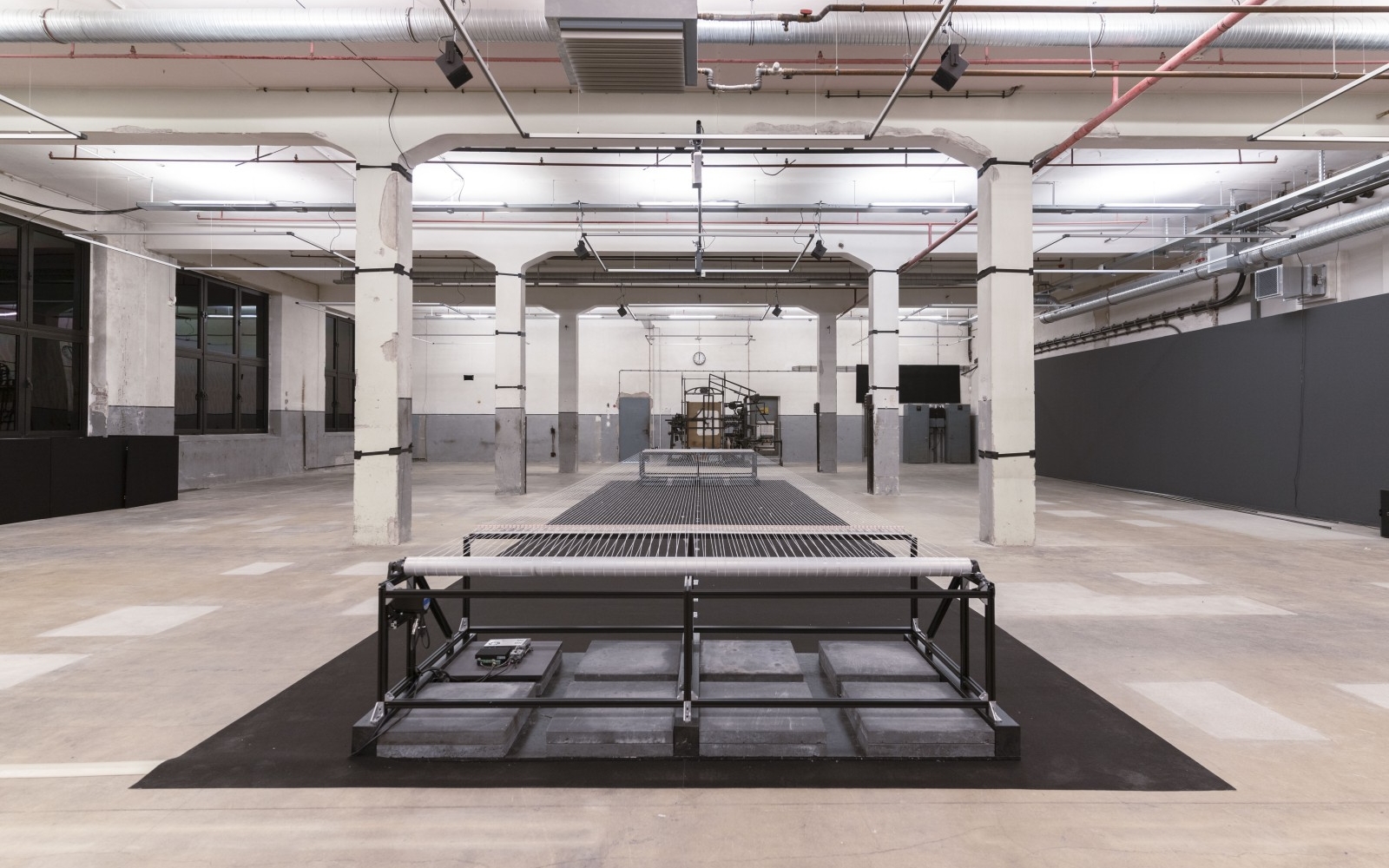
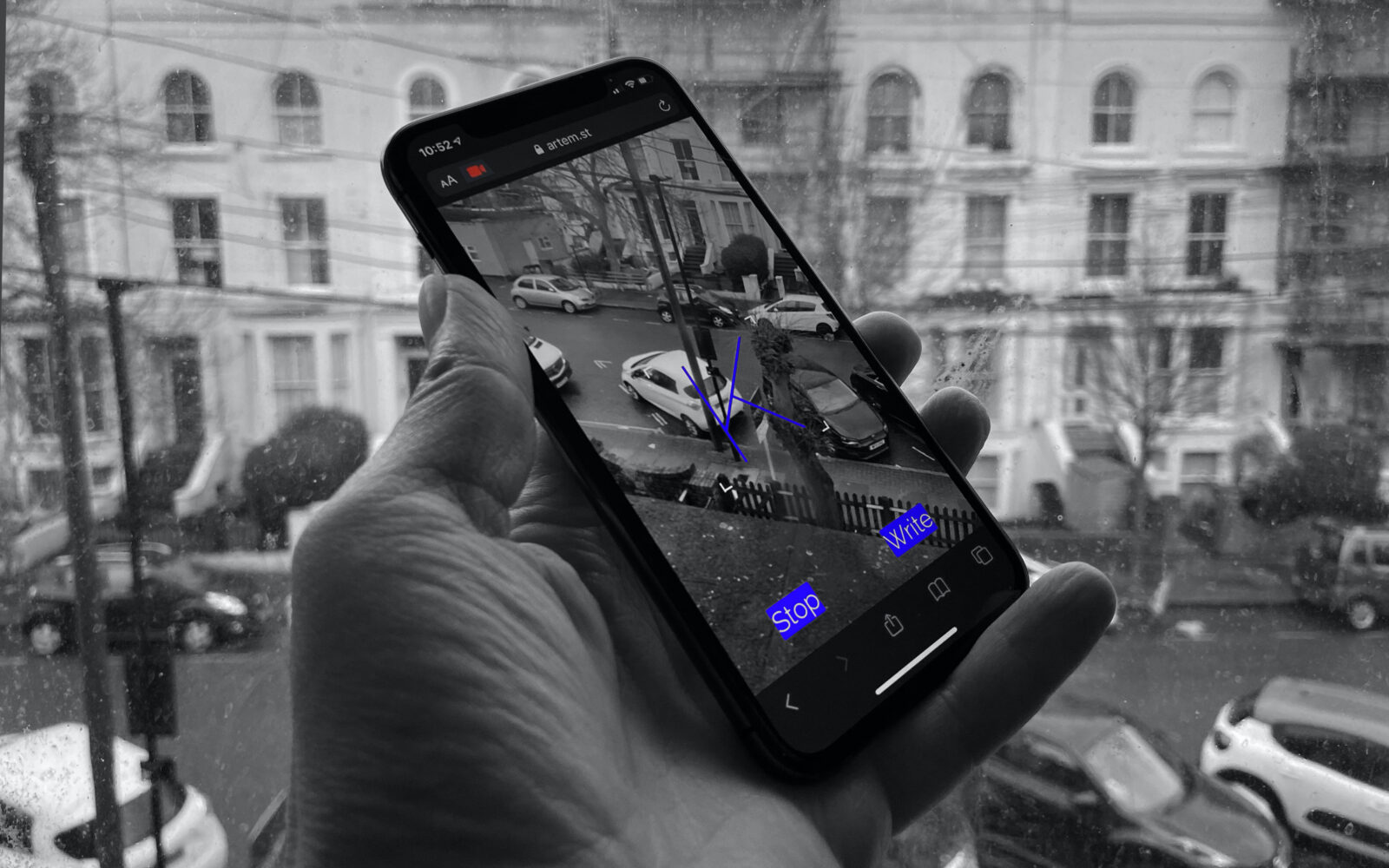
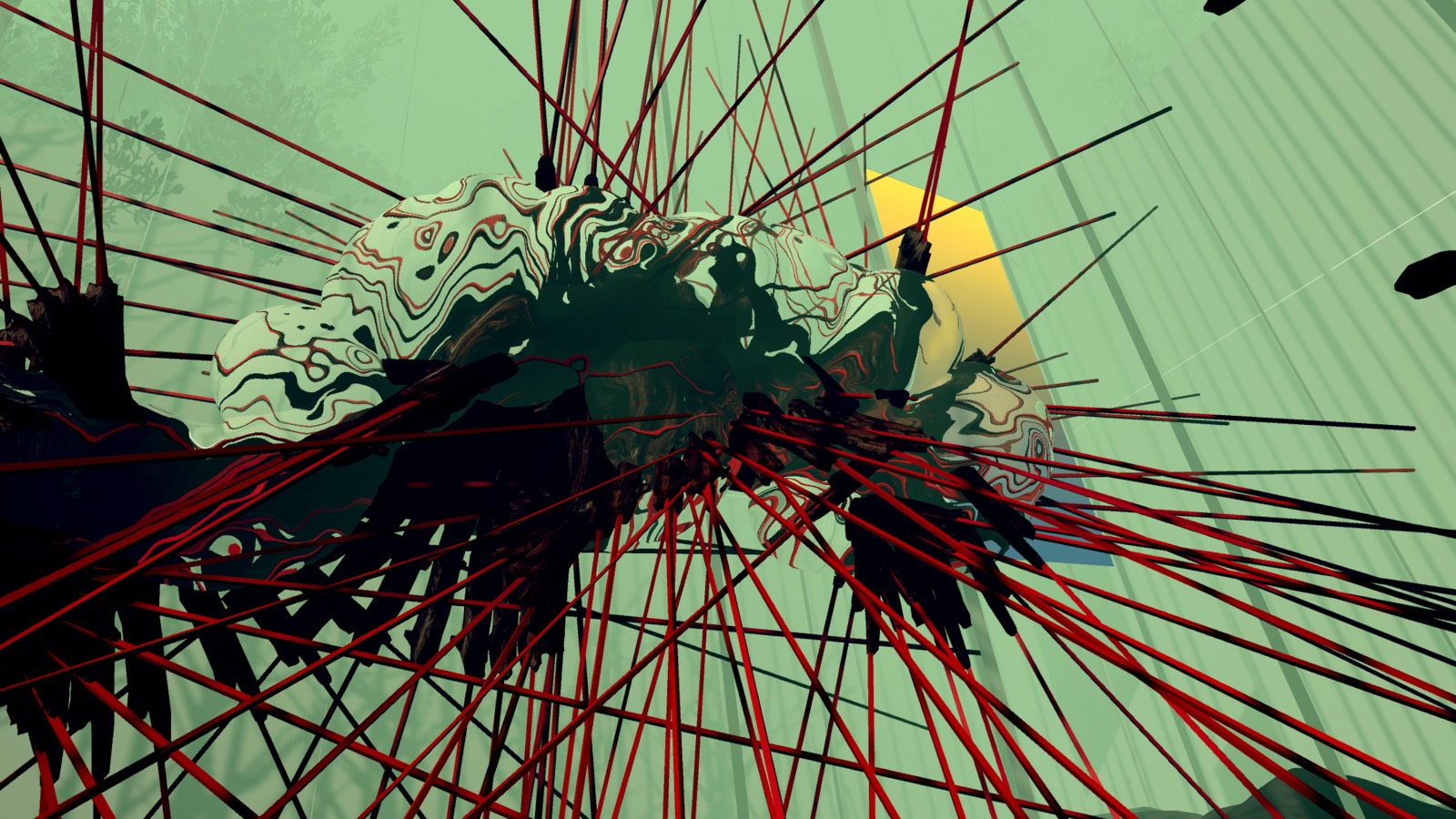
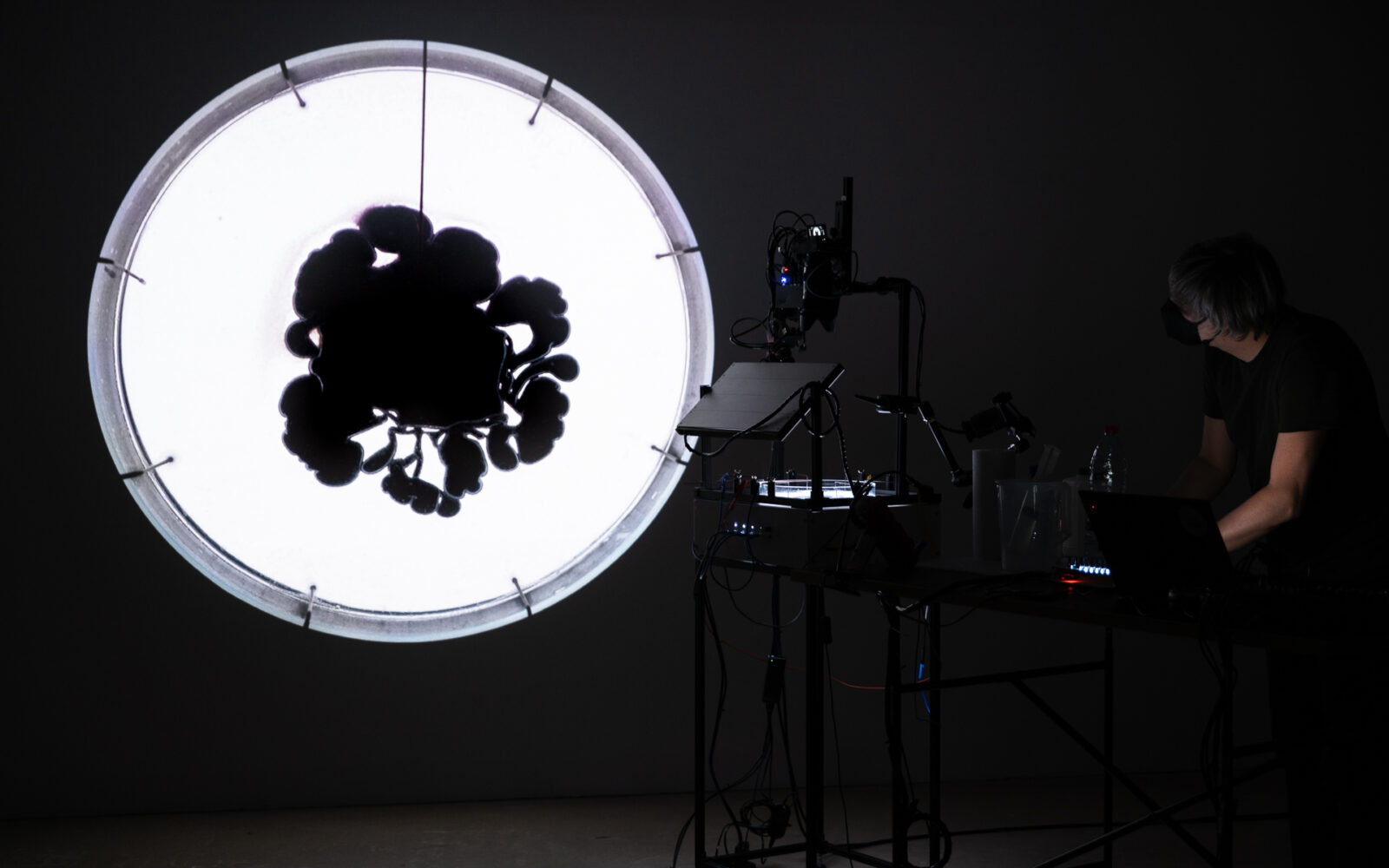
In Tempo-Imagem (Time-Image), a machine scans peripherally for open access weather monitoring cameras gazing at the world (skies, forests, glaciers, mountains and seas), and choreographs their streams in an attempt to construct a more-than-human visual language of time. The machine operates as a searching mechanism gathering an archive of time as weather, bounding the image of worldwide streams into one local motion. Once a stream is found to contain a shift in weather, a computer vision algorithm scans it and stores its parameters for future inspections.
Growing database (archive) of open-access weather cameras
Processing, OpenCV Library
Teensy 4.1, Arduino Environment


Tempo-palavra (2024)
Format: installation, variable dimensions
Materials: growing textual archive, algorithm, projection, body
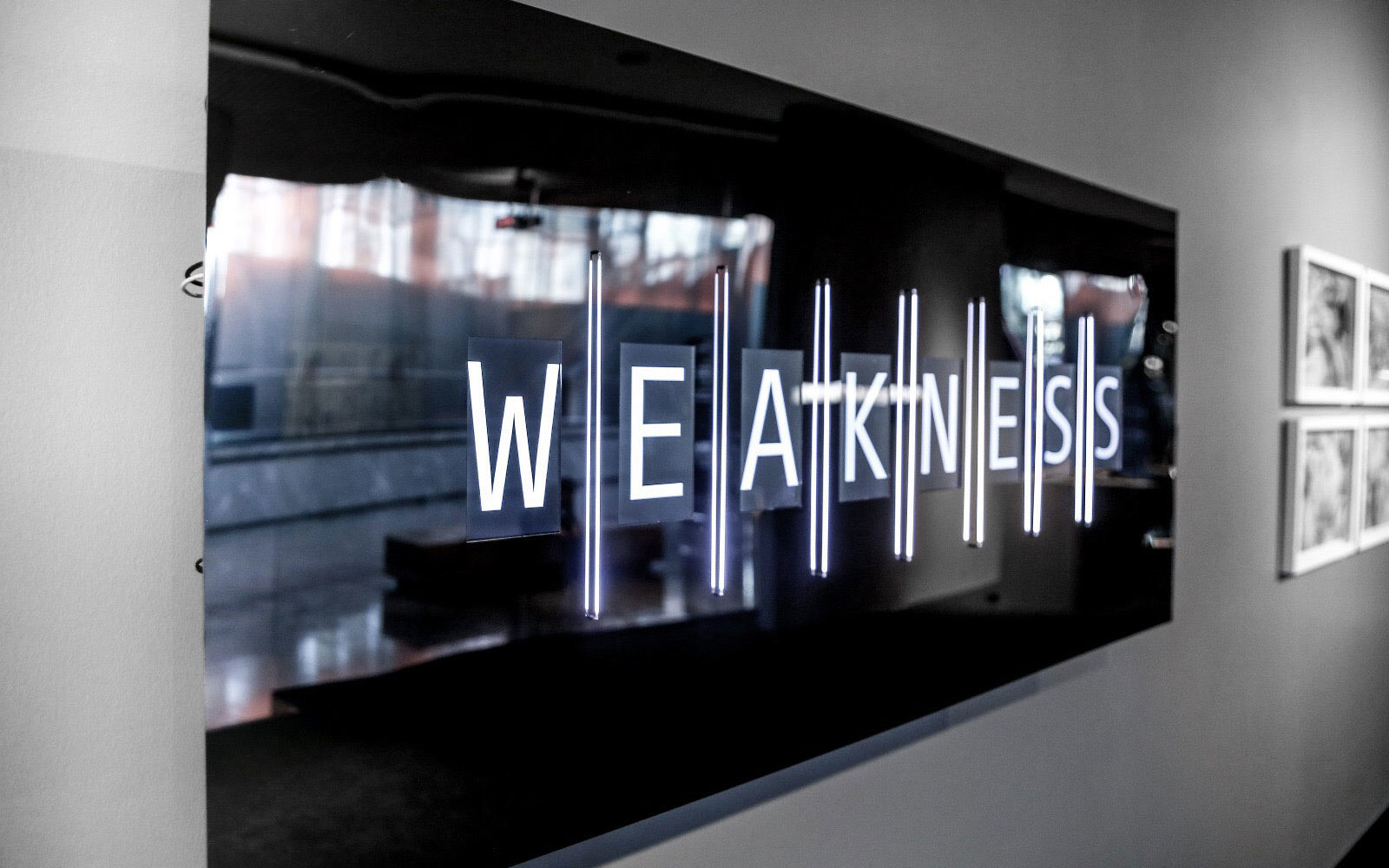
In Tempo-Palavra (Time-word), an algorithm permutes a text into an infinite stream of sentences. Based on an archive of sentences composed in dialogue in Brazilian and European Portuguese between two artists in collaboration, the algorithm searches for a pluriversal understanding of time within the gap of the two forms of language and its translation into space.
Growing database (archive) of sentences about Time written in collaboration with Ricardo Vieira


Acknowledgements: The research work currently attempts to grow and is looking for new partnerships and support for continuation. After its debut at gnration (Braga, Portugal), it will be shown at Festival ZERO1 in La Rochelle, France, in April 2025. The above artworks were produced in collaboration with artist Ricardo M. Vieira, and realized within the framework of the European Media Art Platform residency program at gnration with support from the Creative Europe Culture Programme of the European Union.
Project Page | Luiz Zanotello | Residency | Interview